Enjoy FREE Delivery on ALL Orders! 🚚✨ Order now!
Clocks 13 Products

Buy Clocks Online for Stylish and Functional Home Decor

Add functionality and decorative character to your interiors with thoughtfully selected clocks. More than just a way to keep track of time, the right clock can become an important part of your room decor, adding shape, colour, texture and visual interest to walls, tables, desks and shelves.

From decorative wall clocks that can become a focal point to compact table clocks for desks, bedside tables and consoles, clocks can complement a wide range of modern, contemporary, traditional and minimalist interiors.

At InteriorChowk, explore Clocks including Wall Clock and Table Clock options for different rooms, furniture arrangements and decorating preferences.

Explore Different Types of Clocks

Choosing the right clock begins with understanding where you want to place it and how you want it to contribute to the room.

Wall clocks use vertical space and can provide easy time visibility from different parts of a room, while table clocks offer a compact freestanding option for desks, shelves, bedside tables and consoles.

Wall Clocks

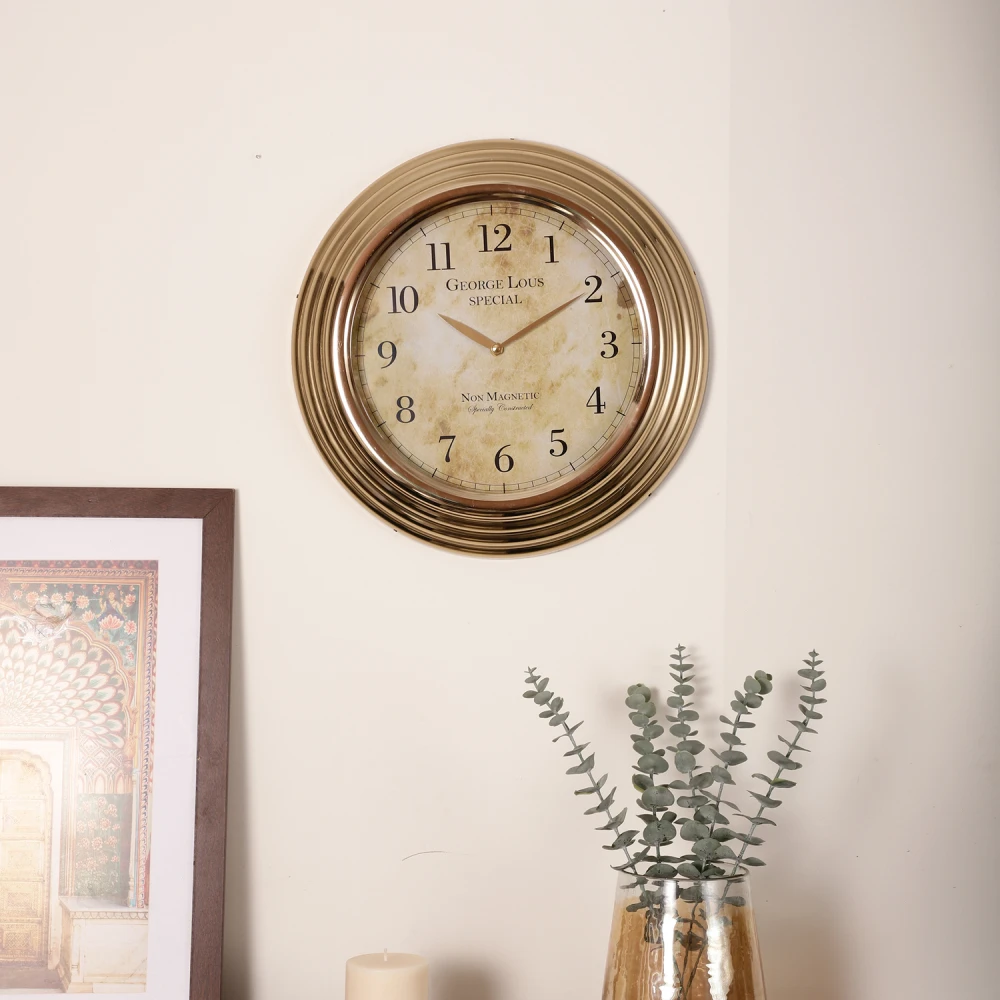
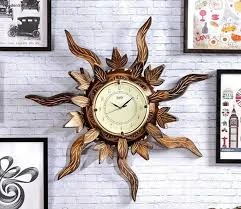
A Wall Clock combines practical timekeeping with wall decoration. Depending on its size and design, it can either blend subtly into the room or become an important decorative focal point.

Wall clocks can be considered for living rooms, bedrooms, dining spaces, kitchens, offices, study areas and other suitable walls.

Designs may vary in shape, material, colour, dial style and decorative detailing. Depending on the individual product, clocks may feature wood-inspired finishes, metal elements, glass details or combinations of different materials.

Before selecting a wall clock, consider the available wall dimensions, viewing distance, clock size, dial readability, mounting requirements and surrounding furniture.

Table Clocks

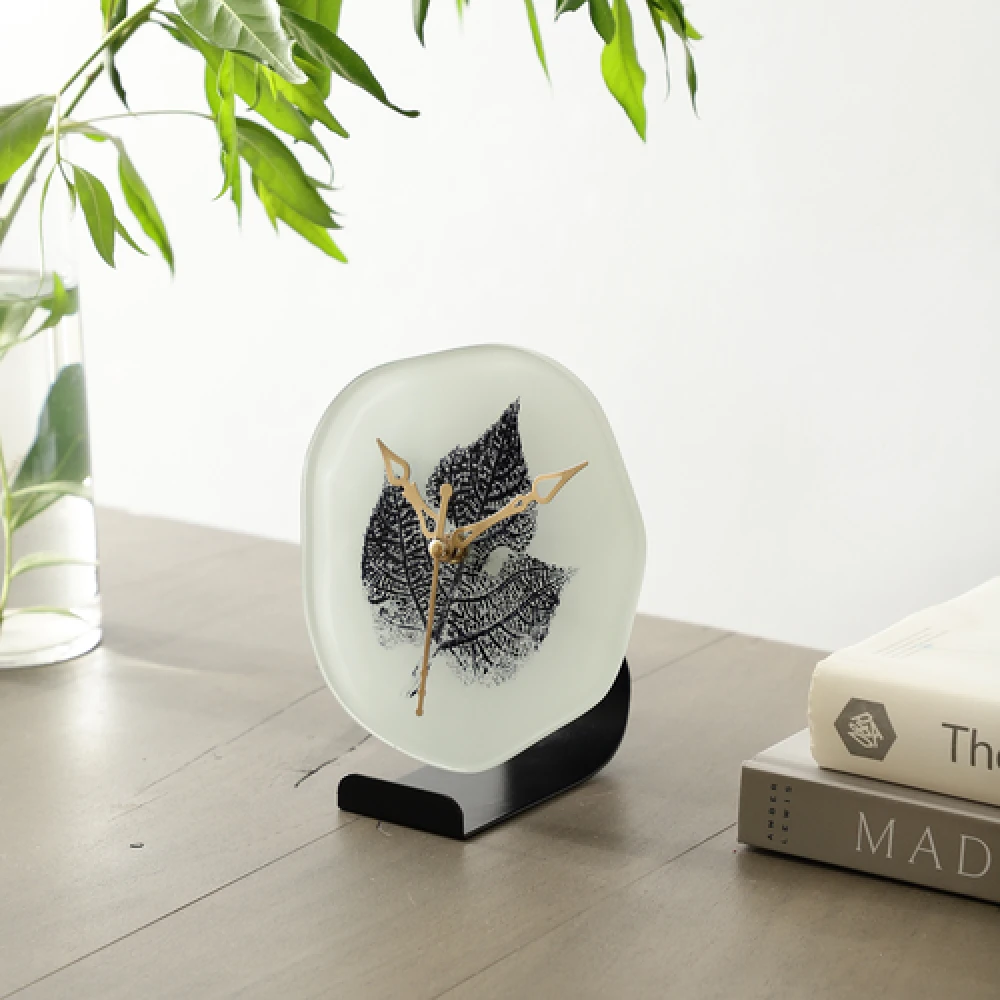
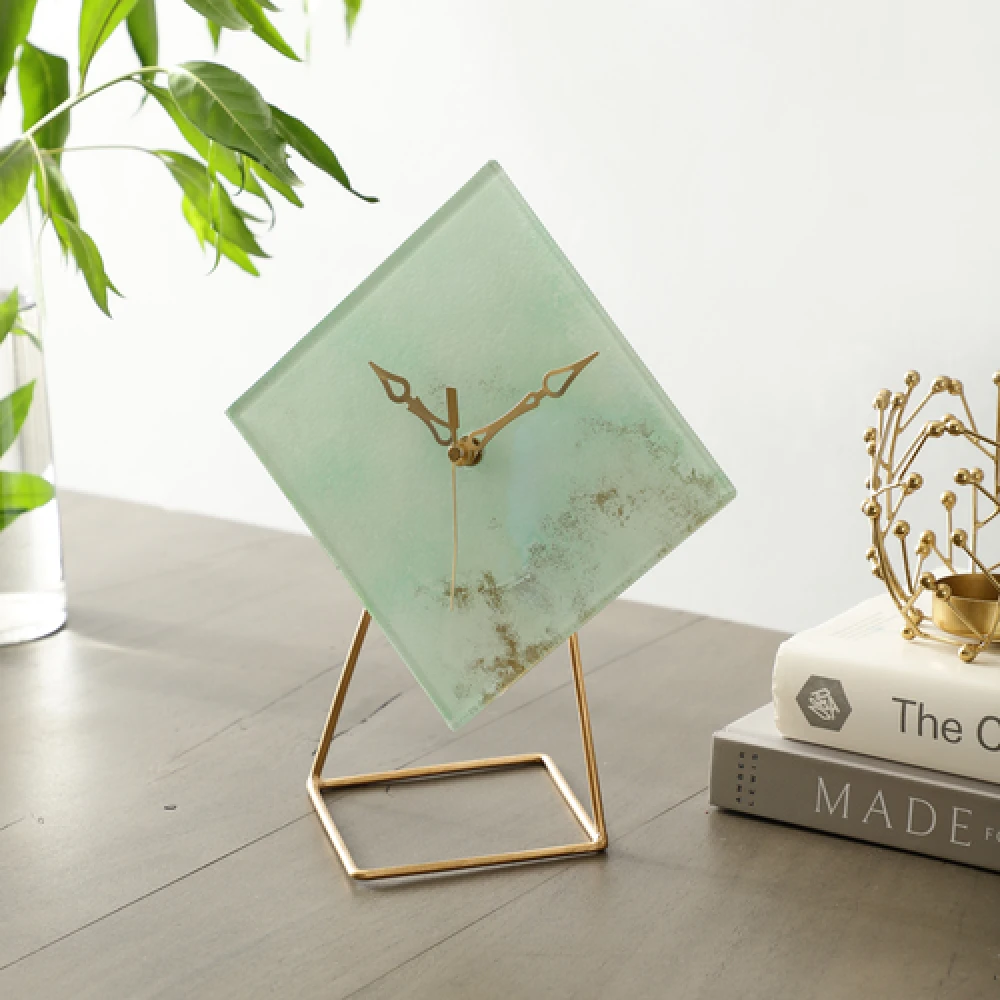
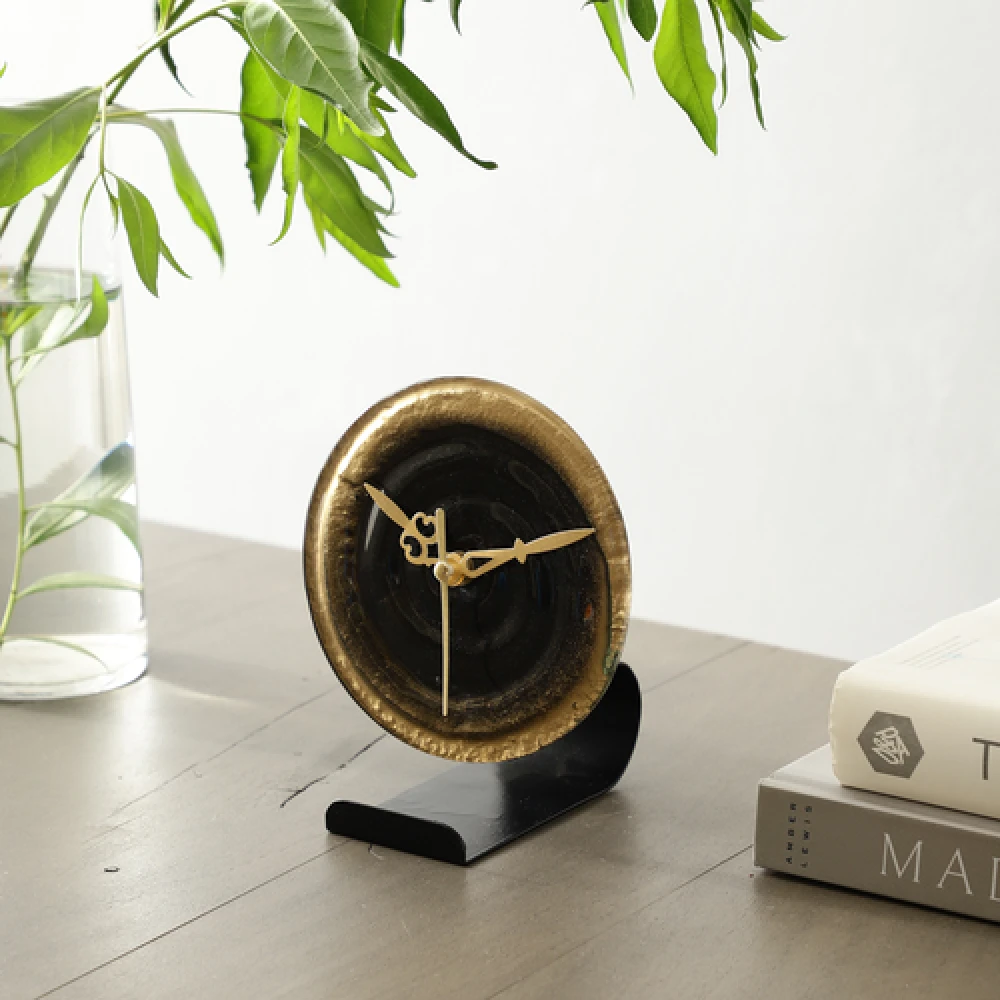
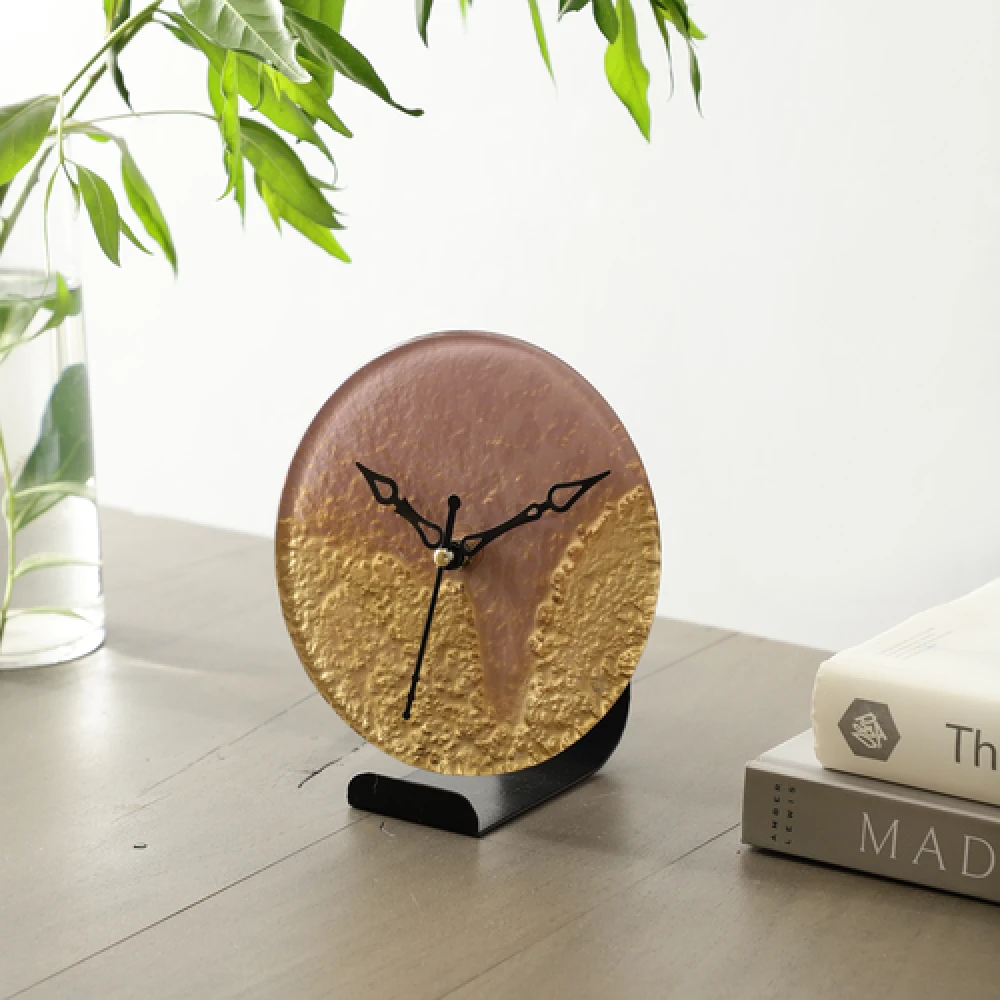
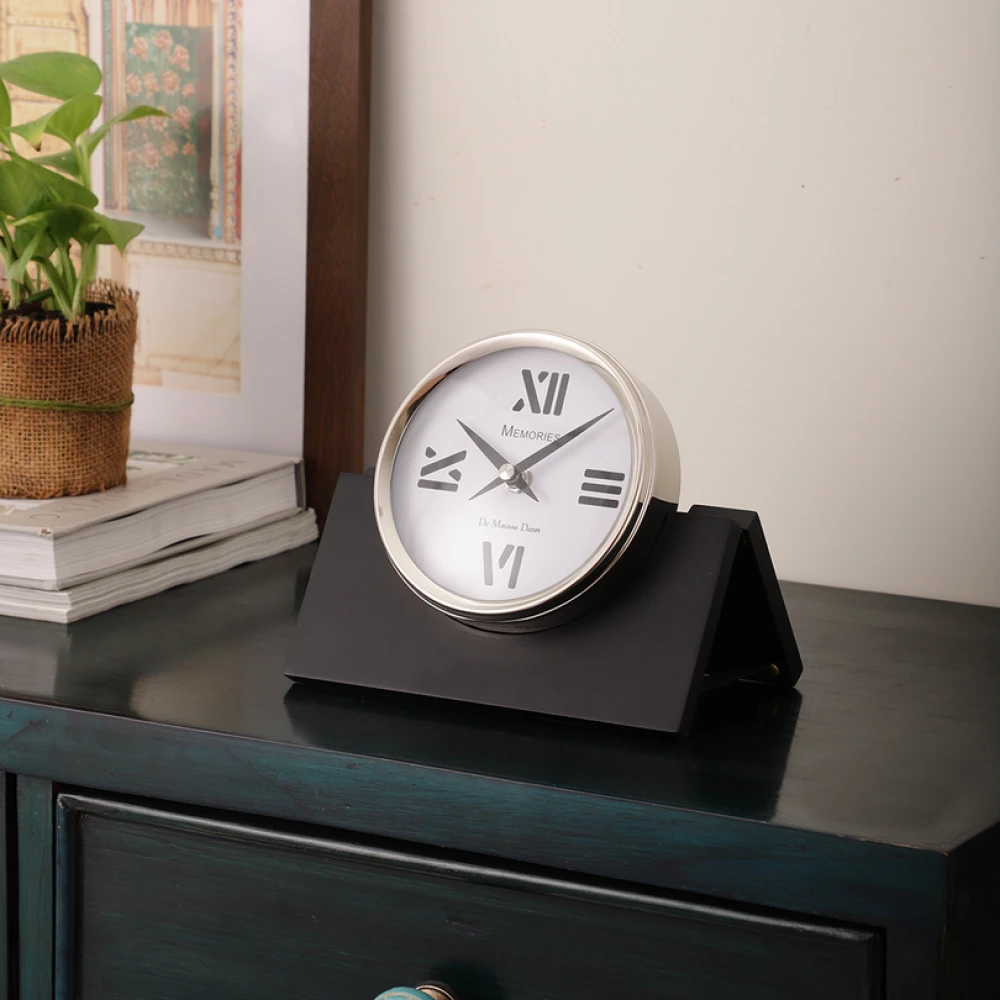
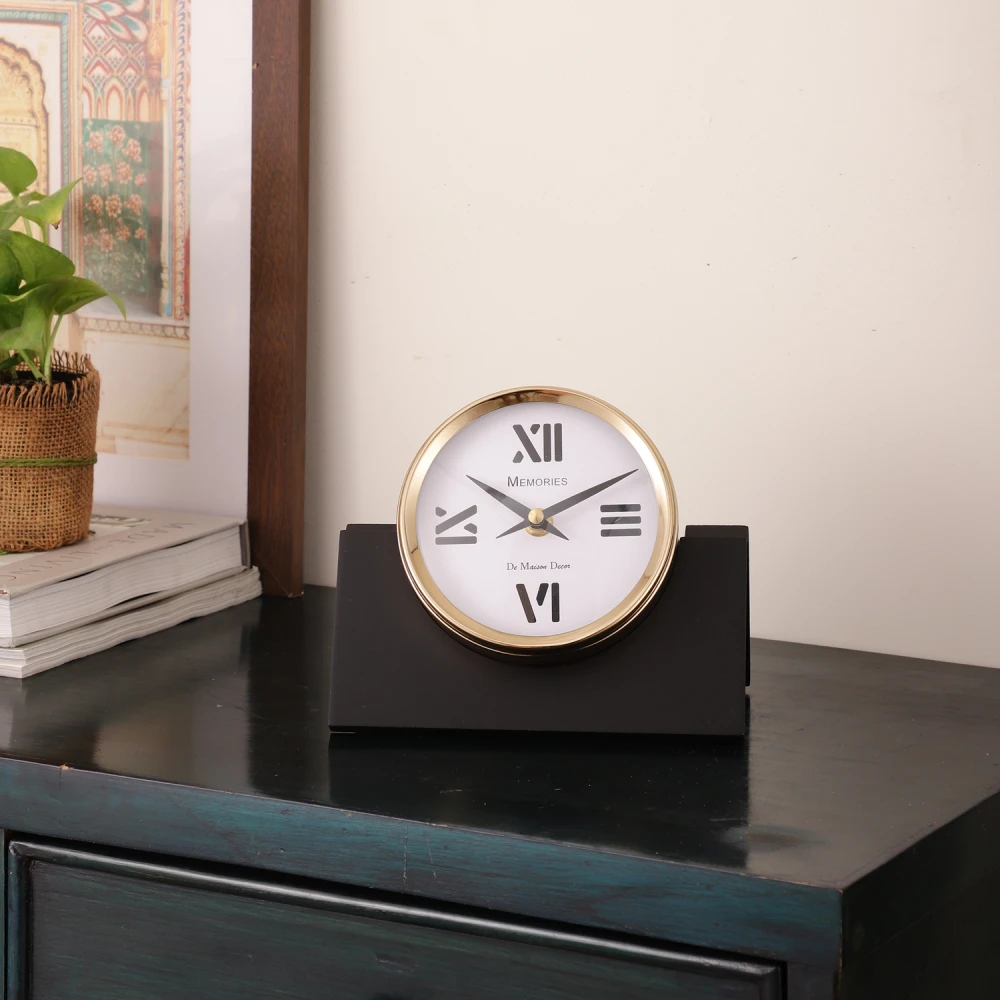
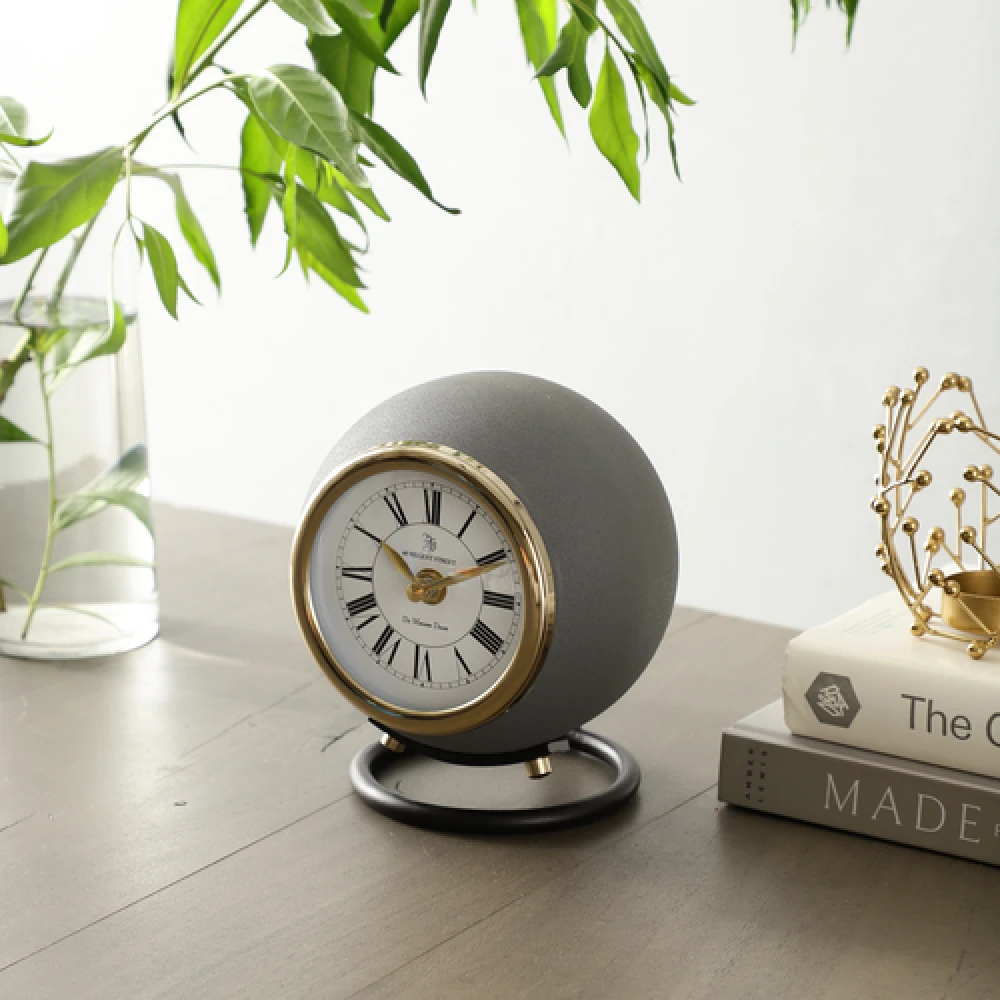
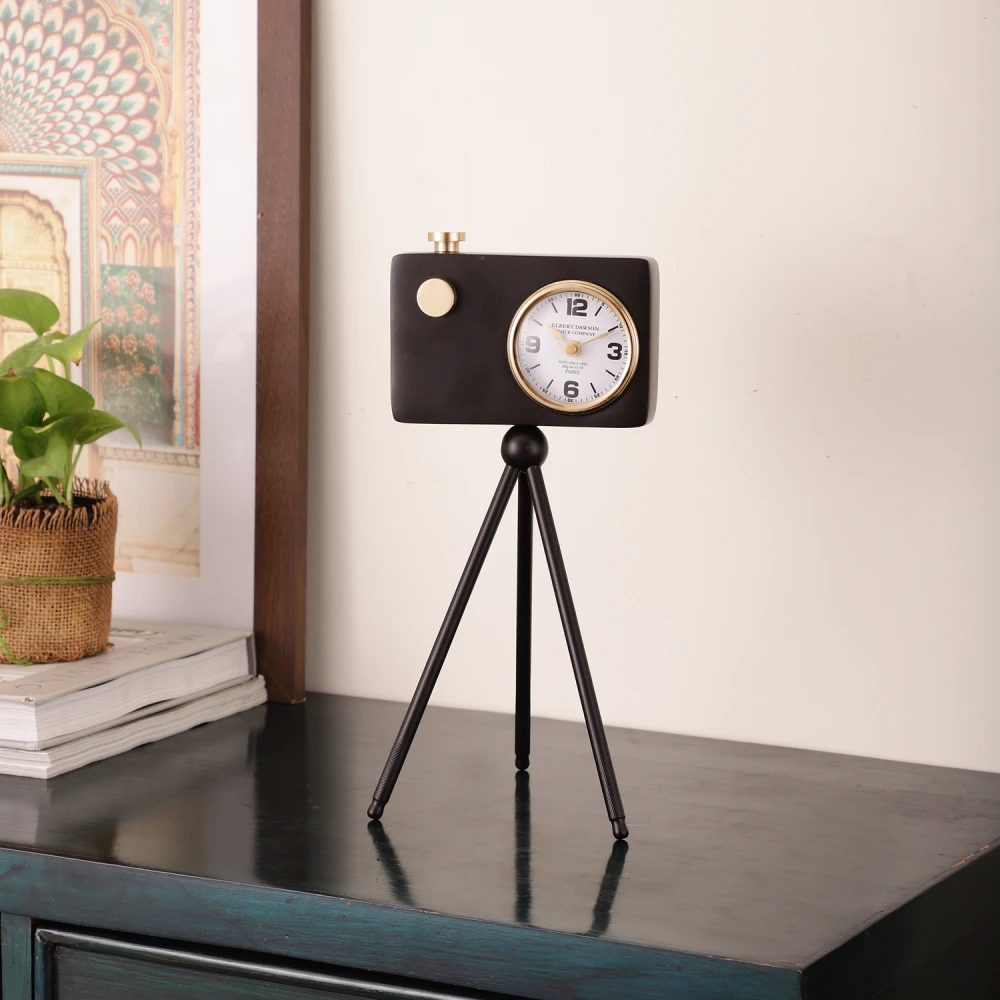
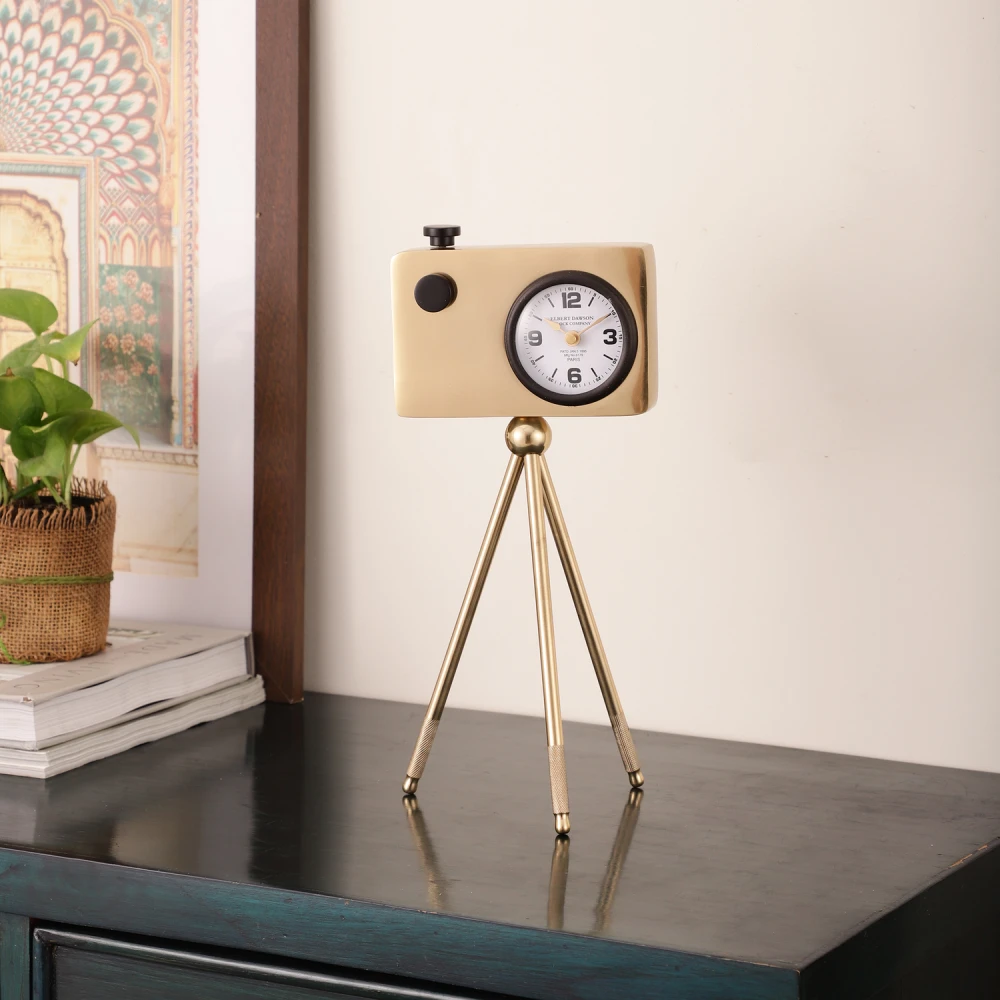
A Table Clock is a freestanding clock suitable for placement on desks, bedside tables, shelves, consoles and other stable furniture surfaces.

Table clocks can be particularly useful where wall mounting is not required or where you want the clock to become part of a decorative tabletop arrangement.

Compact designs can work well in bedrooms and workspaces, while more decorative table clocks can be used on consoles, bookshelves and display units.

When choosing a table clock, check its width, height, depth, dial visibility, base stability and power requirements.

Why Add Clocks to Your Home?

  • Combines function and decoration: Clocks provide practical timekeeping while also contributing to interior styling.
  • Uses available wall and table space: Wall clocks make use of vertical surfaces, while table clocks decorate furniture and shelving.
  • Can create a focal point: A distinctive decorative clock can attract attention within a room.
  • Suitable for different rooms: Clocks can be selected for living rooms, bedrooms, dining spaces, offices and study rooms.
  • Available in different styles: Different shapes, colours, finishes and materials can suit varied interior themes.
  • Provides placement flexibility: Choose a Wall Clock or Table Clock according to the available space.
  • Suitable for gifting: Decorative clocks can be considered for housewarming, wedding, anniversary and other home-oriented gifts.

Popular Clock Styles

Modern Clocks

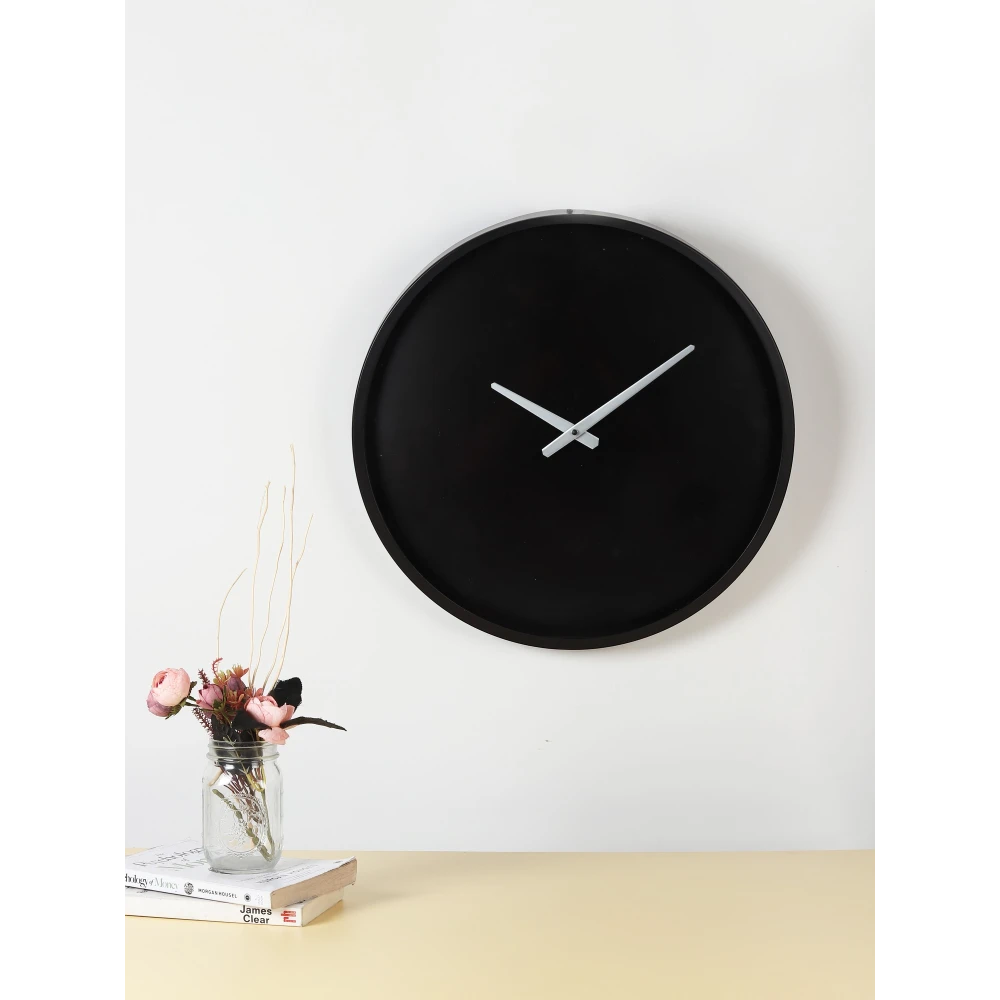
Modern clocks generally feature contemporary forms, clean lines and simplified decorative detailing.

They can work particularly well with modern furniture, neutral interiors and spaces that use clean architectural lines.

Minimalist Clocks

Minimalist clocks focus on simplicity, clear shapes and limited ornamentation.

These designs can help maintain an uncluttered appearance while still providing useful time visibility.

Traditional Clocks

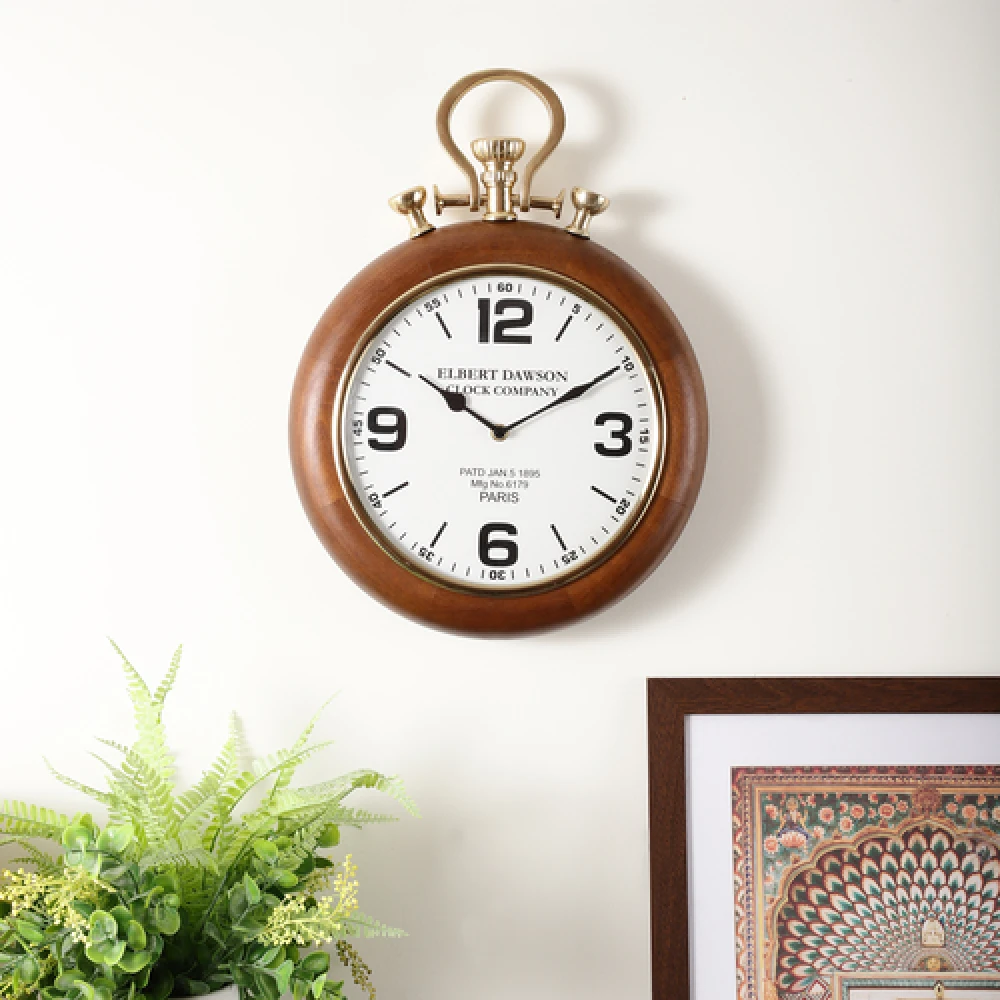
Traditional clock designs may feature classic shapes, warmer colours, detailed frames or wood-inspired finishes.

They can complement wooden furniture, traditional furnishings and rooms with classic decorative elements.

Vintage-Inspired Clocks

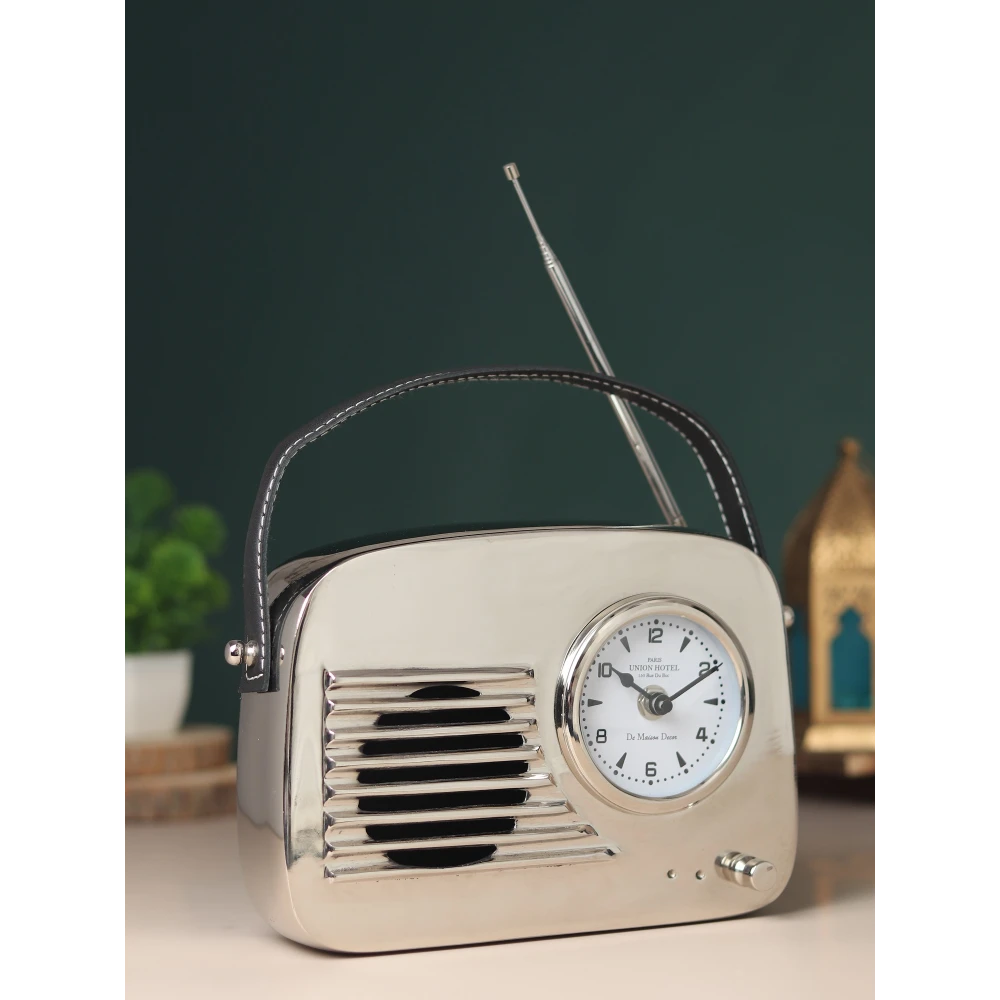
Vintage-inspired clocks may feature classic numerals, aged-looking finishes or decorative details influenced by older clock designs.

They can add character to traditional, rustic and eclectic interiors.

Contemporary Clocks

Contemporary clocks can feature updated shapes, decorative frames, metallic details and distinctive dial designs.

They can work well where the clock is intended to contribute to the overall visual theme rather than remaining purely functional.

Statement Clocks

Statement clocks are designed to attract greater visual attention through their scale, shape, finish or decorative details.

A larger statement Wall Clock can help fill a spacious wall without requiring several smaller decorative pieces.

Keep nearby decor relatively simple where the clock already has a strong visual presence.

Clocks Based on Material and Finish

Wood and Wood-Inspired Clocks

Wood and wood-inspired finishes can add warmth and natural-looking texture to a clock design.

These clocks can coordinate naturally with wooden tables, cabinets, bookshelves and traditional furniture.

Metal Clocks

Metal elements can give clocks a more structured and contemporary appearance.

Black, gold-tone, silver-tone and other metallic finishes may complement modern, industrial and decorative interiors depending on the design.

Glass Clocks

Glass elements can give certain clock designs a visually refined and lighter appearance.

Where a clock includes glass components, handle it carefully during installation, cleaning and repositioning.

Mixed-Material Clocks

Some clock designs may combine materials such as wood, metal and glass to create contrast in texture and finish.

Mixed-material clocks can work particularly well in interiors that already use a combination of furniture and decorative finishes.

Clocks for Different Rooms

Clocks for Living Rooms

The living room is a suitable space for clocks because it generally offers both visible walls and decorative furniture surfaces.

A Wall Clock can create a focal point above suitable furniture, while a Table Clock can become part of a shelf or console arrangement.

Consider viewing distance and the scale of nearby furniture before deciding on the clock size.

Clocks for Bedrooms

Clocks can provide convenient time visibility while also adding a decorative element to bedrooms.

Compact table clocks can work well on bedside furniture, dressers and shelves, while wall clocks can help keep smaller surfaces free.

Choose a clock that can be read comfortably from the areas where you are most likely to view it.

Clocks for Dining Rooms

A decorative wall clock can make use of an empty dining-room wall without occupying dining-table space.

Coordinate the clock size with the dining table, nearby furniture and other wall elements to maintain visual balance.

Clocks for Home Offices

A clock can provide quick time visibility during meetings, work sessions and everyday tasks.

A wall clock can save valuable desk space, while a table clock can remain close to the primary work area.

For workspaces, clear dial visibility may be more important than highly detailed decorative styling.

Clocks for Study Rooms

Study spaces can benefit from clocks that provide easy time visibility without becoming visually distracting.

Select a clock size appropriate for the room and position it where it can be viewed without interrupting the main study area.

Clocks for Entrance and Foyer Areas

A clock can become part of an entrance or foyer arrangement where suitable wall or console space is available.

Coordinate its material and colour with the surrounding furniture and Decor to create a more connected look.

How to Choose the Right Clock

Decide Where the Clock Will Be Placed

Start by deciding whether the clock needs to be mounted on a wall or placed on a furniture surface.

Choose a Wall Clock when you want to use vertical space and maintain visibility across the room.

Choose a Table Clock for a desk, bedside table, shelf or console where a freestanding design is more suitable.

Measure the Available Space

Measure the intended wall or tabletop before purchasing the clock.

A very small clock may look visually lost on a large empty wall, while an oversized clock can dominate a compact room.

For table clocks, make sure enough usable surface remains available around the clock.

Check Dial Readability

A decorative clock should still remain practical.

Check whether the clock hands and hour markers provide enough contrast against the dial for comfortable reading.

Consider Viewing Distance

A clock that will be viewed across a living room may require a larger and clearer dial than a table clock positioned directly beside a bed or desk.

Consider the normal viewing position before deciding on the size.

Choose the Right Colour

A clock can either coordinate with the wall and furniture or create deliberate contrast.

Neutral finishes may blend easily with multiple decor styles, while metallic and stronger colours can provide greater decorative impact.

Consider the Interior Style

Look at the furniture, wall colours, lighting and decorative accessories already present in the room.

A simple clock can complement minimalist interiors, while decorative or traditional designs may suit rooms containing more detailed furniture and accessories.

Check the Clock Mechanism

Review the product specifications to understand the clock movement, power source and operating requirements.

Battery type and other specifications can vary between products, so follow the instructions supplied with the individual clock.

Check Installation Requirements

For wall-mounted clocks, review the product weight and mounting method.

Make sure the wall and fixing hardware are suitable for securely supporting the clock.

How to Choose a Wall Clock

Choosing the right Wall Clock involves more than selecting an attractive design.

Measure the available wall space and consider the scale of nearby furniture, artwork, shelves and other decorative elements.

Check whether the numbers, markers and hands can be seen clearly from the expected viewing distance.

Also review the clock weight and installation requirements before mounting it.

How to Choose a Table Clock

A Table Clock should fit comfortably on its intended surface while leaving enough room for other necessary items.

Check the height, width, depth and base stability before placing it on a desk, bedside table or shelf.

For practical everyday use, make sure the clock remains easy to read from your normal sitting or sleeping position.

For decorative use, consider how the clock material and colour coordinate with nearby accessories.

Wall Clock vs Table Clock

Wall clocks and table clocks both provide timekeeping, but their placement and decorative roles are different.

A Wall Clock makes use of vertical space and can remain visible from a greater distance.

A Table Clock is freestanding and can be repositioned more easily between desks, shelves, bedside tables and consoles.

Choose according to available space, viewing distance, installation preference and the type of decorative effect you want to create.

Decorative Clock vs Simple Clock

A simple clock usually places greater emphasis on clear time visibility and straightforward design.

A decorative clock gives more attention to frame design, colour, material, shape and visual styling.

For kitchens, offices and study rooms, readability may be a major priority. For living rooms and entrance areas, the decorative appearance may carry greater importance.

Many clocks can provide a balance between both requirements.

How to Style Wall Clocks

Use a Wall Clock as a Focal Point

A large decorative wall clock can become the main feature on an otherwise plain wall.

When using a statement design, avoid placing too many competing wall accessories immediately around it.

Place a Clock Above Furniture

A wall clock can be positioned above a console, sideboard or suitable furniture piece where its scale feels connected to the furniture below.

Consider both the furniture width and the clock dimensions when creating the arrangement.

Coordinate the Clock with Wall Colour

A clock in a contrasting colour can create a stronger focal point, while a similar colour may produce a softer appearance.

Choose the approach according to the overall interior style.

Keep the Clock Easy to Read

Decorative styling should not reduce the practical usefulness of the clock.

Avoid placing the clock where furniture, doors, plants or other accessories regularly block the dial.

How to Style Table Clocks

Table Clocks on Bedside Tables

Choose a compact table clock that leaves enough space for other everyday bedside items.

Position it so the dial remains easy to view from the bed.

Table Clocks on Work Desks

A table clock can add practical time visibility to a desk without requiring wall installation.

Keep it outside the primary laptop, keyboard and writing area to avoid reducing useful workspace.

Table Clocks on Shelves

A decorative table clock can be styled alongside books and selected accessories.

Keep the dial unobstructed and make sure the shelf provides enough stable surface area for the clock.

Table Clocks on Consoles

A decorative table clock can become part of an entrance or living-room console arrangement.

Use accessories of different heights while leaving enough empty space around the clock to prevent the arrangement from looking cluttered.

Choosing Clock Size for Your Space

Small Clocks

Smaller clocks can work well on compact walls, shelves, bedside tables and study furniture.

Even with smaller dimensions, check that the dial remains readable from the intended viewing position.

Medium-Sized Clocks

Medium clocks can provide a balance between decorative impact and practical placement.

They can suit a variety of living rooms, bedrooms, dining areas and offices depending on the available space.

Large Wall Clocks

Large wall clocks can make a stronger decorative statement on spacious walls.

Measure the available area carefully before selecting an oversized design and ensure the wall can support the clock securely.

Matching Clocks with Different Interior Styles

Clocks for Modern Interiors

Look for clean forms, contemporary finishes and simplified dial designs.

Neutral shades and metallic details can work naturally with modern furniture.

Clocks for Minimalist Interiors

Choose a clock with simple detailing and a clear dial.

Allow enough empty space around the clock rather than surrounding it with multiple competing decorative objects.

Clocks for Traditional Interiors

Warm colours, classic shapes and wood-inspired finishes can complement traditional furniture and decorative arrangements.

Clocks for Rustic Interiors

Natural-looking textures, wood-inspired surfaces and vintage-style detailing can work well in rustic interiors.

Clocks for Luxury-Look Interiors

Metallic finishes, decorative structures and refined detailing can create a more premium visual effect.

Keep surrounding statement accessories limited so the overall room remains balanced.

Clocks for Small Spaces

  • Choose clock dimensions proportionate to the available wall or furniture.
  • Consider a Wall Clock where tabletop space is limited.
  • Use a compact Table Clock on a bedside table or shelf where suitable.
  • Avoid oversized designs that visually dominate compact rooms.
  • Prioritize dial readability.
  • Keep sufficient open space around decorative clocks.

Clocks for Larger Spaces

  • Consider a larger wall clock for a spacious empty wall.
  • Choose a dial that remains readable from across the room.
  • Coordinate clock dimensions with larger furniture pieces.
  • Use statement clocks selectively as focal points.
  • Add table clocks to consoles, shelves or display furniture where appropriate.
  • Avoid placing several competing statement clocks within the same area.

Clock Placement Tips

  • Place the clock where it can be viewed comfortably.
  • Consider normal viewing distance when deciding its position.
  • Keep wall clocks clear of doors and objects that may obstruct the dial.
  • Place table clocks on flat and stable surfaces.
  • Keep fragile clocks away from furniture edges.
  • Leave enough visual space around decorative statement clocks.
  • Follow the mounting instructions supplied with wall clocks.

Clocks for Gifting

Decorative clocks can be considered for housewarming, wedding, anniversary and other home-oriented gifting occasions.

Before selecting a clock as a gift, consider whether the recipient is more likely to have suitable wall space or would prefer a freestanding tabletop design.

Neutral and versatile finishes can be easier to coordinate when the recipient's exact interior style is not known.

More distinctive statement clocks can be considered when you already know the recipient's decorating preferences.

Clock Care and Maintenance

Dust the Clock Regularly

Dust can collect on frames, dials and decorative surfaces over time.

Use a suitable soft cloth or cleaning method appropriate for the clock material.

Clean According to Material

Wood, metal, glass and decorative finishes may require different cleaning methods.

Avoid harsh or abrasive cleaning products unless they are specifically suitable for the material.

Handle Glass Components Carefully

Clocks containing glass should be handled carefully during installation, cleaning and repositioning.

Check the Battery

Where the clock is battery-operated, follow the manufacturer's specifications regarding battery type and replacement.

Replace batteries appropriately when required and avoid using unsuitable battery types.

Check Wall Mounting

Wall clocks should remain securely supported by suitable mounting hardware.

Check the mounting periodically, particularly for larger or heavier clock designs.

Simple Clock Maintenance Tips

  • Dust the clock regularly.
  • Keep the dial and hands free from unnecessary interference.
  • Use the recommended battery type.
  • Clean the clock according to its material and finish.
  • Keep table clocks on stable surfaces.
  • Check wall mounting periodically.
  • Handle glass and delicate decorative components carefully.
  • Avoid unnecessary moisture where the clock is not designed for it.
  • Follow all care and operating instructions supplied with the product.

Wall Clock or Table Clock: Which One Should You Choose?

Choose according to the available space and how you intend to use the clock.

A Wall Clock may be more suitable where you want easy visibility across a room while keeping tables and shelves free.

A Table Clock may be better suited to bedside furniture, desks, shelves and consoles where a movable freestanding clock is preferred.

In larger homes, both types can be used in different rooms according to their practical and decorative requirements.

Create a Functional and Decorative Clock Setup

Start by identifying where a clock would provide the most useful time visibility in your room.

Explore Wall Clock designs for vertical spaces where the clock can become part of the wall decor.

Choose a Table Clock for desks, bedside tables, consoles and shelves where a freestanding option is more practical.

Coordinate the colour, material and style of your clock with surrounding furniture and other Decor while keeping practical readability in mind.

Explore Clocks at InteriorChowk

Combine practical timekeeping with decorative styling by exploring Clocks for different rooms and interior themes.

Browse Wall Clock options for living rooms, bedrooms, dining areas, workspaces and other suitable walls.

Explore Table Clock designs for desks, bedside tables, shelves, consoles and display furniture.

Compare clock dimensions, dial visibility, material, colour, mechanism, power requirements, installation needs and intended placement before making your selection.

Browse the wider Decor collection to coordinate your clock with other decorative accessories and create a functional, visually balanced interior.