

Paintings 2 Products

- Filter
- Product Type
- Size
- Rating
- Sort
- Delivery
- Discount
- Color
- Brand
Transform plain walls into expressive interior features with thoughtfully selected paintings. Whether you want to introduce colour, artistic detail, visual depth or a distinctive focal point, the right painting can significantly influence the character of a room.
Paintings can complement living rooms, bedrooms, dining areas, entrance spaces, offices and other interiors. From contemporary compositions to floral, architectural, cultural and artistic themes, different designs allow you to choose wall art according to your personal taste and existing decor.
At InteriorChowk, explore Paintings including Modern Art Painting options for different rooms and interior styles. You can also explore Wall Art and Paintings for additional wall-decoration ideas.
Decorative paintings are artworks selected to enhance the visual appearance of interior walls while reflecting personal style, colour preferences and the overall design theme of the room.
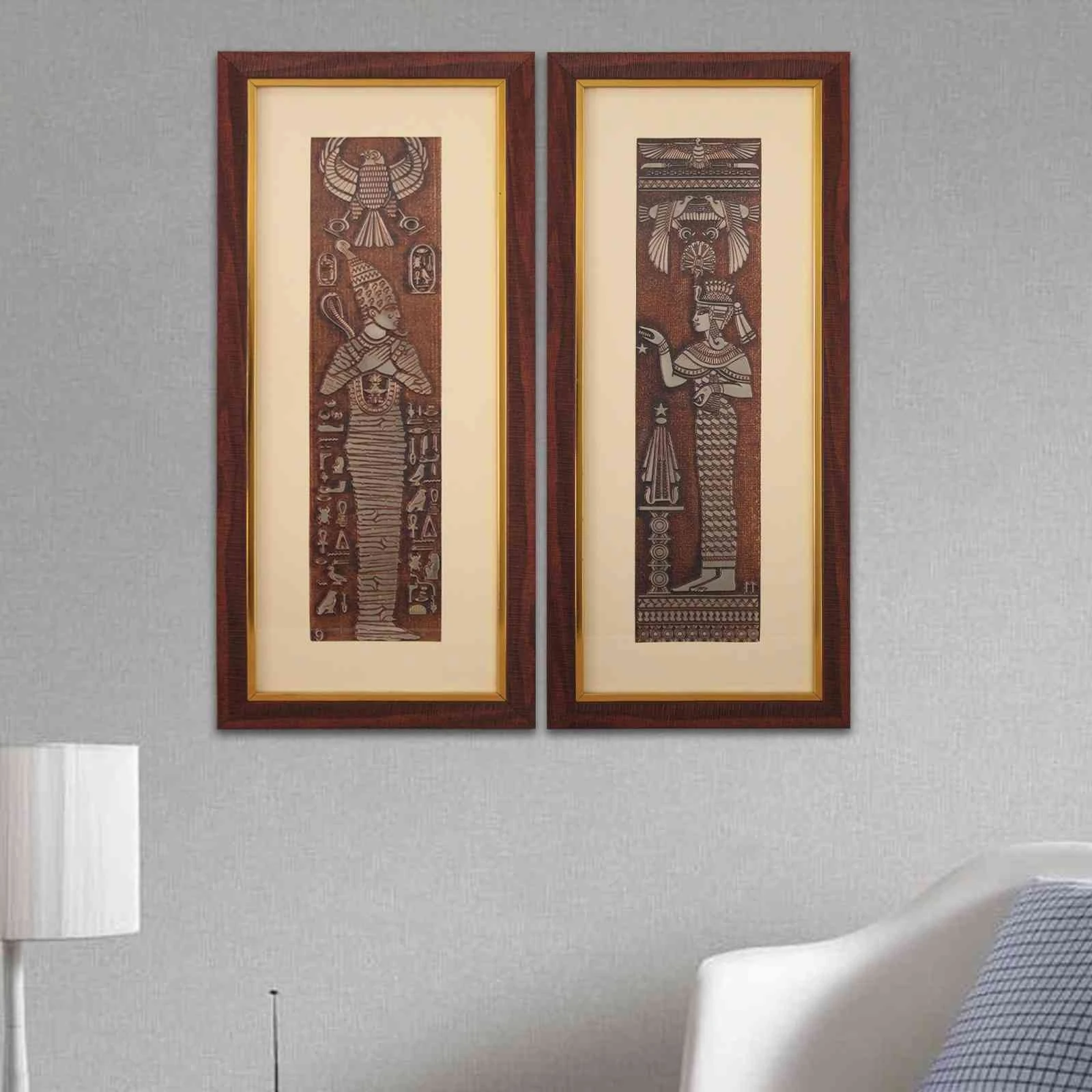
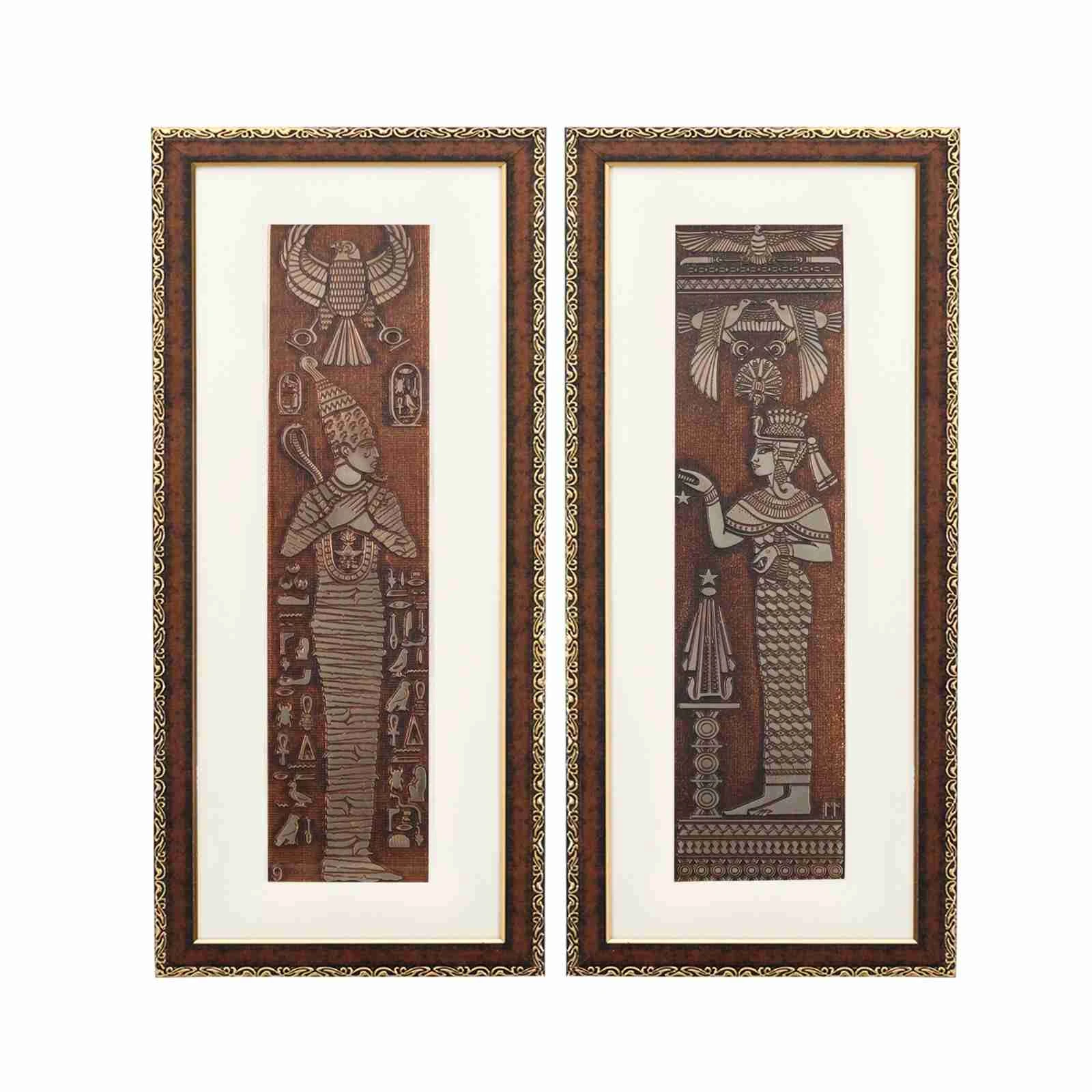
Paintings may feature abstract compositions, floral scenes, architecture, landscapes, historical themes, portraits, cultural subjects or other artistic concepts depending on the design.
They may be available as individual pieces or coordinated sets and can vary in dimensions, orientation, colours, framing and surface finish.
The right painting should be selected according to the available wall space, surrounding furniture, viewing distance, colour scheme and intended visual impact.
Modern Art Painting designs can bring artistic expression, contemporary colour combinations and distinctive visual themes into an interior.
Modern wall paintings may feature abstract shapes, floral compositions, architectural subjects, artistic figures and other contemporary interpretations.
These designs can work particularly well in living rooms, bedrooms, dining areas, offices and other spaces where artwork is intended to become an important part of the decor.
Before selecting a modern painting, consider the complete dimensions, dominant colours and the amount of visual detail already present in the room.
Abstract paintings focus on colours, shapes, lines and artistic composition rather than representing a subject in a completely realistic way.
They can work particularly well in contemporary and modern interiors where decorative artwork is expected to create visual interest.
Choose colours that either complement the room or provide a deliberate contrast.
Floral paintings can introduce botanical forms, softer colours and decorative natural themes into an interior.
They can work in bedrooms, living rooms, dining areas and entrance spaces depending on the design and colour palette.
Floral artwork can range from detailed representations to more modern artistic interpretations.
Landscape artwork may feature mountains, forests, countryside scenes, water, architecture or other outdoor environments.
These paintings can introduce visual depth and a nature-inspired element to living rooms, bedrooms and workspaces.
Architectural paintings may feature monuments, city scenes, historical buildings, streets or other visually distinctive structures.
These designs can be suitable for users who enjoy travel-inspired, historical or architectural decor themes.
Historical and culturally inspired artworks can introduce storytelling and distinctive visual detail into an interior.
They may work particularly well in studies, living rooms, galleries and interiors where artwork has a stronger thematic role.
Figurative artwork may focus on people, faces, activities or stylized human forms.
Depending on the design, these paintings can suit contemporary, traditional or artistic interiors.
Nature-inspired artwork can feature flowers, birds, trees, landscapes and other natural subjects.
These designs can help connect interior spaces with softer and more organic visual themes.
Statement paintings use scale, bold colours or distinctive artwork to attract immediate attention.
They work best where enough wall space is available around the artwork so the composition can remain visually prominent.
A single painting can create a clean and focused wall arrangement.
Large individual artworks can work particularly well above sofas, consoles, beds and sideboards where one visual feature is preferred.
Some artworks may be available as coordinated sets consisting of multiple pieces.
A painting set can create a wider composition across a wall and can be useful above sofas, beds, dining furniture and other larger arrangements.
Check the dimensions of each individual piece as well as the complete space required after allowing for gaps between panels.
Living rooms provide some of the best opportunities for using paintings as decorative focal points.
Artwork can be positioned above sofas, consoles or other suitable furniture depending on the layout.
A larger painting can create a strong feature on a spacious wall, while smaller artwork can be used as part of a more detailed arrangement.
Consider sofa width, wall dimensions and normal viewing distance before choosing the artwork size.
Bedroom paintings can introduce colour and personality while supporting the overall mood of the room.
Artwork can be positioned above a bed, dresser or another suitable wall section.
Consider softer colour combinations for calmer interiors or stronger artistic designs where you want a more expressive bedroom.
Paintings can add visual interest to dining-room walls without occupying valuable furniture space.
A horizontal artwork or coordinated set can work particularly well along larger dining-room walls.
Consider nearby furniture colours and lighting when choosing the artwork.
Entrance and foyer walls can use artwork to create an immediate decorative impression.
A distinctive painting above a console can help establish the interior style as soon as someone enters the home.
Choose dimensions that leave enough visual space around the artwork.
Artwork can add personality and visual interest to home offices and study spaces.
Consider artwork that complements the workspace without becoming overly distracting during work.
Vertical wall decor can also help personalize the office without using desk space.
Hallways can use smaller paintings or coordinated artwork to make long, otherwise plain walls more visually interesting.
Keep the artwork proportionate to the width of the hallway and avoid oversized pieces that make narrow areas feel crowded.
Modern interiors can work well with abstract compositions, contemporary themes and artwork featuring clean or expressive forms.
Neutral furniture can provide a useful background for stronger artwork colours.
Minimalist interiors generally benefit from fewer decorative elements and carefully selected artwork.
One visually balanced painting may create greater impact than several unrelated wall accessories.
Traditional rooms may suit culturally inspired artwork, classic subjects, landscapes and decorative compositions featuring warmer colours.
Coordinate artwork with wooden furniture, traditional fabrics and existing decorative details.
Contemporary interiors can use bold colours, abstract forms and visually distinctive modern artwork.
Look for paintings that complement the room while adding enough contrast to avoid disappearing into the background.
Eclectic interiors allow different colours, artistic styles and decorative influences to be combined.
Paintings can help connect different elements by repeating colours or themes already visible elsewhere in the room.
Begin by measuring the wall where the artwork will be installed.
Consider doors, switches, furniture, shelves and other decorative elements before deciding on the painting dimensions.
Leave enough open space around the painting so it does not appear crowded.
Painting size should remain proportionate to the wall and the furniture nearby.
A very small artwork can appear lost above a large sofa, while a very large piece may overwhelm narrow furniture or compact rooms.
Compare the complete artwork dimensions with the available area before purchasing.
Horizontal paintings can work well above sofas, beds and sideboards, while vertical designs may suit narrow wall sections and entrance areas.
Square artwork can provide greater placement flexibility depending on the room.
Look at your walls, furniture, curtains, cushions and other major colours already present in the room.
Artwork can repeat existing shades for a coordinated appearance or introduce contrasting colours to create a stronger focal point.
Choose artwork that you genuinely enjoy viewing and that works naturally with the intended room.
Floral, architectural, abstract, cultural and nature-inspired artwork can all create different visual moods.
Where a painting includes a frame or wrapped-canvas finish, consider how the edge treatment will coordinate with the room.
The finish can influence whether the artwork feels more modern, traditional or visually prominent.
Review the artwork dimensions, weight and hanging method before installation.
Use suitable hardware for the wall type and product weight and follow installation instructions where provided.
When selecting artwork for a sofa wall, consider the width of the sofa as a visual reference.
The artwork should feel connected to the seating arrangement rather than appearing extremely small or disproportionately wide.
Leave enough visual separation between the sofa and painting while keeping the two elements connected as one arrangement.
For multiple paintings, consider the complete width of the group rather than only the dimensions of each individual piece.
Start with the wall where the artwork will be most visible, such as above the bed or dresser.
Consider the width of the bed, wall colour, bedding and other furnishings before selecting the artwork.
A horizontal composition may work naturally above a wider bed, while smaller artworks can be arranged on narrower wall sections.
Choose imagery and colours that suit the atmosphere you want to create.
One larger artwork can provide a clean and powerful decorative feature.
This works particularly well above sofas, beds and consoles where a single visual anchor is needed.
Keep nearby wall accessories relatively limited so the painting remains prominent.
Multiple paintings can work together when they share a common colour, subject, framing style or visual theme.
Maintain consistent spacing where possible to make the arrangement appear intentional rather than random.
Consider the material, colour and scale of furniture below or near the artwork.
Artwork does not need to match the furniture exactly, but repeating selected tones can help connect different parts of the room.
Artwork can introduce stronger colours into neutral interiors without permanently changing walls or larger furniture.
Small colour references can then be repeated through cushions, accessories or other Decor to create a more connected arrangement.
Not every section of a wall needs to be covered.
Leaving open space around artwork can make individual paintings easier to appreciate and prevent the room from appearing visually crowded.
Modern and traditional paintings can both enhance an interior, but they often create different visual effects.
Modern Art Painting designs may focus on contemporary subjects, artistic interpretations, expressive compositions and updated visual styles.
Traditional-style paintings may feature classic subjects, cultural themes, detailed imagery or familiar decorative compositions.
Choose according to the room's overall style and the type of artwork you personally prefer.
Paintings and posters can both decorate walls but usually provide different visual appearances.
Paintings often emphasize artistic composition, texture or canvas-style presentation, while posters generally focus more on printed graphics, photographs, illustrations or typography.
The better option depends on your preferred appearance, room style, available space and budget.
Paintings are one type of wall decoration, while broader wall art can include frames, decorative panels, wall hangings and other artistic formats.
Explore Wall Art and Paintings where you want to consider additional wall-decoration options alongside paintings.
Combining different types of wall decor can create visual depth, but maintain enough consistency in colour, material or theme to prevent the wall from becoming overly busy.
Artwork can help make offices and workspaces feel more visually complete without occupying valuable desk or floor space.
Abstract, architectural and nature-inspired paintings can all be considered according to the style and purpose of the workspace.
Position artwork where it adds interest without interfering with monitors, shelves, notice boards or other essential working elements.
Paintings can be considered for housewarming, wedding, anniversary and other home-oriented gifting occasions.
Artwork is highly personal, so consider the recipient's interior style, preferred colours and available wall space before making a selection.
Neutral or versatile compositions may be easier to coordinate when the recipient's exact preferences are not known.
More distinctive artwork can be selected when you already understand the person's artistic preferences.
Before installation, identify the intended wall position and check the complete artwork dimensions.
Use mounting hardware appropriate for the wall type and product weight.
Make sure the artwork sits securely and remains visually level after installation.
Where multiple paintings are displayed together, plan their arrangement before making permanent wall fixings.
Dust can accumulate on frames and artwork surfaces over time.
Use a cleaning method suitable for the specific artwork material and finish.
Avoid unnecessary exposure to moisture unless the artwork is specifically designed for that environment.
Excessive humidity may affect certain frames, canvas materials or decorative finishes.
Do not apply harsh household cleaners directly to painted, printed or canvas artwork unless specifically recommended by the manufacturer.
Support larger paintings properly when moving or repositioning them.
Avoid holding heavy artwork only by decorative frame elements that may not be designed to carry its complete weight.
Check periodically that the artwork remains securely mounted.
This is particularly important for larger and heavier wall pieces.
Start by choosing Paintings according to the available wall size, preferred colours and interior style.
Explore Modern Art Painting designs where contemporary artistic compositions suit your space.
For additional wall-decoration options, browse Wall Art and Paintings and coordinate different wall elements carefully.
Keep artwork proportionate to nearby furniture and leave enough open wall space so each decorative piece remains visually clear.
Bring colour, artistic expression and visual character to living rooms, bedrooms, dining spaces, offices and entrance areas with Paintings.
Explore artwork according to your preferred subject, colour palette, dimensions, orientation and intended room.
Browse Modern Art Painting options for contemporary wall decor and artistic interior arrangements.
Compare the artwork dimensions, colour palette, framing or finish, mounting requirements and available wall space before making a selection.
You can also explore Wall Art and Paintings and the wider Decor collection to coordinate artwork with other decorative elements throughout your home.