

Modern Art Painting 2 Products

- Filter
- Product Type
- Size
- Rating
- Sort
- Delivery
- Discount
- Color
- Brand
Give plain walls a distinctive artistic identity with thoughtfully selected modern art paintings. Modern artwork can introduce colour, visual depth, creativity and personality into an interior while helping connect furniture, furnishings and other decorative elements within the room.
From floral compositions and architectural artwork to artistic figures, historical-inspired designs and decorative wall paintings, different themes can help create different moods within your home.
At InteriorChowk, explore Modern Art Painting as part of the Paintings collection. Choose artwork according to the available wall space, colour palette, interior style and the type of visual impact you want to create.
Modern art painting refers to artwork that uses contemporary artistic ideas, compositions, subjects, colours and visual treatments to decorate interior walls.
Depending on the design, modern wall paintings may feature flowers, architecture, historical subjects, figurative artwork, abstract forms, decorative patterns or other creative compositions.
Modern paintings can be used as subtle decorative additions or as larger statement pieces that become the focal point of a room.
The right artwork should be selected according to its dimensions, orientation, dominant colours, surrounding furniture and the amount of visual detail already present within the space.
Floral artwork can introduce flowers, botanical forms and natural-inspired compositions into an interior.
Modern floral paintings may use realistic flowers, stylized arrangements, decorative bouquets or more artistic interpretations of botanical subjects.
These paintings can work particularly well in living rooms, bedrooms, dining spaces and entrance areas where softer decorative elements are preferred.
Architectural paintings may feature monuments, towers, historic buildings, city scenes or other recognizable structures.
They can be suitable for users who enjoy travel-inspired or architecture-focused wall decor.
Architectural artwork can work particularly well in living rooms, studies, offices and larger wall arrangements.
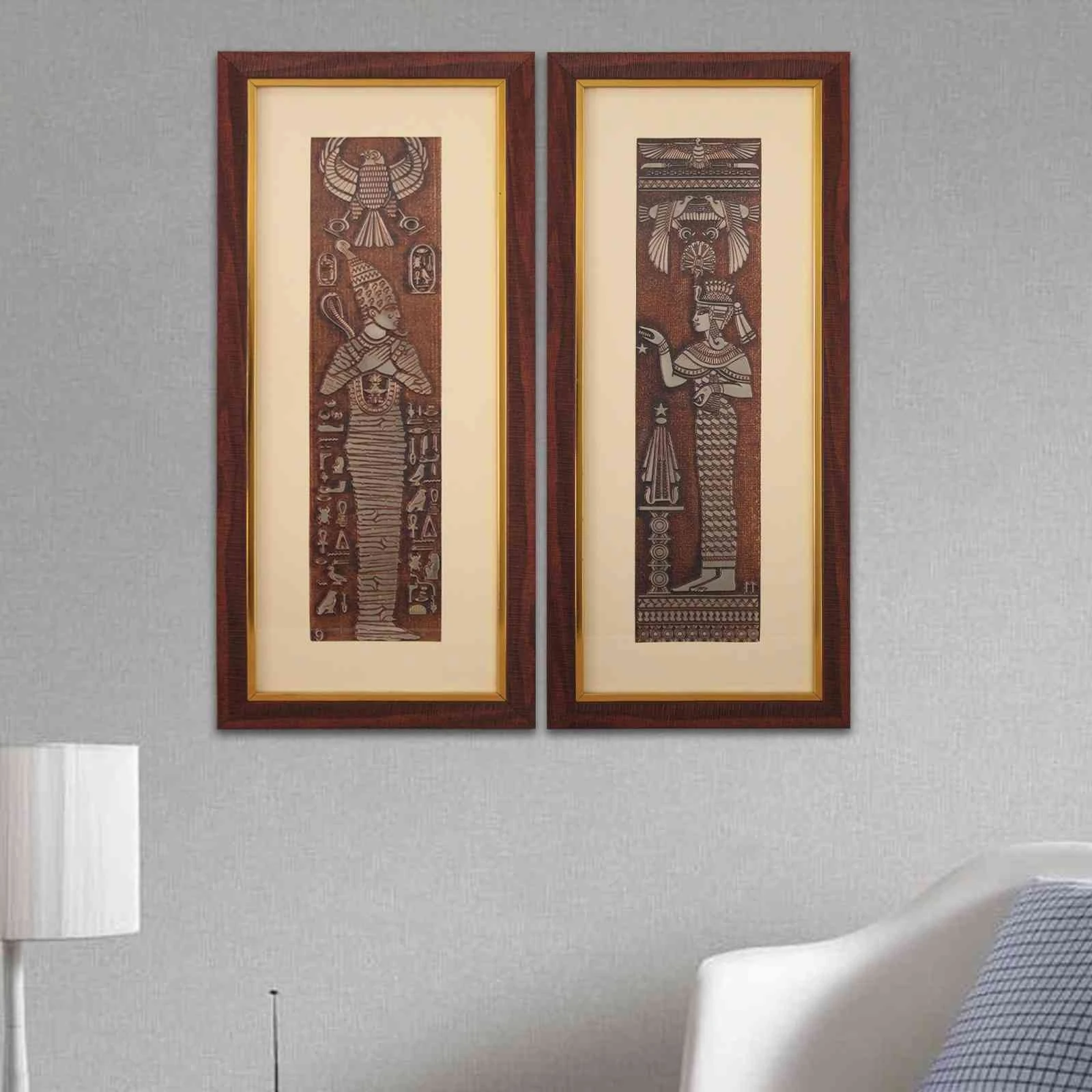
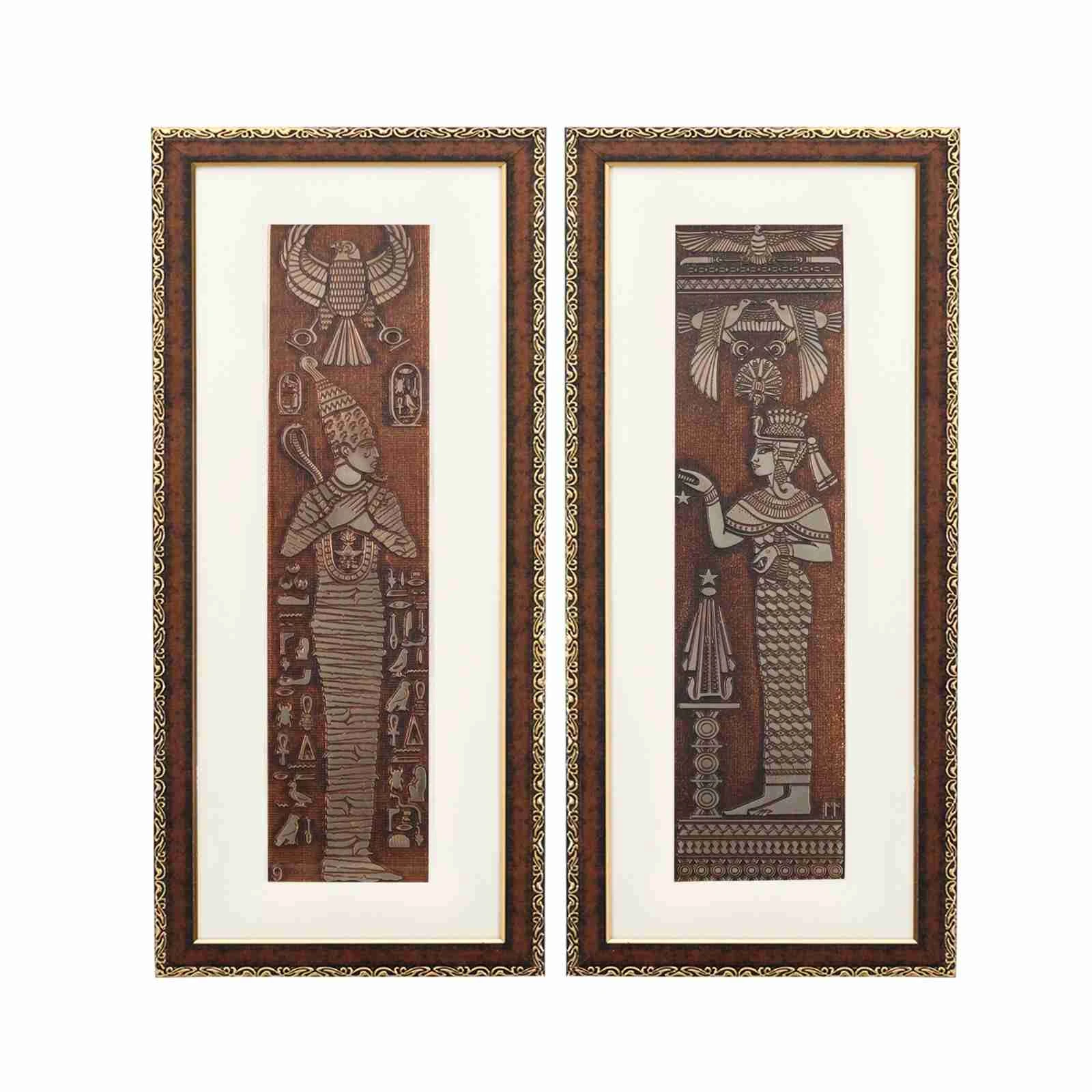
Historical-inspired paintings can feature ancient civilizations, figures, traditional imagery or decorative interpretations of historic subjects.
These artworks can introduce storytelling and visual detail into a room while serving as distinctive decorative pieces.
They can work well in living rooms, studies, entrance spaces and interiors where artwork is intended to attract attention.
Figurative art focuses on people, faces, activities or recognizable forms presented through an artistic composition.
Depending on the artwork, figurative paintings can create dramatic, elegant, expressive or contemporary visual effects.
Abstract modern art uses colour, shape, form and composition rather than focusing entirely on realistic subjects.
Abstract paintings can be considered for contemporary and minimalist interiors where visual expression is more important than representing a specific scene.
When choosing abstract artwork, consider the colour palette and how strongly you want the painting to contrast with the surrounding room.
Nature-inspired modern art may include flowers, landscapes, plants, birds or other natural elements interpreted through different artistic styles.
These themes can introduce softer organic forms into interiors containing strong architectural lines and structured furniture.
Some decorative paintings may use foil, embossed detailing or textured visual treatments to create additional surface interest.
These designs can interact differently with surrounding light and may appear more decorative than completely flat artwork.
Consider where natural and artificial light falls before deciding on the final placement.
A single painting can create a clean and focused wall arrangement.
One larger artwork may work particularly well above a sofa, bed, console or sideboard where the wall needs one strong decorative feature.
Single paintings can also be easier to position where the available wall space is limited.
Some modern artwork may be available as coordinated sets containing multiple individual pieces.
Multi-piece painting sets can create a wider visual composition across larger walls and may be suitable above sofas, beds and dining furniture.
Before purchasing a set, check the dimensions of every individual piece and calculate the complete wall space required after allowing for gaps between each artwork.
Living rooms provide excellent opportunities for displaying modern artwork because they often contain larger visible walls and major furniture pieces that can visually anchor a painting.
A modern painting can be positioned above a sofa, console or suitable sideboard depending on the room layout.
For larger living rooms, consider artwork with enough scale and visual detail to remain noticeable from the primary seating area.
In more compact rooms, a medium-sized painting can create artistic interest without overwhelming the wall.
Modern paintings can introduce colour and personality into bedrooms while complementing bedding, curtains and furniture.
Artwork can be placed above a bed, dresser or another suitable wall section.
Floral and softer artistic themes may suit calmer bedrooms, while stronger compositions can create a more expressive interior.
A modern painting can make an empty dining-room wall more visually interesting without taking up table space.
Horizontal paintings and coordinated sets can work particularly well along wider walls near dining furniture.
Consider the artwork colours in relation to the dining table, chairs, lighting and nearby furnishings.
Entrance and foyer areas can use modern artwork to create an immediate decorative impression.
A visually distinctive painting above a console can help establish the style of the home as soon as someone enters.
Keep enough open wall space around the artwork so that it does not appear crowded.
Artwork can personalize a home office while keeping the desk and floor free for practical use.
Architectural, abstract, floral and other modern compositions can all work depending on the workspace design.
Avoid artwork that feels visually distracting if it is positioned directly within your primary working view.
Study rooms can use artwork to make functional spaces feel less plain.
Choose a painting proportionate to the room and keep the wall arrangement relatively simple where concentration and visual clarity are important.
Hallways can use smaller paintings or coordinated sets to add interest to long walls.
Narrow spaces generally benefit from artwork that remains proportionate to the available width and does not make the passage feel visually crowded.
Modern interiors can work well with clean compositions, distinctive shapes, contemporary subjects and carefully selected colour contrasts.
Artwork can either reinforce the existing neutral palette or introduce a stronger accent colour.
Minimalist rooms generally benefit from fewer decorative objects and carefully selected statement pieces.
One modern painting can provide enough artistic interest without requiring several competing wall accessories.
Contemporary interiors can support expressive artwork, bold compositions, unusual themes and decorative finishes.
Consider artwork that adds visual contrast while still connecting with furniture and furnishings elsewhere in the room.
Modern art can also work within traditional interiors when colours, subject matter or decorative details connect naturally with existing furniture.
Historical-inspired and floral artwork can provide a useful bridge between traditional furniture and more contemporary wall styling.
Eclectic spaces can combine artwork from different styles and visual influences.
Repeat selected colours or materials elsewhere in the room to help diverse decorative elements feel connected rather than random.
Measure the wall section where you intend to place the painting before choosing an artwork.
Account for nearby switches, shelves, furniture, doors and other wall accessories.
Leave enough empty space around the painting so that the artwork remains clearly visible.
Artwork should remain proportionate to both the wall and the furniture nearby.
A very small painting can appear disconnected above a large sofa, while oversized artwork may dominate compact furniture.
Compare the complete dimensions with the available space rather than judging scale only from product photographs.
Horizontal artwork can work well above sofas, beds, sideboards and wider furniture pieces.
Vertical paintings can suit narrow wall sections, entrance areas and spaces between furniture.
Square formats can provide flexibility depending on the wall proportions.
Look at the major colours already present in the room, including wall paint, sofas, curtains, cushions, rugs and furniture.
A painting can repeat some of these shades to create continuity or introduce contrasting colours to become a stronger focal point.
Artwork is highly personal, so choose a subject that you genuinely enjoy viewing.
Floral, historical, architectural, abstract and figurative compositions can all create very different moods.
A room containing patterned furnishings, detailed furniture and multiple decorative accessories may benefit from simpler artwork.
In a more minimal interior, a detailed painting can become the primary decorative feature.
Review whether the artwork has a flat, embossed, foil, framed or other decorative finish where that information is provided.
Surface texture and reflective details can influence how the painting appears under different lighting conditions.
Review the complete dimensions, weight and hanging method before installation.
Use mounting hardware appropriate for the wall type and the weight of the artwork.
The sofa can act as a useful visual reference when selecting artwork for a living-room wall.
A painting should feel visually connected to the sofa rather than appearing extremely small or disproportionately large.
Consider the complete width of the artwork or painting set and compare it with the furniture below.
Leave enough separation between the furniture and artwork while keeping them visually connected as one arrangement.
Start by considering the width of the bed and the amount of wall space available above the headboard.
Horizontal artwork can often work naturally above wider beds, while multiple smaller paintings can create a coordinated composition.
Choose colours that complement the bedding, curtains and bedroom furniture.
Make sure the artwork is installed securely using suitable wall fixings.
One distinctive artwork can provide enough visual interest for an entire wall.
This approach can work particularly well in living rooms and bedrooms where a clean wall arrangement is preferred.
Multiple coordinated paintings can create a wider decorative composition.
Maintain consistent spacing and alignment to help the final arrangement appear intentional.
Look at nearby furniture colours, materials and proportions before selecting artwork.
The painting does not need to match the furniture exactly, but repeating selected colours can help visually connect the arrangement.
Modern art can introduce stronger colours into neutral interiors without permanently changing the wall paint.
Small references to these colours can then be repeated through cushions, furnishings or other Decor to create greater visual continuity.
Avoid filling every available wall section with decorative objects.
Empty space around a modern painting can make its composition more visible and help the overall room feel less cluttered.
Modern and traditional paintings can both enhance interior walls but often create different visual impressions.
Modern Art Painting may use contemporary compositions, artistic interpretations and updated decorative treatments.
Traditional paintings may focus more heavily on classic artistic themes, cultural subjects or familiar decorative styles.
Choose according to the room's overall character and your personal preference rather than assuming one style is suitable for every interior.
Modern art paintings and Posters can both decorate walls, but their presentation and visual effect can differ.
Paintings may emphasize artistic surfaces, decorative finishes and more substantial wall-art presentation.
Posters generally focus on printed imagery, illustration, photography or graphic design depending on the product.
Choose according to the style, presentation and visual impact you want.
Modern paintings are one form of wall decoration, while wall art is a broader term that can include paintings, frames, decorative panels and other wall-mounted accessories.
Explore Wall Art and Paintings where you want to compare other artistic wall-decoration options.
Different wall-decor formats can be combined, but maintaining consistency in colour, theme or visual style can help prevent the wall from feeling busy.
Modern paintings can make offices and workspaces feel more visually complete without occupying desk or floor space.
Architectural, floral, abstract and other artistic subjects can be selected according to the character of the workspace.
Position artwork where it adds interest without interfering with monitors, shelving, presentation screens or other functional elements.
Modern art paintings can be considered for housewarming, wedding, anniversary and other home-oriented gifting occasions.
Because artwork preferences are personal, consider the recipient's interior style, preferred colours and available wall space.
More neutral compositions can be easier to coordinate where their exact preferences are not known.
Distinctive historical, floral or artistic designs may be more suitable when you already understand the recipient's decorating preferences.
Plan the final position before making permanent wall fixings.
Check the artwork dimensions, weight and hanging mechanism and use suitable mounting hardware for the wall type.
Make sure the painting remains level and securely supported after installation.
When installing a painting set, plan the spacing and alignment of all individual pieces before hanging the first one.
Dust may collect on frames and decorative surfaces over time.
Use a cleaning method suitable for the specific artwork material and finish.
Avoid unnecessary moisture unless the artwork is specifically designed for that environment.
Humidity can affect some frames, backing materials and decorative surfaces.
Do not apply household cleaners directly to artwork surfaces unless the manufacturer specifically recommends them.
Textured, embossed and foil-finished artwork may require more careful handling than completely flat surfaces.
Avoid rubbing decorative details aggressively during cleaning.
Periodically check that the artwork remains securely installed.
This is particularly important for larger paintings and multi-piece sets.
Start with a Modern Art Painting that suits the dimensions, colours and character of your room.
Explore the broader Paintings category when comparing different artwork styles and decorative themes.
You can also browse Wall Art and Paintings for other wall-art options that can complement your painting arrangement.
Coordinate artwork with suitable Decor while keeping enough visual space between individual decorative elements.
Add artistic character, colour and visual interest to living rooms, bedrooms, dining areas, offices and entrance spaces with Modern Art Painting.
Explore decorative themes including floral compositions, architectural subjects, historical-inspired imagery and artistic wall designs according to your personal preferences.
Compare artwork dimensions, orientation, colour palette, finish, mounting requirements and available wall space before making a selection.
Browse the parent Paintings collection and explore Wall Art and Paintings for additional ideas for decorating different walls throughout your home.
Choose artwork that complements your furniture, suits the available wall dimensions and reflects the visual character you want to create within your home.