

Vastu Protective Elements 9 Products

- Filter
- Product Type
- Size
- Rating
- Sort
- Delivery
- Discount
- Color
- Brand
Explore thoughtfully selected Vastu protective elements for entrances, living spaces, offices, prayer areas and other suitable interiors. From Nazar Battu and evil-eye wall hangings to Bagua mirrors, Trishakti symbols and symbolic decorative objects, these products combine traditional beliefs with decorative applications.
Protective symbols are commonly used according to Vastu, cultural, spiritual and Feng Shui-related traditions. Their meaning and placement can vary according to personal beliefs and individual practices.
At InteriorChowk, explore Vastu Protective Elements from the Vastu collection. Compare the material, dimensions, design, installation method and intended placement before choosing a product for your space.
Vastu protective elements are symbolic products traditionally associated with protection, Nazar-related beliefs, spiritual practices and the decorative arrangement of homes and workplaces.
Products may include Nazar Battu, evil-eye charms, Bagua-style mirrors, Trishakti or Trishul symbols, pyramids, symbolic figurines and other traditional decorative objects.
Some pieces are designed for wall or door display, while others may work as tabletop or shelf decor.
Claims related to protection from negative energy, luck, prosperity or similar outcomes should be understood as traditional or belief-based associations rather than scientifically guaranteed results.
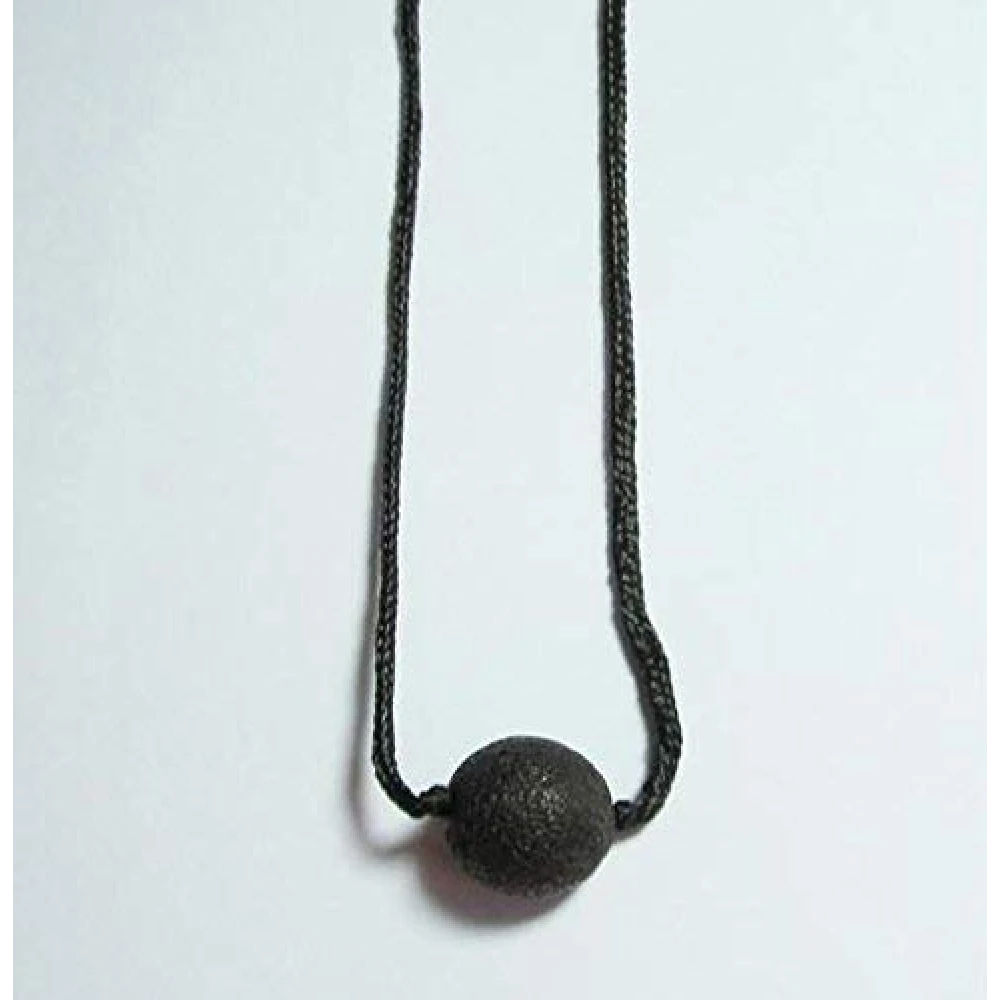
Nazar Battu and Nazar Raksha Kavach are traditionally associated with beliefs related to protection from Nazar or the evil eye.
These products may be designed for wall, entrance or doorway display depending on their individual construction.
Before purchasing, check the product dimensions, material, hanging arrangement and intended placement.
Their protective significance belongs to traditional belief systems and should not be treated as a guaranteed physical or practical form of protection.
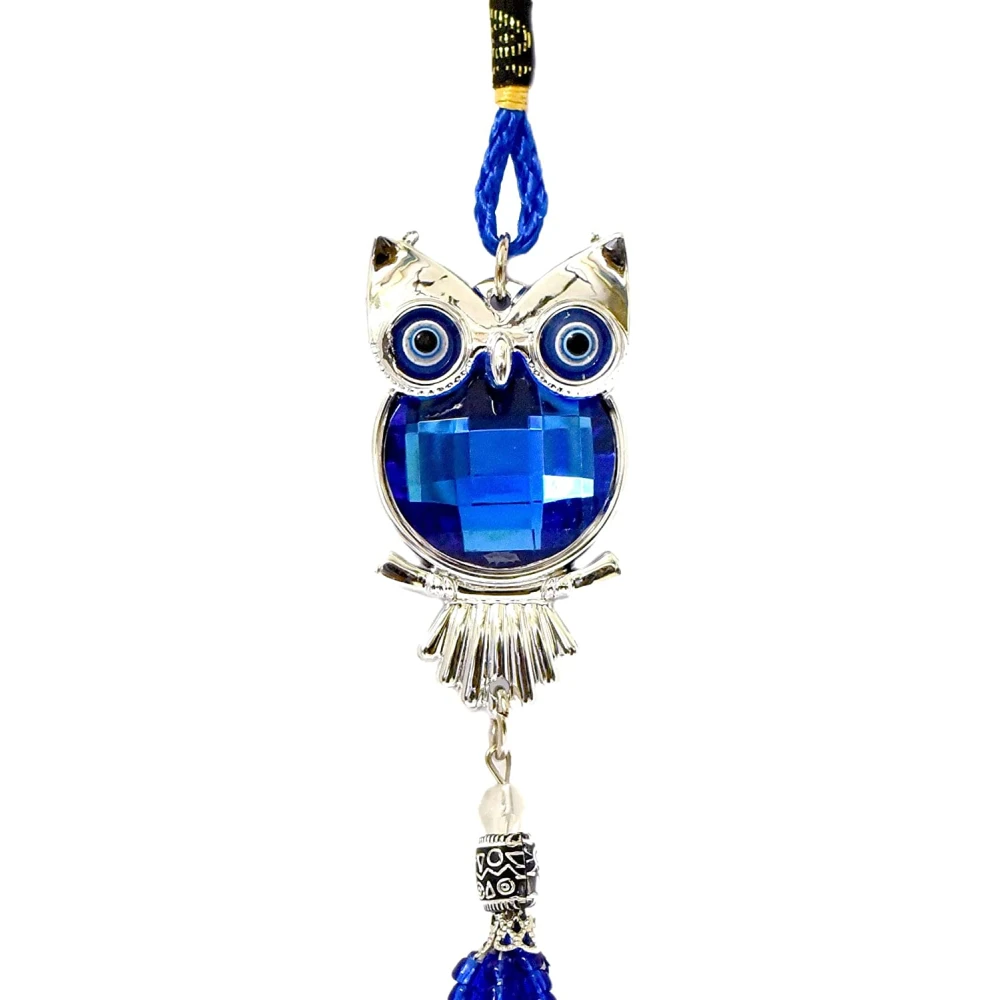
Evil-eye wall hangings typically feature the recognisable blue-eye motif commonly used within different cultural traditions.
They can add a distinctive blue accent to entrance walls, living spaces and other suitable decorative areas.
Check the complete hanging length and mounting requirement before selecting a location.
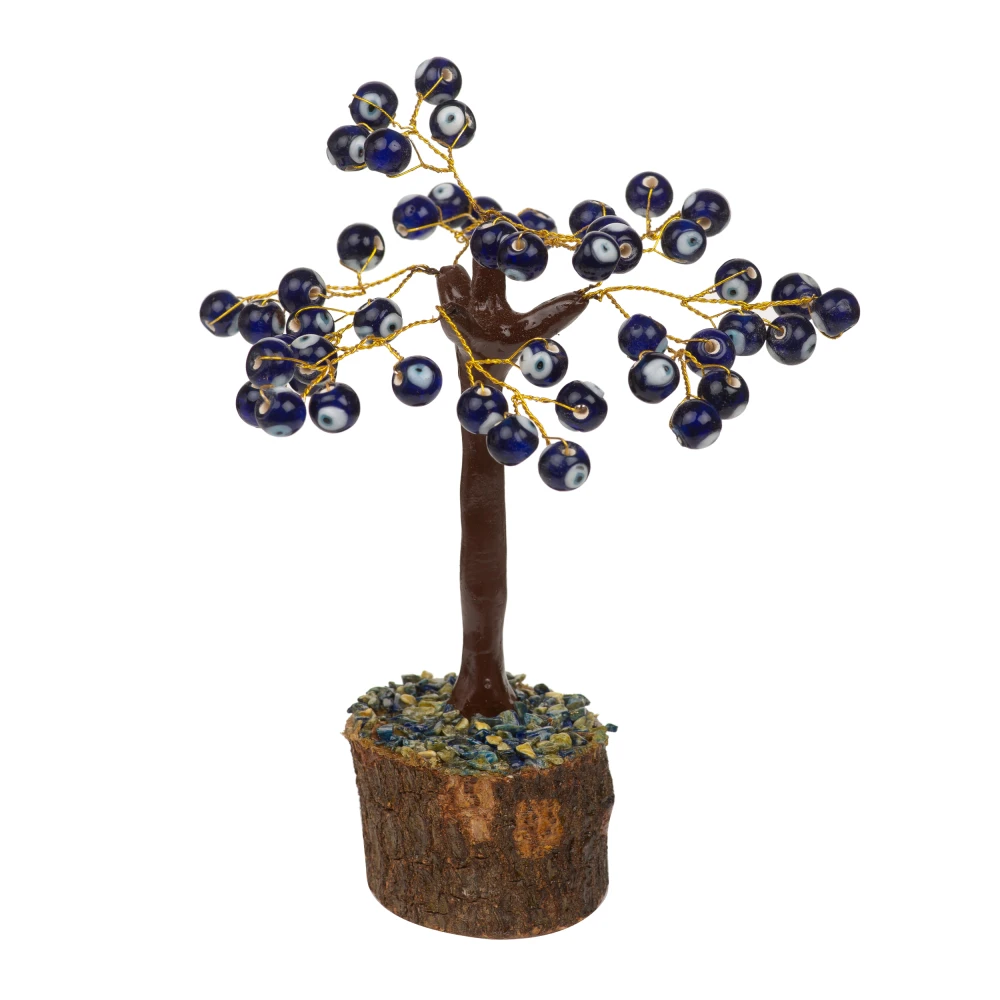
Evil-eye tree designs combine the eye symbol with a decorative tree structure to create a more detailed tabletop or showpiece-style product.
These pieces can be considered for shelves, consoles, office furniture and suitable decorative arrangements.
Make sure the base is stable and the product has enough surrounding space so its complete design remains visible.
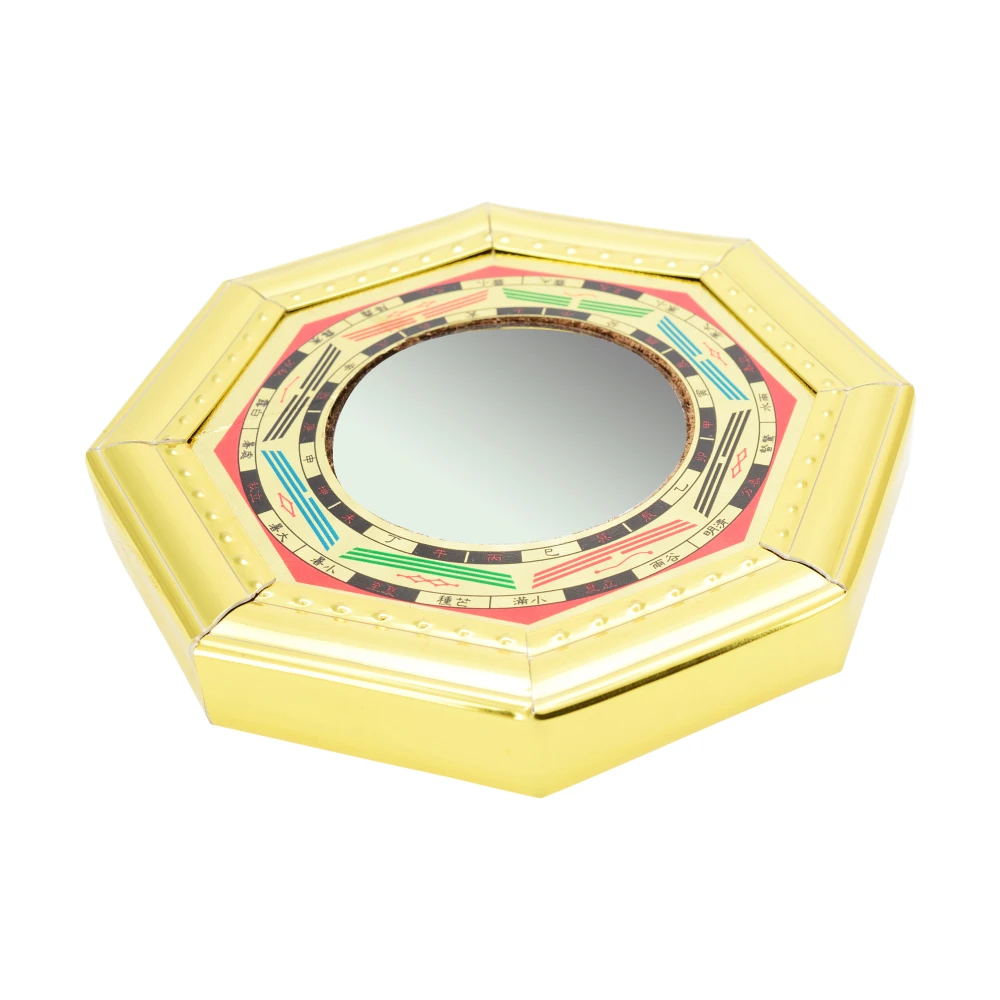
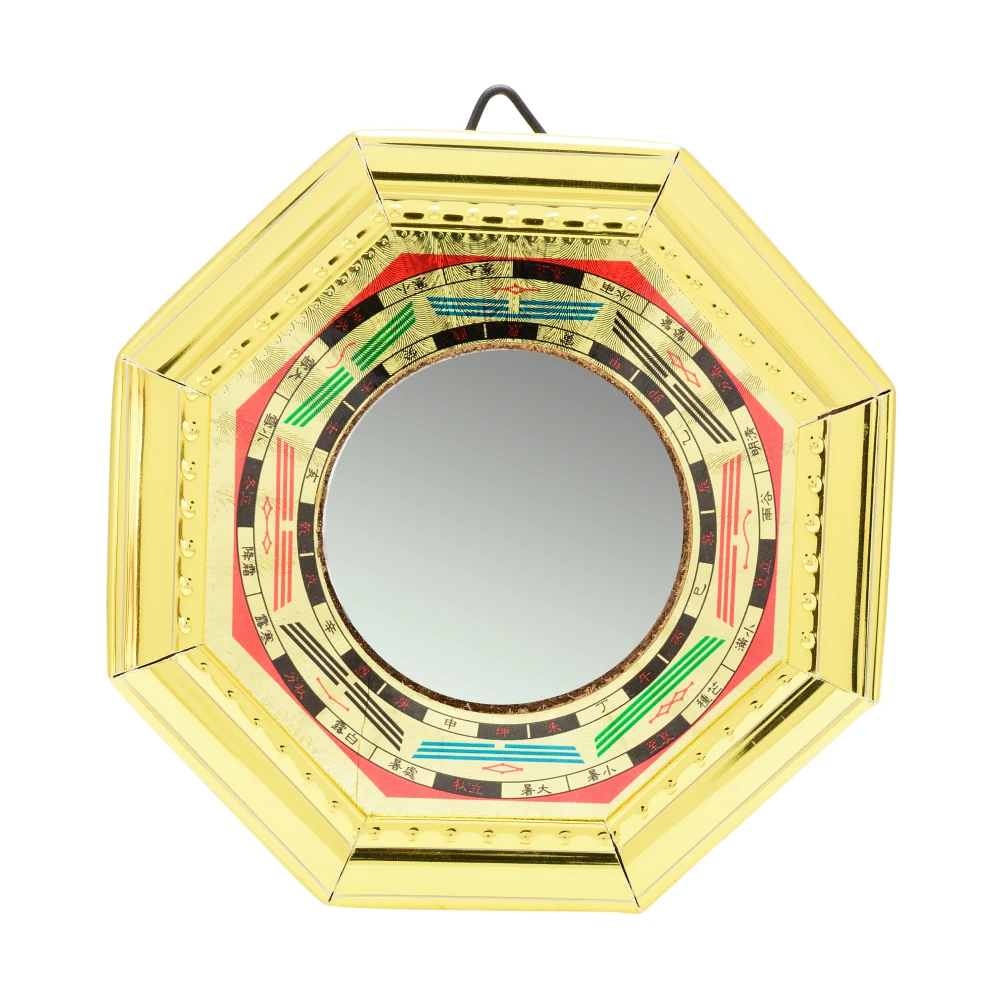
Bagua-style mirrors are traditionally associated with Feng Shui practices and symbolic protection.
Decorative versions may combine a central mirror with geometric forms, coloured borders and symbolic detailing.
Before installation, check the dimensions, mounting method and intended orientation of the individual product.
Where traditional Feng Shui placement is important, consider guidance from a knowledgeable practitioner rather than relying only on general product descriptions.
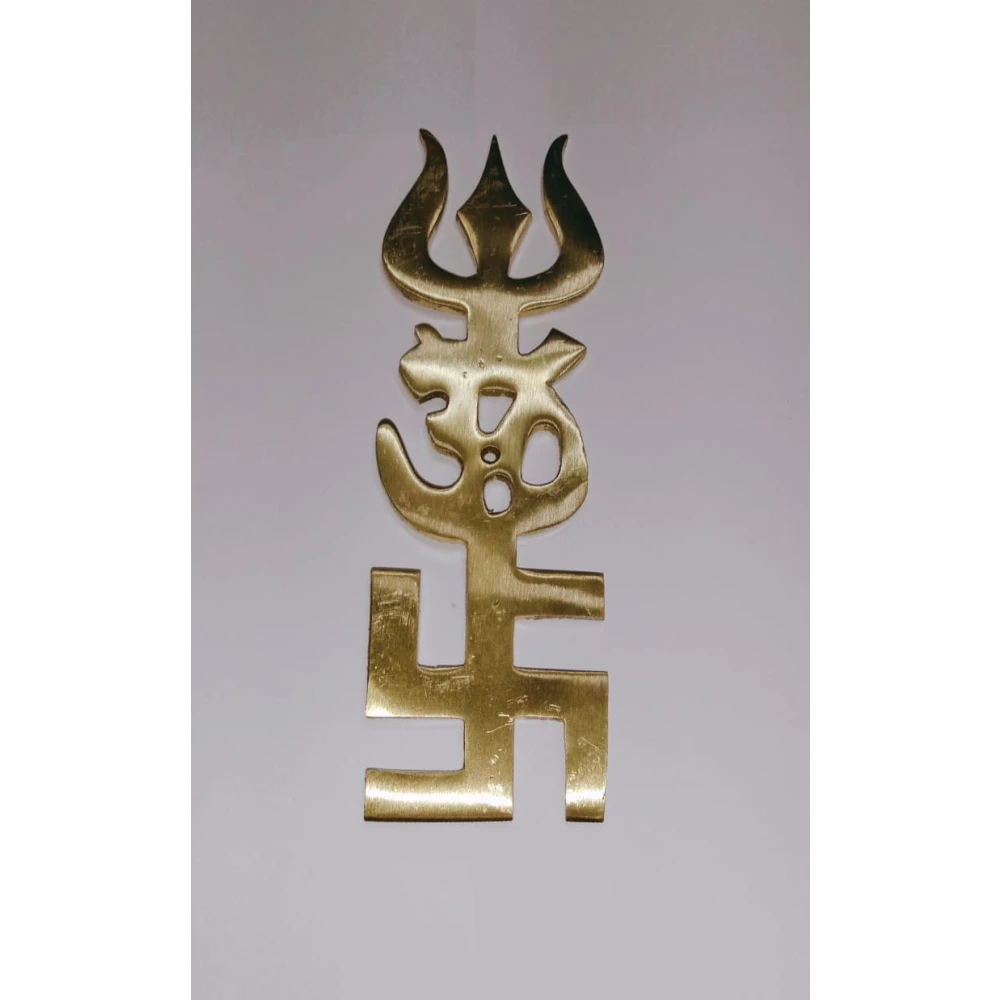
Trishakti and Trishul-inspired wall decor can incorporate traditional spiritual symbols within compact metallic designs.
These pieces may be considered for suitable prayer spaces, entrances or traditional interior arrangements according to personal preferences.
Check whether the item is designed specifically for wall mounting and use suitable installation hardware.
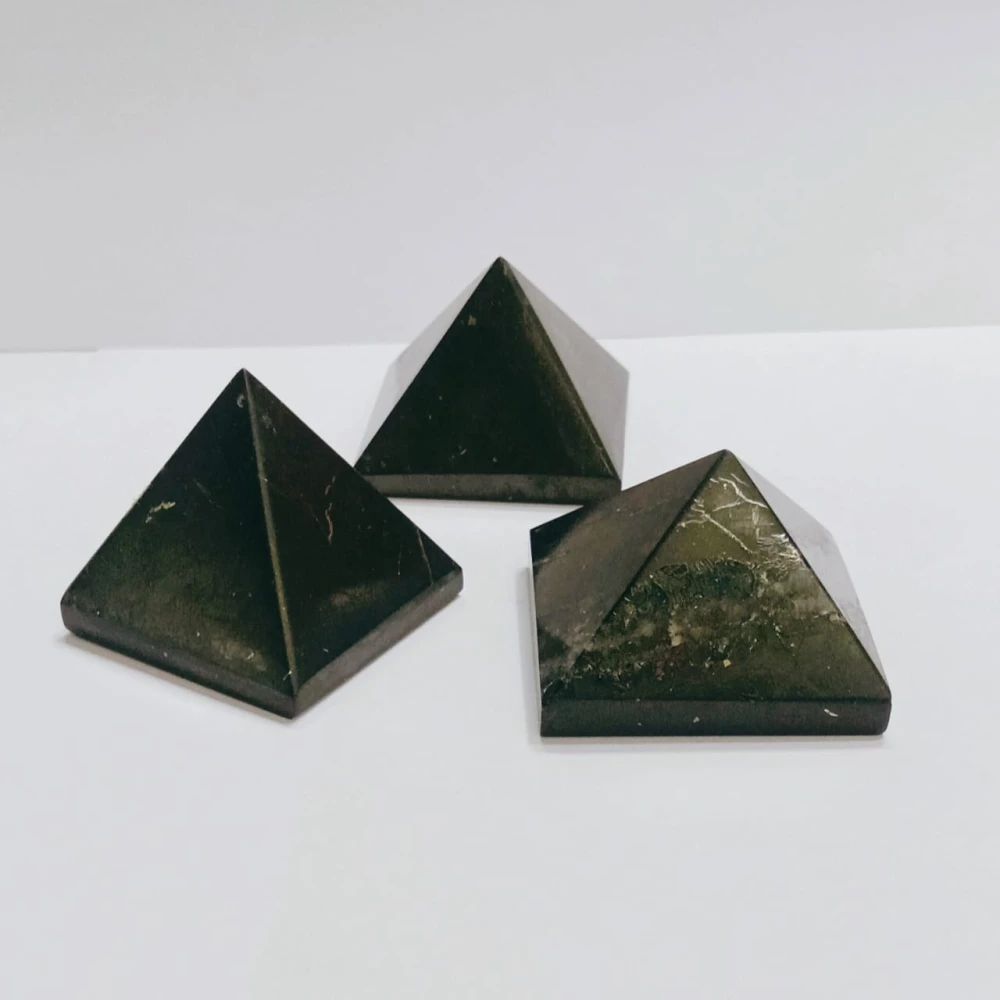
Pyramids made from stone, crystal-style or other materials may also appear within protective Vastu collections.
They can function as small decorative objects for shelves, desks, prayer spaces or meditation areas.
Products marketed with protection or healing claims should be understood within traditional or alternative-belief contexts rather than as scientifically proven solutions.
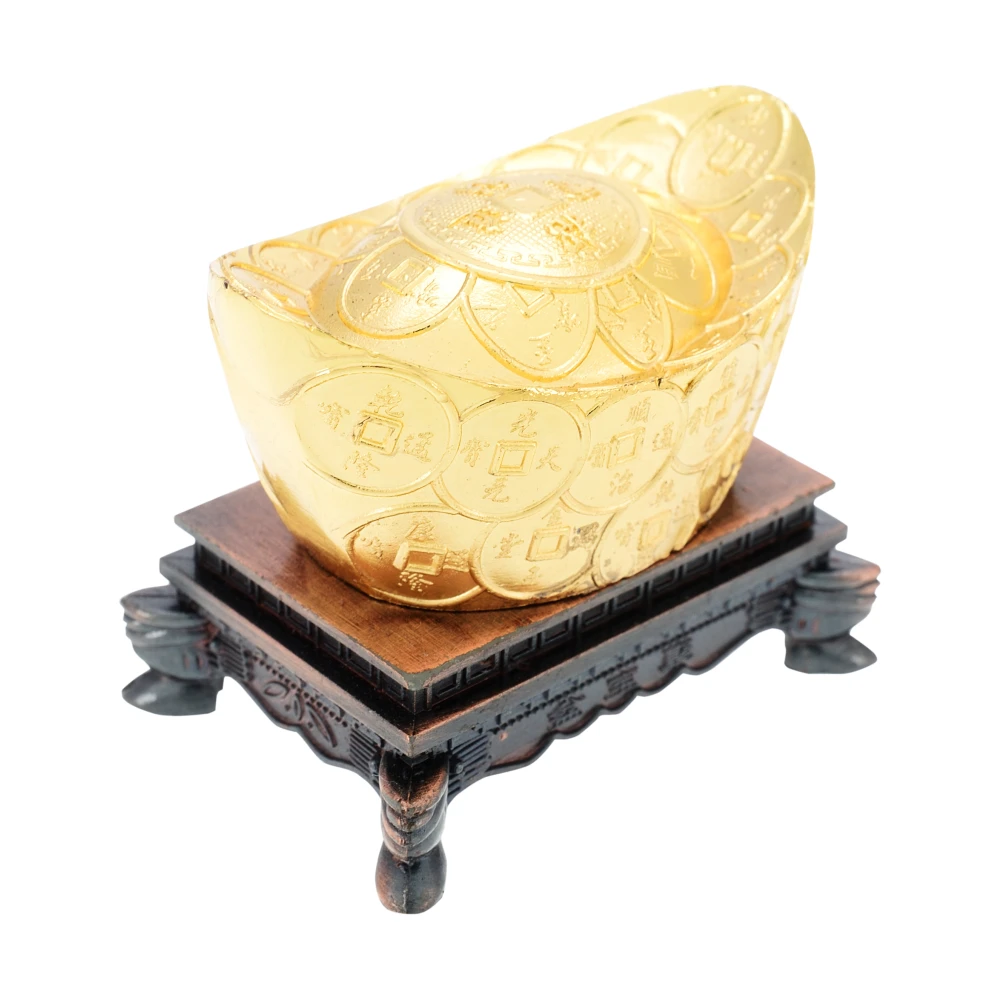
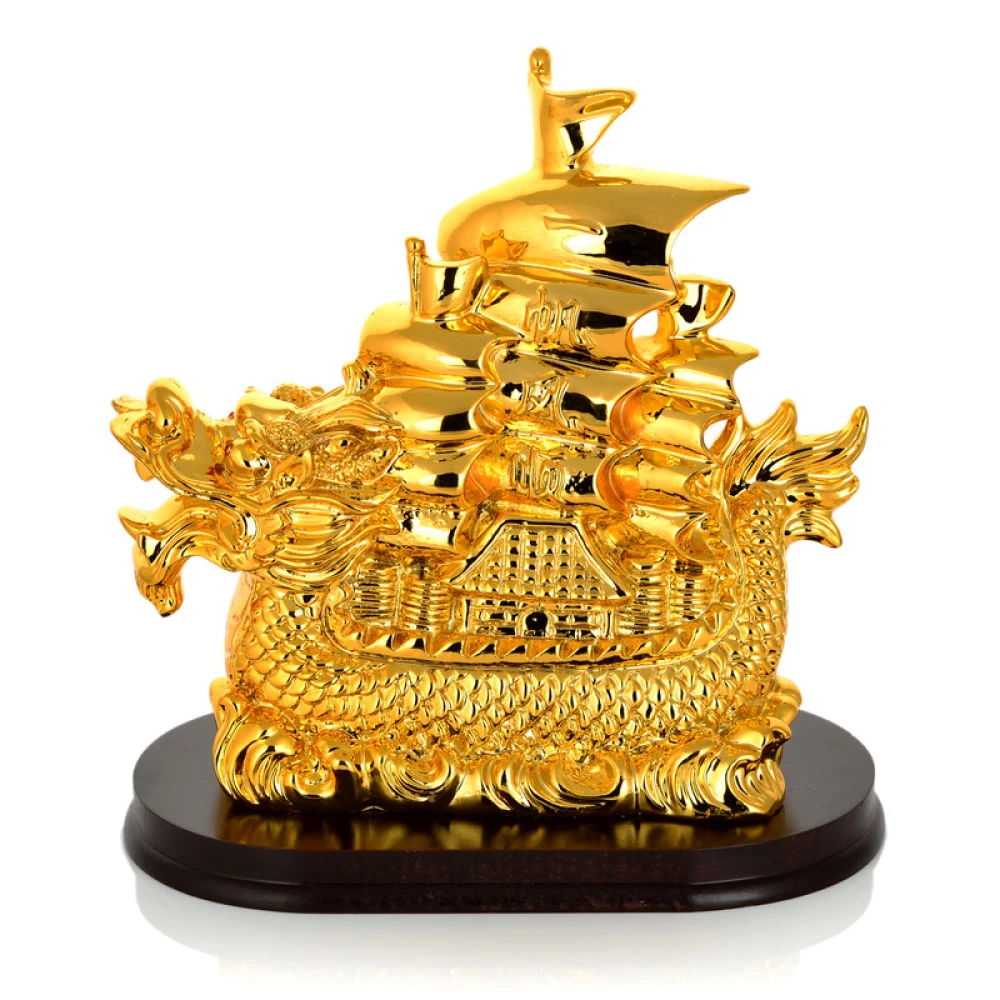
Some protective-element collections may also include Feng Shui-inspired objects such as symbolic boats, figurines and other decorative forms.
These pieces are often marketed with associations related to luck, prosperity or success.
Such meanings should be treated as traditional beliefs, while the product itself can also be selected simply for decorative appeal.
Entrance areas are commonly chosen for symbolic protective decor according to different household traditions.
Nazar Battu, evil-eye hangings, Trishakti symbols and Bagua-style products may be considered where their size and installation method suit the available entrance space.
Make sure the product does not interfere with doors, locks, bells, switches or regular movement.
For specific Vastu direction or placement recommendations, professional guidance may be more appropriate than applying general rules to every home.
Protective symbols can also become part of living-room decor when their appearance suits the overall interior style.
Evil-eye trees, symbolic figurines and compact pyramids may work on shelves or consoles, while wall hangings can add detail to suitable empty walls.
Keep the arrangement controlled so that symbolic decor complements rather than overwhelms the room.
Compact symbolic products can be considered for office desks, shelves and cabinets according to personal beliefs.
A small pyramid, decorative figurine or evil-eye tree can add visual interest without occupying significant workspace.
Keep practical items such as monitors, documents and cables unobstructed.
Traditional symbols may also be incorporated into suitable prayer areas according to household practices.
Select products that fit comfortably within the available space and leave regularly used prayer accessories accessible.
Keep decorative items safely away from diyas, incense, candles and other sources of flame or excessive heat.
Wall-mounted protective decor can be useful where tabletop space is limited.
Before installation, check the item's width, height, complete hanging length and weight.
Select mounting hardware suitable for both the wall material and product weight.
Avoid hanging products where they may repeatedly strike a door, wall or nearby object during normal movement.
Different products can carry different cultural or traditional meanings.
Before choosing an item, understand whether it features an evil eye, Trishakti, Trishul, Bagua, pyramid or another symbolic form.
Select symbols according to your personal beliefs and preferences.
Determine whether the product will be displayed at an entrance, on a wall, on a door, on a shelf or on office furniture.
The placement will help determine the most suitable dimensions, shape and installation method.
Always compare the listed dimensions with the intended location.
Wall-hanging products may occupy more vertical space than expected, while tabletop objects require enough depth for stable placement.
Vastu protective products may use brass, other metals, crystal-style materials, natural stone, glass or mixed components depending on the design.
Review the individual product specifications rather than identifying material only from colour or photographs.
Confirm whether the product is intended for wall mounting, hanging or tabletop placement.
Wall and door products should be installed with suitable hardware and checked periodically for stability.
Protective decor may include blue, black, gold and multicolour finishes.
Blue evil-eye designs can create a strong accent, while metallic gold-tone products may complement traditional and warm interiors.
Select colours that work naturally with surrounding walls and furniture.
Terms such as Nazar protection, negative-energy removal, prosperity, good luck and protection are often used within spiritual and Vastu-related product descriptions.
These claims reflect traditional beliefs and should not be considered scientifically verified guarantees.
Start by checking the complete size and hanging length.
Consider whether the design will be used at an entrance, on an interior wall or within another suitable decorative area.
Make sure the hanging support can hold the product securely and that the piece has enough clearance from doors and furniture.
Check the product dimensions, material and intended display method.
Nazar Battu designs can vary from compact symbolic pieces to more decorative hanging arrangements.
Select the design according to personal tradition and the amount of available entrance or wall space.
Review the dimensions, shape, mirror design and installation requirements.
Since Bagua products are traditionally associated with specific Feng Shui practices, buyers following those traditions may prefer professional placement guidance.
Install mirror-based products securely to reduce the risk of damage.
Compare the material, size, base width and decorative design.
Stone or crystal-style pyramids may have different colours and textures, while mixed-material products can contain additional decorative components.
Choose a stable surface that can safely accommodate the complete base.
Evil-eye symbols and Nazar Battu products come from different cultural expressions of beliefs related to protection from unwanted or negative influence.
Their appearance, symbolism and traditional use can differ considerably.
Choose according to your own cultural preferences, household traditions and desired decorative style.
Vastu protective elements are generally focused on symbolic products associated specifically with protection-related beliefs.
Vastu Remedies can include a broader range of pyramids, crystals, stones, yantras and other products associated with different Vastu practices.
There can be some overlap between the two categories because products such as pyramids may be marketed for more than one symbolic purpose.
One clearly visible symbolic piece can create greater visual impact than several unrelated items placed together.
This approach can work particularly well near entrances and on smaller walls.
Gold-tone or brass-inspired protective decor can complement wooden furniture, beige walls and warmer interior palettes.
Avoid mixing too many unrelated metallic finishes within a compact area.
Evil-eye products often feature strong blue detailing.
They can create contrast against neutral, white or warm-coloured walls.
Repeating small blue accents elsewhere in the room can help connect the decorative piece with the overall interior.
Many protective symbols already contain detailed motifs and strong colours.
Leave enough empty space around the product so that its design remains clear.
Protective and symbolic decor can be considered for suitable housewarming, festive and traditional gifting occasions.
Evil-eye hangings, compact symbolic pieces and decorative pyramids can provide different gifting options depending on the recipient's preferences.
Since beliefs related to protection and Vastu are personal, consider whether the recipient appreciates the symbolism before choosing such a gift.
Check material, dimensions, packaging and maintenance requirements before making the final selection.
Cleaning methods depend on the material and construction of the product.
Metal, glass, stone and mixed-material products may require different maintenance methods.
Remove surface dust gently and avoid harsh cleaning chemicals unless the individual product instructions specifically recommend them.
Mirror-based and delicate hanging products should be handled carefully during cleaning and repositioning.
Discover Vastu Protective Elements for entrances, living spaces, offices and suitable traditional arrangements.
Explore Nazar Battu, evil-eye wall hangings, Bagua-style mirrors, Trishakti decor, pyramids and other symbolic products according to your personal beliefs and decorating preferences.
Compare dimensions, material, colour, installation requirements, symbolism and intended placement before making your selection.
Browse Vastu Remedies for additional Vastu-related symbolic products and explore the wider Vastu collection for other traditional and spiritual items.
You can also explore Decor to coordinate suitable protective and symbolic accents with the rest of your home interior.