

Table top Showpiece 109 Products
- Filter
- Product Type
- Size
- Rating
- Sort
- Delivery
- Discount
- Color
- Brand
Give your tables, shelves and display areas a more complete look with thoughtfully selected tabletop showpieces. Decorative showpieces can introduce artistic detail, colour, texture and personality into a room without requiring major changes to furniture or interior layouts.
From compact figurines and sculptural accents to artistic decorative objects, tabletop showpieces can be styled on centre tables, consoles, side tables, bookshelves, work desks and display cabinets according to their size and design.
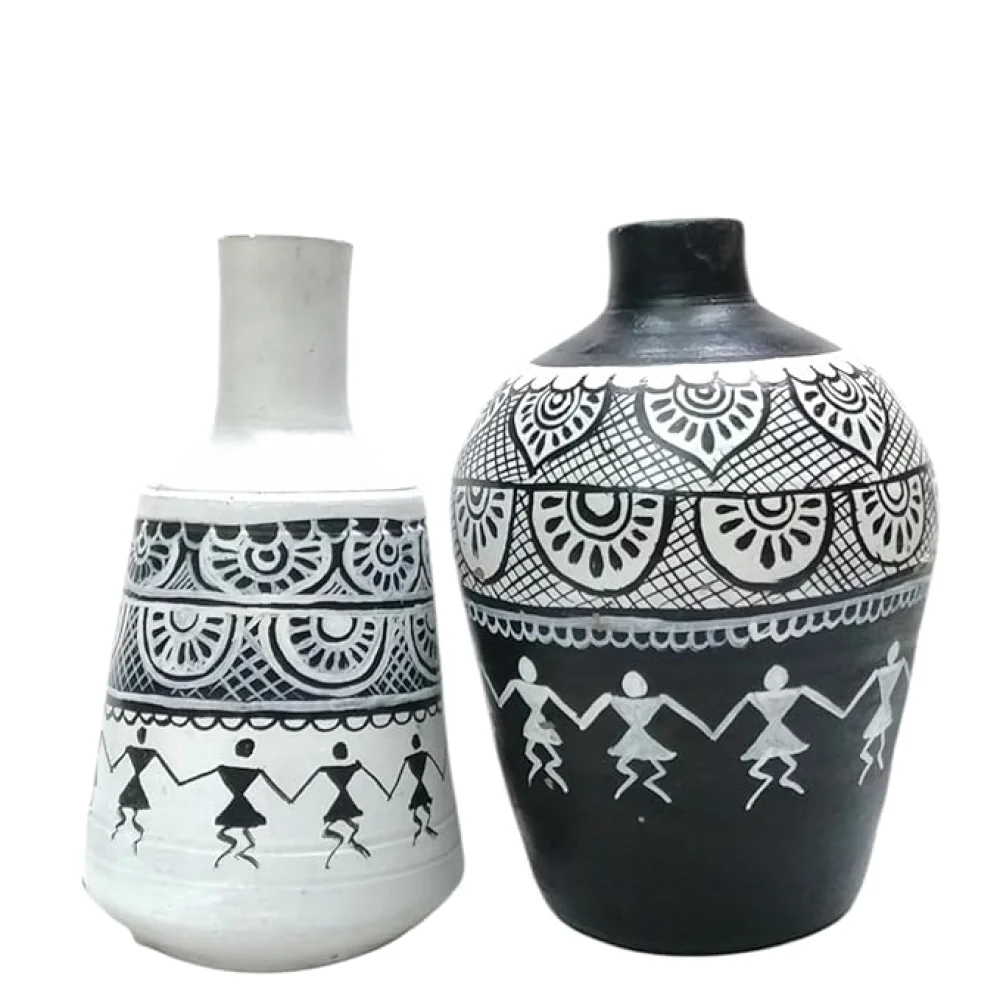
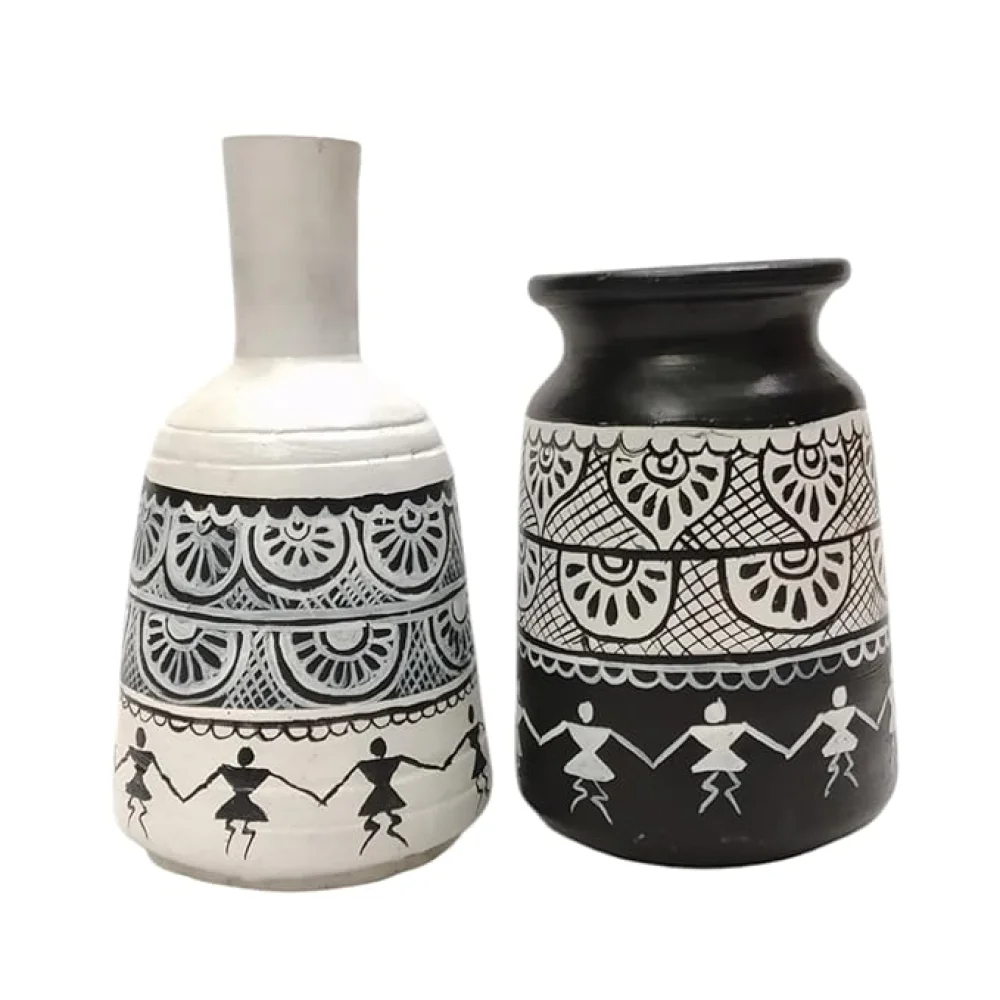
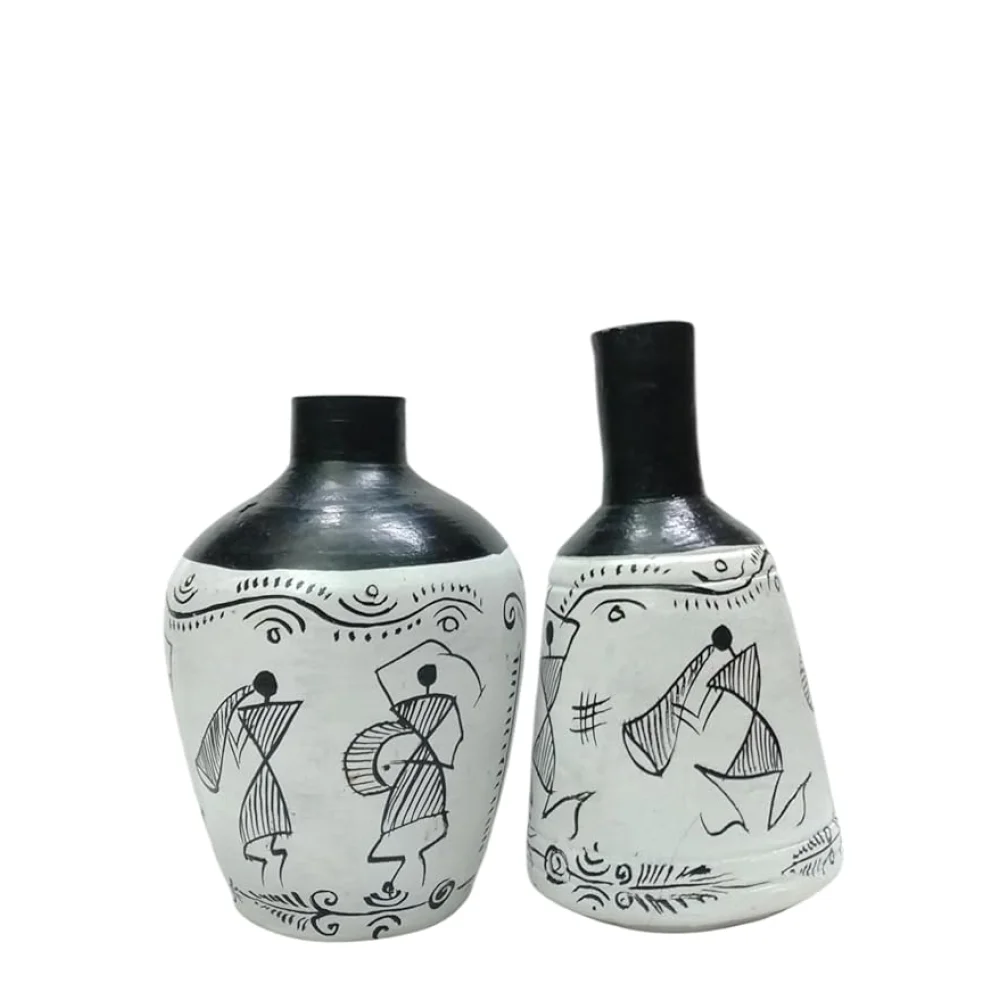
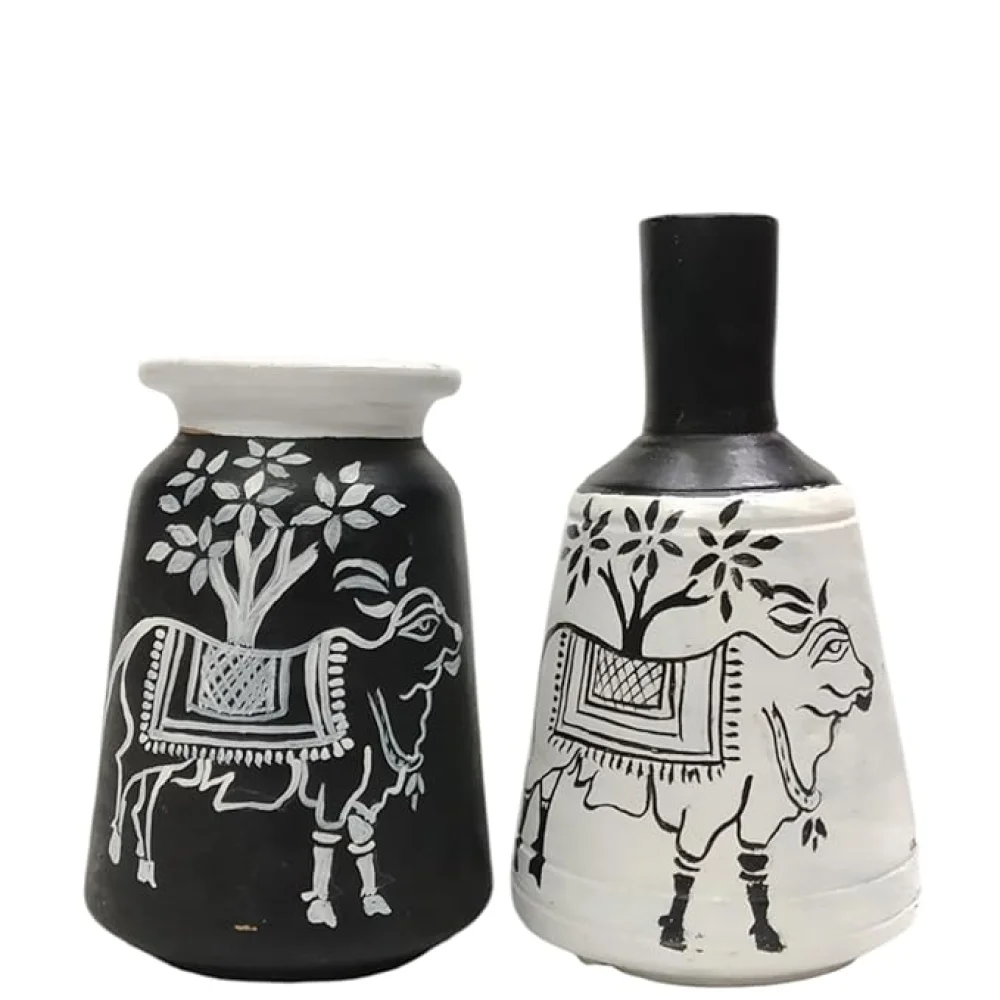
At InteriorChowk, explore Table top Showpiece designs from the Showpieces, Vases & Accents collection. You can also pair selected showpieces with Vases to create balanced tabletop, shelf and console arrangements.
A tabletop showpiece is a decorative object designed to be displayed on a horizontal surface such as a centre table, console, shelf, desk, side table or cabinet.
Unlike purely functional accessories, tabletop showpieces are generally selected for their visual appearance, artistic form, texture, material or decorative theme.
They may include figurines, sculptures, abstract forms, animal-inspired objects, traditional decorative pieces and other artistic accents depending on the available design.
The right tabletop showpiece should be selected according to its dimensions, material, colour, weight, base stability, surrounding furniture and intended display location.
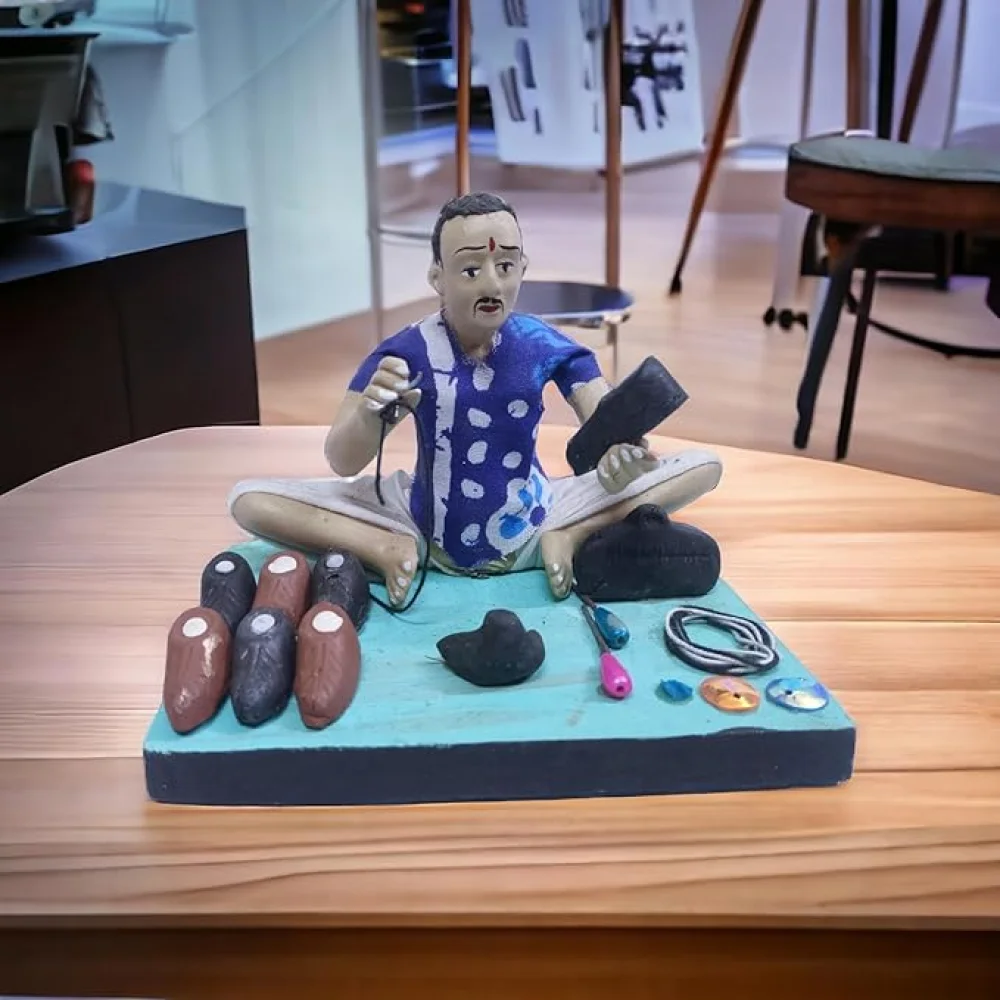
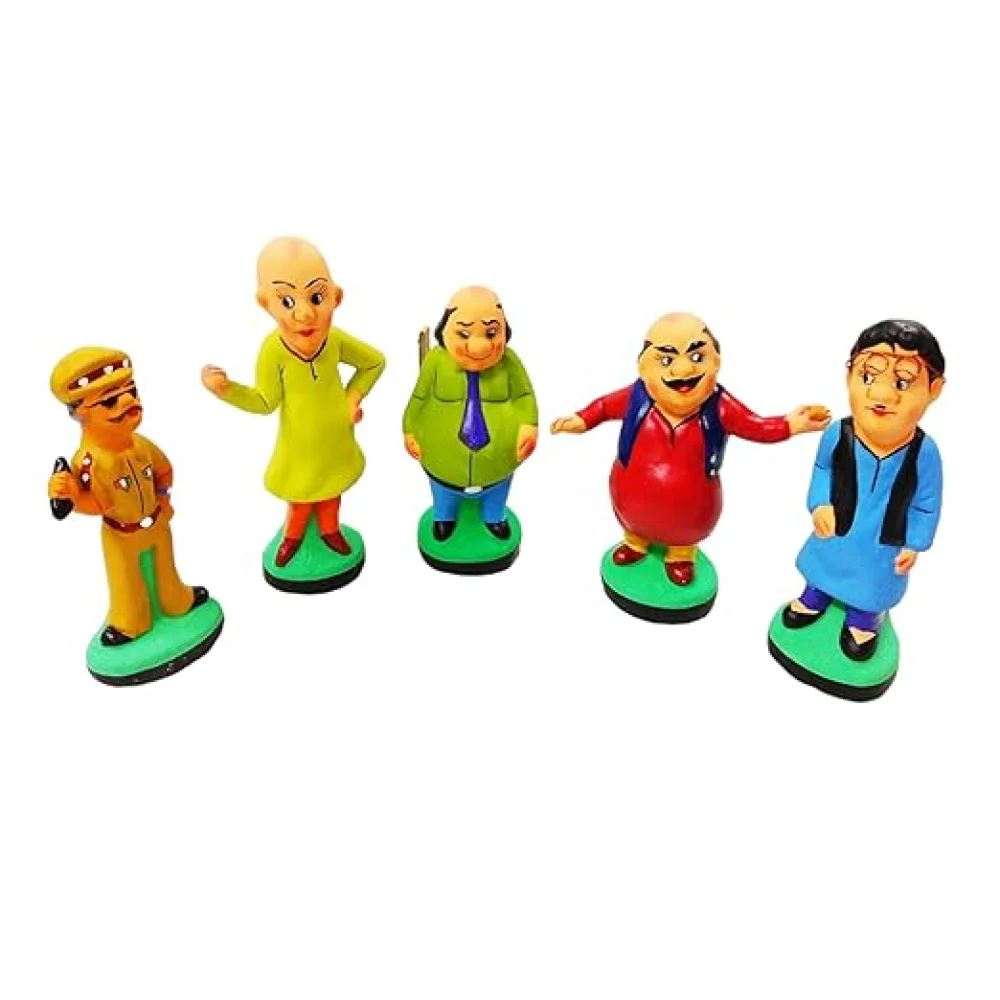
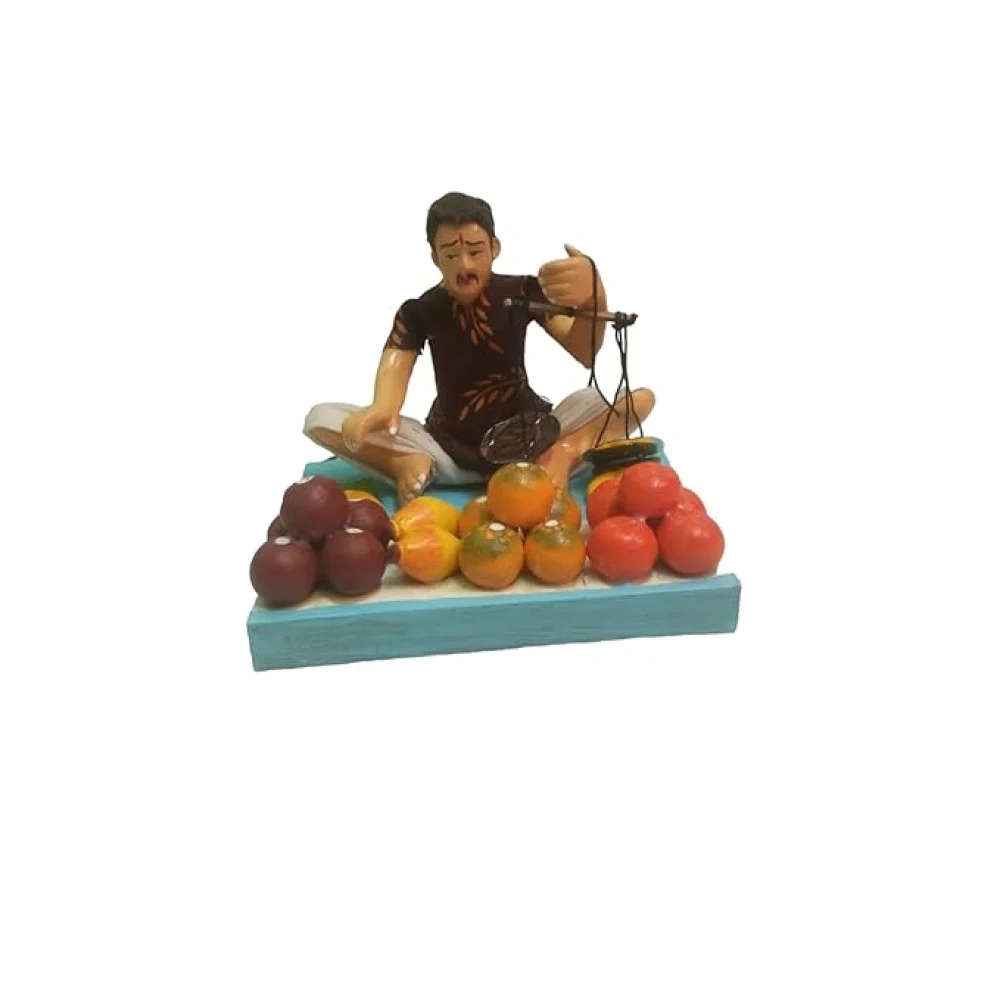
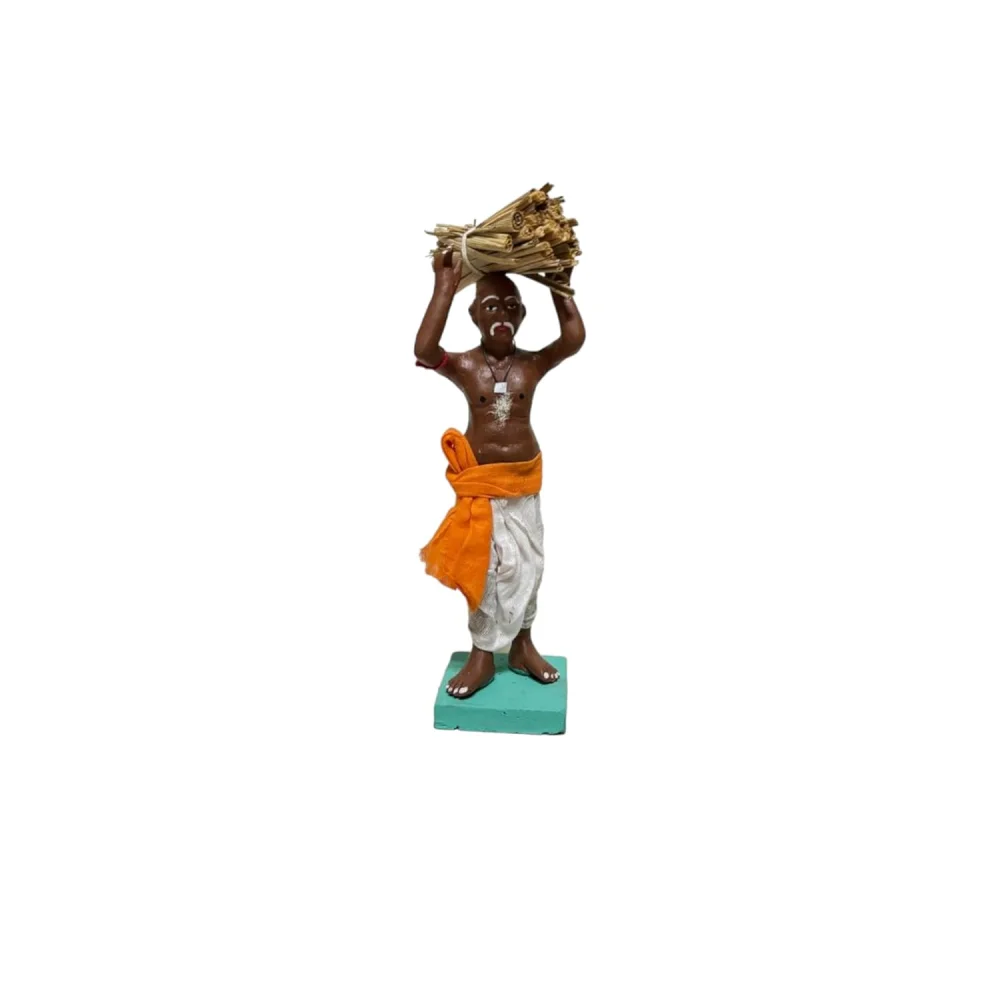
Decorative figurines can represent people, animals, objects or imaginative artistic forms.
They can work well on shelves, side tables, console tables and display cabinets where their detailing remains visible.
Select the figurine according to the available space and the overall theme of the surrounding interior.
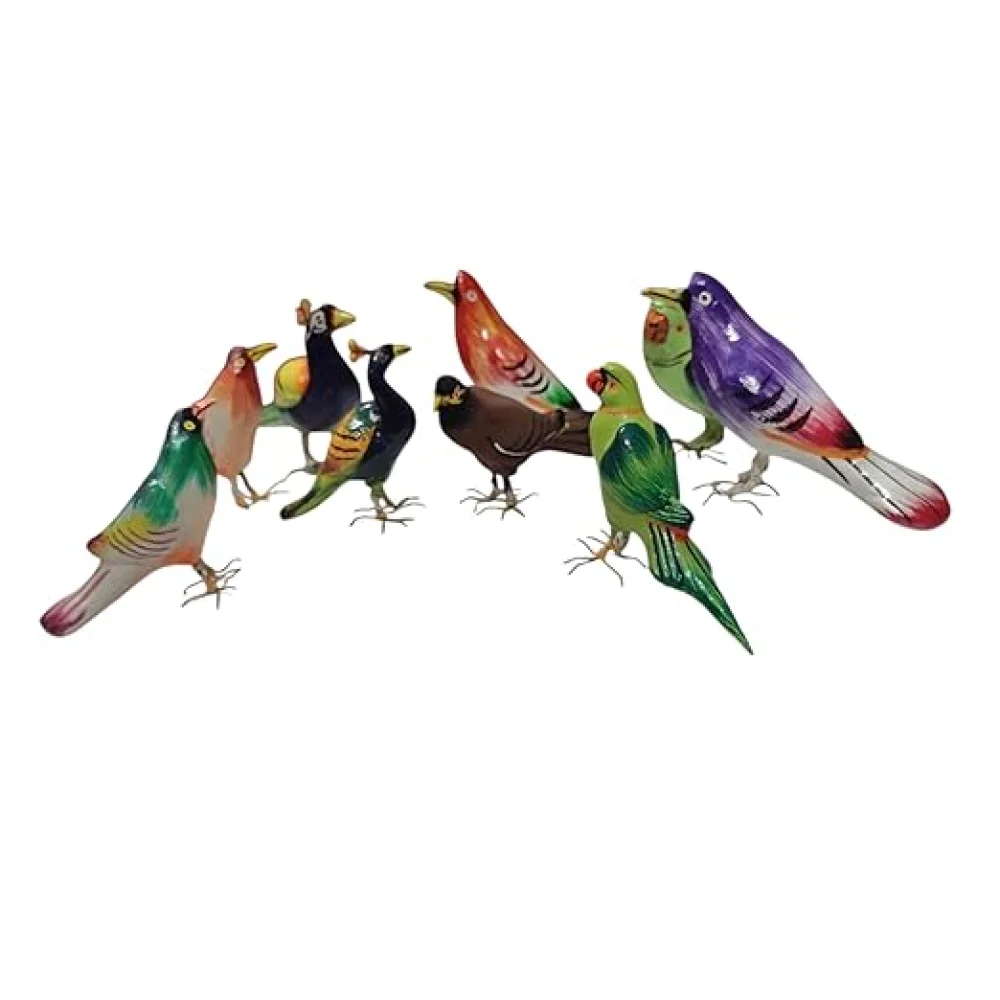
Animal-inspired showpieces can bring a distinctive decorative character to living rooms, studies and display shelves.
Depending on the design, they may feature realistic, stylized or abstract interpretations of animals.
Use one larger statement piece or a small coordinated group rather than overcrowding the surface with several unrelated designs.
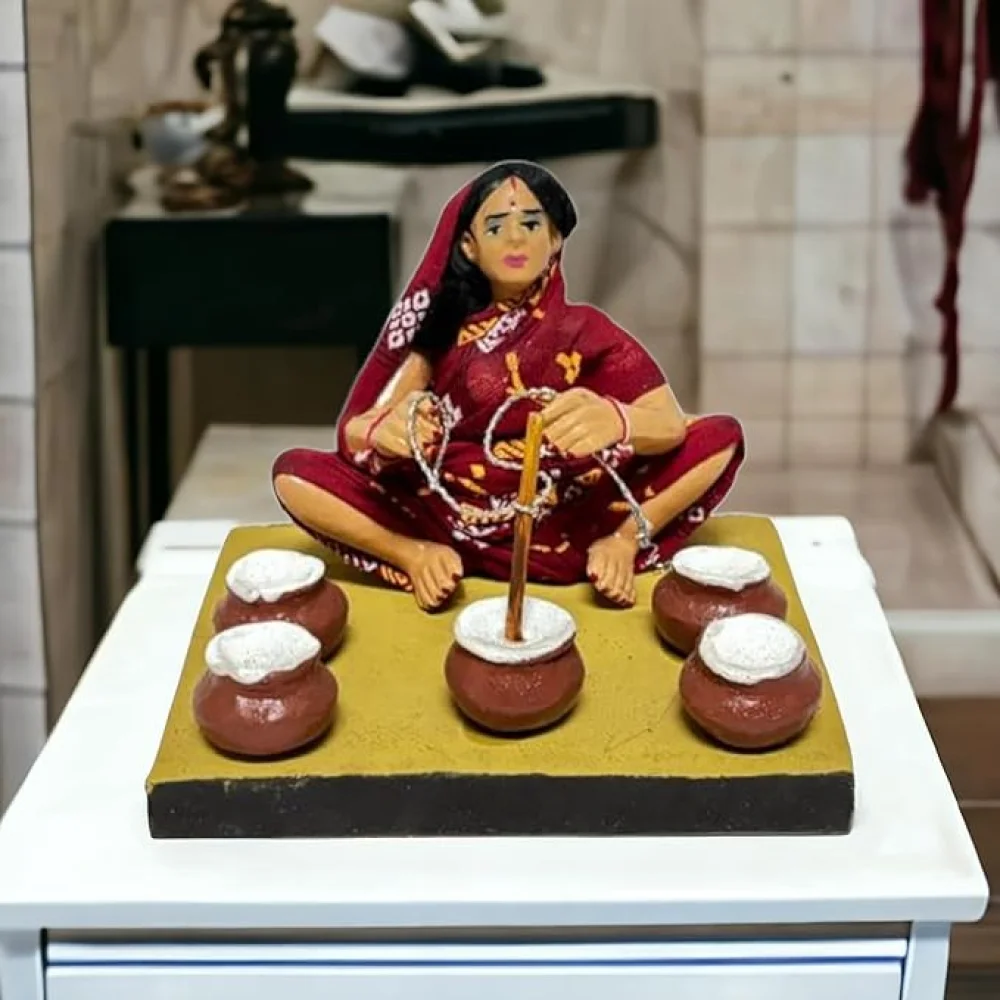
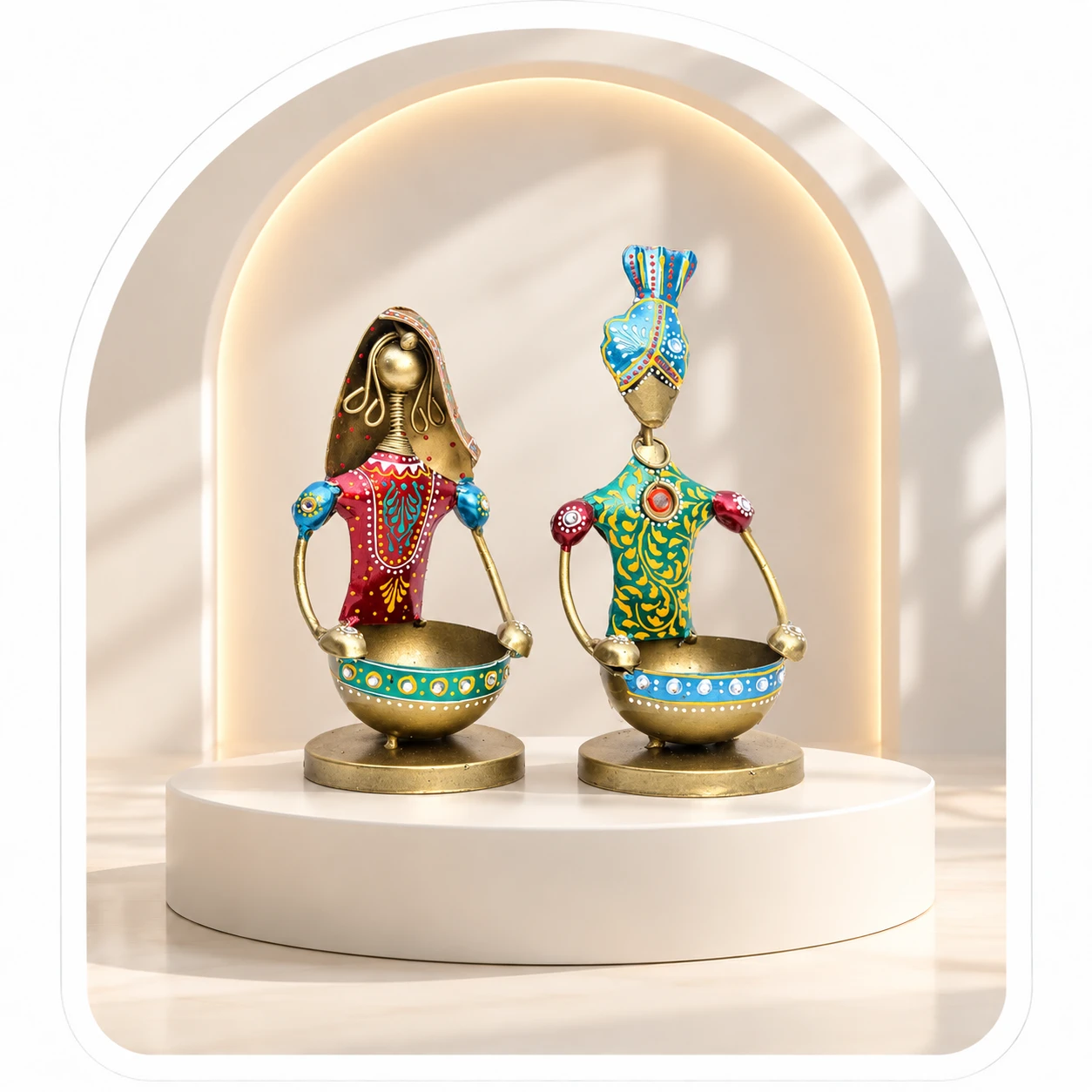
Human-figure showpieces may depict people, families, musicians, dancers or other artistic scenes depending on the design.
These pieces can add storytelling and artistic expression to consoles, bookshelves and display units.
Consider the pose, size and surrounding decor before deciding where the showpiece should be positioned.
Abstract tabletop showpieces focus on artistic shapes, curves and forms rather than representing a specific object.
They can work particularly well in modern and contemporary interiors where clean furniture and artistic accents are preferred.
A single abstract sculpture can often create enough visual impact without requiring several additional decorative objects.
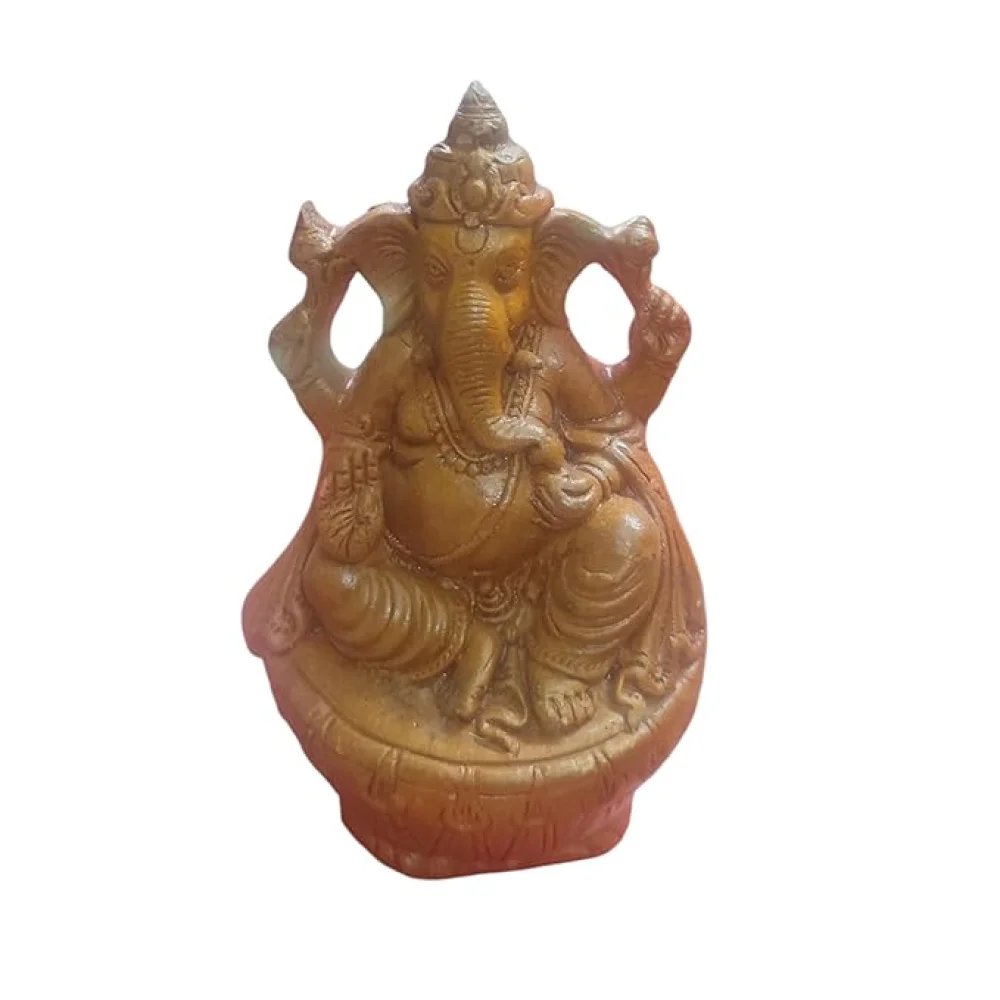
Traditional tabletop decor may feature detailed forms, warm finishes, handcrafted-style surfaces or designs inspired by classic decorative themes.
These pieces can coordinate naturally with wooden furniture, patterned furnishings and traditional interior arrangements.
Modern showpieces generally use simpler shapes, contemporary finishes and cleaner decorative detailing.
They can complement apartments, modern living rooms, home offices and minimalist display areas.
Statement showpieces use distinctive size, shape, colour or detailing to become an important visual feature.
They work best on surfaces where enough empty space exists around the object.
Avoid placing several competing statement pieces together, as this can make the arrangement feel visually crowded.
Compact showpieces can add decorative detail to smaller shelves, side tables, desks and narrow consoles.
Their smaller footprint makes them useful where available surface space is limited.
Group small showpieces carefully so individual objects do not disappear within an overcrowded display.
Metal showpieces can provide a structured and visually prominent appearance.
Depending on the finish, metal decor may complement modern, industrial, traditional or premium-looking interiors.
Black, gold-tone, brass-tone, silver-tone and other finishes can coordinate with lighting fixtures, furniture hardware and surrounding decorative accessories.
Polyresin and similar decorative materials can support detailed shapes, textures and sculptural forms.
These materials may be used for figurines, animal-inspired pieces, abstract sculptures and other detailed decorative objects.
Review the product finish and dimensions before choosing a showpiece for a frequently used surface.
Ceramic showpieces can feature smooth, textured, glazed or colourful finishes.
They can work in contemporary, artistic and decorative interior arrangements.
Since ceramic products can chip or break if dropped, place them securely on stable surfaces away from furniture edges.
Wooden decorative pieces can introduce natural warmth, texture and handcrafted-style character.
They can complement wooden tables, bookshelves, consoles and interiors featuring earthy or neutral colour palettes.
Avoid prolonged moisture exposure and follow the product's care instructions.
Glass decorative objects can provide a visually lighter and more refined appearance.
Clear, coloured and textured glass may interact differently with surrounding light and create interesting visual effects.
Handle glass showpieces carefully and position them on stable surfaces.
Stone, marble and stone-inspired decorative pieces can add visual weight and a more refined appearance to a tabletop arrangement.
Heavier showpieces should only be placed on furniture capable of supporting their weight safely.
Some showpieces combine multiple materials such as metal, wood, glass, stone or decorative resin.
Mixed-material designs can work particularly well in interiors where furniture and accessories already feature combinations of different textures and finishes.
Modern showpieces usually feature clean forms, simple detailing and contemporary materials.
They can work well on streamlined consoles, contemporary centre tables and modern shelving units.
Minimalist styling focuses on fewer objects and more open space around each decorative piece.
Choose one well-proportioned showpiece rather than several smaller accessories when creating a clean, uncluttered arrangement.
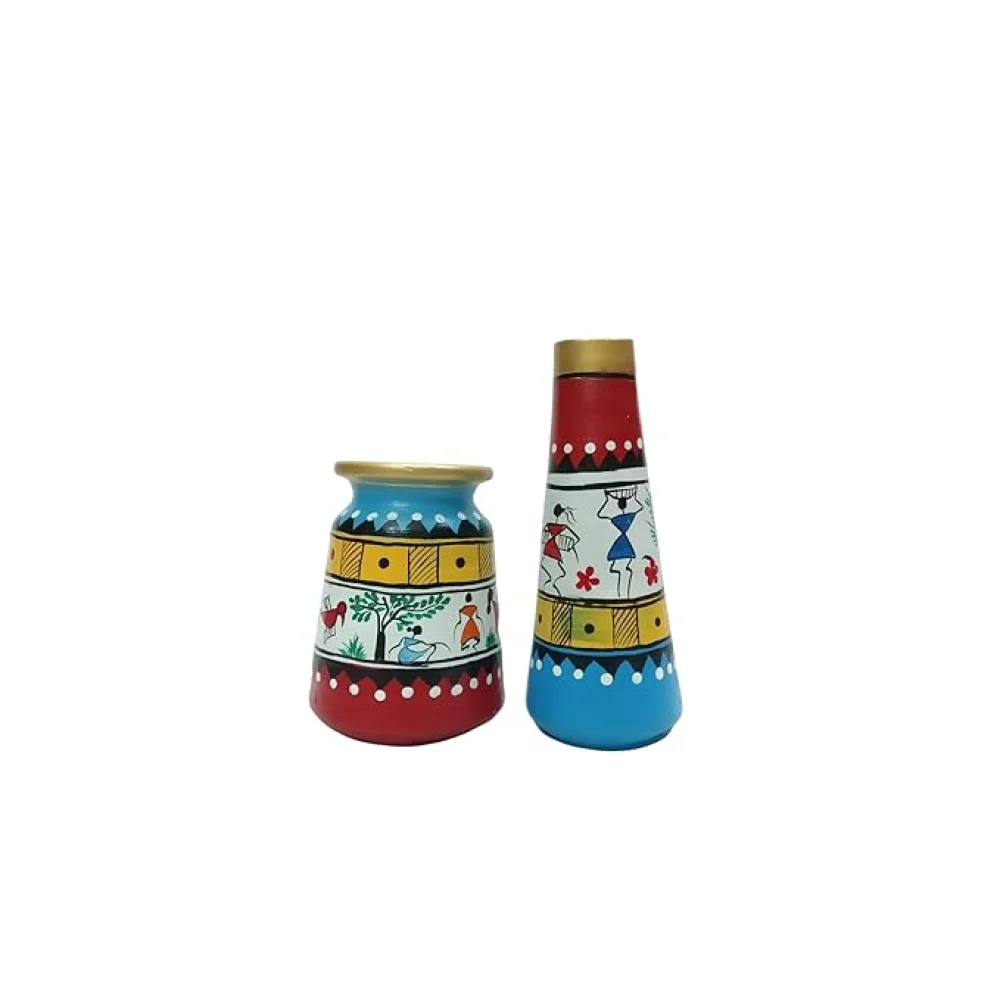
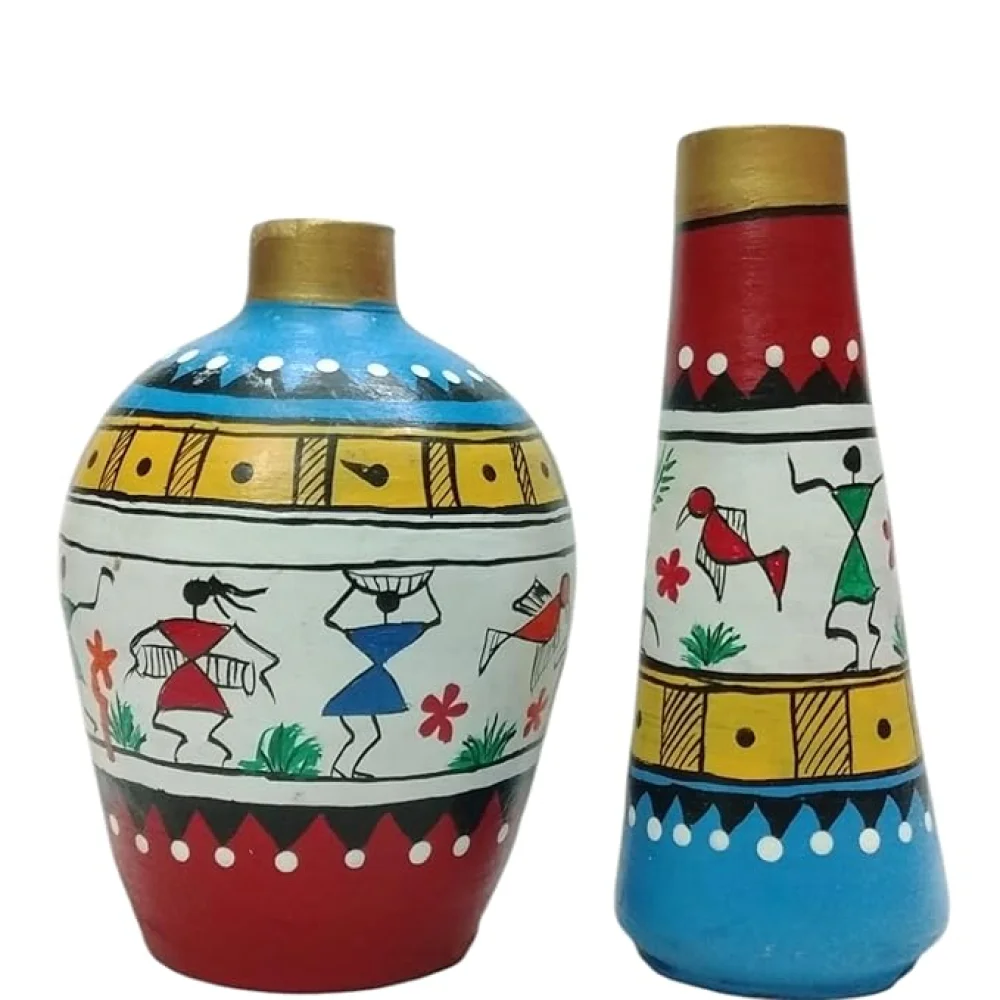
Traditional showpieces may feature detailed patterns, cultural motifs, warm finishes and handcrafted-style forms.
They can coordinate well with wooden furniture and interiors featuring classic decorative elements.
Rustic decorative objects often focus on natural textures, earthy colours and handcrafted-looking surfaces.
Wooden, clay-inspired and distressed-looking finishes can complement this style.
Bohemian interiors allow greater freedom with colour, artistic forms, handcrafted objects and layered decorative arrangements.
Unusual figurines and sculptural accents can help create an expressive and personalized look.
Metallic finishes, refined sculptural forms and polished decorative surfaces can contribute to a more premium-looking interior.
Use luxury-look accessories selectively so the final arrangement remains elegant rather than overcrowded.
Living rooms provide several suitable display surfaces including centre tables, side tables, consoles, bookshelves and display cabinets.
A Table top Showpiece can help add artistic detail to these spaces without changing the main furniture.
Consider the size of the sofa, table and surrounding accessories before selecting the scale of the showpiece.
Centre tables usually benefit from compact decorative objects that leave enough surface space for everyday use.
One medium-sized showpiece may provide a cleaner appearance than several small pieces scattered across the table.
Avoid very tall designs where they interfere with television viewing or conversation across the seating arrangement.
Console tables provide enough visual space for taller or more decorative showpieces.
Position one statement piece on one side and balance it with a Vase or another suitable accessory where appropriate.
Leave open surface space so the arrangement does not appear excessively dense.
Bedrooms can use smaller decorative showpieces on shelves, dressers and suitable bedside surfaces.
Choose pieces that complement the room's calmer atmosphere rather than introducing too many visually competing objects.
Entrance consoles can create a strong first impression with one carefully selected decorative showpiece.
Choose a piece that fits comfortably alongside practical items such as keys or trays while leaving sufficient free surface space.
A compact decorative object can personalize a home office or study area.
Place showpieces on shelves or secondary desk areas so they do not reduce the primary workspace required for computers, notebooks and stationery.
Bookshelves can combine books with selected decorative objects to create variation in shape and height.
A small showpiece can be positioned beside books or on top of a stable horizontal stack where the surface can support it.
Avoid filling every shelf with decorative products. Empty space can help individual pieces remain visually clear.
Display cabinets provide a dedicated area for decorative collections and delicate objects.
Consider shelf height, internal lighting and the distance between pieces when arranging several showpieces together.
Measure the table, shelf or console where the showpiece will be placed.
Include enough space around the object so that it does not appear squeezed between other accessories.
Height can influence both appearance and functionality.
Tall showpieces may work well on consoles but can interfere with sightlines when placed on centre or dining tables.
Large decorative objects require enough surface area to sit comfortably without projecting dangerously beyond furniture edges.
Compare the full product dimensions with the available space before purchasing.
A showpiece should remain stable on its intended surface.
Tall, narrow or top-heavy designs require particular attention to base size and balance.
Metal can provide a structured appearance, ceramic can offer colourful decorative finishes and wood can introduce natural warmth.
Choose a material that complements both your interior and the practical requirements of the display area.
Decorative showpieces can either coordinate with existing room colours or introduce a contrasting accent.
Neutral finishes can provide greater flexibility, while brighter colours may create stronger focal points.
A highly traditional decorative object may feel visually disconnected in a very minimalist room unless that contrast is intentional.
Look at surrounding furniture, lighting, wall decor and furnishings before choosing the showpiece style.
Detailed figurines and textured sculptures may collect more dust than simple smooth forms.
Consider how easily the showpiece can be cleaned before placing it in high-dust or frequently used areas.
One distinctive showpiece can create a stronger visual focal point than several unrelated small accessories.
Place it where there is enough open space for its shape and detailing to remain visible.
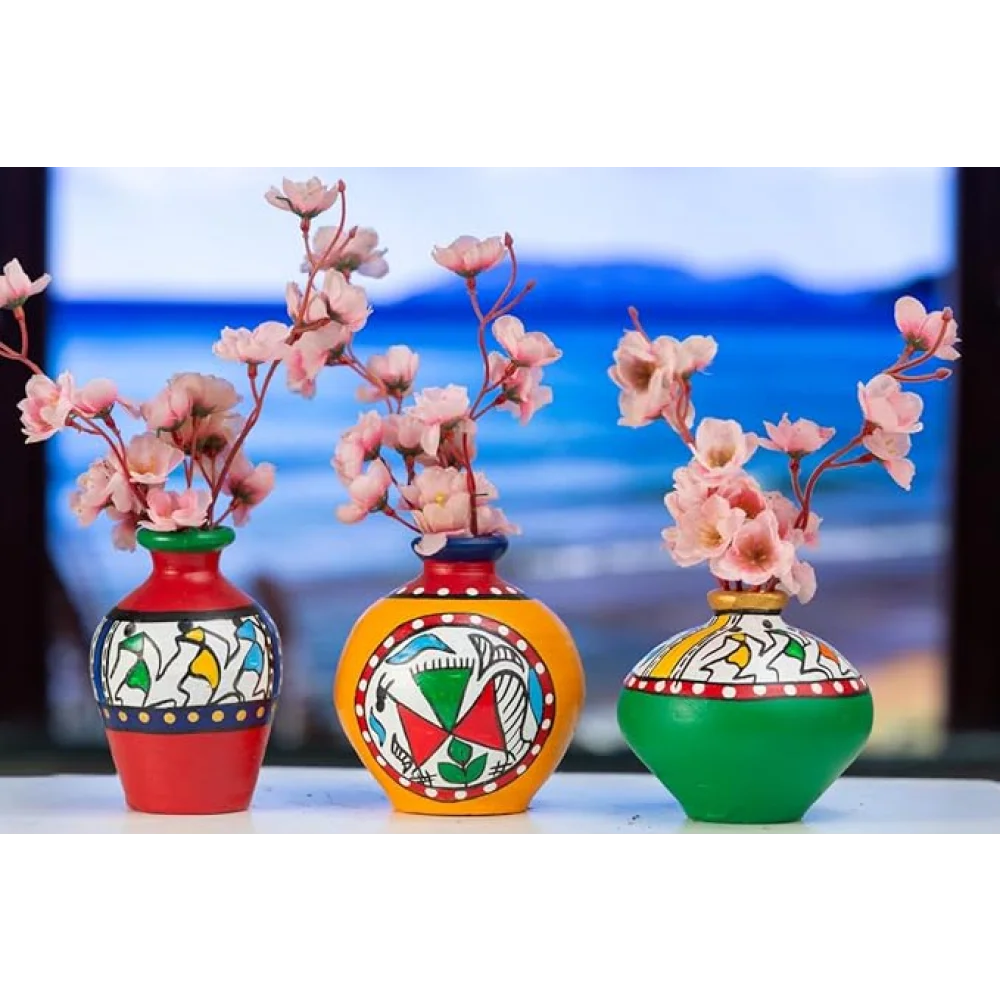
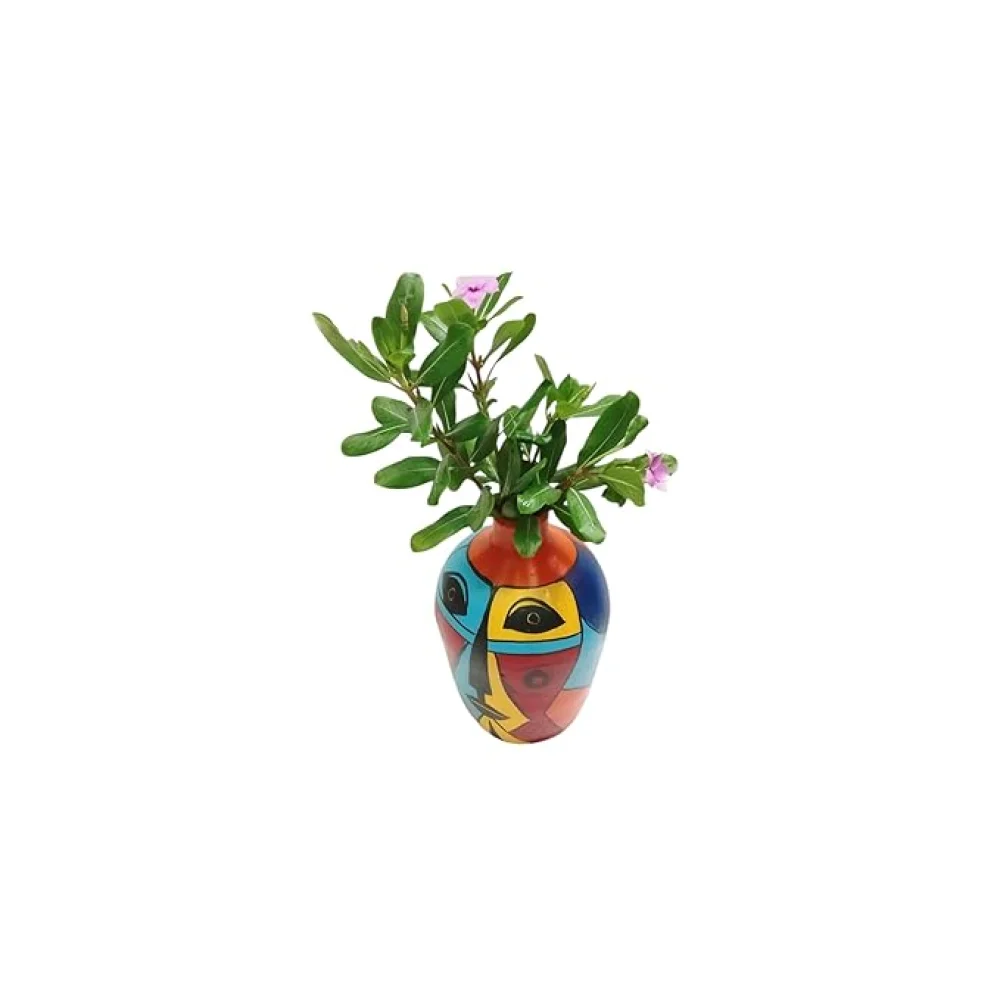
Pair a Table top Showpiece with Vases to introduce variation in shape and height.
Select pieces with a common colour, material or design style so that the arrangement feels connected.
Decorative arrangements become more visually interesting when every object is not positioned at exactly the same height.
Use showpieces, vases or suitable books to create different levels while maintaining overall balance.
Books and decorative objects can work together particularly well on shelves and console tables.
Position a smaller showpiece beside books or on a suitable stable stack to create variation in height.
Not every available section of a table or shelf needs decoration.
Leaving open space around showpieces can make them more noticeable and helps prevent the arrangement from feeling cluttered.
Use one taller decorative element and balance it with smaller objects on the opposite side.
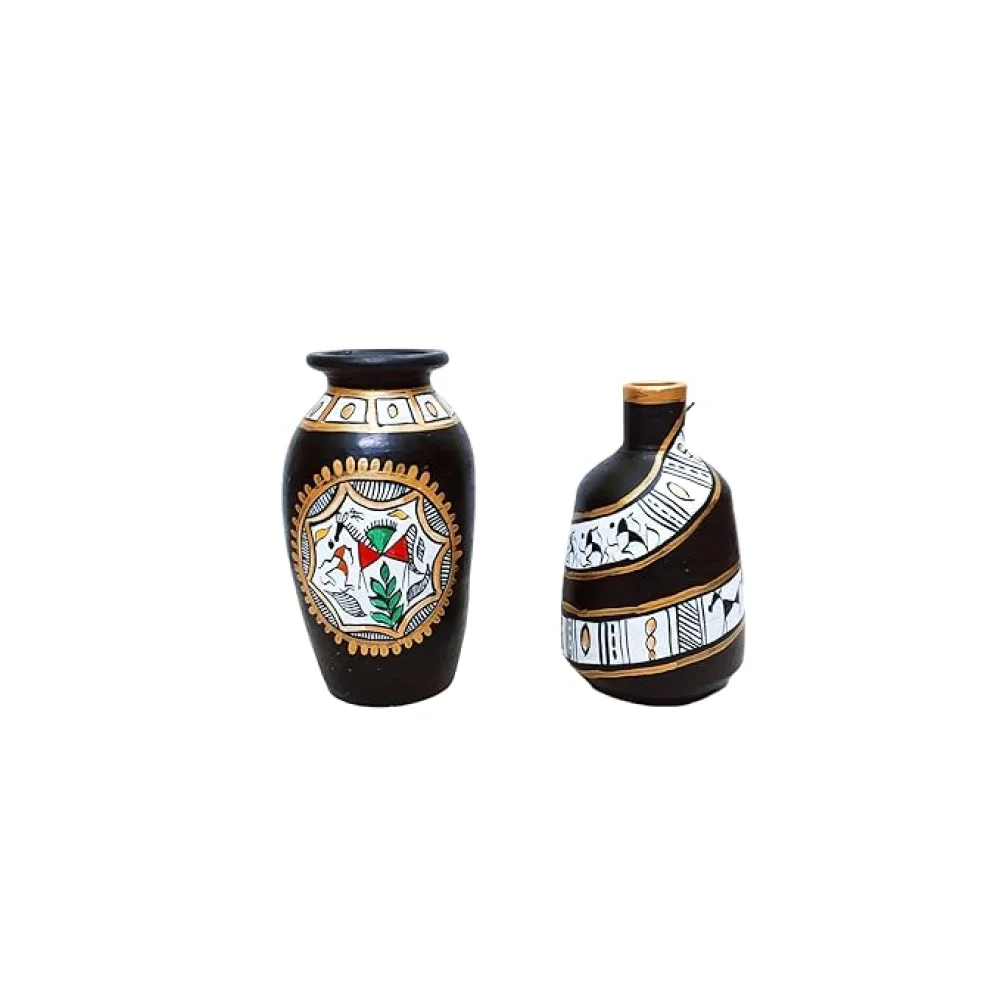
A vase and showpiece can work well together when their sizes and materials complement one another.
Both products can add decorative interest to furniture surfaces but serve slightly different styling purposes.
A Table top Showpiece is generally selected as a decorative object, sculpture or figurine.
Vases can function as standalone decorative objects while also providing a place for suitable flowers or stems.
Combining both can create a layered display when their dimensions, materials and colours complement each other.
Tabletop showpieces and wall decor occupy different parts of the room.
Tabletop decor sits on furniture or shelving and can usually be repositioned easily when the arrangement changes.
Wall decor uses vertical surfaces and does not occupy tabletop space.
Both can be combined to create visual interest at different heights, provided the room does not become overcrowded.
There is no fixed number that works for every space. The right quantity depends on the size of the furniture and the dimensions of each decorative object.
A compact side table may need only one showpiece, while a larger console can accommodate a coordinated arrangement of several objects.
Focus on visual balance rather than filling every empty area.
Odd-numbered groupings such as three objects can sometimes create an interesting arrangement, but proportion and spacing are more important than following a fixed styling rule.
Decorative showpieces can be considered for housewarming, wedding, anniversary, festive and other home-oriented gifting occasions.
Before selecting a gift, consider the recipient's interior style, available display space and preferred colours or themes.
Neutral decorative objects may be easier to coordinate with different interiors when the recipient's preferences are not known.
More distinctive statement pieces can be suitable when you already know the person's preferred decorating style.
Decorative objects can collect dust, especially around carved, textured and detailed surfaces.
Dust showpieces regularly using a suitable soft cloth or cleaning method appropriate for the material.
Different materials require different cleaning methods.
Metal, wood, glass, ceramic and resin-based products should be maintained according to their specific finish and care requirements.
Ceramic, glass and other breakable decorative products should be handled carefully when moving or cleaning them.
Hold larger pieces securely rather than lifting them by delicate decorative parts.
Avoid harsh or abrasive cleaning products unless they are specifically suitable for the material.
Decorative metallic, painted and polished surfaces may require gentler cleaning.
Position decorative objects on flat and stable surfaces.
Avoid placing fragile or tall showpieces close to furniture edges where they may be easily knocked over.
Tabletop showpieces can work independently or become part of a larger decorative arrangement.
Begin with a Table top Showpiece that matches the scale and style of the furniture where it will be displayed.
Add Vases where you want floral arrangements, decorative stems or additional height.
Create visual balance by varying heights and shapes while maintaining enough open space around each accessory.
Explore the wider Showpieces, Vases & Accents collection to coordinate tabletop decor within different areas of your home.
Add artistic detail and personality to centre tables, consoles, shelves, bedrooms, offices and display units with Table top Showpiece designs.
Explore decorative showpieces according to your preferred style, material, size, colour and intended display location.
Pair selected showpieces with Vases and browse the Showpieces, Vases & Accents collection to create more balanced tabletop and shelf arrangements.
You can also explore the wider Decor collection for additional accessories suited to different rooms and interior styles.
Compare the product dimensions, material, finish, weight, base stability, maintenance requirements and available display space before making a selection. Choose tabletop showpieces that complement your furniture while adding meaningful visual interest without making the space feel overcrowded.