

Towerbolt & Latches 22 Products
- Filter
- Product Type
- Size
- Rating
- Sort
- Delivery
- Discount
- Color
- Brand
Improve the security and functionality of your doors, windows, gates and cabinets with reliable towerbolts and latches. These simple yet essential hardware fittings provide convenient fastening and help keep doors or windows securely closed when required. At InteriorChowk, explore towerbolts and latches suitable for residential, commercial and furniture applications.
Browse our complete Towerbolt & Latches collection or explore the wider Cabinet, Door & Window Hardware category. You can also discover Mortise Locks, Door Stoppers, Door Aldrops and Door & Window Hinges for a complete door hardware setup.
Towerbolts and latches are commonly used as fastening hardware for doors, windows, cabinets and gates. Their straightforward mechanism makes them useful for securing openings while allowing convenient manual operation.
At InteriorChowk, you can explore towerbolts and latches in different sizes, materials, finishes and designs. Choose suitable hardware according to the type of door or window, mounting surface and everyday usage requirements.
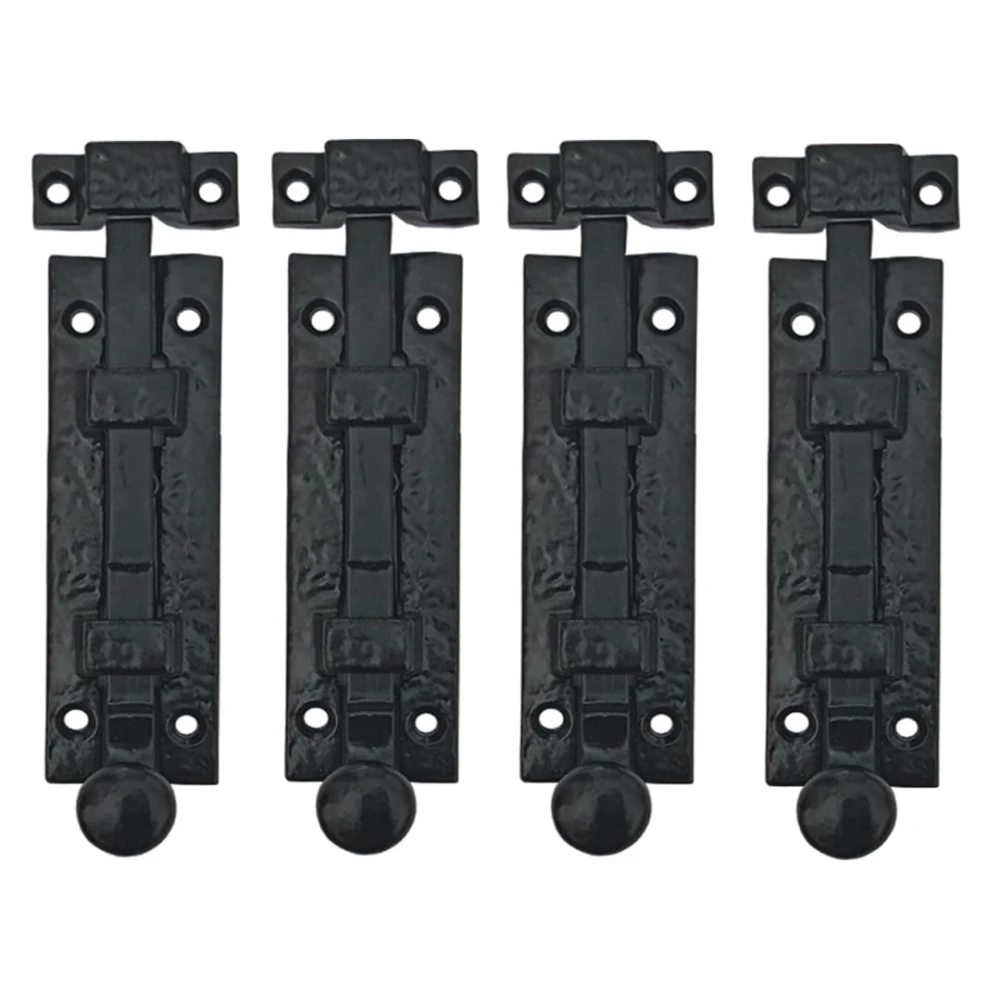
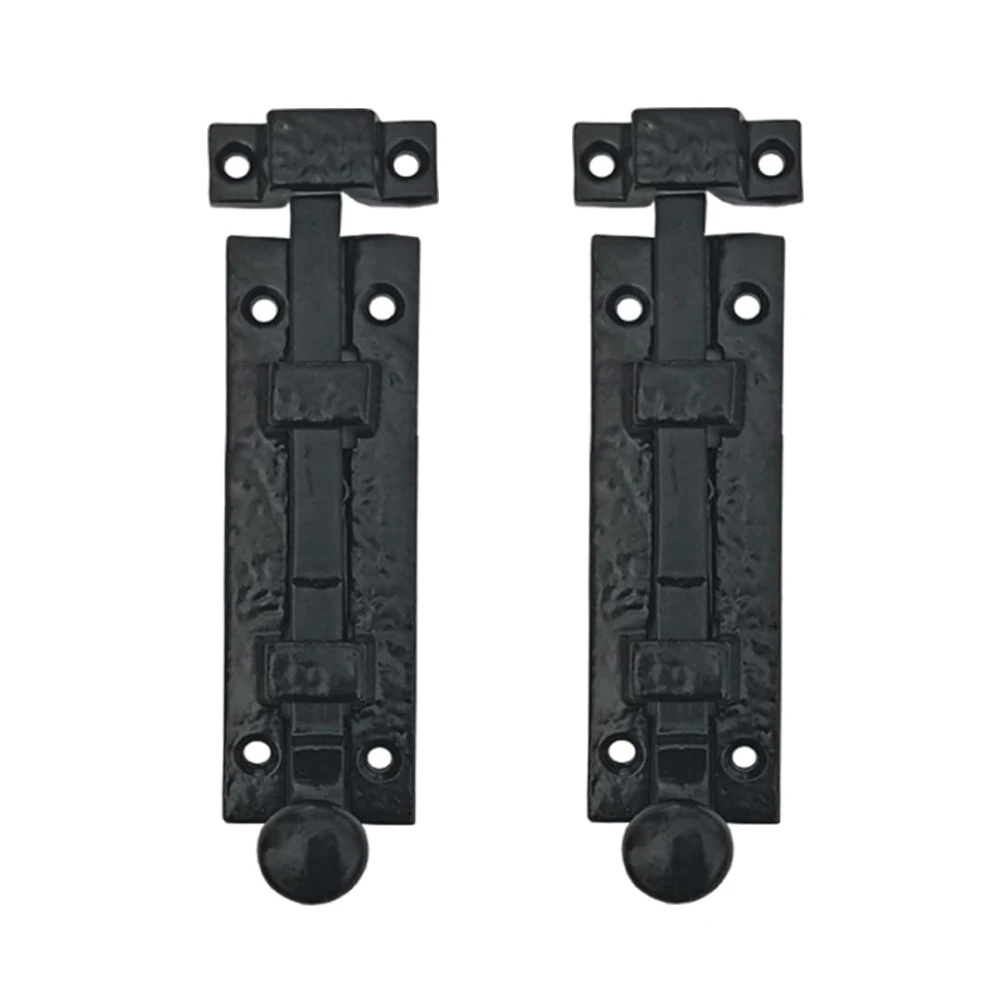
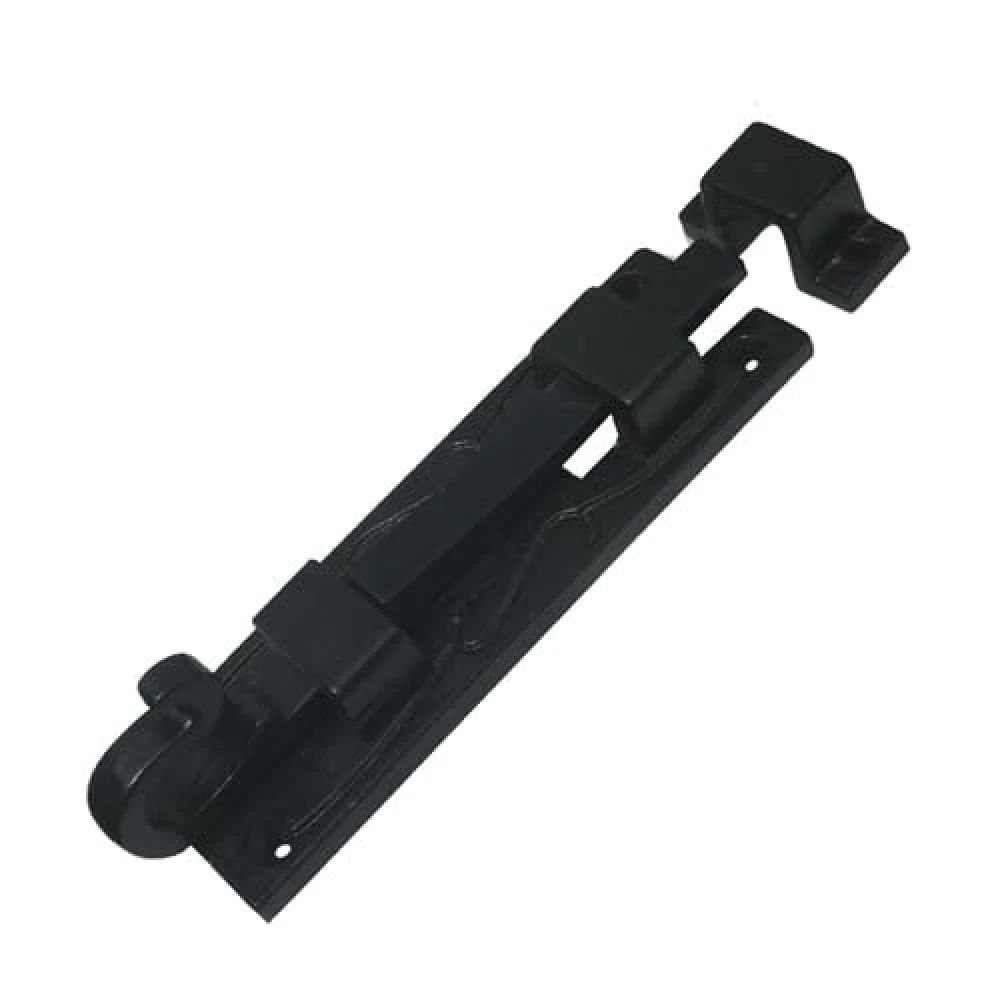
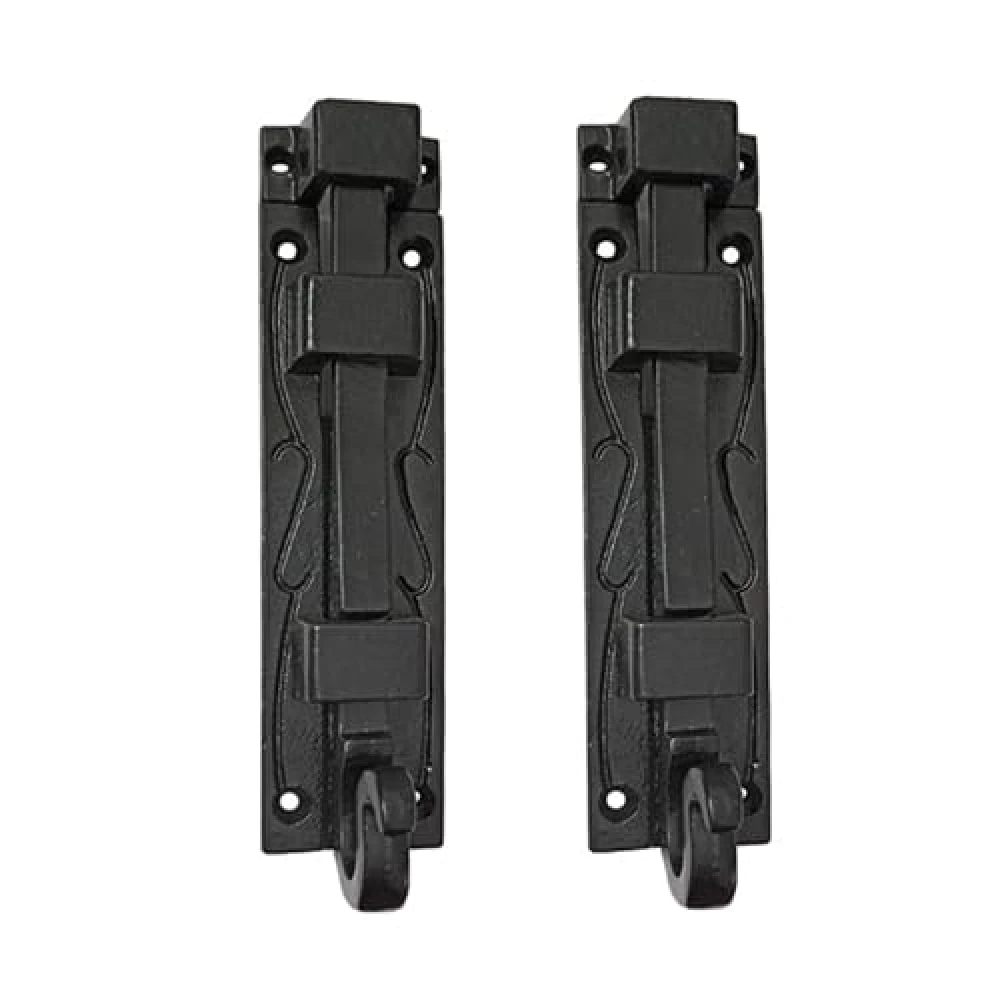
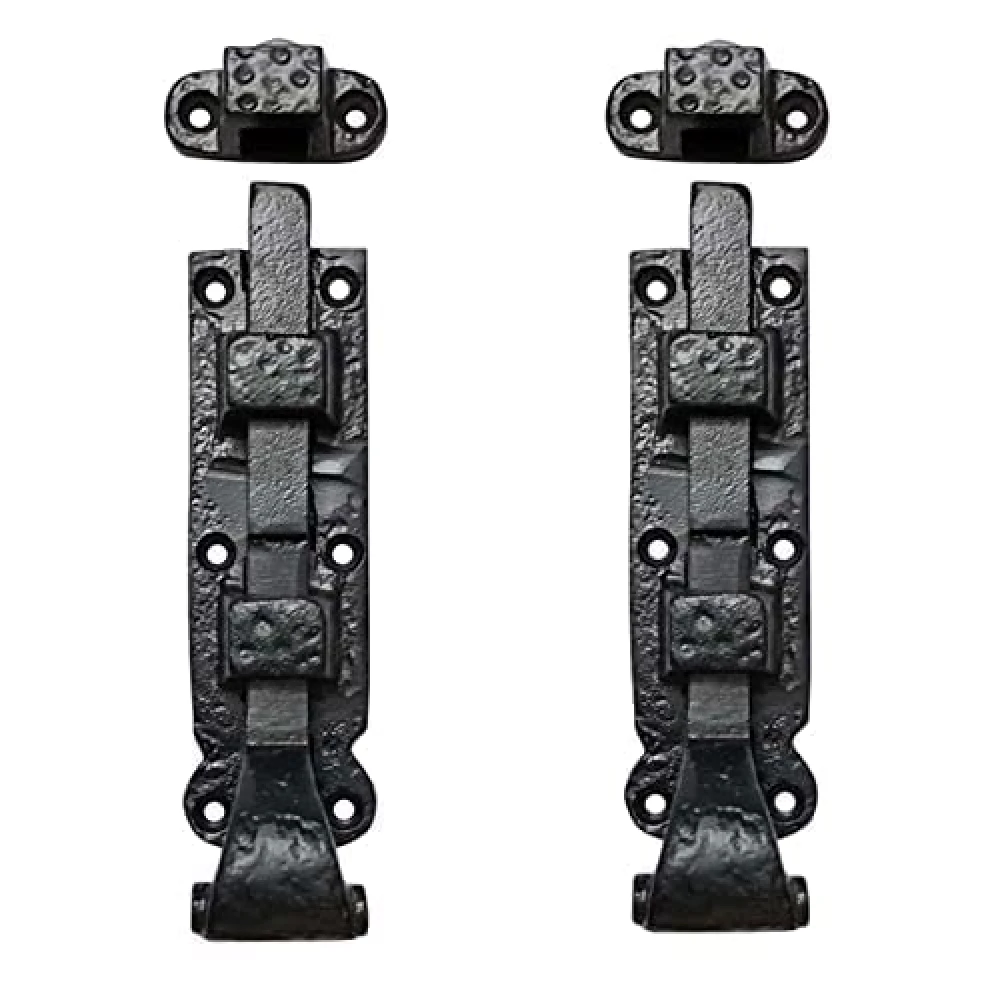
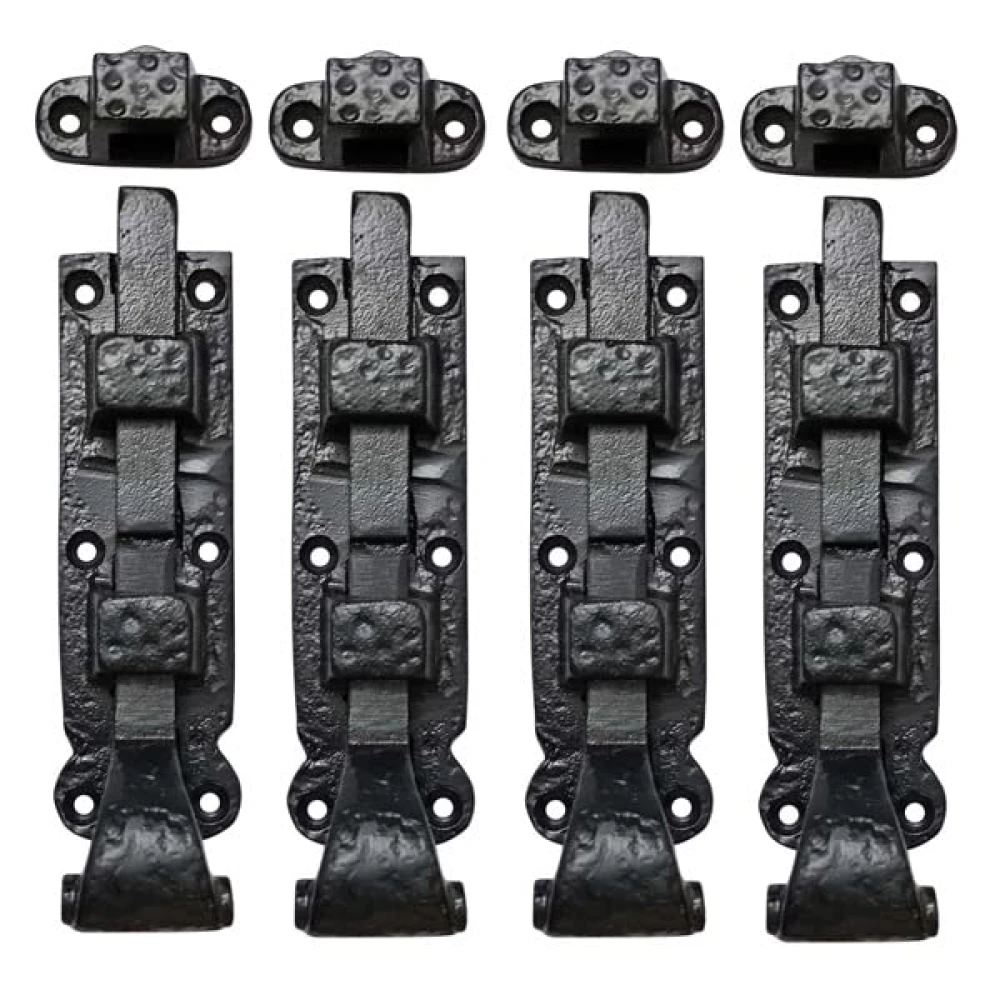
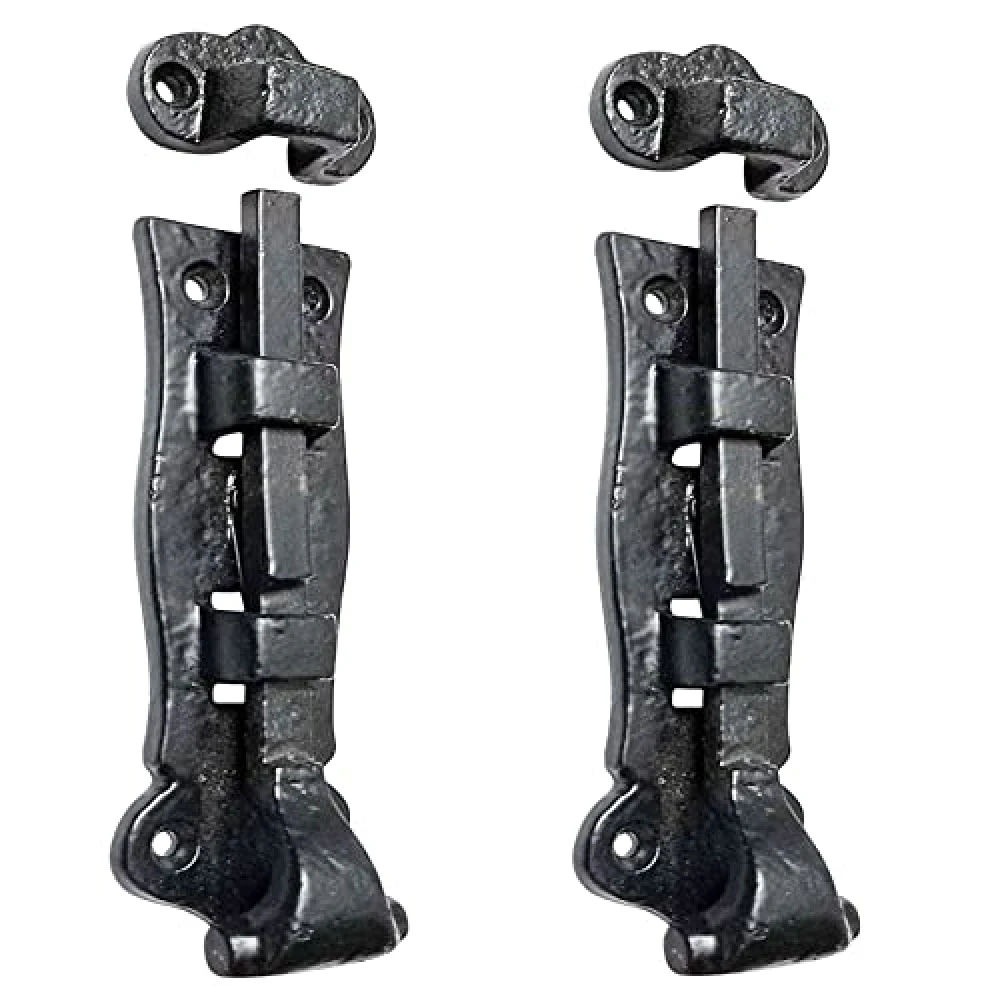
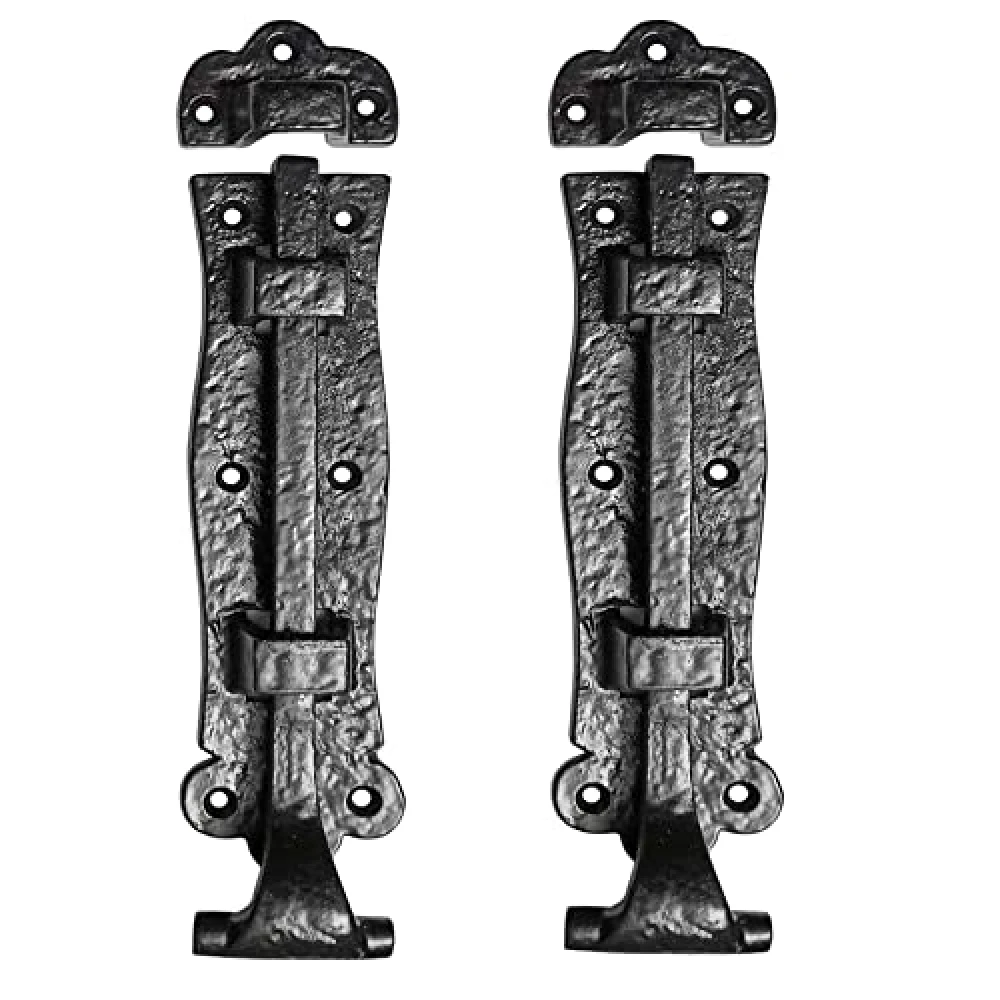
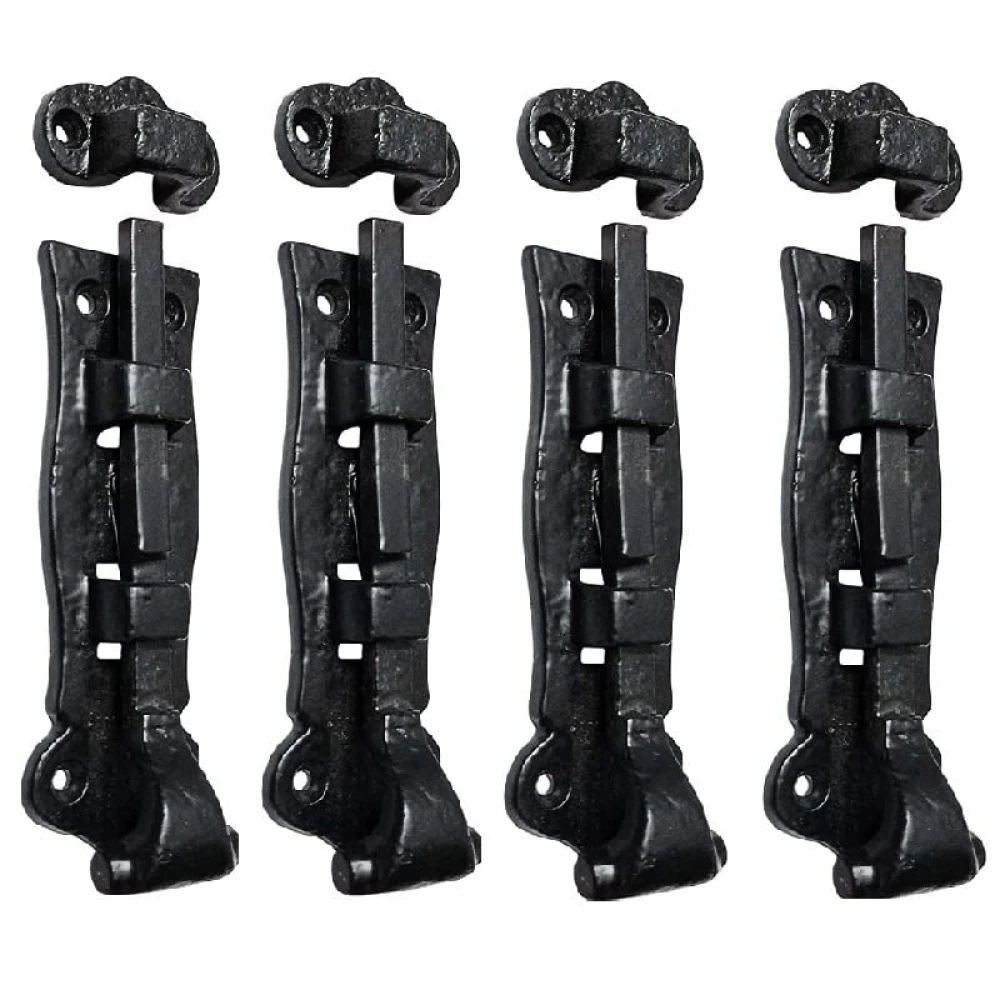
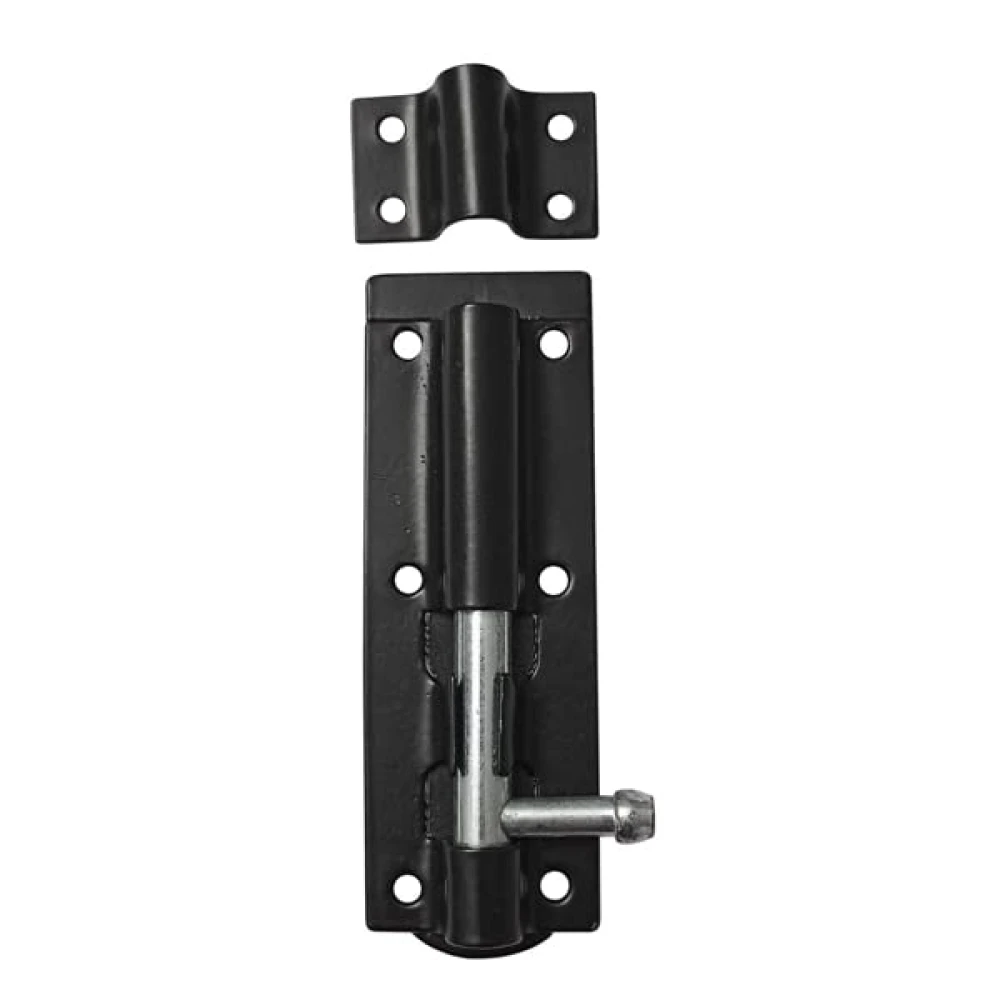
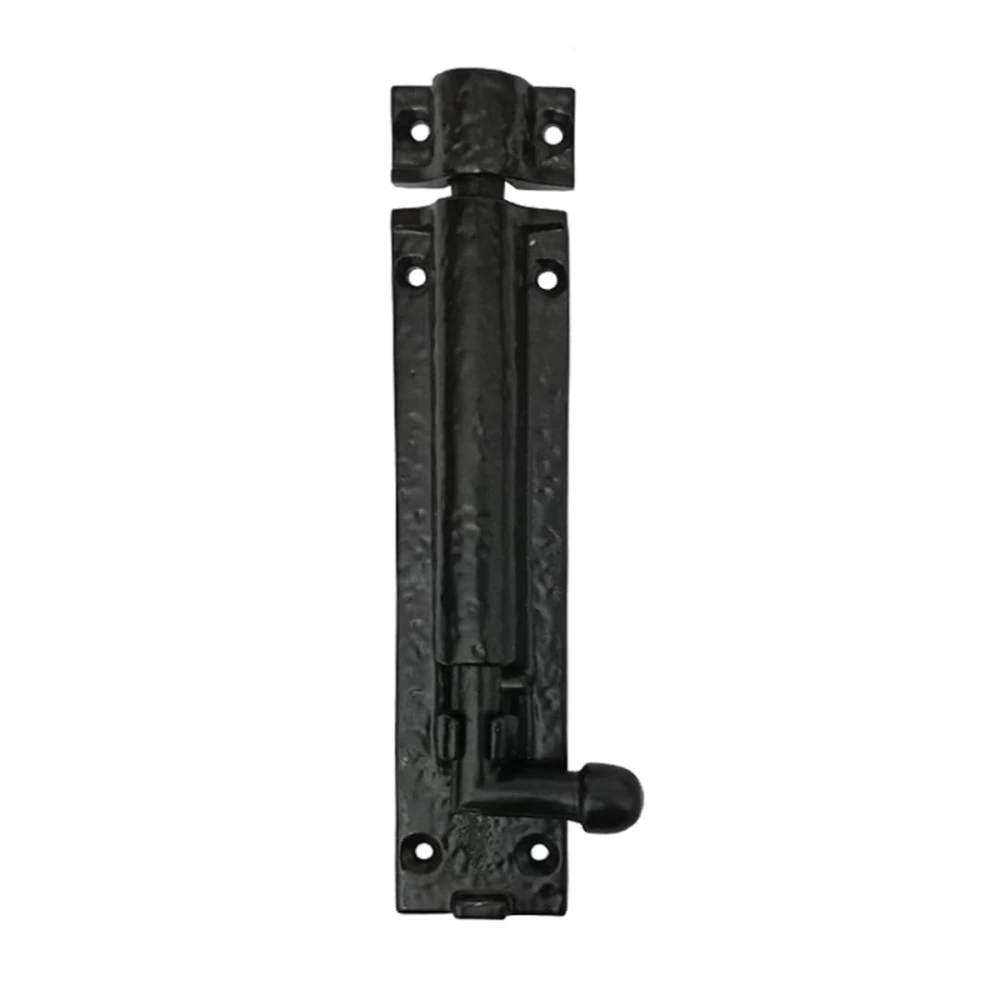
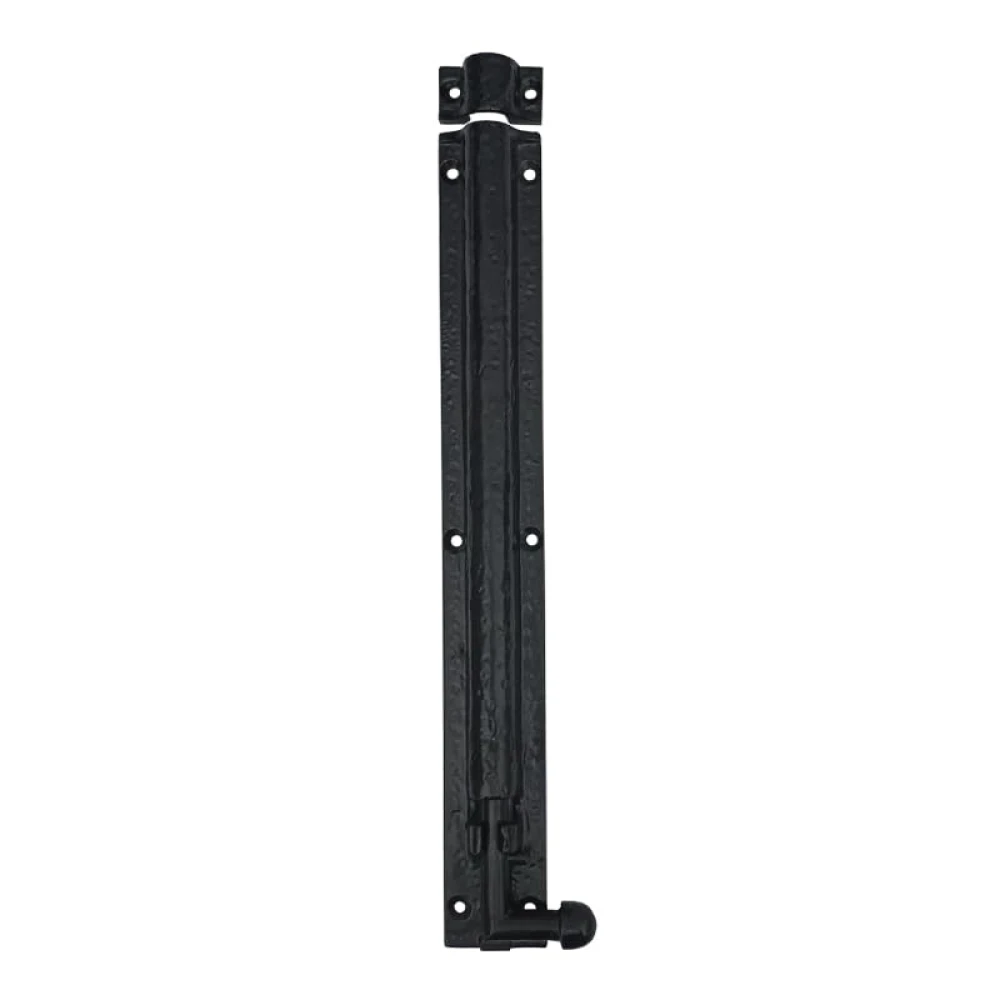
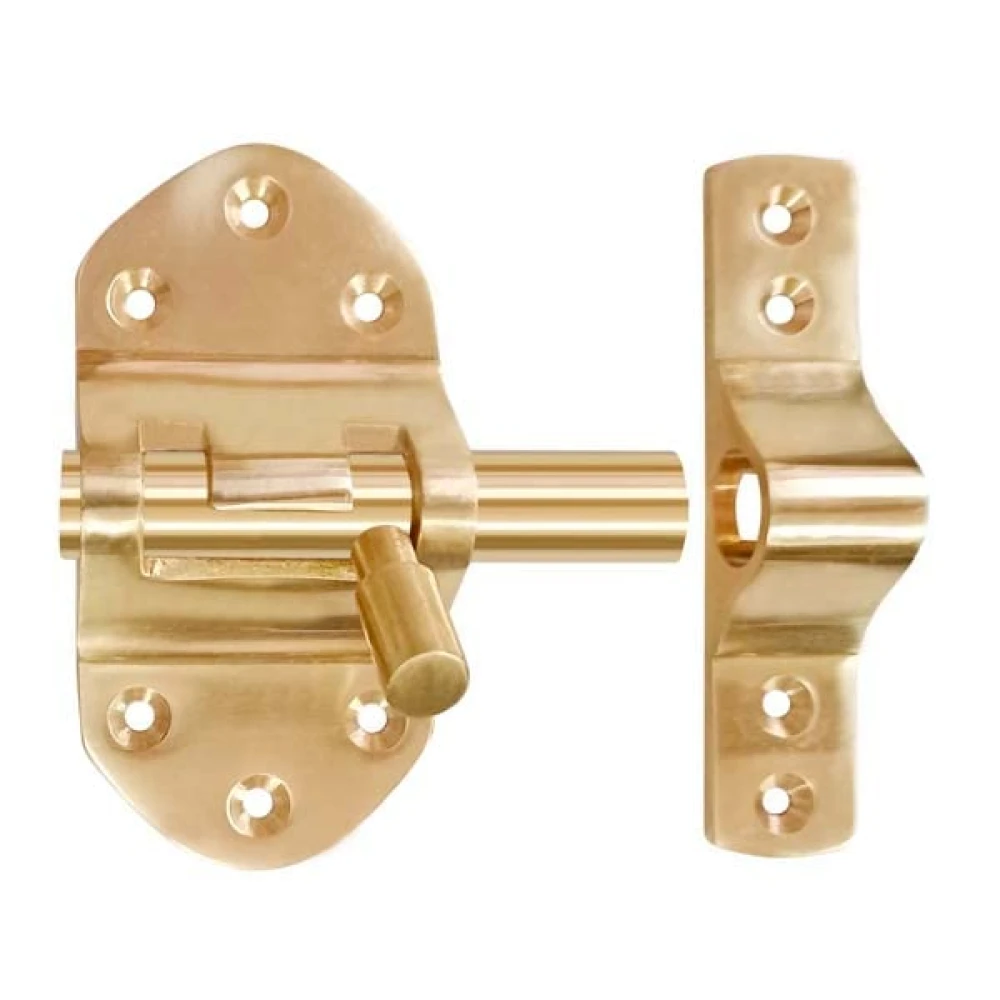
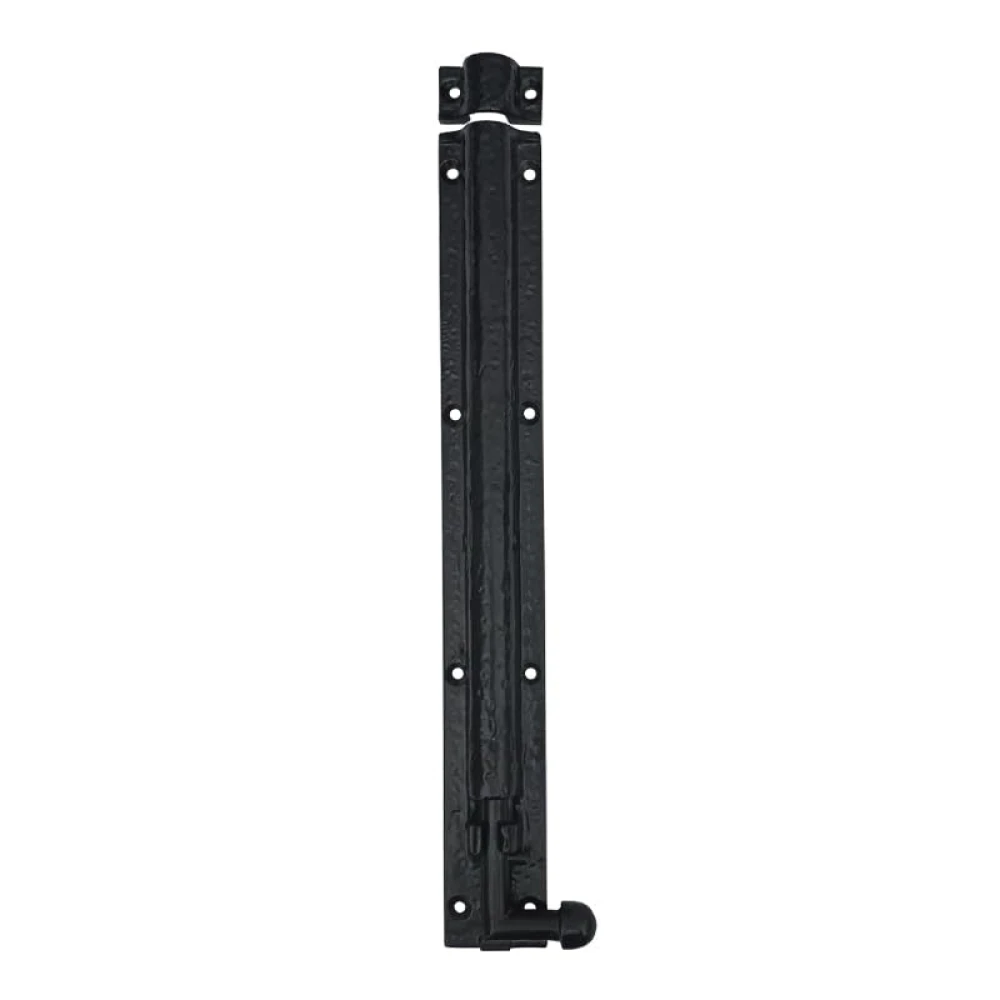
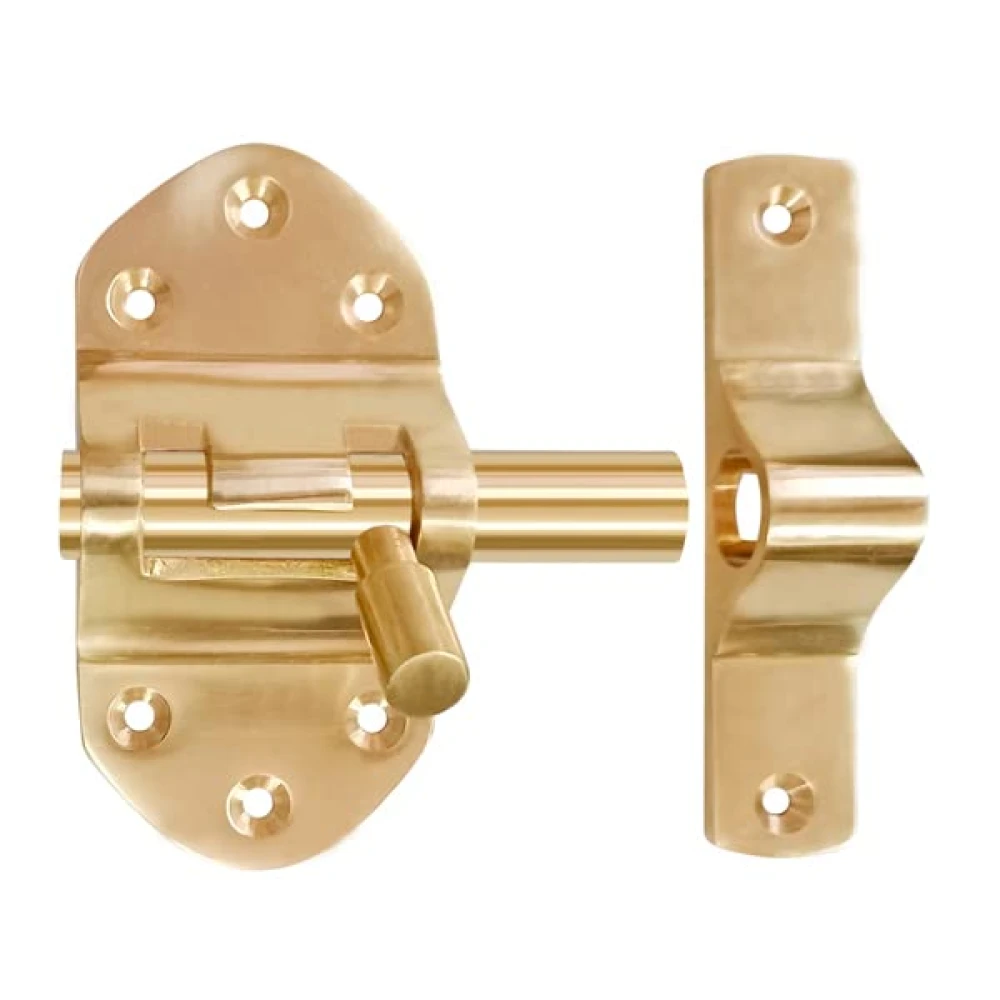
A towerbolt is a sliding fastening mechanism commonly installed on doors, windows, cabinets and gates. The bolt moves into a corresponding receiver or socket to hold the opening securely in position.
Towerbolts are available in different lengths and materials, making them suitable for various residential and commercial applications. Selection should be based on the dimensions and weight of the door, window or gate.
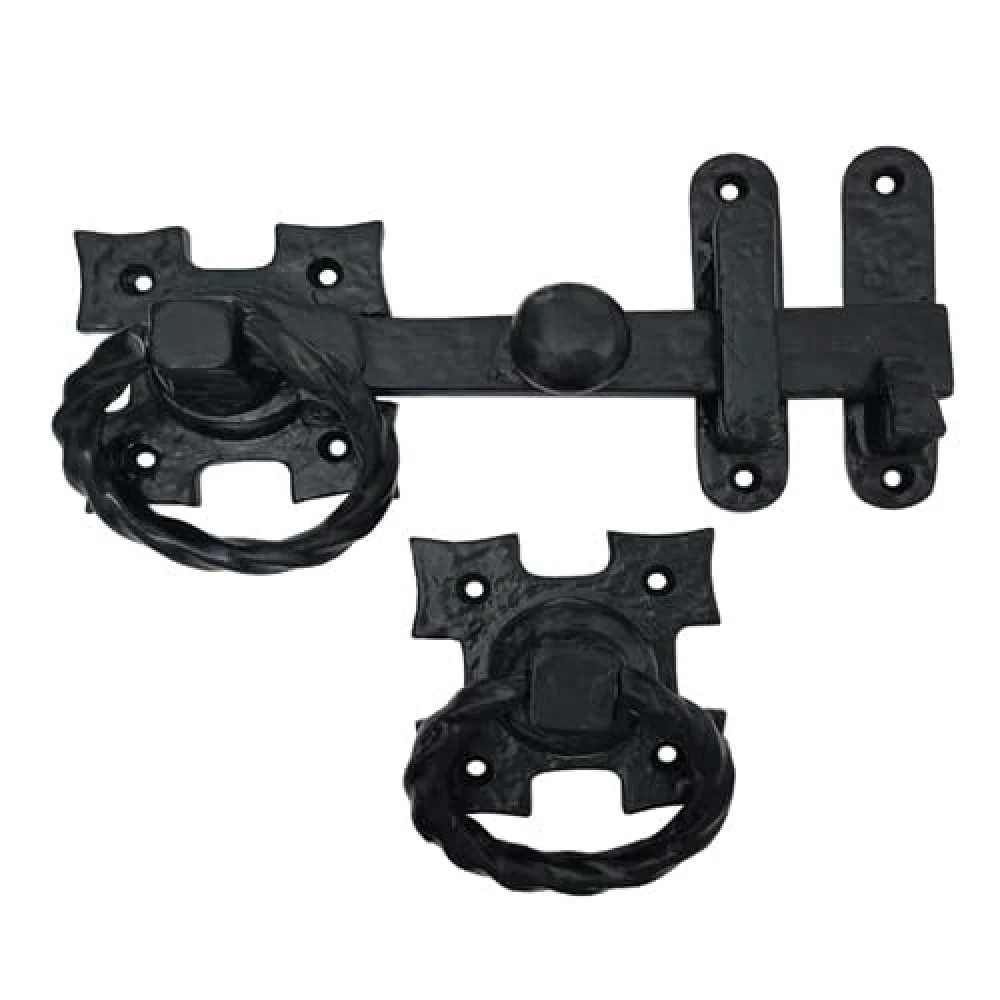
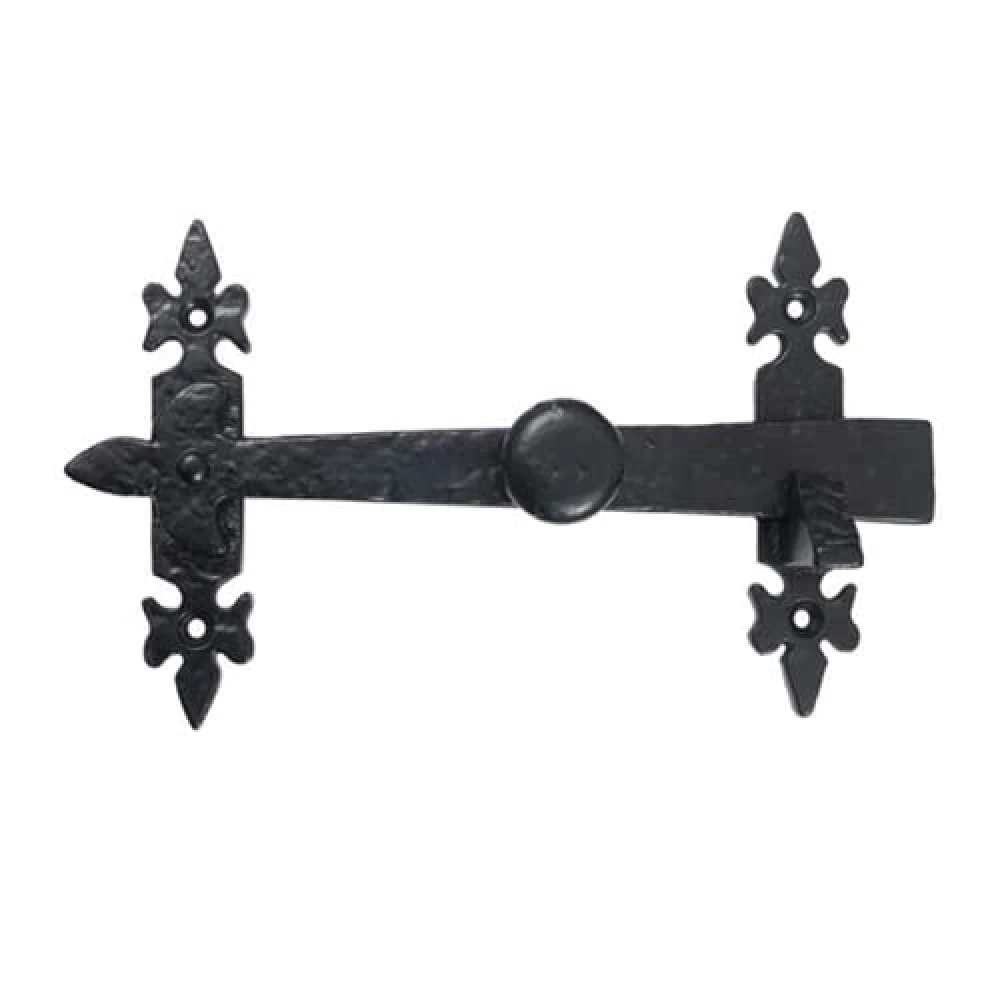
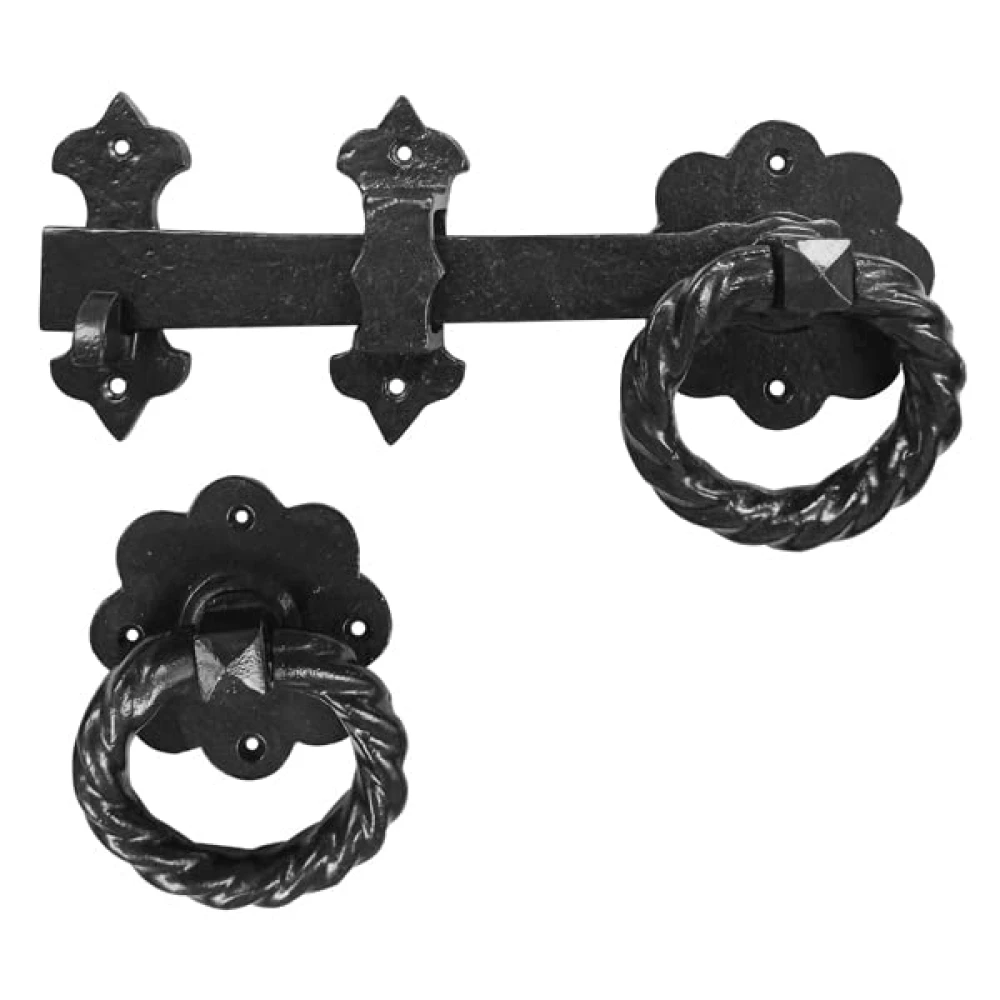
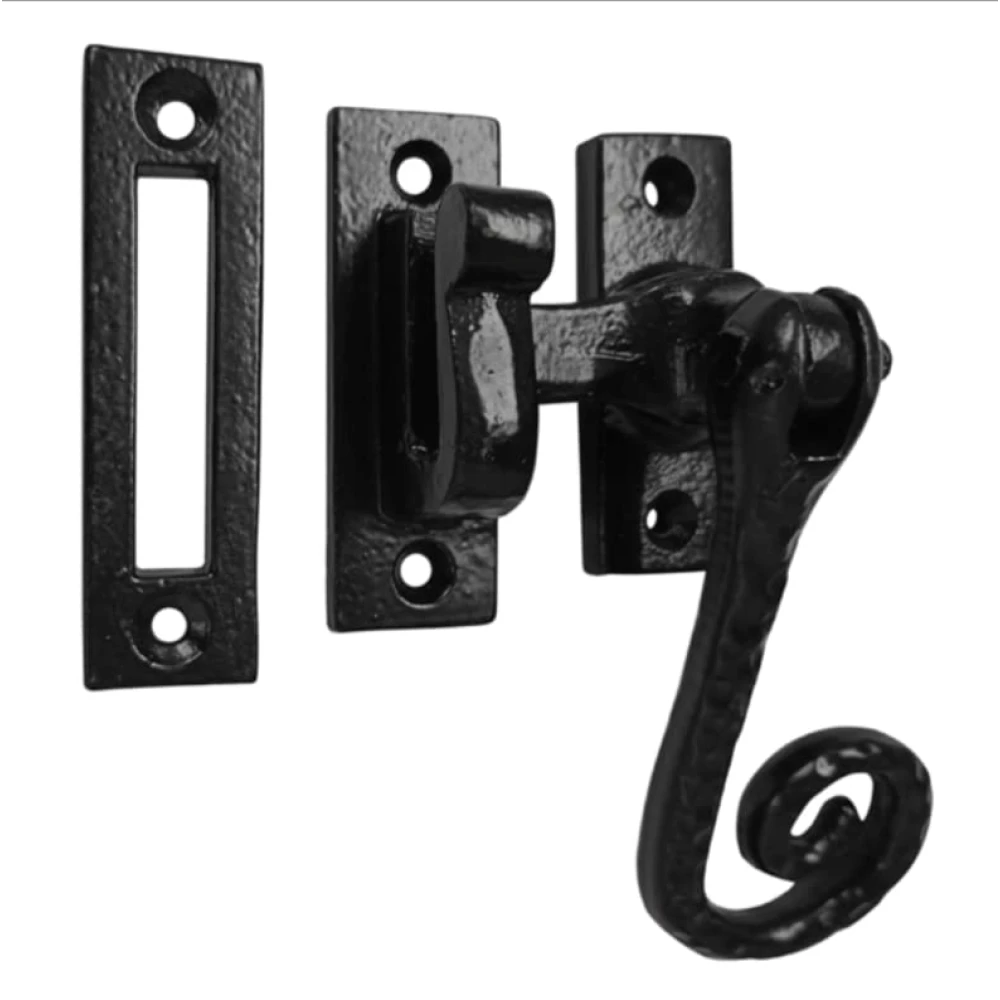
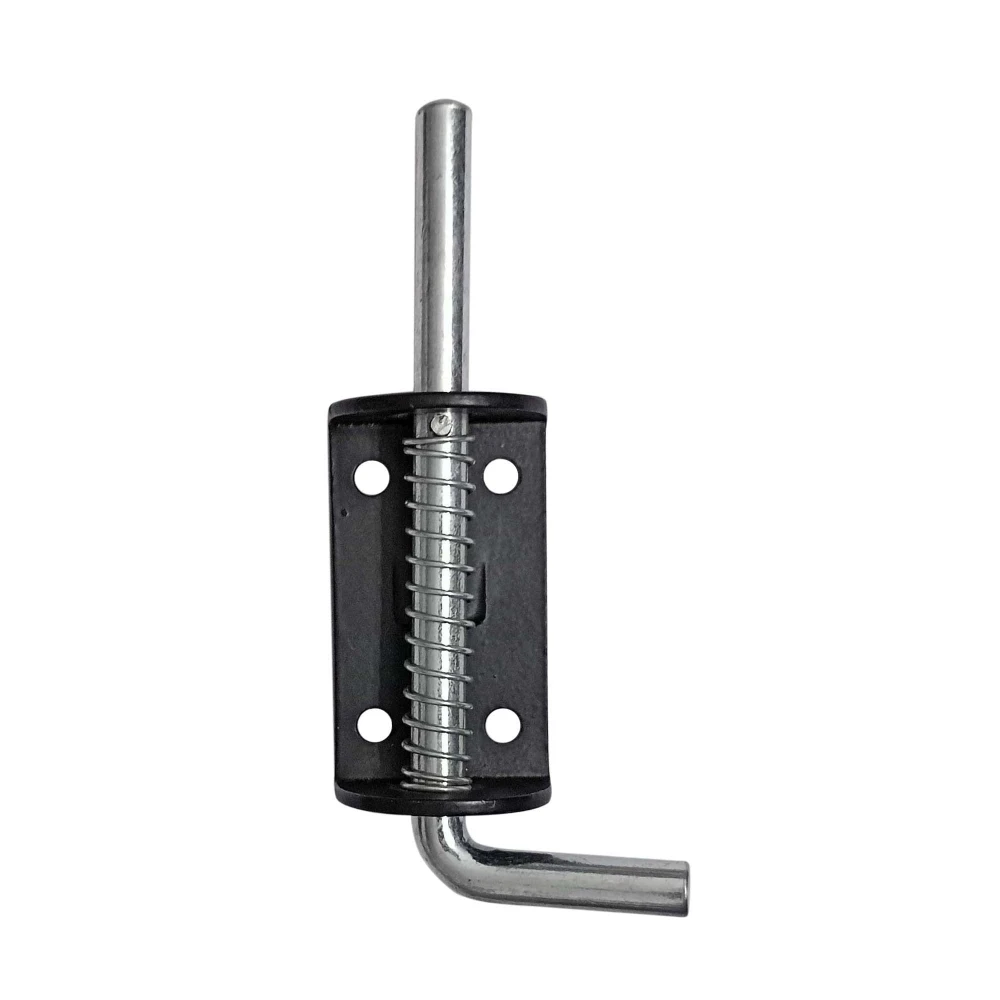
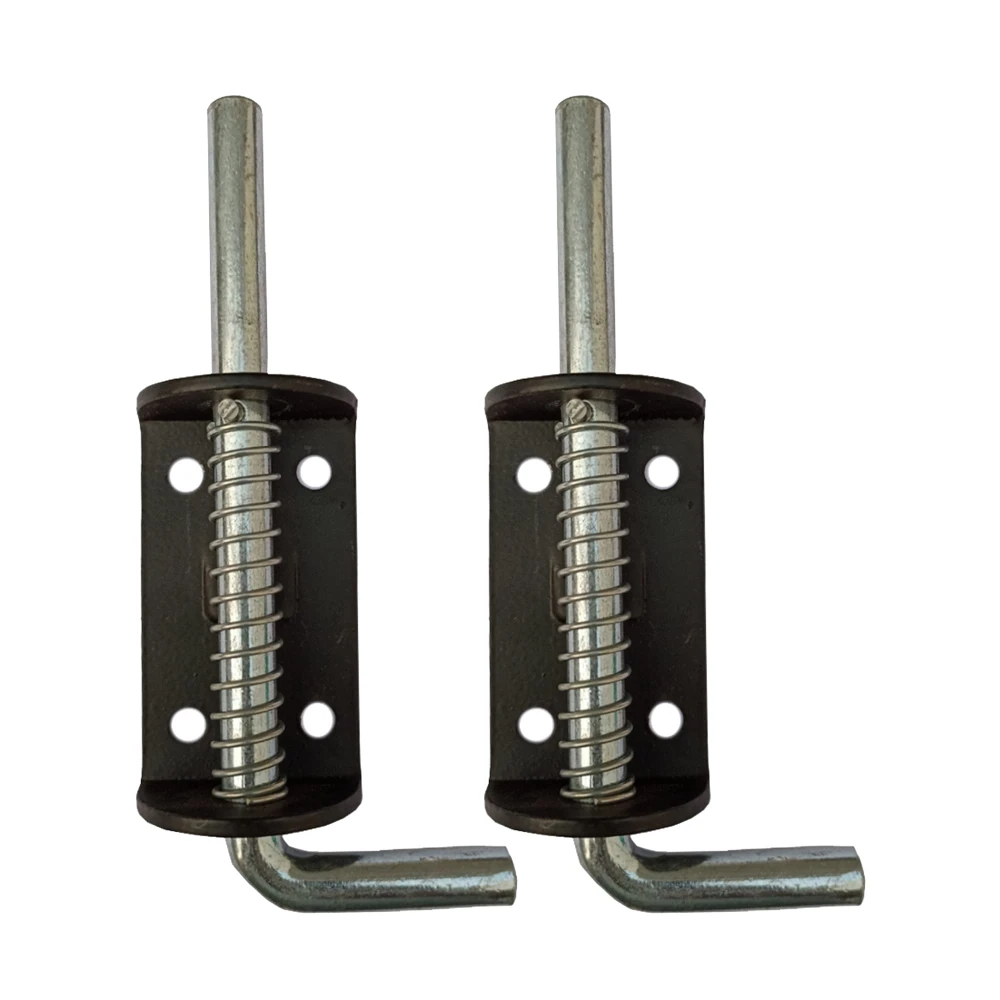
Door latches are fastening devices designed to hold a door, window, cabinet or gate in a closed position. Depending on the design, a latch may use a sliding, rotating or hooking mechanism.
Latches are commonly used where convenient manual fastening is required and can be combined with other hardware according to the security and functionality requirements of the installation.
Door towerbolts provide a straightforward fastening solution for suitable wooden or metal doors. They can be installed at appropriate positions depending on the door design and security requirements.
Choose a towerbolt according to door thickness, available mounting area, bolt length and material compatibility.
Window towerbolts can help keep compatible window panels securely closed. Compact sizes are often suitable for window applications where limited mounting space is available.
Check the window frame material and required bolt dimensions before installation.
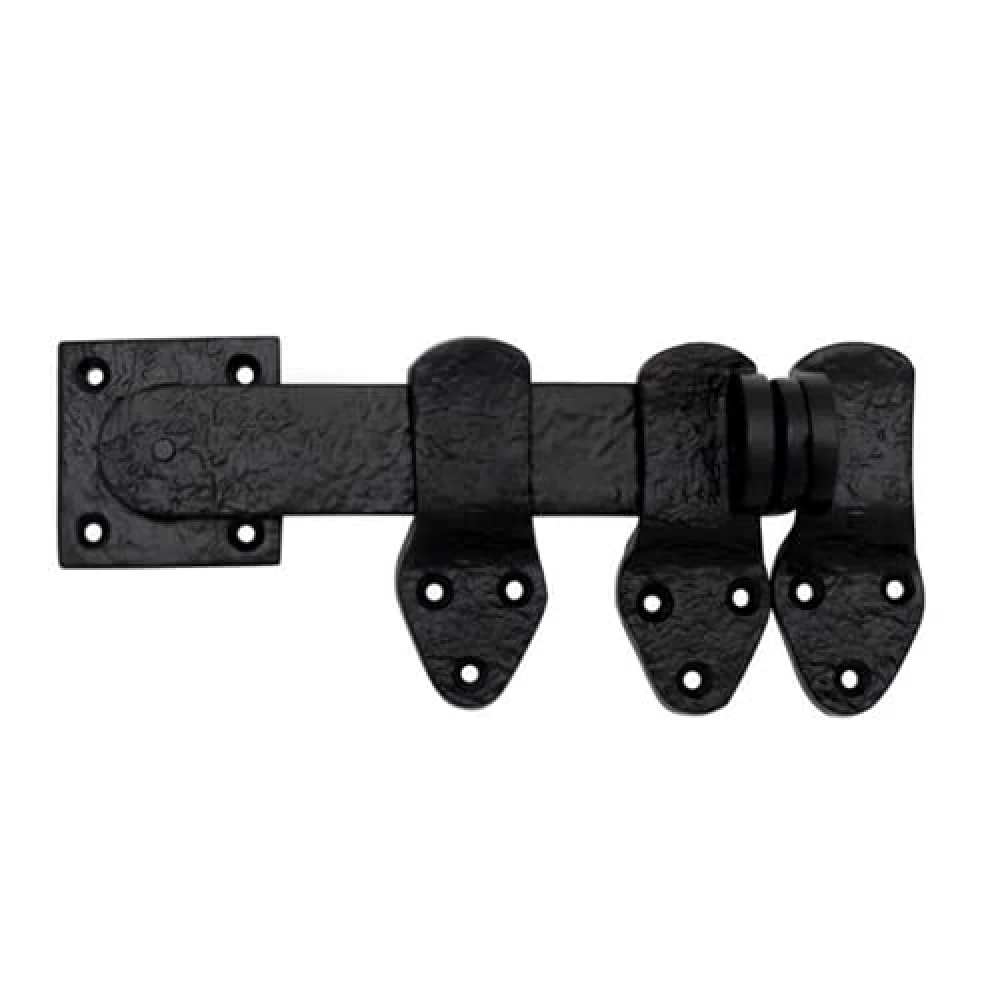
Gate latches provide convenient fastening for suitable entrance gates, garden gates and other outdoor applications. The selected latch should be appropriate for the gate material, weight and exposure conditions.
For outdoor installations, material and finish should be considered carefully to suit environmental exposure.
Barrel bolts use a sliding bolt mechanism that moves into a receiver to secure a door, window or cabinet. They are available in different lengths and can be used for multiple interior and exterior applications depending on product specifications.
Cabinet latches provide a simple fastening solution for storage cabinets, cupboards and furniture doors. Their compact design can make them suitable for smaller furniture applications.
Choose cabinet hardware according to door dimensions, material and the type of opening mechanism used.
Choosing the right Towerbolt & Latch depends on factors such as application, dimensions, material, installation position and required fastening strength.
Hardware requirements differ between lightweight cabinet doors, residential doors, windows and larger gates. Choose a product specifically suitable for the intended installation.
Towerbolts and latches are available in different lengths and widths. Measure the available mounting area before purchasing to ensure that the fitting can be installed properly.
Hardware may be manufactured using different metals and finishes. Choose a material suitable for the installation environment, expected usage and overall appearance of the door or window.
Visible door hardware contributes to the appearance of an interior. Choose finishes that coordinate with door handles, hinges, locks and other nearby fittings.
Review the screw positions, mounting plate dimensions and installation direction before purchasing. Proper alignment is important for smooth bolt or latch operation.
Main doors may use towerbolts as an additional fastening mechanism alongside suitable locking hardware. Depending on the door design, bolts can be installed at appropriate upper or lower positions.
For primary locking requirements, you can also explore Mortise Locks and combine different hardware products according to your door configuration.
Internal doors can use towerbolts where straightforward manual fastening is required. They can be suitable for bedrooms, utility areas, storage spaces and other indoor applications depending on the door design.
Choose a towerbolt that matches the door material and surrounding hardware finish for a coordinated appearance.
Towerbolts can provide a convenient fastening mechanism for compatible windows. Proper placement helps ensure that the bolt aligns correctly with its receiver when the window is closed.
For a complete window hardware setup, explore Door & Window Hinges according to the type and size of your window.
Gate latches should be selected according to the gate's material, size and usage frequency. A suitable latch can provide convenient opening and closing while helping keep the gate secured in position.
Outdoor hardware should also be selected with consideration for moisture, dust and weather exposure.
Compact towerbolts and latches can be useful for cabinets, cupboards and furniture doors where simple fastening is required.
Before installing hardware on furniture, check panel thickness and available mounting area to avoid screws extending through the opposite side.
Towerbolts and door aldrops both provide fastening but use different mechanisms. Towerbolts generally use a smaller sliding bolt, while Door Aldrops are typically larger fittings used across the door surface.
Towerbolts can be useful for compact or additional fastening, while aldrops may be selected for suitable entrance doors and larger installations.
A towerbolt provides manual sliding fastening, while a Mortise Lock is installed within a prepared section of a compatible door and provides a different locking mechanism.
Depending on the door requirements, towerbolts may be used as additional hardware alongside a primary locking system.
Proper door movement and fastening depend on different hardware components working together. While towerbolts help secure the door in a closed position, hinges support opening and closing movement.
Explore Door & Window Hinges and select fittings according to door size, weight, material and installation requirements.
A towerbolt helps secure a door when closed, while a Door Stopper helps manage door movement when it is opened.
Using suitable fastening and movement-control hardware can help create a more practical door setup while protecting nearby walls and furniture.
When installing towerbolts on wooden doors, consider door thickness, screw length and the strength of the mounting area. The bolt and receiver should align correctly so that the mechanism slides smoothly.
Choose hardware dimensions proportionate to the size and weight of the door.
Metal doors may require different fasteners or installation techniques compared with wooden doors. Check whether the selected hardware and mounting screws are suitable for the door material.
Professional installation can be considered where drilling or modification of metal surfaces is required.
Outdoor doors and gates may be exposed to rain, humidity, dust and changing temperatures. Select towerbolts and latches with materials and finishes suitable for the intended environment.
Periodic cleaning and inspection can help keep moving components operating properly.
A towerbolt should be positioned so that the sliding bolt aligns correctly with the receiver when the door or window is closed. Mark mounting points carefully before drilling.
Install the main bolt body securely and then position the receiver according to the bolt movement. Test the mechanism several times to ensure smooth operation and correct alignment.
For large doors, gates or installations requiring structural modification, professional installation may be preferable.
Placement depends on the type of door or window and the intended fastening requirement. Towerbolts may be installed horizontally or vertically depending on the product and application.
The fitting should remain accessible for everyday operation while being positioned where it can securely engage with the receiver.
Dust and dirt can collect around sliding mechanisms over time. Regular cleaning can help maintain smooth movement and the appearance of the hardware.
Use cleaning methods appropriate for the product material and finish. Avoid abrasive cleaners that may scratch or damage decorative surfaces.
Inspect screws and mounting points periodically and tighten loose components when necessary.
Poor alignment between the bolt and receiver can make the hardware difficult to operate. Changes in door alignment or loose screws may also affect movement over time.
If the bolt does not slide smoothly, inspect the mounting position and check whether the receiver remains properly aligned.
Towerbolts and latches can be combined with other products from the Cabinet, Door & Window Hardware collection to create a complete installation.
Explore Mortise Locks for suitable locking requirements, Door & Window Hinges for smooth movement, Door Stoppers for controlling door movement and Door Aldrops for additional fastening options.
Upgrade your doors, windows, gates and cabinets with practical and durable towerbolts and latches online at InteriorChowk. Compare different sizes, materials, finishes and designs to choose hardware suitable for your installation requirements.
Browse the complete Towerbolt & Latches collection at InteriorChowk and find reliable fastening hardware for residential, commercial and furniture applications.