

Showpeices, Vases & Accents 160 Products
- Filter
- Product Type
- Size
- Rating
- Sort
- Delivery
- Discount
- Color
- Brand
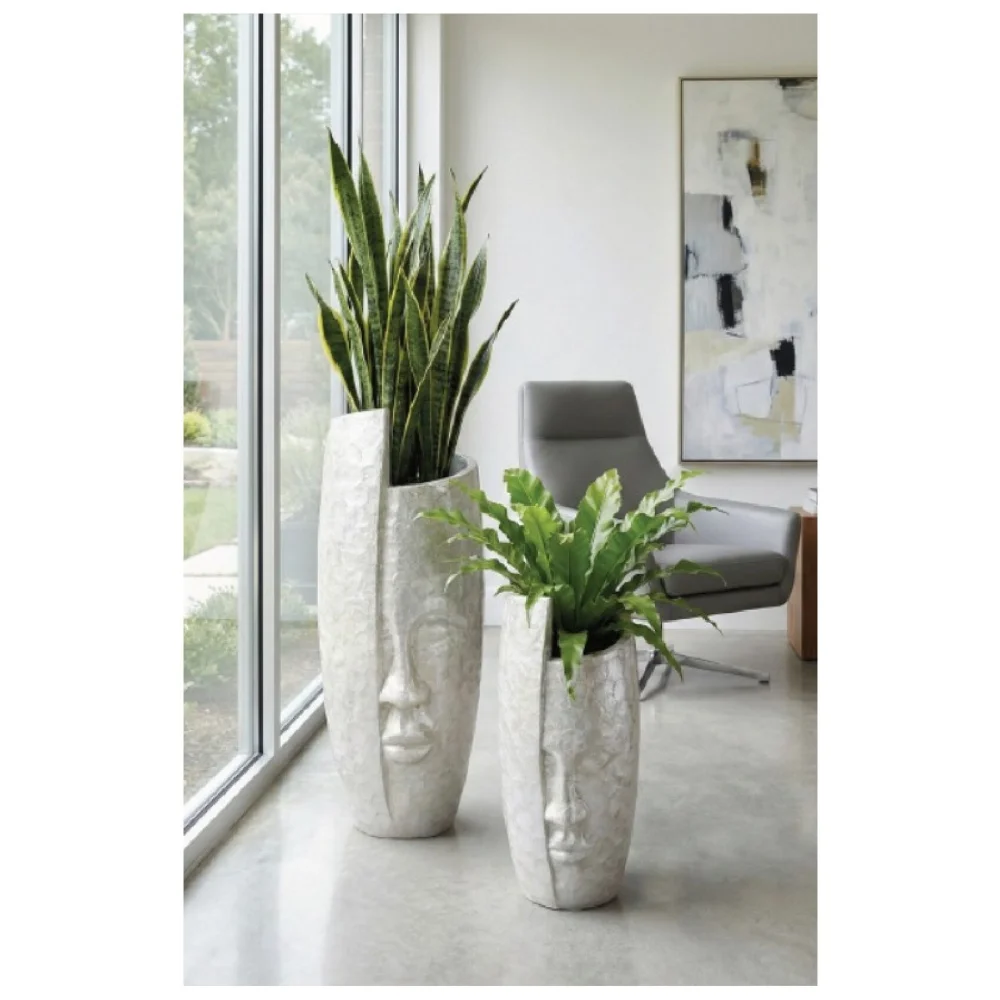
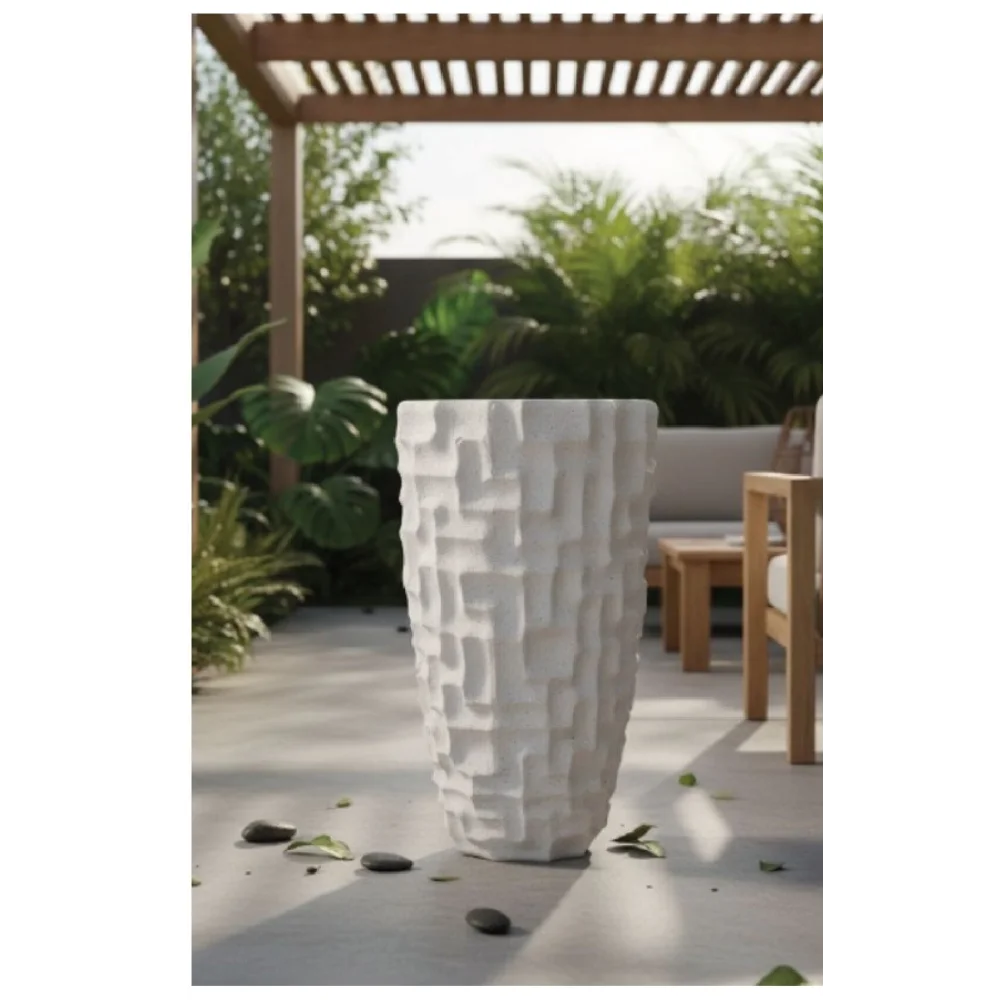
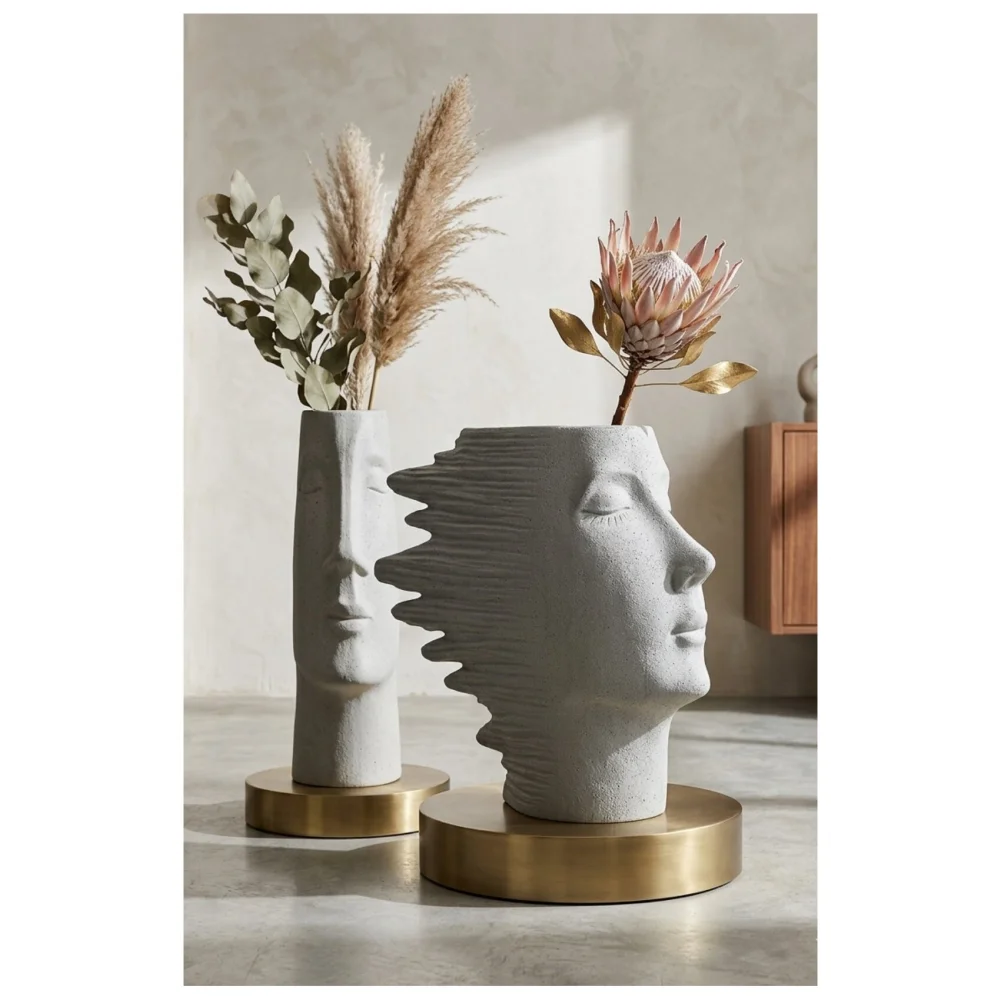
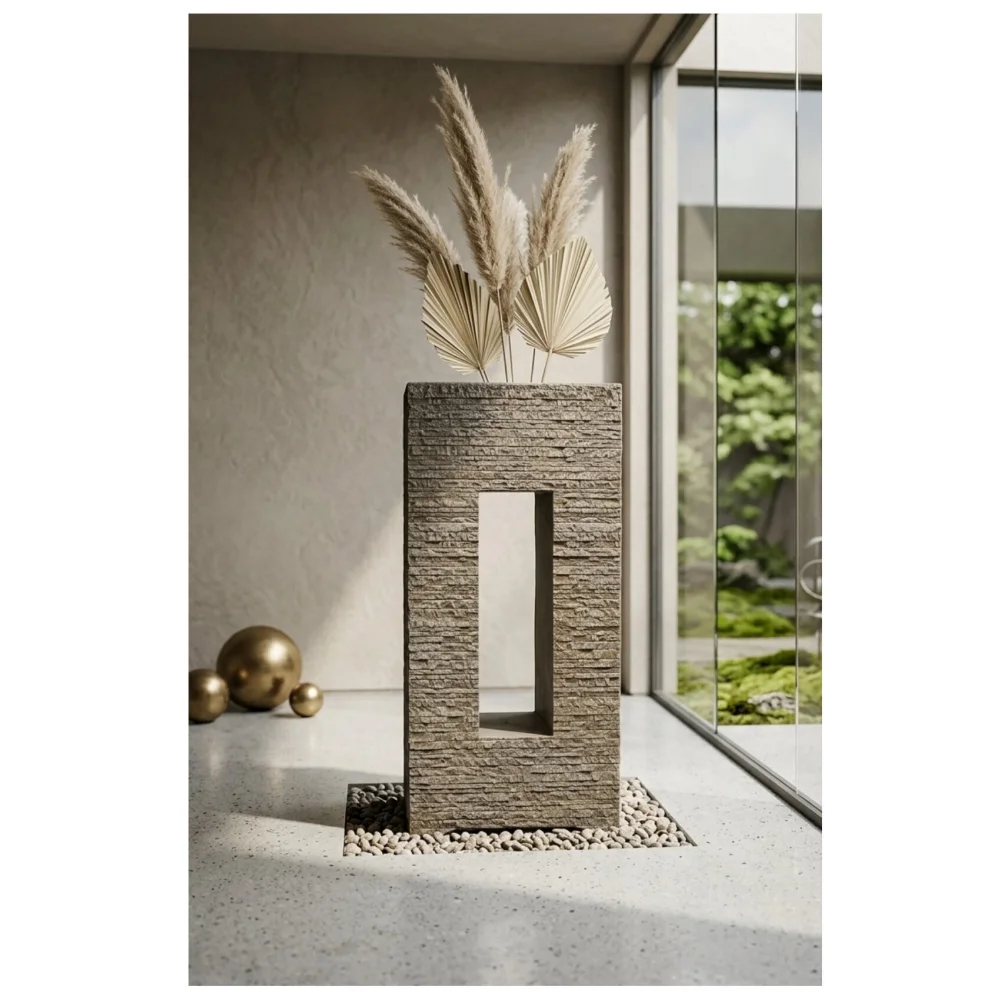
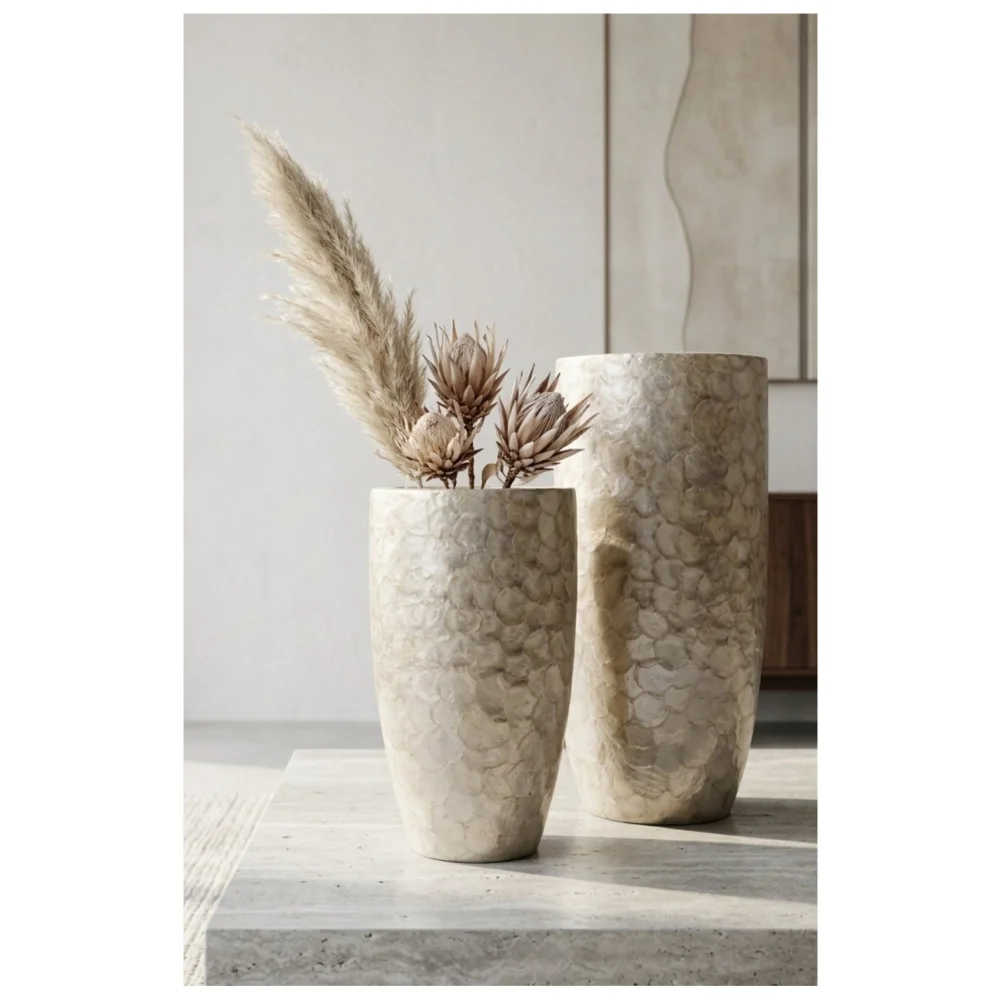
Give empty tables, shelves and corners a more finished appearance with thoughtfully selected showpieces, vases and decorative accents. These decor accessories can introduce colour, texture, artistic detail and personality without requiring major changes to furniture or room layouts.
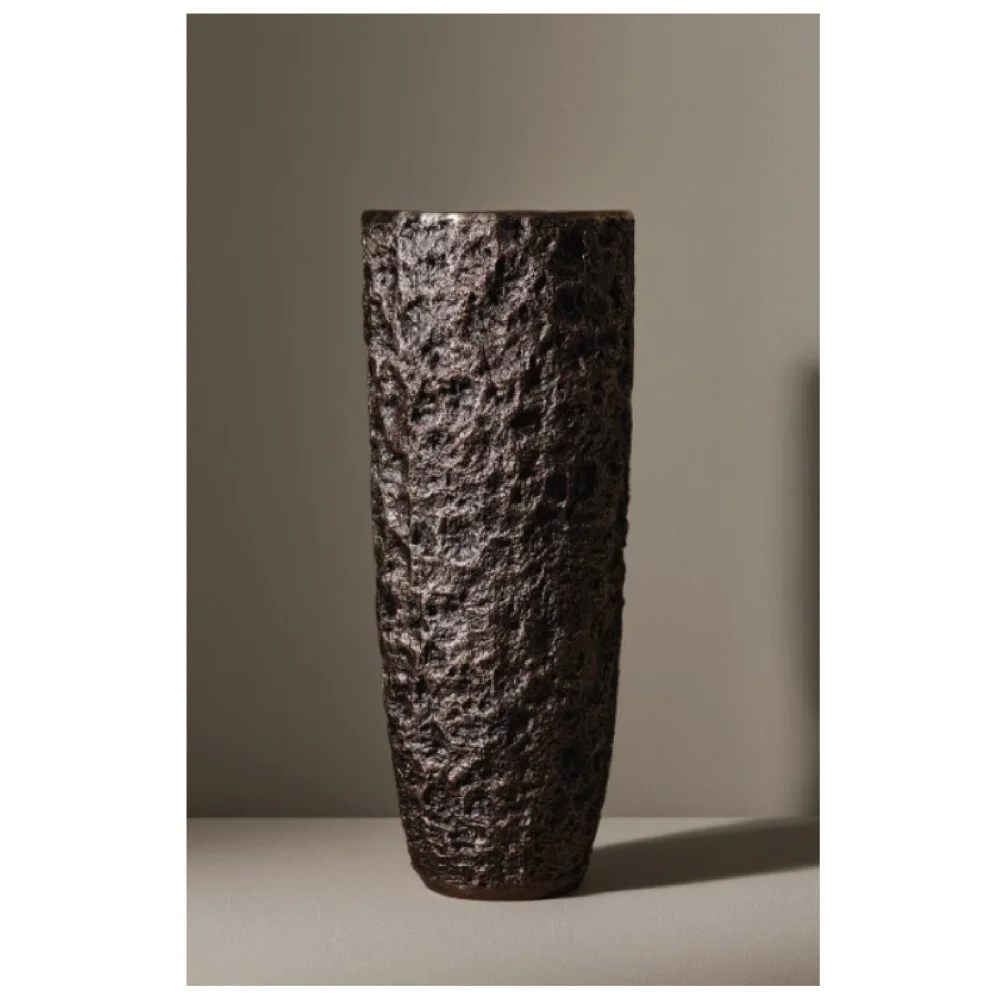
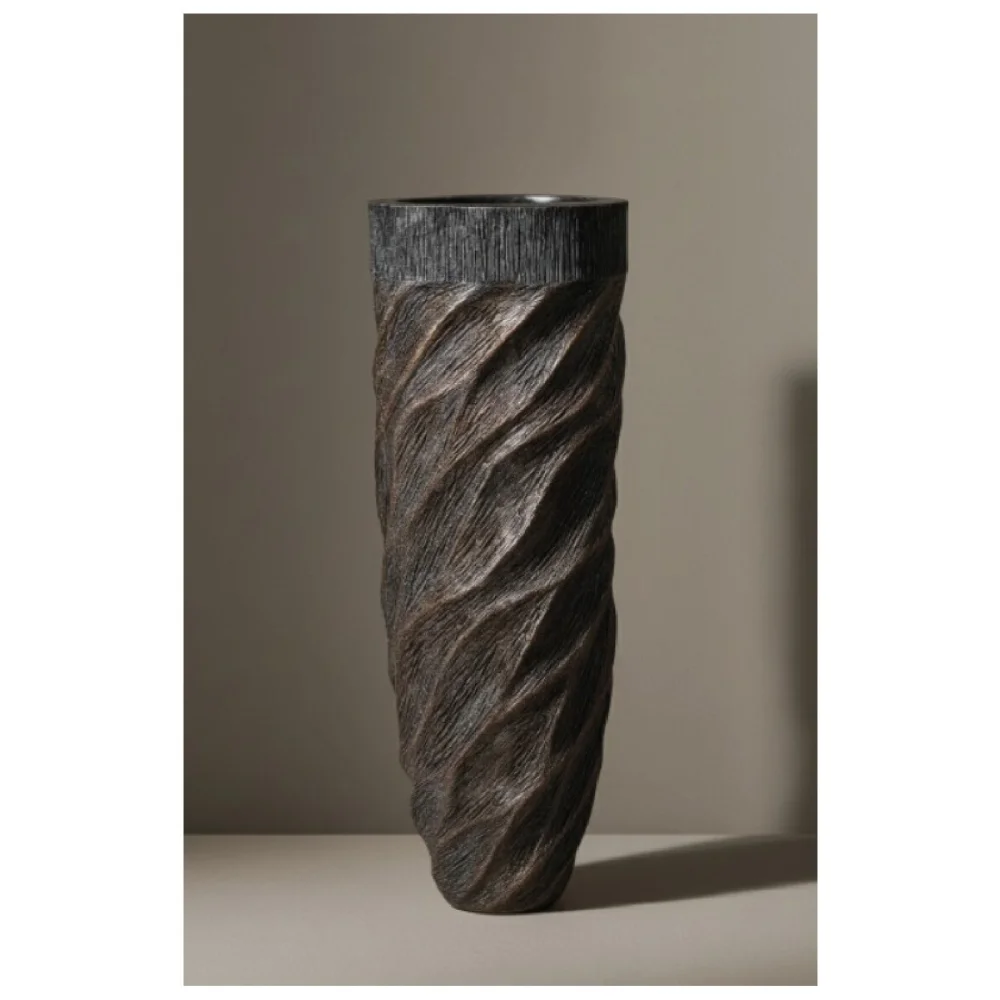
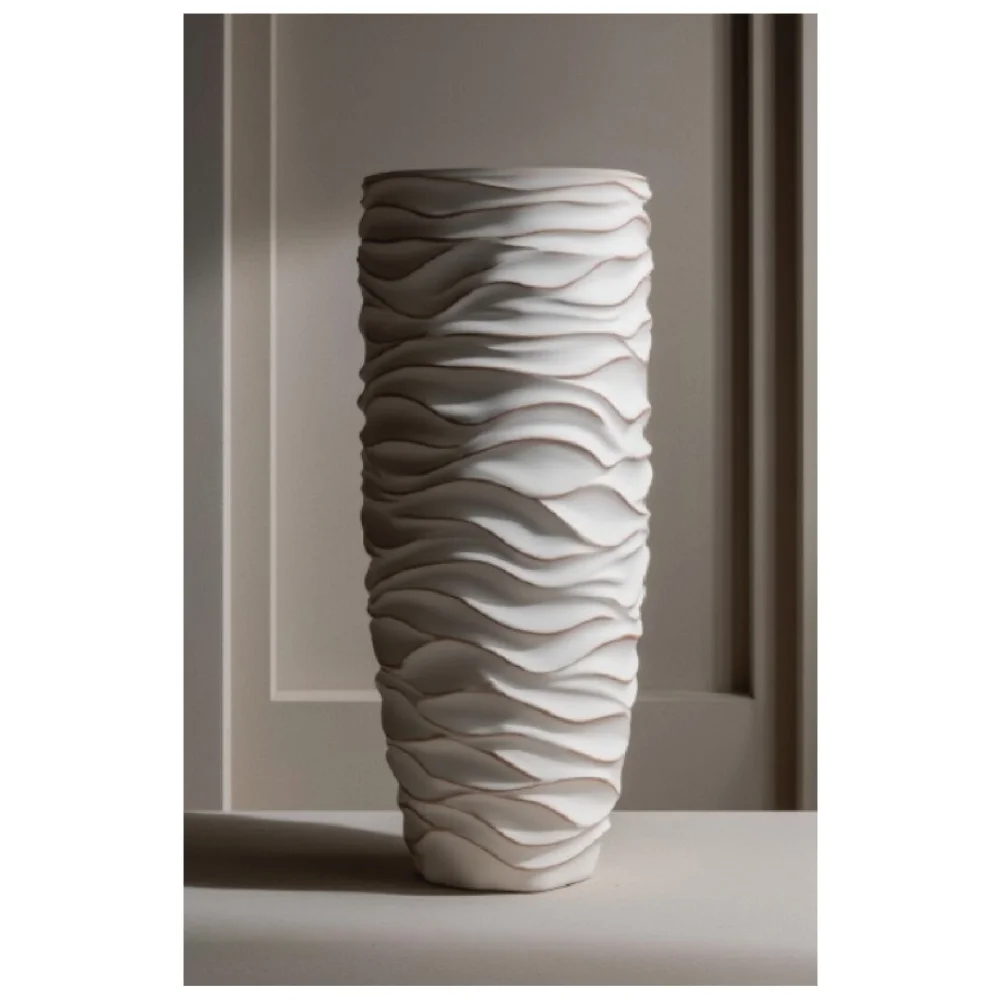
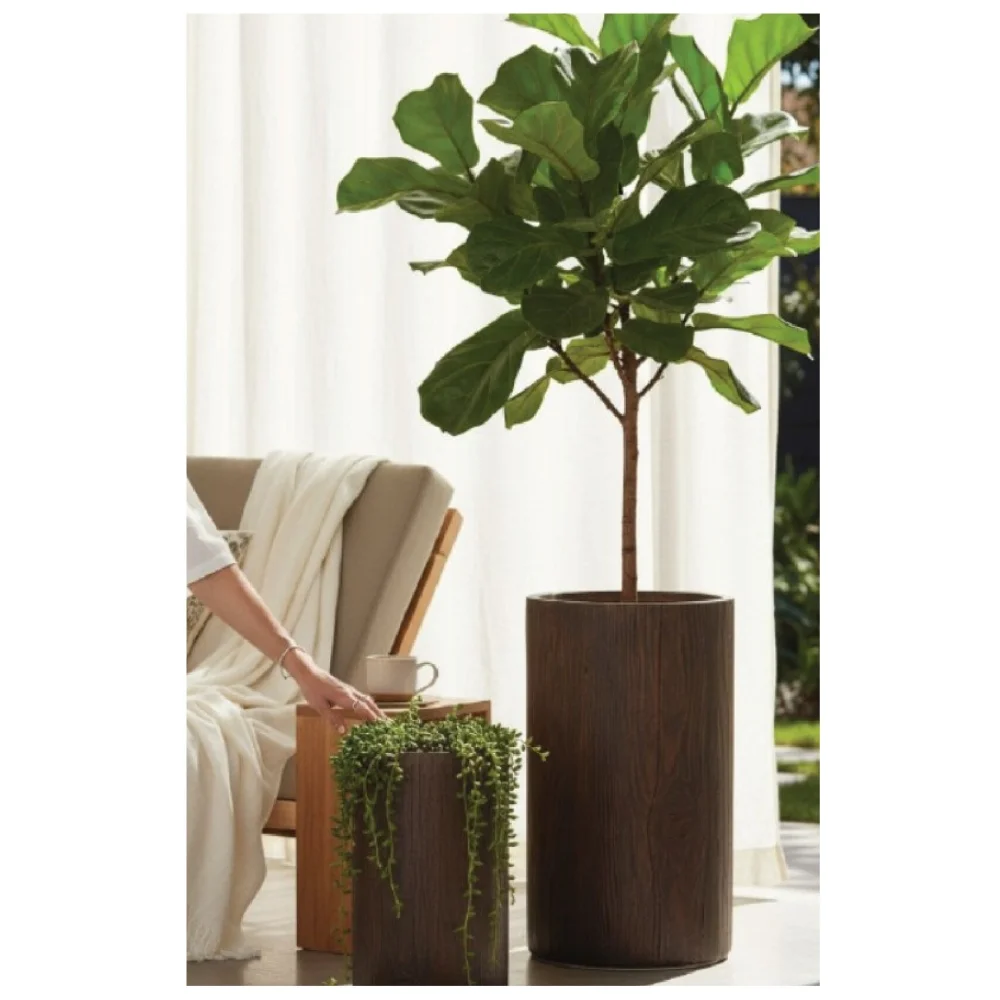
Decorative vases can be styled with flowers, artificial stems or as standalone pieces, while tabletop showpieces can help create focal points on consoles, centre tables, sideboards, shelves and workspaces.
At InteriorChowk, explore Showpieces, Vases & Accents including Vases and Table top Showpiece designs for different rooms, interior styles and decorative requirements.
Small decorative accessories can have a noticeable impact on how complete an interior feels. A carefully positioned vase or showpiece can help fill visually empty areas, complement existing furniture and introduce a decorative theme without overcrowding the room.
The best choice depends on the available surface, product dimensions, material, colour, surrounding furniture and the overall style of your home.
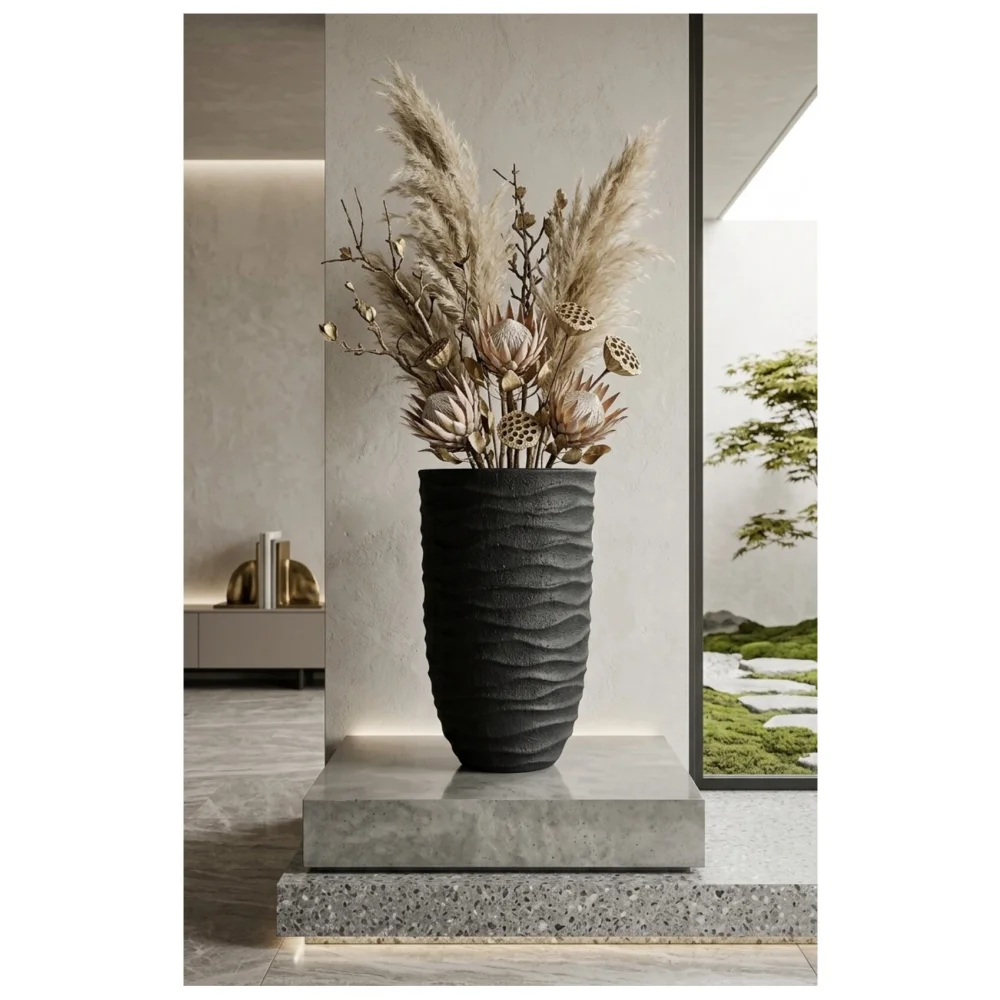
Vases are versatile decorative accessories that can be displayed with flowers, artificial stems, dried arrangements or independently as statement pieces.
They can be placed on centre tables, consoles, dining tables, shelves, sideboards and other suitable surfaces depending on their size and design.
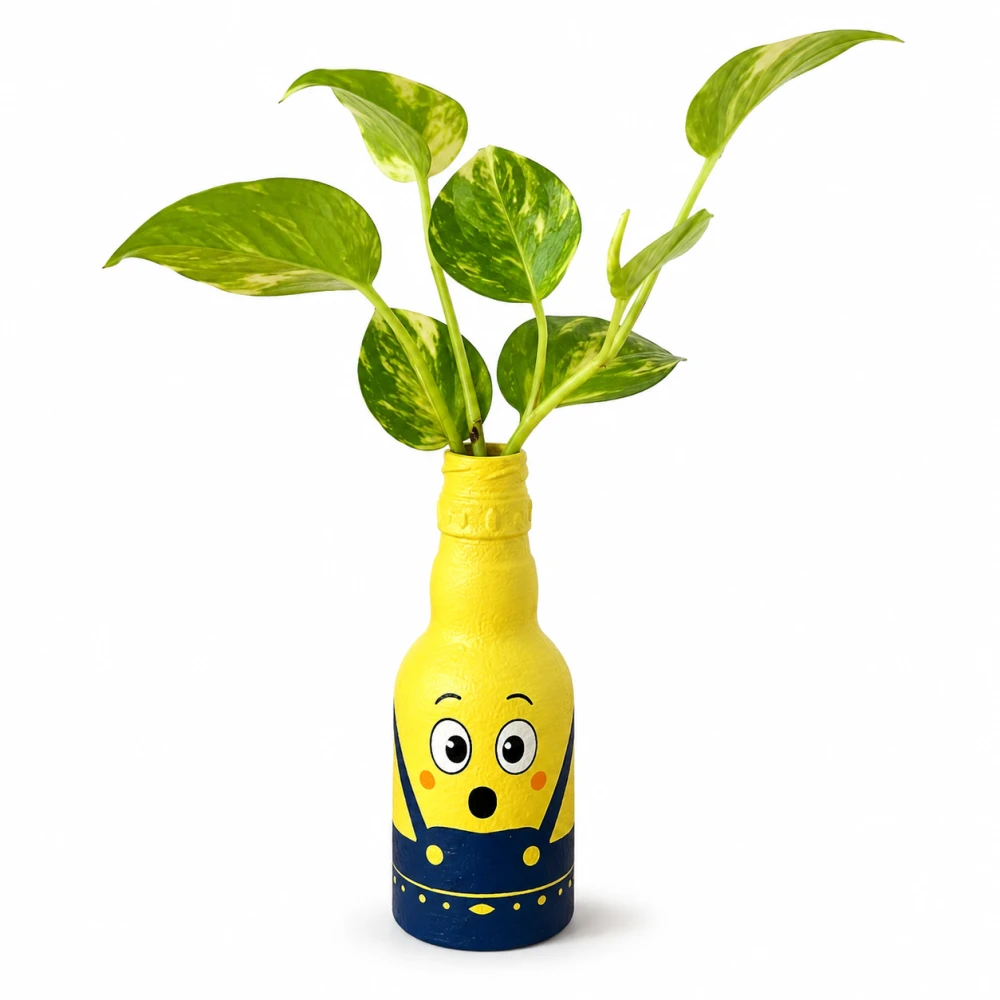
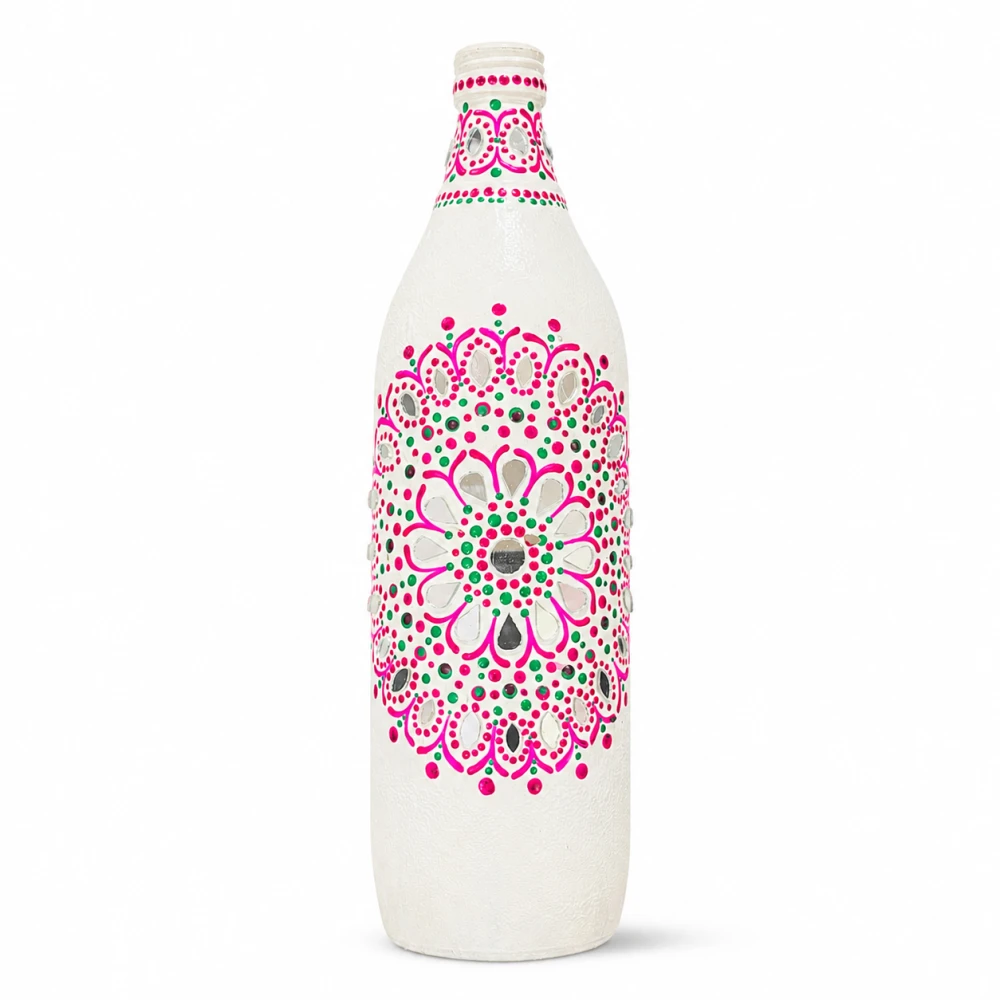
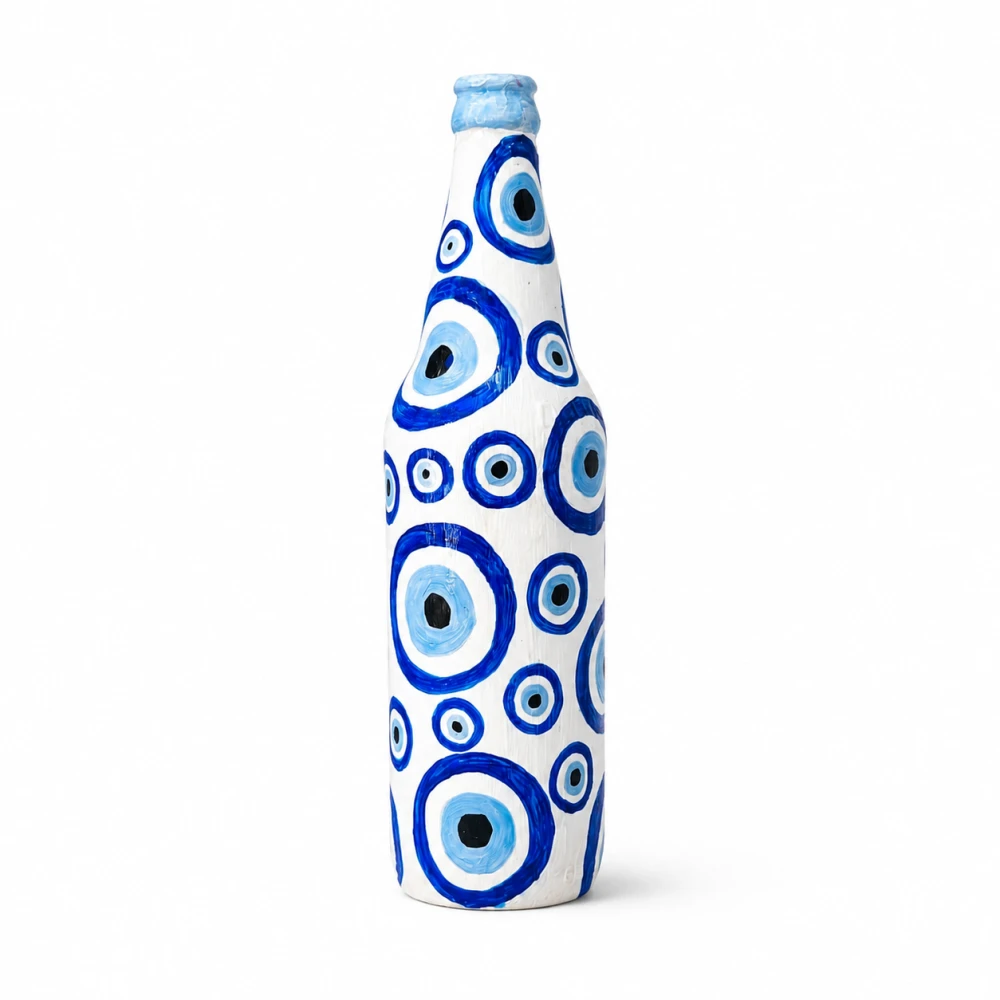
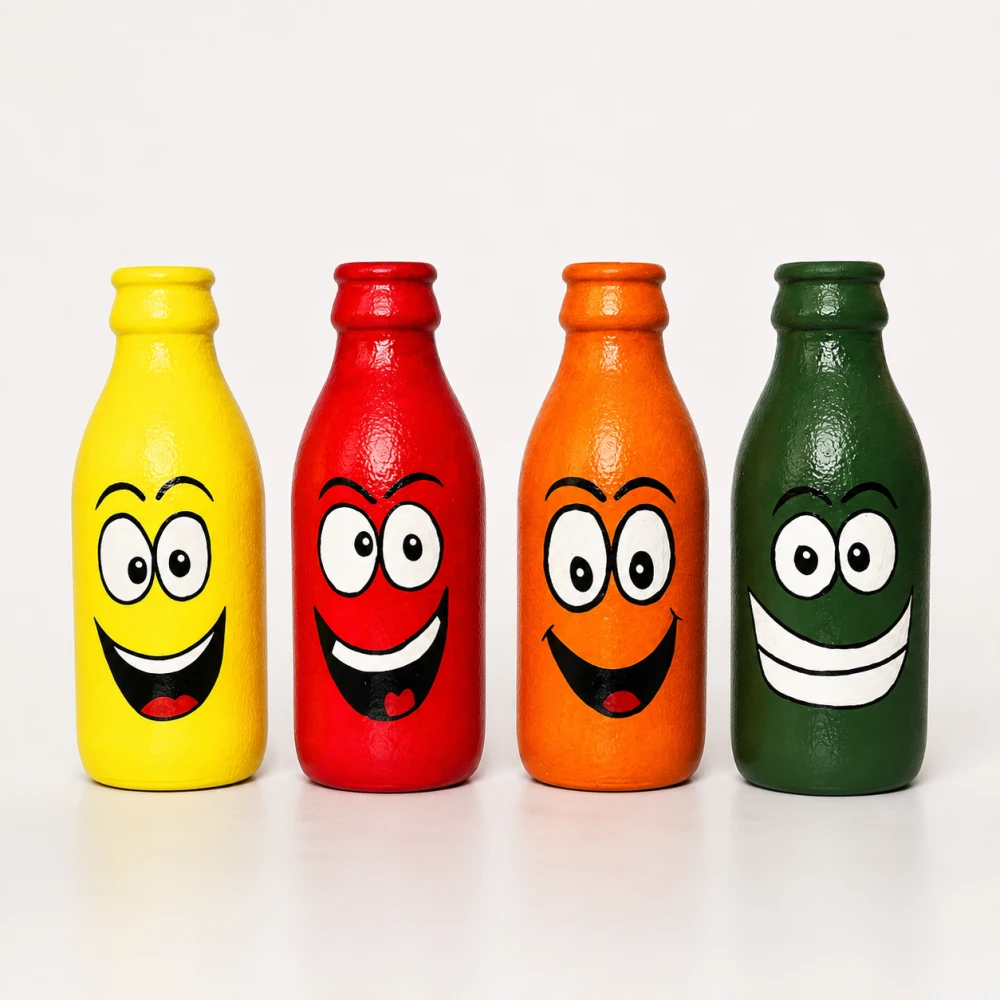
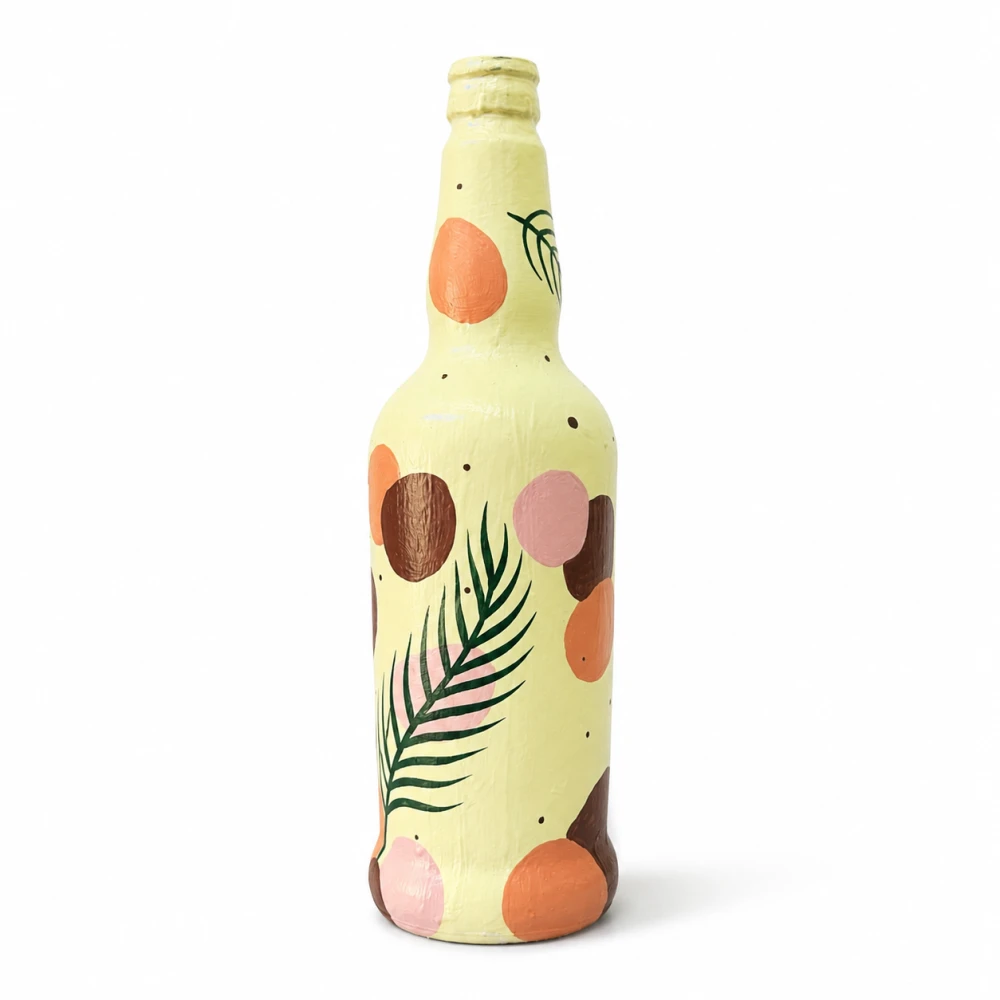
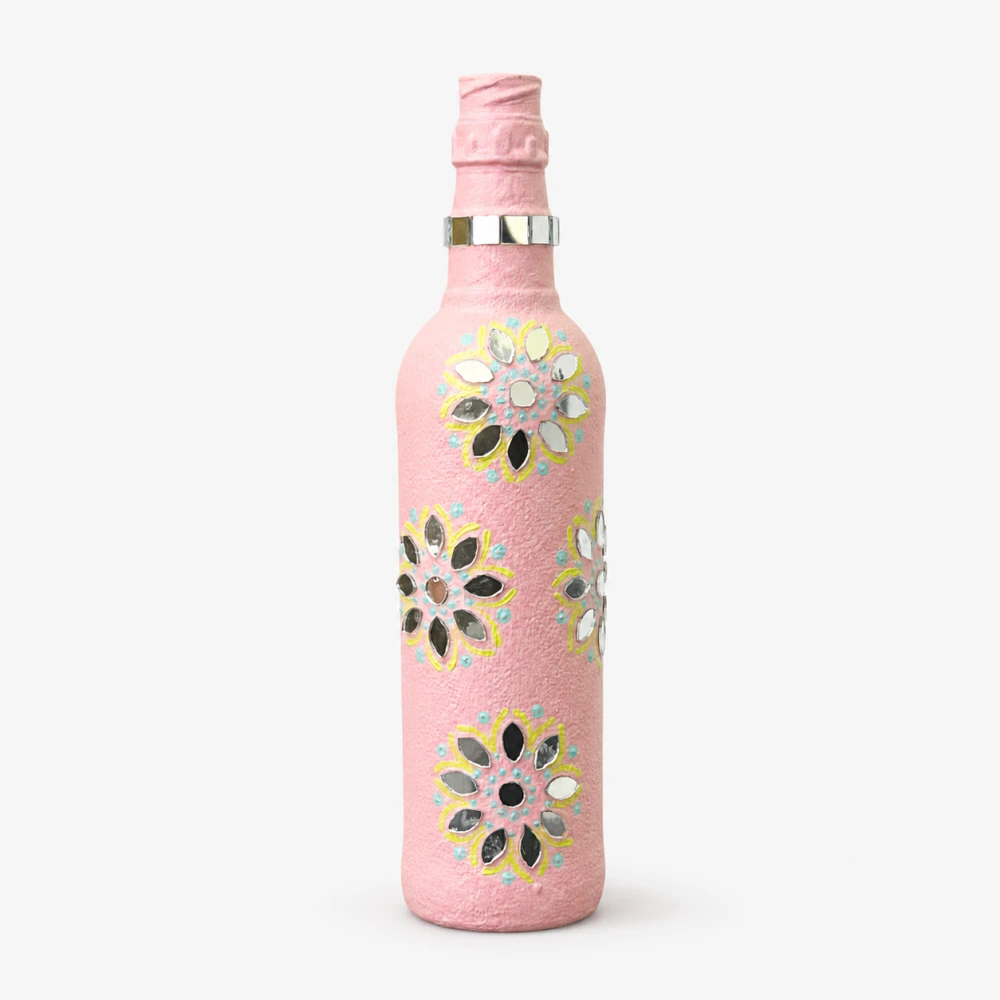
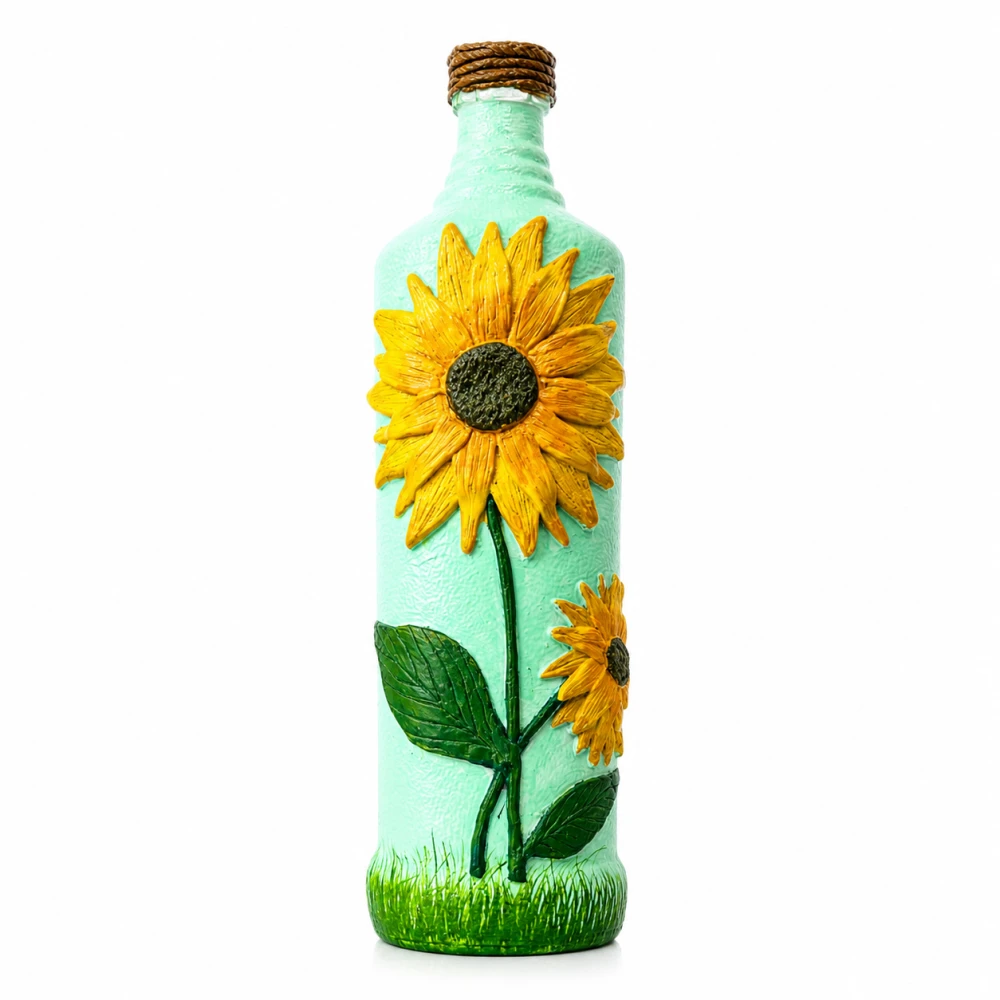
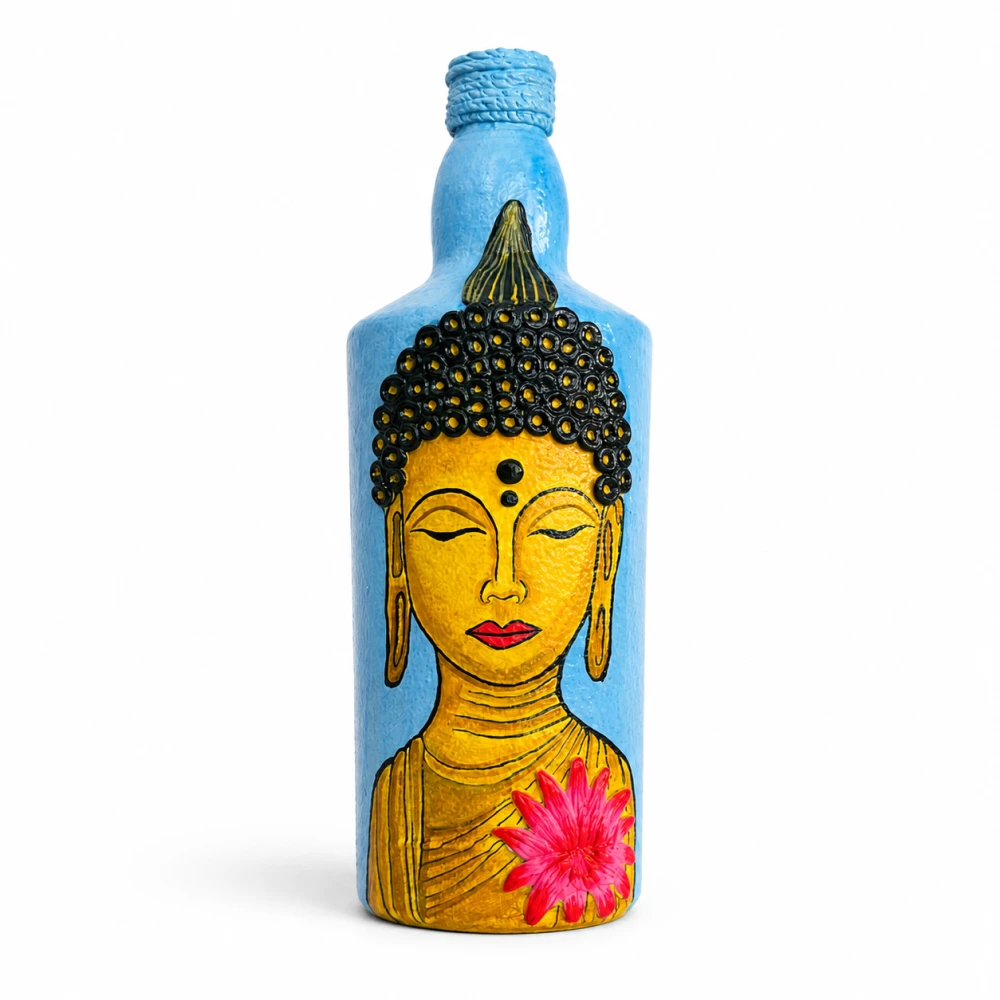
Vases may feature ceramic, terracotta, glass, metal or other materials and can range from simple contemporary forms to colourful handcrafted-style designs.
Before choosing a vase, consider its height, opening width, base stability, material and the type of arrangement you intend to create.
Table top Showpiece designs can add artistic character to centre tables, consoles, shelves, workspaces and other display surfaces.
Tabletop decor may include figurines, miniature decorative objects, sculptural pieces and artistic forms depending on the available collection.
Showpieces can be selected according to the room theme, furniture finish, available space and the visual effect you want to create.
Avoid selecting a showpiece only because it looks attractive individually. Consider how its dimensions, colour and material will work with the surrounding decor.
Tabletop vases are designed for placement on furniture such as centre tables, dining tables, sideboards, shelves and consoles.
Compact designs can work well on smaller surfaces, while taller or wider vases may provide a stronger decorative presence on larger furniture.
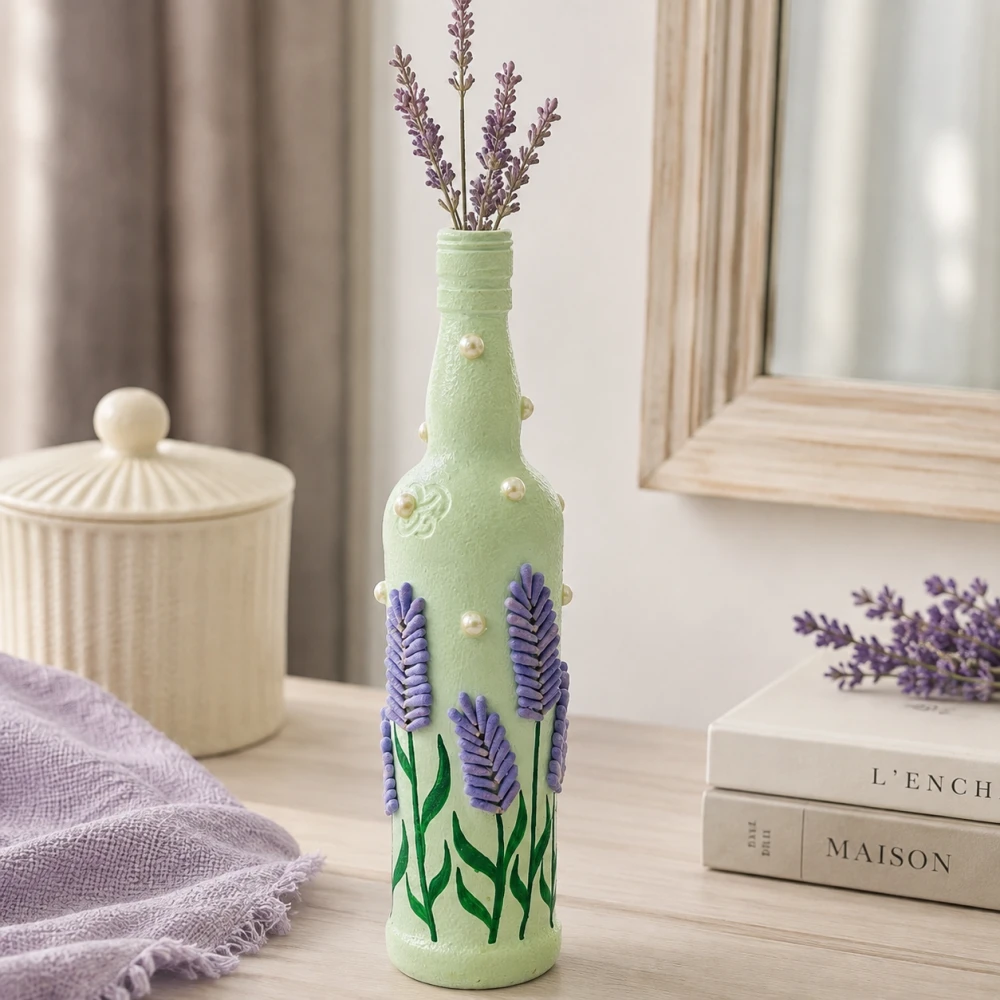
Flower vases can be used to display suitable fresh flowers, artificial flowers, dried stems or other decorative arrangements depending on the vase material and intended use.
Check the opening width and height before choosing flowers or stems so that the arrangement remains visually proportionate.
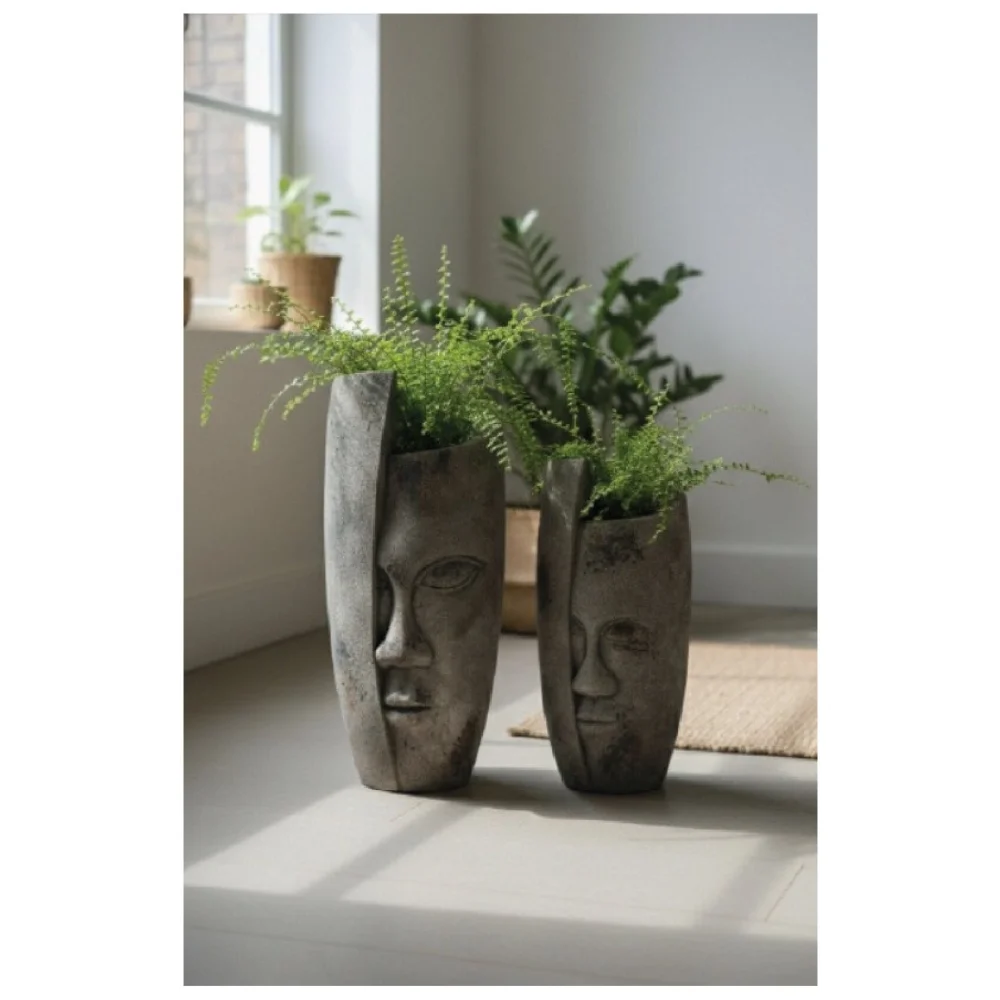
Decorative vases may be selected primarily for their shape, colour, pattern or surface finish rather than only for holding flowers.
These vases can be displayed independently as sculptural decor on shelves, consoles and side tables.
Terracotta vases can introduce earthy colours and handcrafted character into an interior.
Painted, patterned and natural-looking terracotta designs can complement traditional, rustic, bohemian and eclectic interiors.
Check whether the specific vase is intended to hold water before using it with fresh flowers.
Ceramic vases can be available in simple, textured, colourful and artistic designs.
They can work well in modern bedrooms, living rooms, dining spaces and contemporary console arrangements.
Since ceramic products can chip or break if dropped, place them on stable surfaces.
Metal vases can provide a structured and contemporary appearance.
Metallic finishes may complement modern, industrial and luxury-inspired interiors, depending on the specific design.
Consider the surface finish and maintenance requirements before selecting a metal decorative piece.
Statement vases generally use distinctive shapes, larger dimensions, bold colours or decorative surfaces to attract attention.
A strong statement vase often works best when the surrounding arrangement is relatively simple.
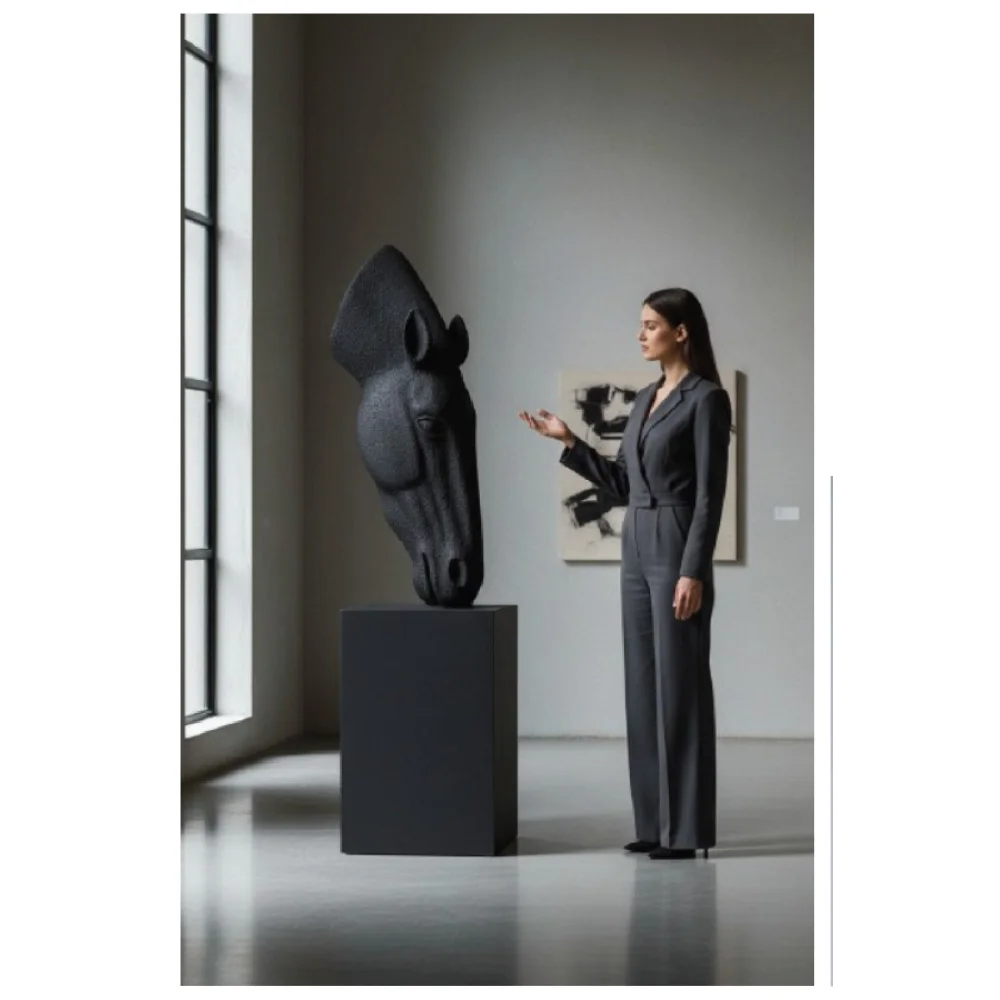
Decorative figurines can add artistic character and personality to shelves, side tables, consoles and other display areas.
They may represent people, animals, abstract forms or other decorative themes depending on the design.
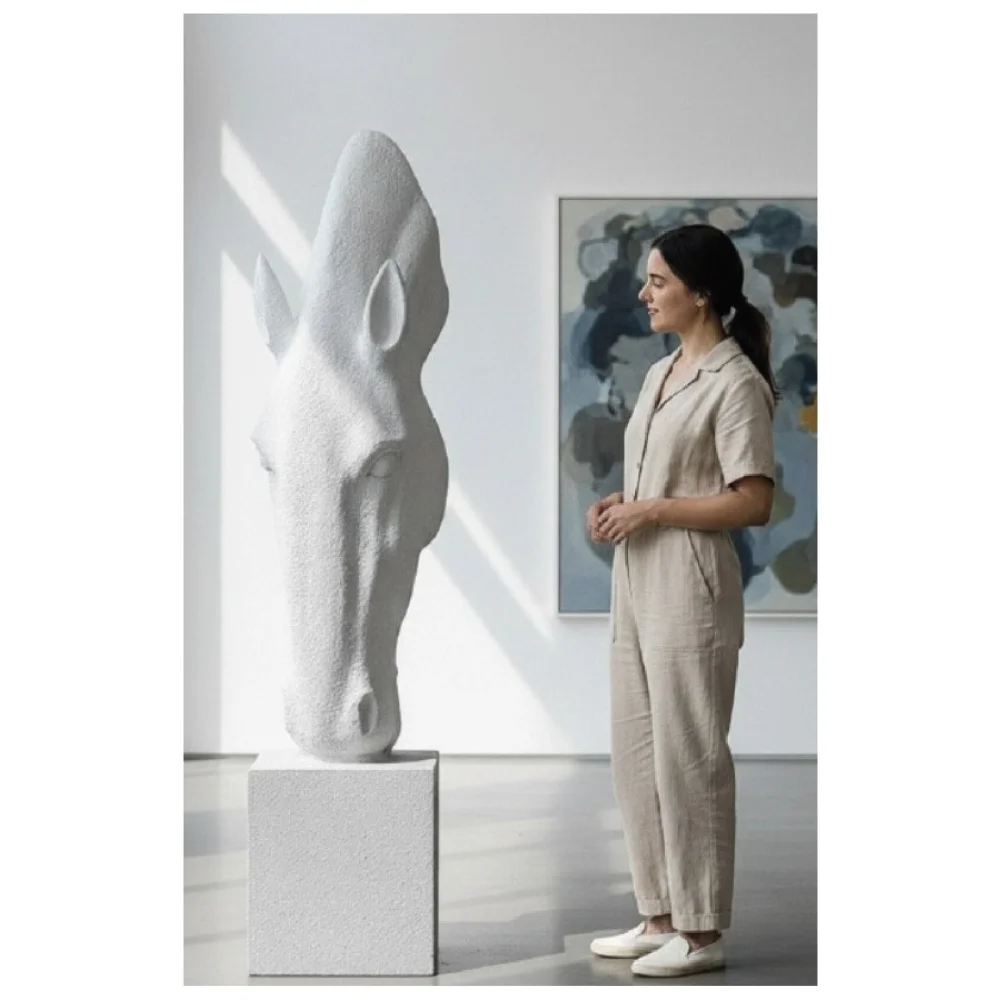
Animal-inspired showpieces can bring a distinctive decorative element to modern, traditional and eclectic interiors.
Consider the size and visual detailing carefully so the showpiece fits naturally with the furniture where it will be displayed.
Figurines representing human forms, activities or traditional scenes can add storytelling and artistic detail to an interior.
They can work well on display shelves, console tables and larger tabletop arrangements.
Abstract decorative pieces focus on form, shape and visual composition rather than representing a specific object.
These designs can complement contemporary and modern interiors where artistic accessories are preferred.
Traditional decorative pieces may feature handcrafted-style detailing, cultural motifs, warm colours or classic forms.
They can complement wooden furniture and interiors featuring traditional decorative elements.
Metallic finishes can create a more structured and visually prominent appearance.
Gold-tone, silver-tone, brass-tone and darker finishes may coordinate with furniture hardware, lighting fixtures and other decorative accessories.
Terracotta showpieces can introduce earthy colours, handcrafted-style textures and traditional decorative character.
They can be particularly suitable for shelves, consoles and homes featuring natural or rustic interior themes.
Terracotta and clay can provide earthy texture and handcrafted visual appeal.
These materials may feature natural surfaces, painted patterns or detailed decorative work depending on the product.
Handle clay-based decor carefully because it can chip or break if dropped.
Ceramic is suitable for both simple and highly decorative forms.
Smooth, textured and glazed finishes can allow ceramic decor to suit modern, colourful and traditional interiors.
Metal can provide strength, structure and a wide range of decorative finishes.
Metallic showpieces can work particularly well with contemporary, industrial and premium-looking interiors.
Glass can create a visually lighter appearance and may help reflect surrounding light.
Clear, coloured and textured glass can produce different decorative effects.
Glass products should always be placed on stable surfaces and handled carefully.
Polyresin and similar materials can support detailed sculptural forms, textures and decorative finishes.
These materials may be used for figurines, artistic sculptures and statement tabletop pieces.
Some decorative objects combine multiple materials to create contrast between different textures and finishes.
Mixed-material pieces can work well in interiors where furniture and accessories already feature combinations of wood, metal, glass or stone-inspired surfaces.
Modern decorative accessories generally feature cleaner forms, contemporary materials and limited ornamental detailing.
Simple Vases and sculptural Table top Showpiece designs can complement modern furniture and neutral interiors.
Minimalist styling focuses on fewer decorative objects with more open space around each piece.
One well-selected vase or showpiece can often create more impact than several competing accessories on the same surface.
Traditional decorative styling may use warmer colours, detailed patterns, terracotta, metal finishes and handcrafted-style forms.
These pieces can coordinate well with wooden furniture, rich fabrics and classic interior arrangements.
Rustic decor generally emphasizes natural textures, earthy colours and handcrafted-looking materials.
Terracotta vases and clay decorative objects can work naturally within this style.
Bohemian interiors can combine colours, patterns, handcrafted objects and decorative accessories from different visual styles.
Colourful vases and artistic showpieces can help create a layered, expressive arrangement.
Metallic finishes, sculptural forms and carefully styled decorative pieces can contribute to a more refined interior appearance.
Use statement accessories selectively so the space remains elegant rather than visually overcrowded.
Living rooms provide multiple surfaces where decorative accessories can be displayed.
Use Vases on centre tables, consoles or side tables and place suitable Table top Showpiece designs on shelves or larger furniture surfaces.
Coordinate the size of each accessory with nearby sofas, tables and cabinets.
Bedrooms generally benefit from smaller, calmer decorative arrangements.
Compact vases and selected showpieces can be positioned on dressers, bedside tables or open shelves where they do not interfere with everyday use.
Entrance consoles can create a strong first impression with one statement vase or decorative showpiece.
Keep enough free surface space for keys and other everyday items rather than filling the entire console with decor.
A decorative vase can work as a dining-table centrepiece when its height and width are suitable for the table.
Avoid arrangements that unnecessarily obstruct visibility between people seated across the table.
Compact decorative pieces can add personality to a home office without reducing valuable working space.
Place showpieces on shelves or corners rather than directly in the primary laptop and writing area.
Shelves can combine books with selected showpieces and smaller vases to create visual variety.
Leave some open space between accessories so individual pieces remain visible.
Measure the furniture surface before choosing decorative objects.
A large showpiece may overwhelm a narrow shelf, while a very small accessory may appear visually insignificant on a large console.
Height affects both visual balance and practical use.
Tall vases can work well on consoles and larger sideboards, while shorter decor may be more suitable for centre and dining tables.
A decorative object should have enough base stability for the surface where it will be displayed.
Avoid placing tall or top-heavy pieces close to furniture edges.
Ceramic and glass can provide a refined appearance, terracotta can add handcrafted character and metal can introduce a stronger contemporary finish.
Select a material that suits both your interior style and maintenance preferences.
Look at the dominant furniture, wall and furnishing colours in the room.
Decorative pieces can either coordinate with those colours or introduce a deliberate accent shade.
Decide whether the product is mainly decorative or whether the Vase will regularly be used for flowers or stems.
Functional requirements may influence opening width, water suitability, stability and maintenance.
Highly detailed showpieces may require more frequent dusting than simple forms.
Consider how easily the product can be cleaned before placing it in high-dust or frequently used areas.
Select flowers according to the vase height and opening width.
Taller arrangements can suit larger consoles, while shorter arrangements can be more practical on dining and centre tables.
Suitable artificial flowers or decorative stems can provide a longer-lasting styling option without requiring water.
Choose stem lengths that remain proportionate to the vase.
A decorative vase does not always need an arrangement inside it.
Sculptural forms, painted surfaces and distinctive colours can allow a vase to function as standalone decor.
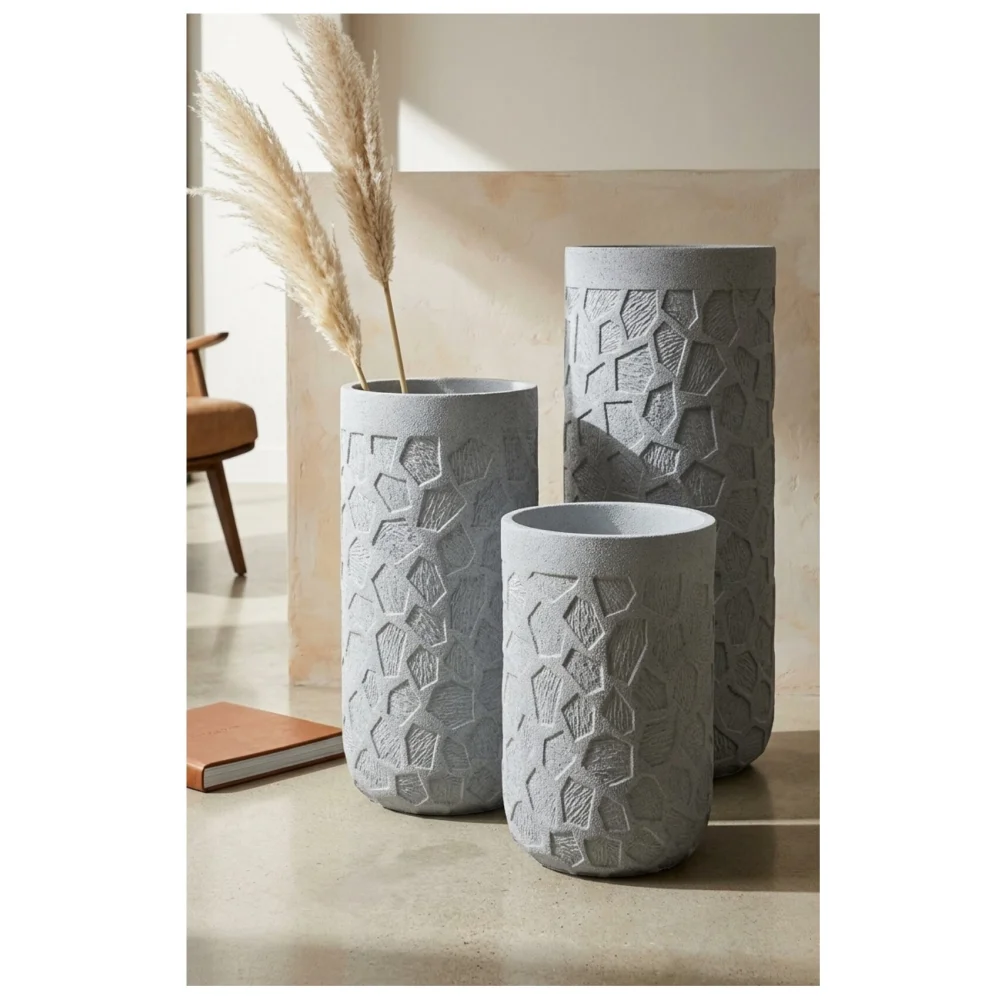
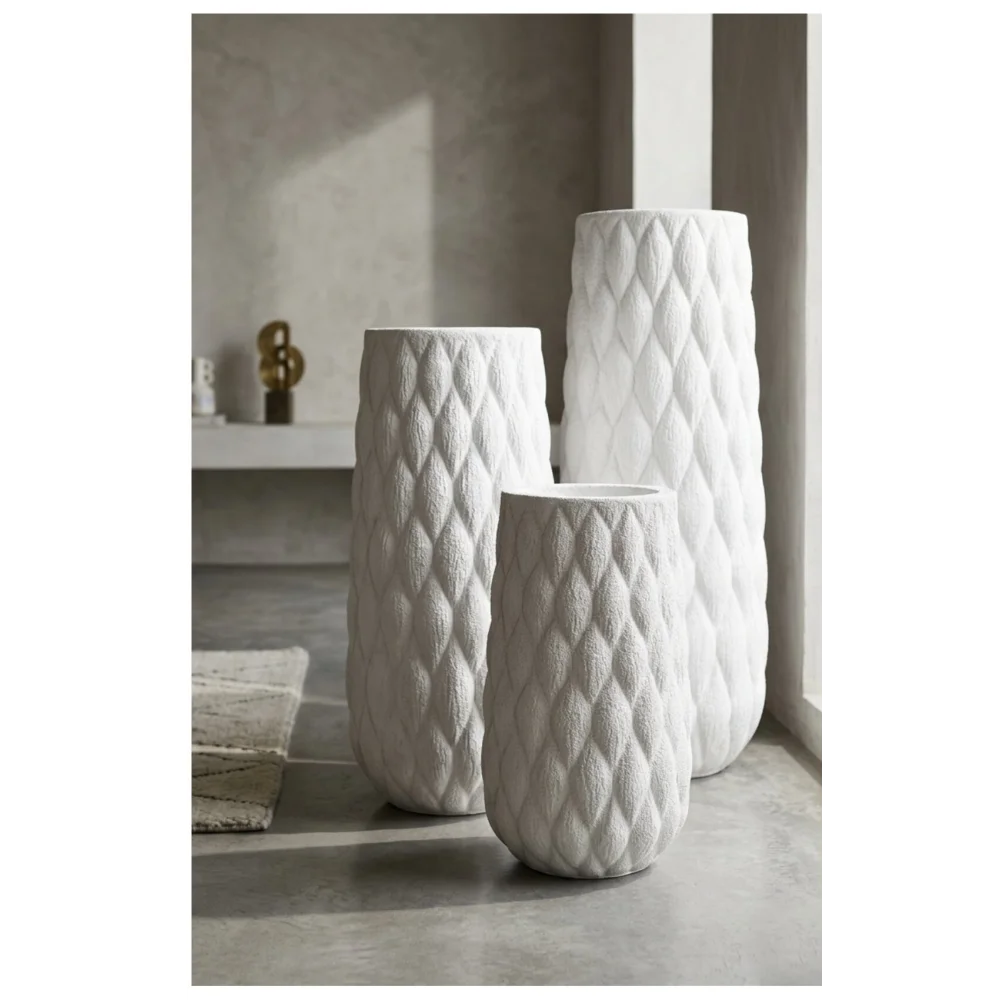
Two or three coordinated vases in different heights can create a layered arrangement.
Keep colours or materials connected so the grouping feels intentional.
One statement Table top Showpiece can create a strong visual feature without requiring several additional accessories.
Mixing accessories of different heights can add depth to console and shelf arrangements.
Maintain visual balance and avoid blocking larger decorative elements behind them.
A small showpiece can be positioned beside or on top of suitable stacked books to create an interesting shelf arrangement.
Make sure the books and surface can safely support the object's weight.
Decorative styling does not require every available area to be filled.
Leaving empty space around a vase or showpiece can make the object more visible and keep the room from feeling cluttered.
Decorative accessories can be considered for housewarmings, weddings, anniversaries, festive occasions and other home-oriented gifting requirements.
When selecting a decorative gift, consider the recipient's interior style, available space and preferred colours.
Neutral or versatile Vases may be easier to coordinate with different interiors, while a distinctive Table top Showpiece may suit someone whose decor preferences are already known.
Consider the product dimensions and material carefully when the item needs to be packed or transported as a gift.
Showpieces and vases can work together to create a more balanced decorative arrangement across living rooms, bedrooms, entrances and other interior spaces.
Start with Vases where you want height, flowers, stems or sculptural forms.
Add a suitable Table top Showpiece where an artistic figurine or decorative object can add visual interest.
Keep colours, materials and proportions connected while leaving enough open space so each accessory remains visible.
Add artistic detail, colour and personality to your interiors with Showpieces, Vases & Accents for different rooms and decorating styles.
Explore Vases for floral and standalone decorative arrangements and Table top Showpiece designs for consoles, centre tables, shelves and display units.
Compare product dimensions, material, colour, finish, base stability, maintenance requirements and intended placement before making a selection.
Choose decorative pieces that complement your furniture without overcrowding the available surface, and explore the wider Decor collection to coordinate accessories across different areas of your home.