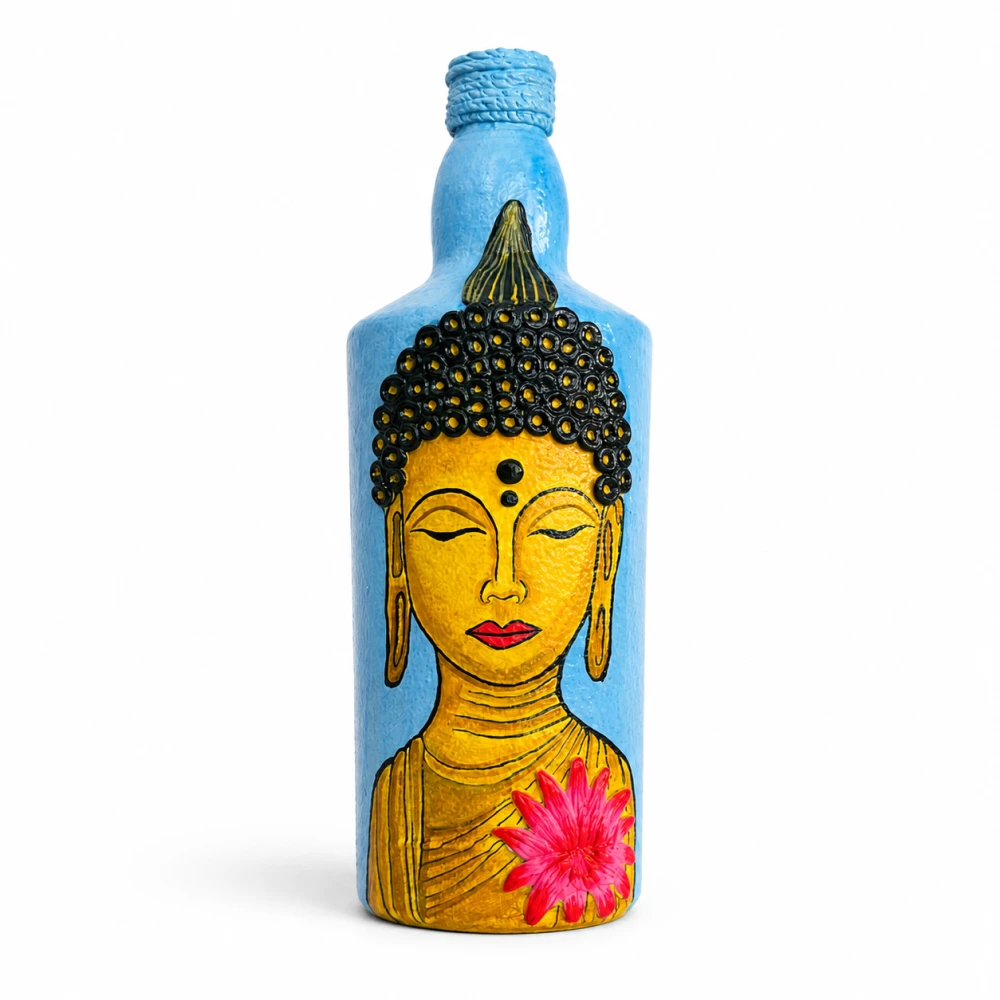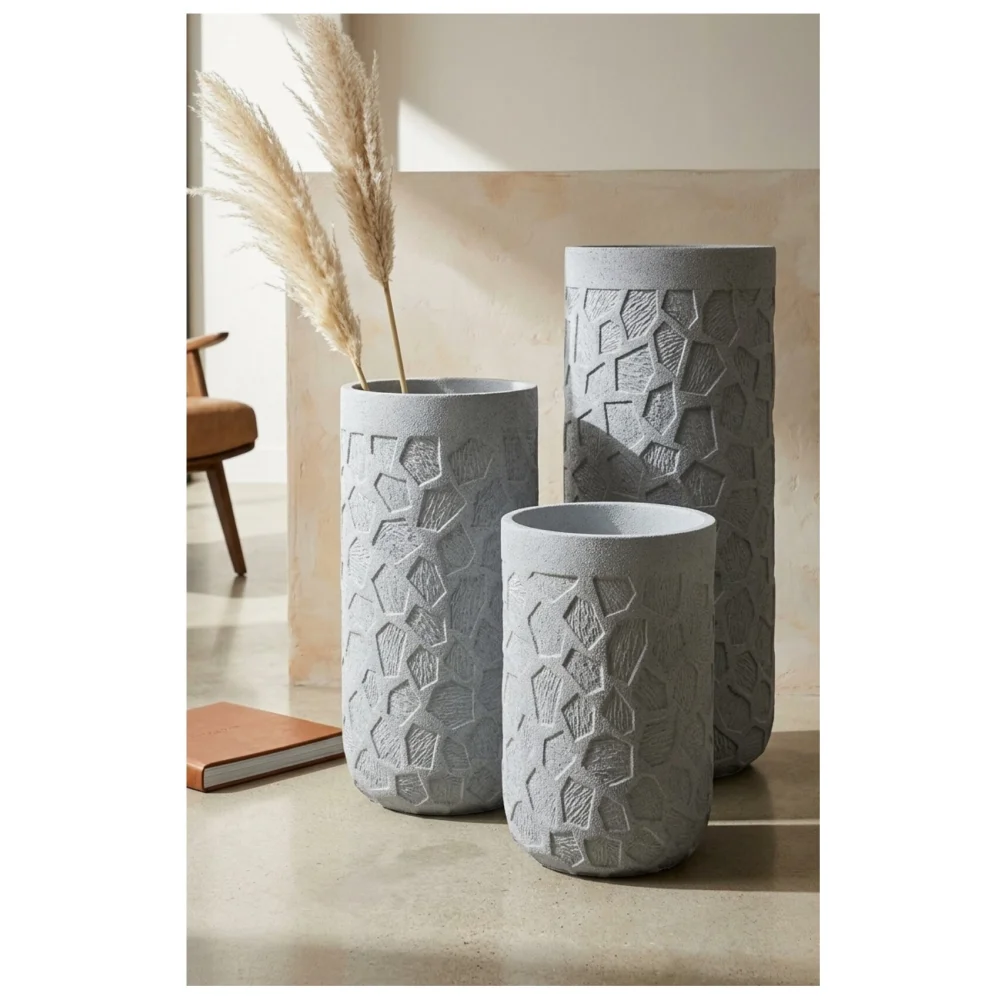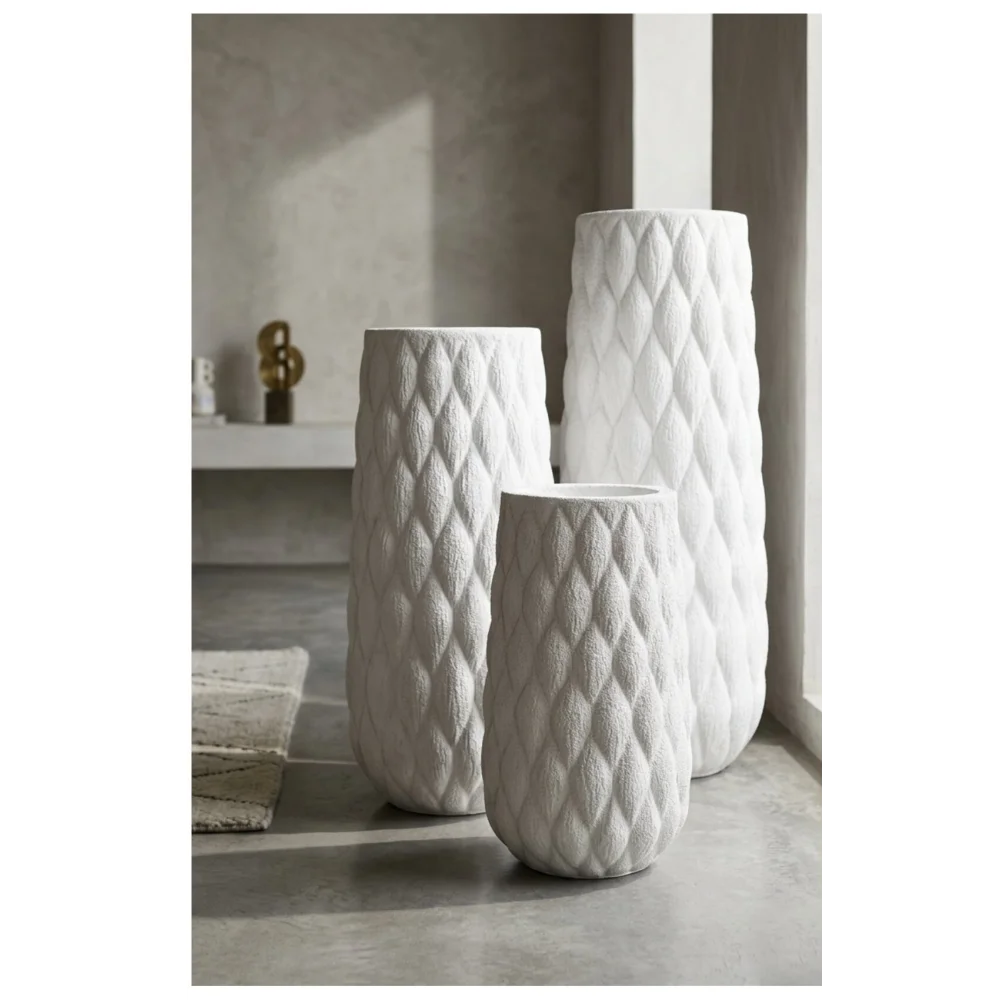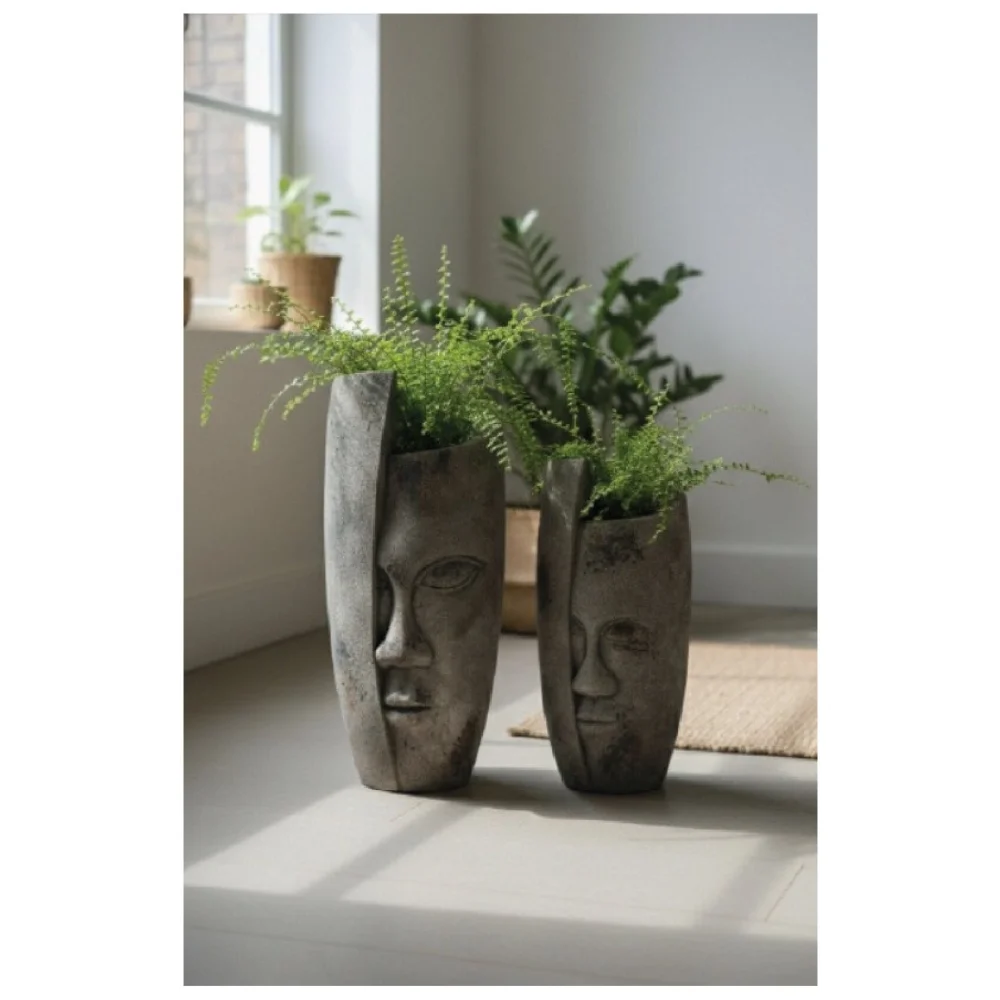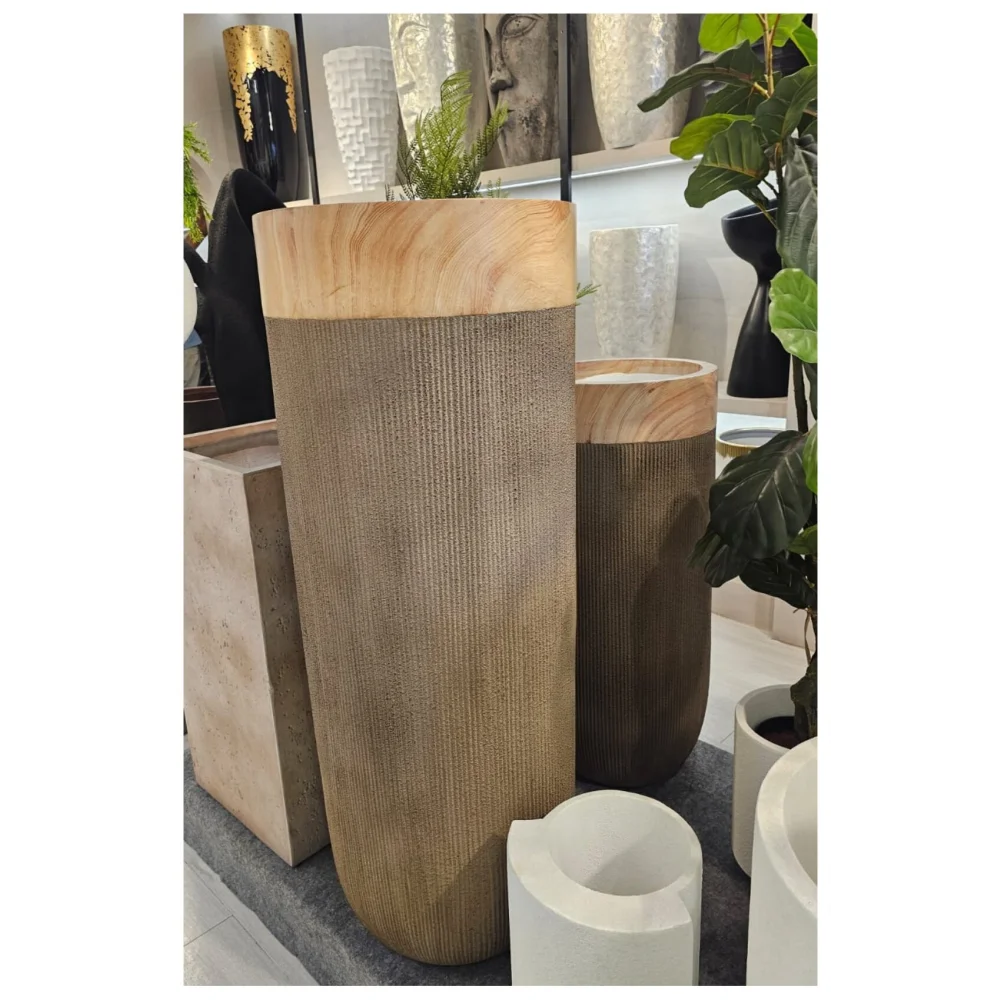


Vases 51 Products
- Filter
- Product Type
- Size
- Rating
- Sort
- Delivery
- Discount
- Color
- Brand
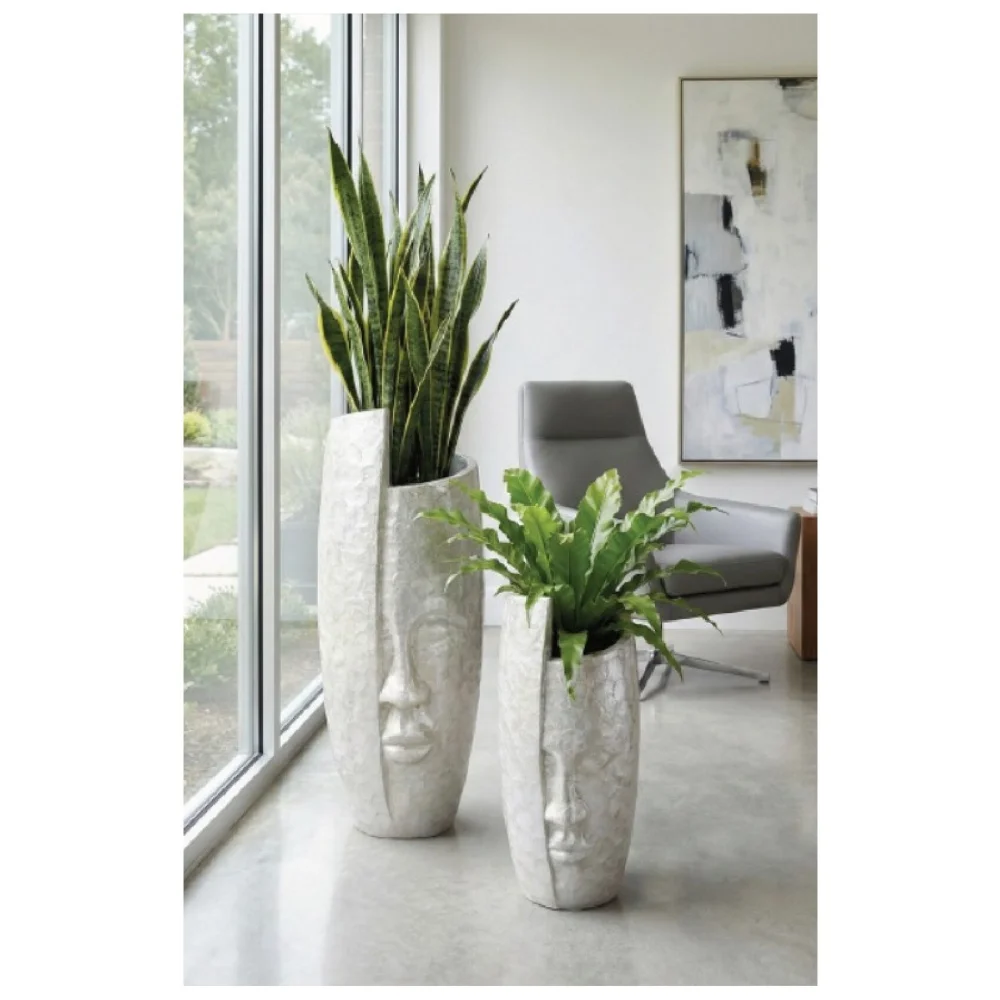
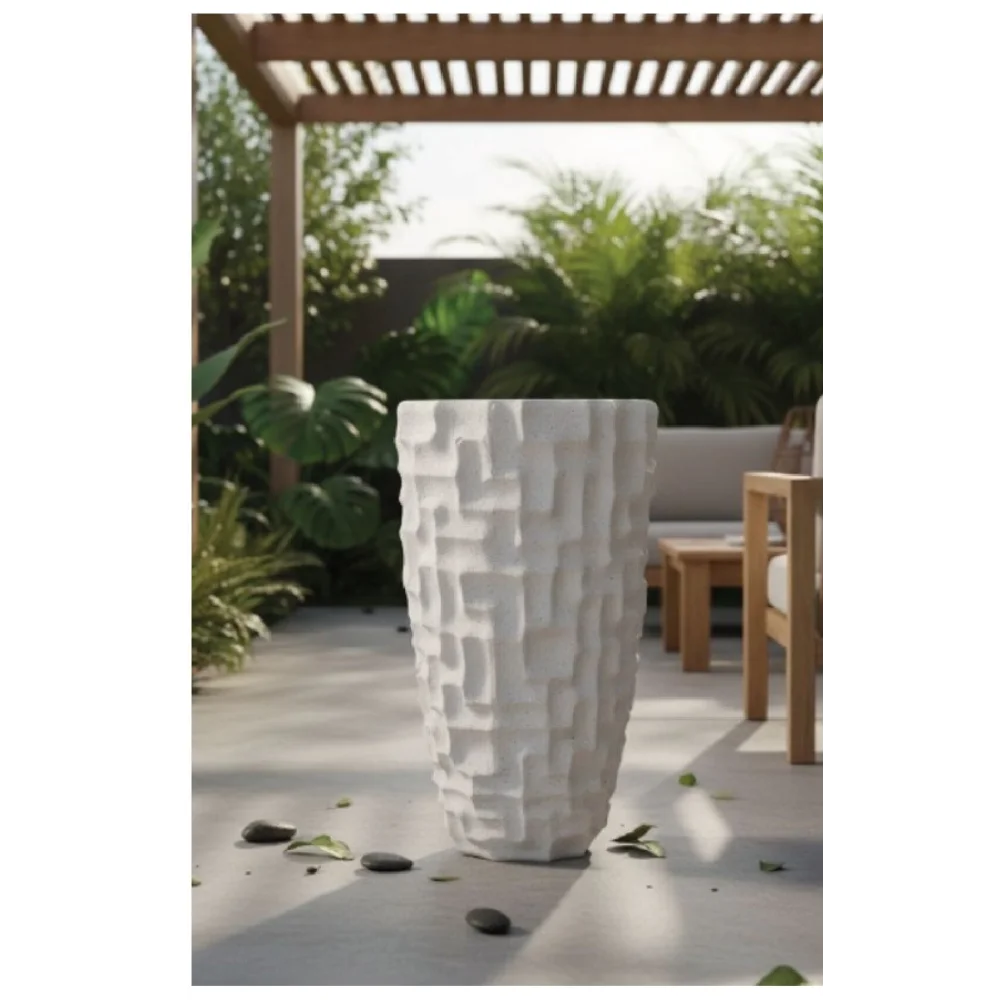
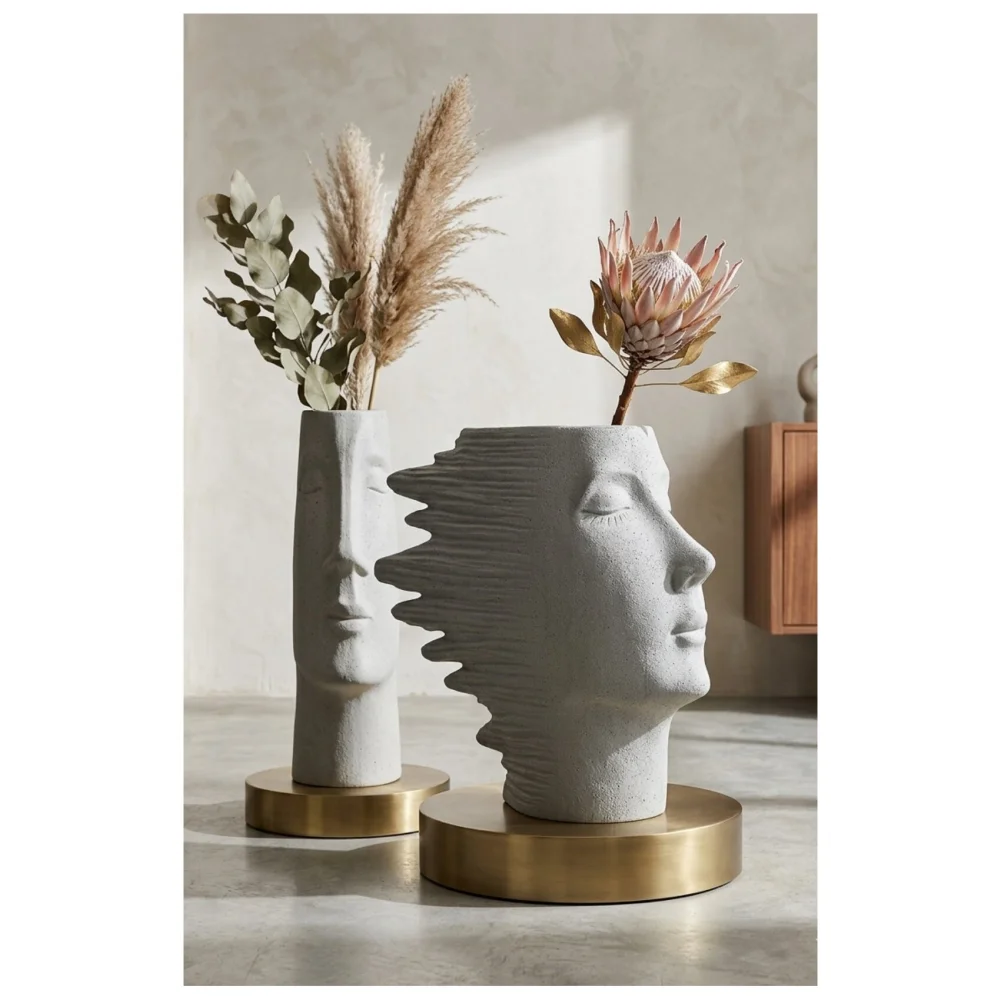
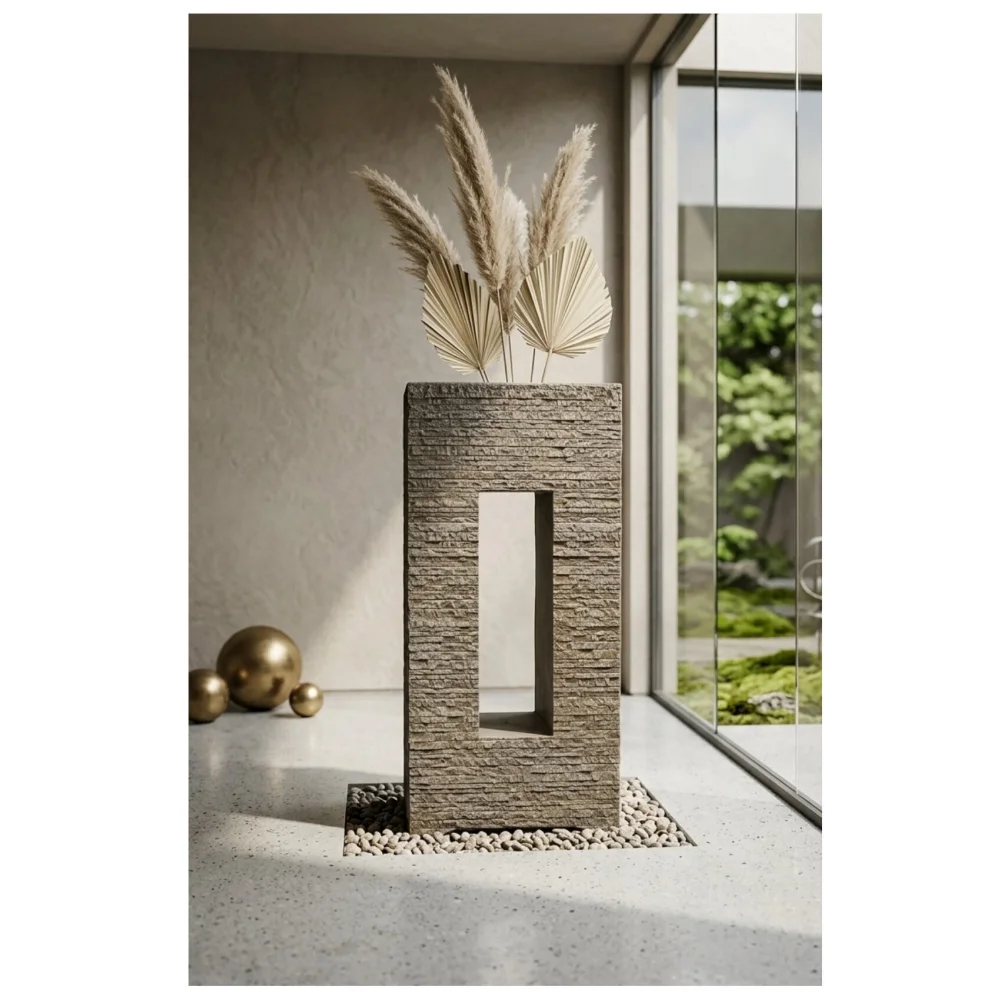
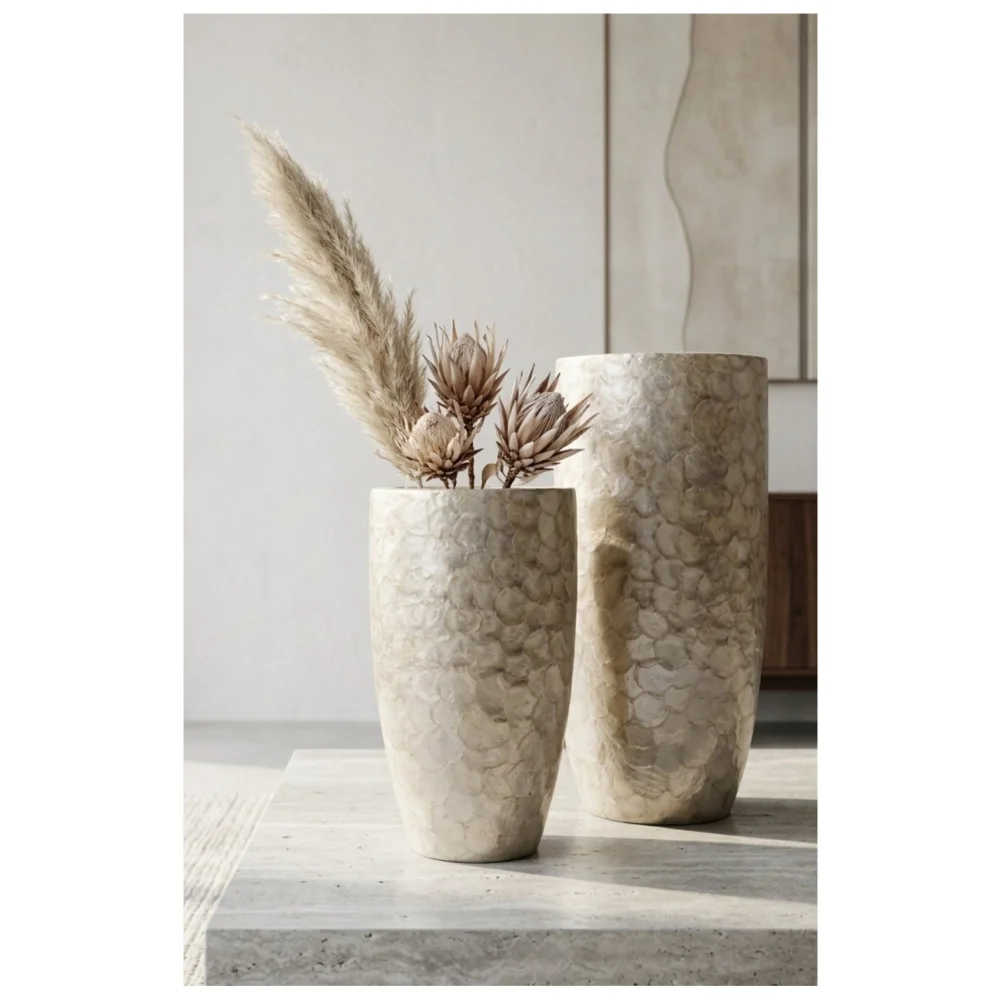
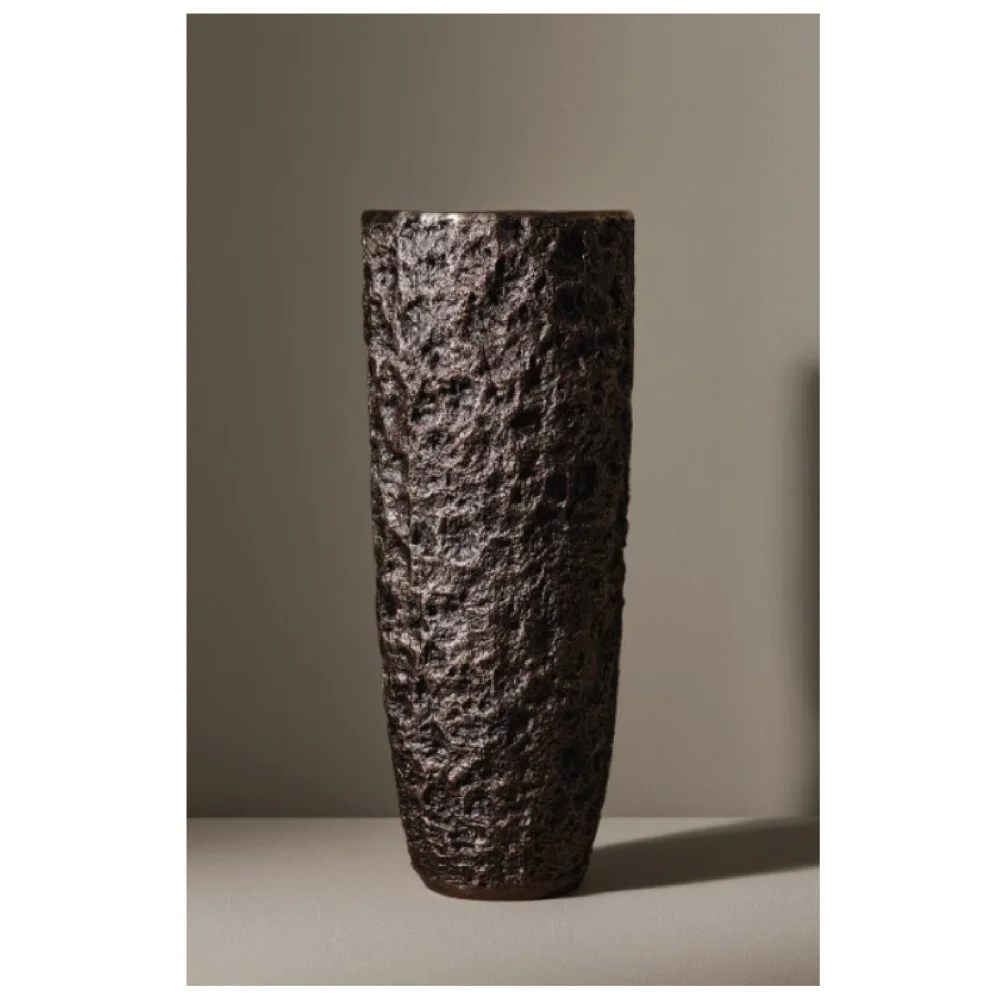
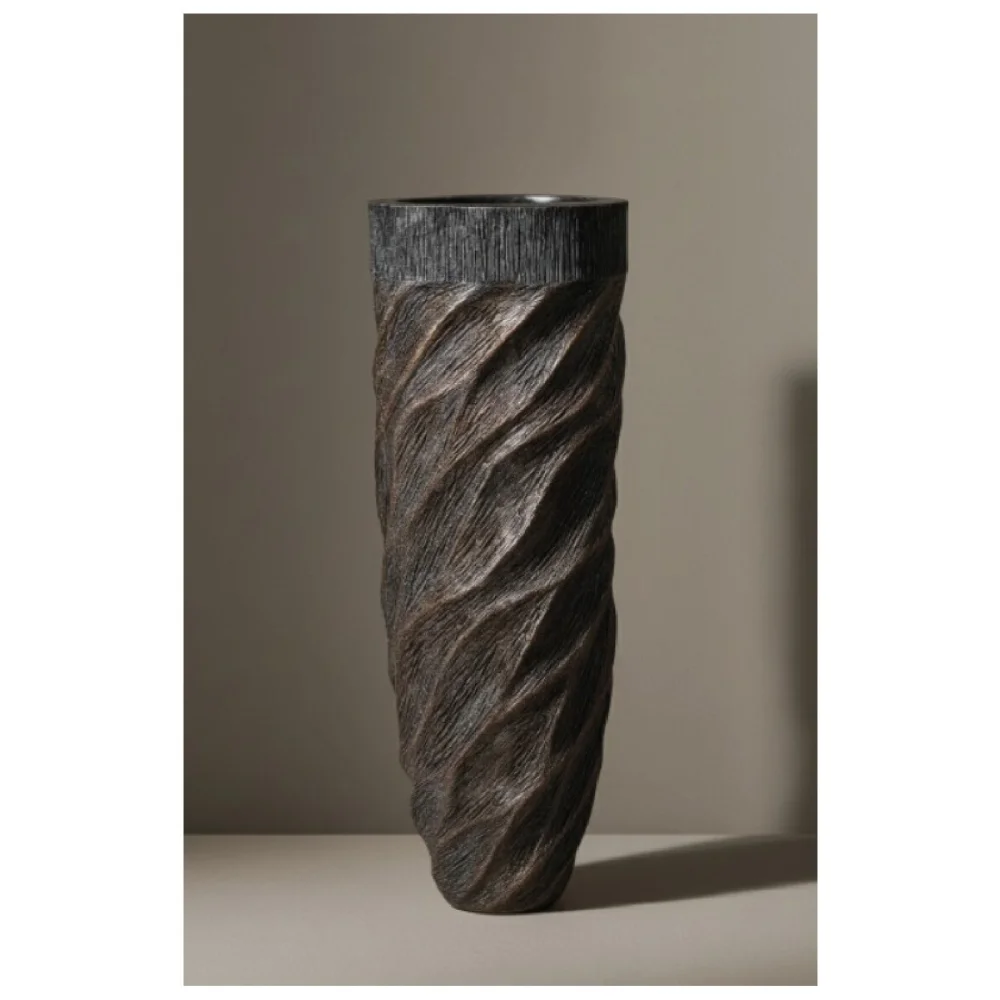
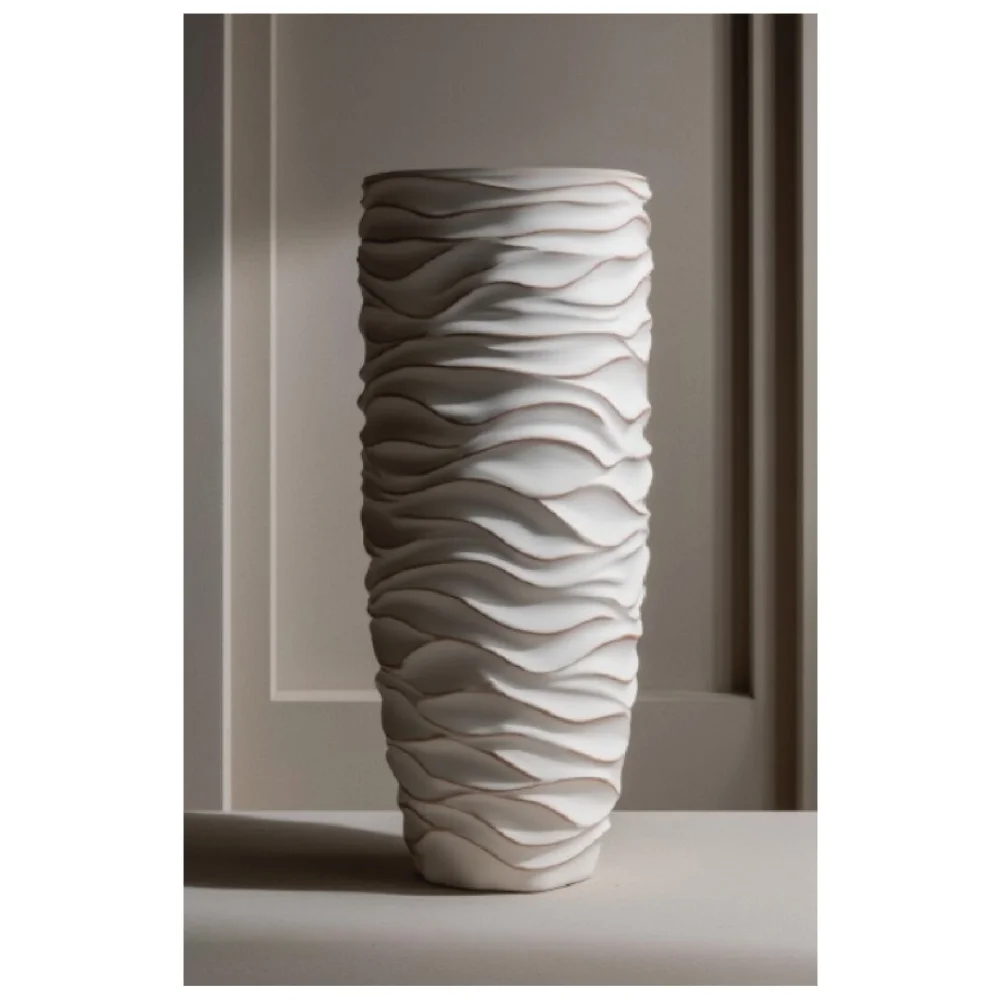
Add colour, texture and decorative character to your interiors with thoughtfully selected vases. Whether styled with flowers, decorative stems or displayed as standalone accent pieces, vases can help make tables, shelves, consoles and other surfaces feel more complete.
Vases are versatile home decor accessories that can work in living rooms, bedrooms, dining areas, entrance spaces and offices. Their shape, colour, material and size can influence the overall appearance of a room without requiring major changes to furniture or layout.
At InteriorChowk, explore Vases from the Showpieces, Vases & Accents collection. You can also coordinate your vase arrangement with a suitable Table top Showpiece to create a more complete decorative display.
A decorative vase is a container or sculptural decor object designed to enhance the appearance of tables, shelves, consoles and other interior surfaces.
Some vases are designed to hold suitable flowers or stems, while others are selected mainly for their shape, pattern, colour or finish and may be displayed without anything inside.
Vases can be available in different materials, including ceramic, glass, metal, wood, terracotta and mixed decorative materials depending on the design.
When choosing a vase, consider its height, opening width, base dimensions, material, intended use and the amount of space available around it.
Tabletop vases are designed for placement on furniture such as centre tables, dining tables, side tables, consoles, desks and shelves.
Their relatively compact size makes them suitable for adding decoration without occupying floor space.
A tabletop vase can be styled independently or combined with flowers, stems, books and other selected decorative accessories.
Flower vases are designed to display suitable floral arrangements.
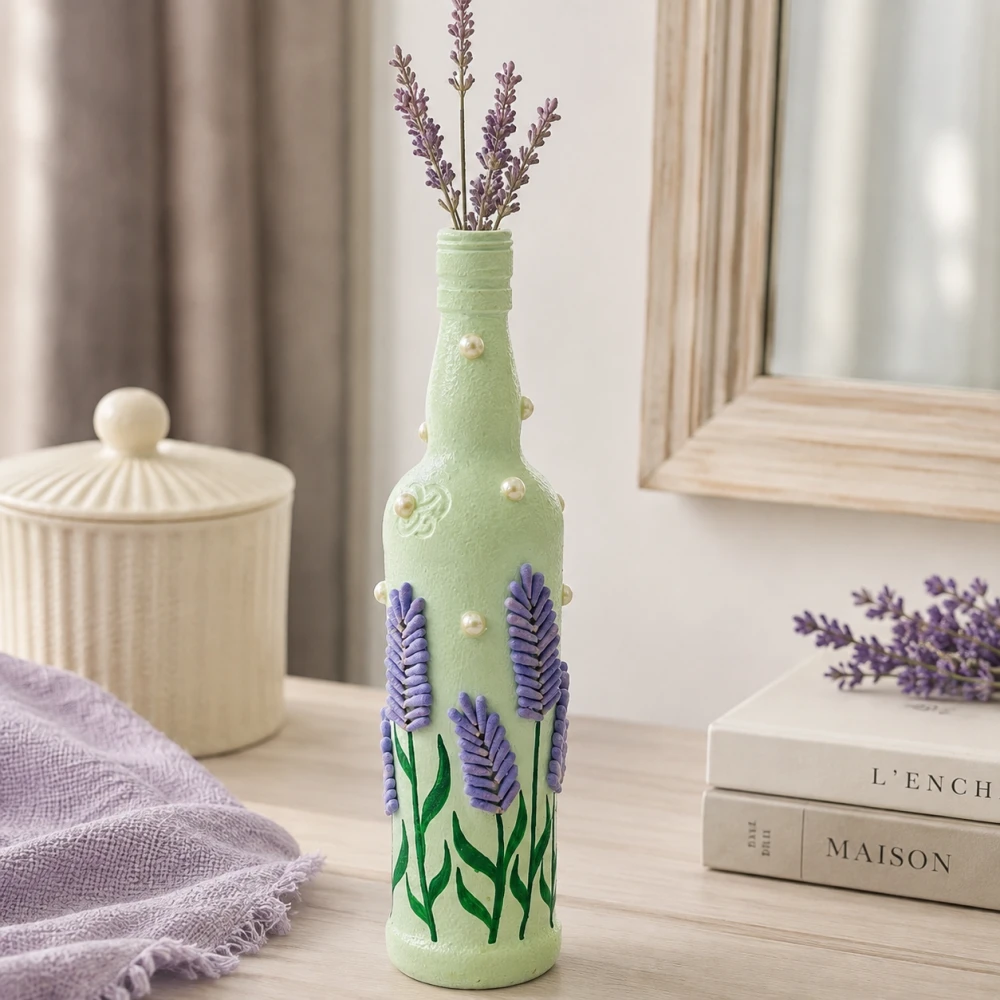
Depending on the vase design, you may use fresh flowers, artificial flowers, dried stems or other decorative botanical arrangements.
Consider the height and opening width of the vase before choosing flowers so the final arrangement remains balanced.
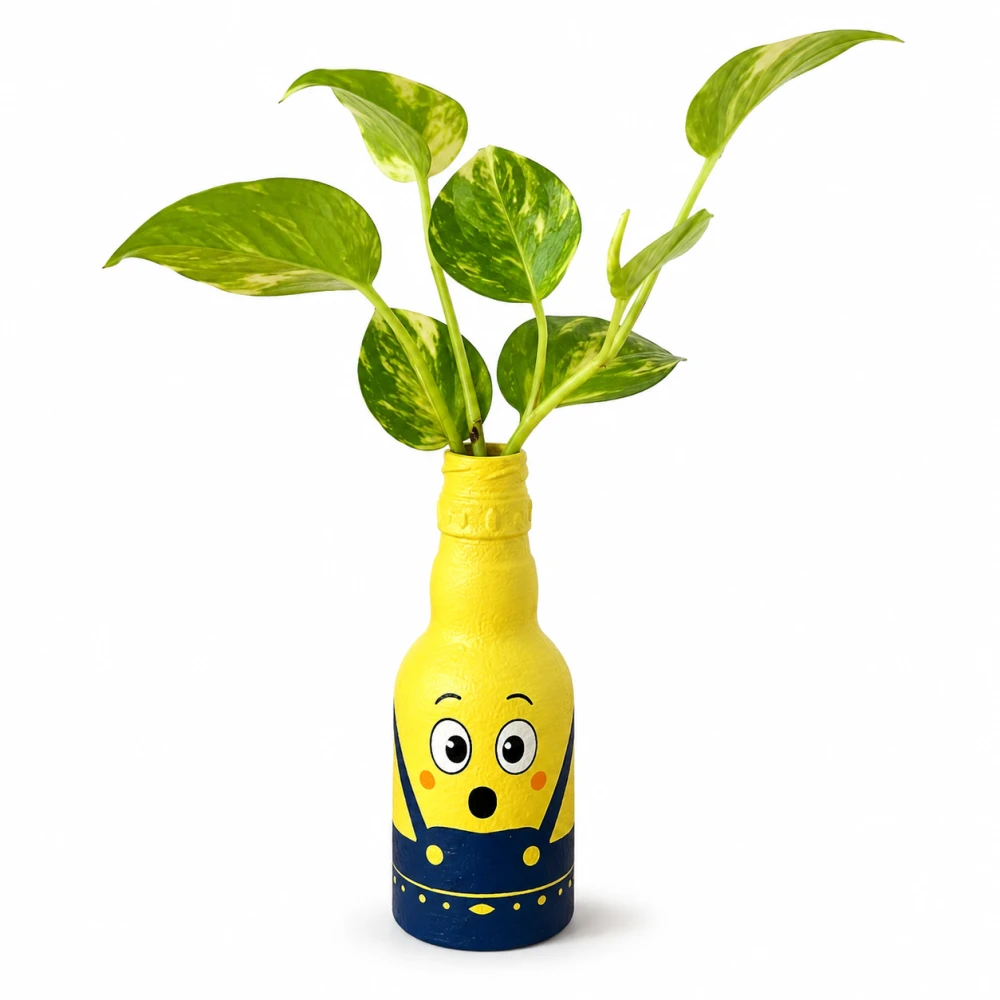
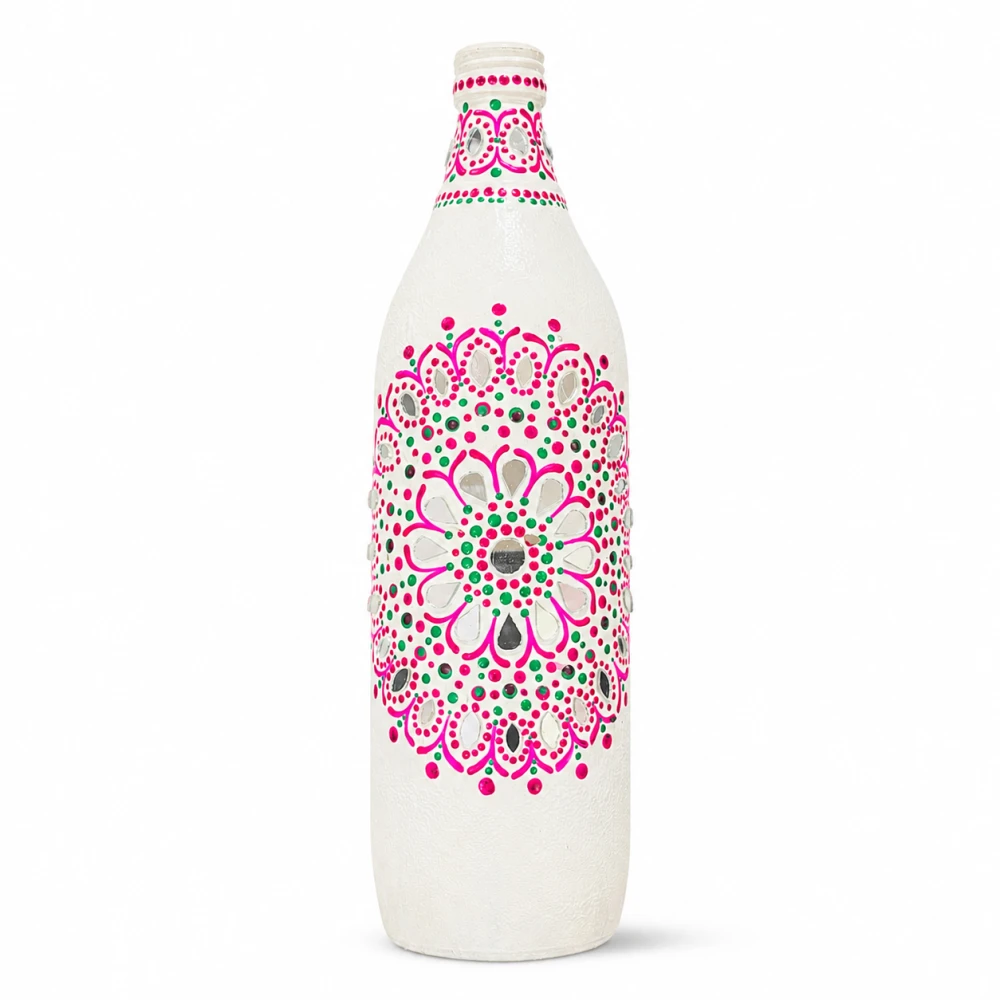
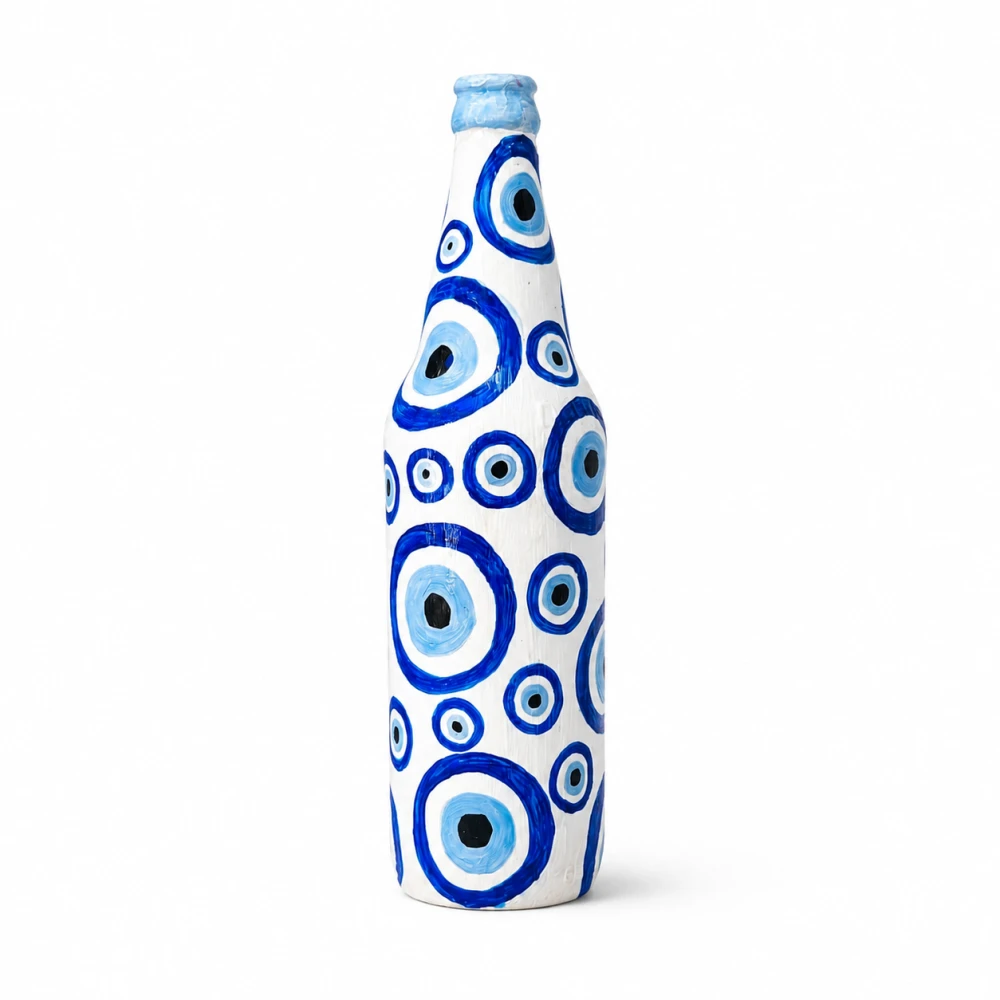
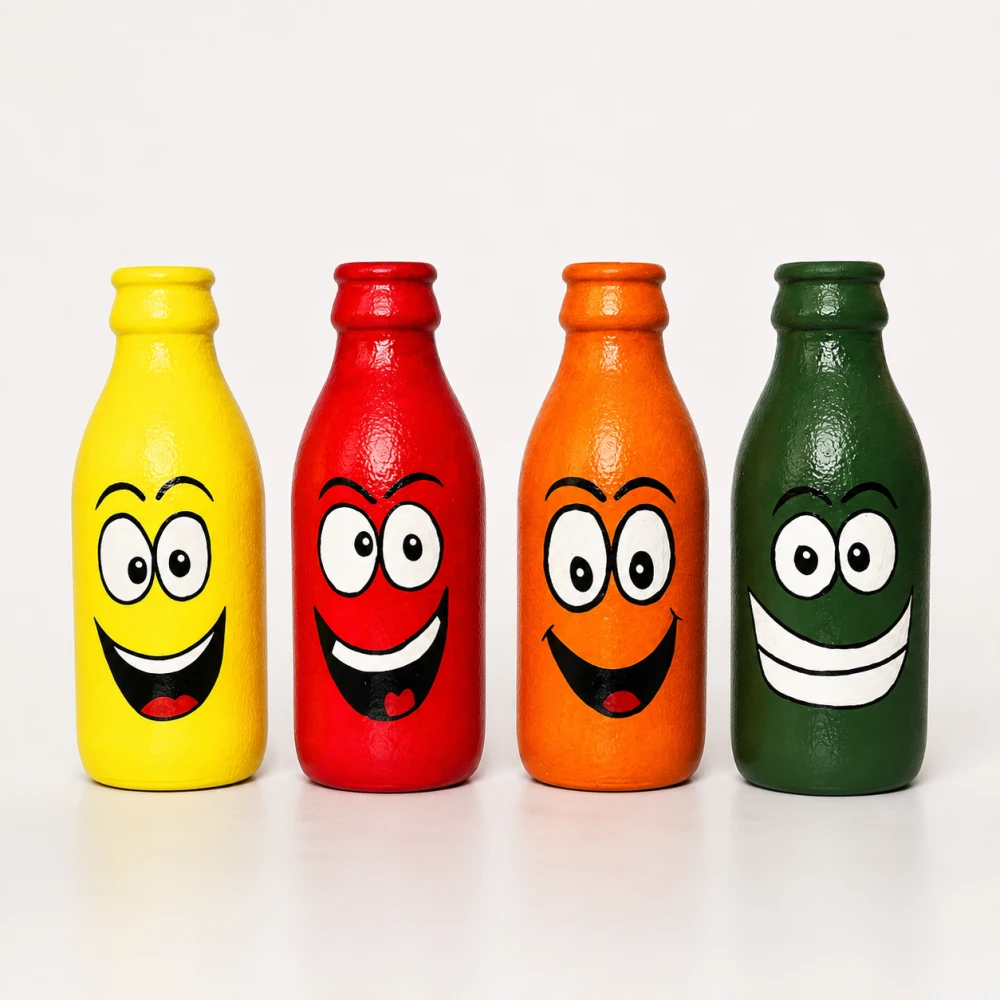
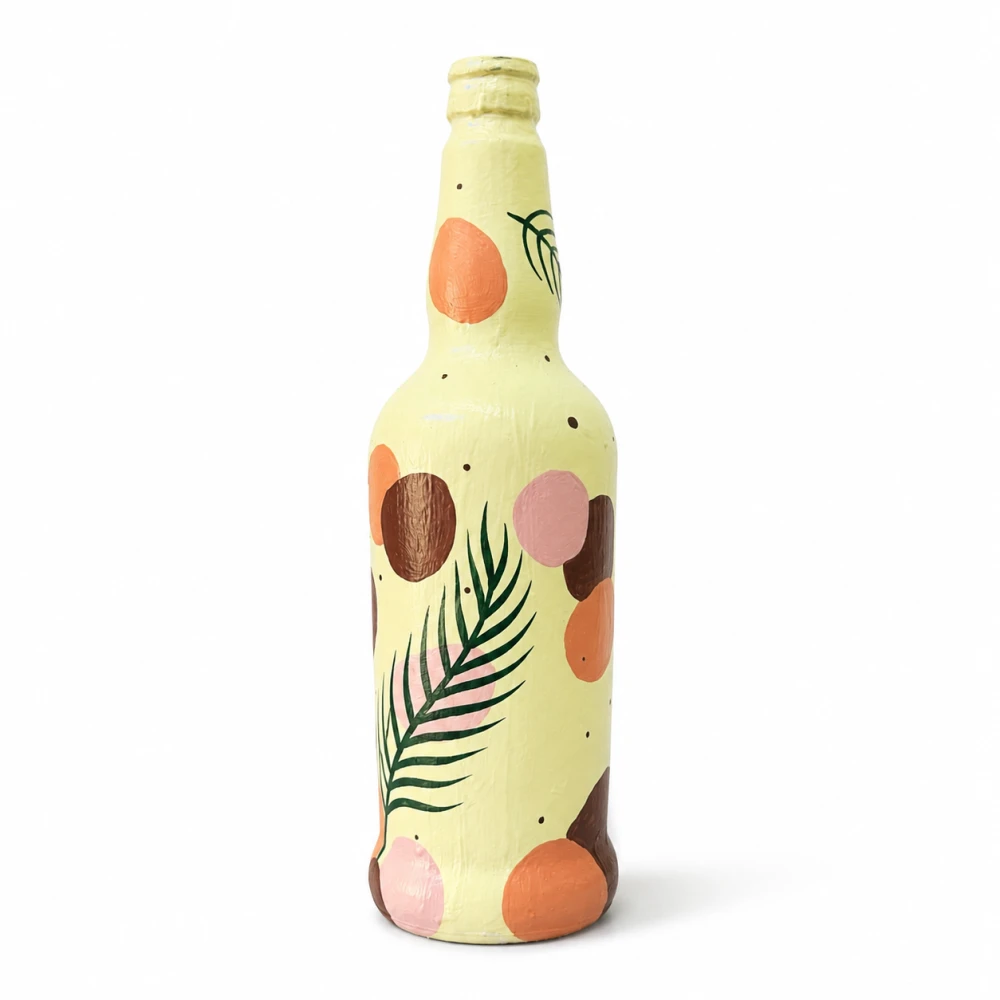
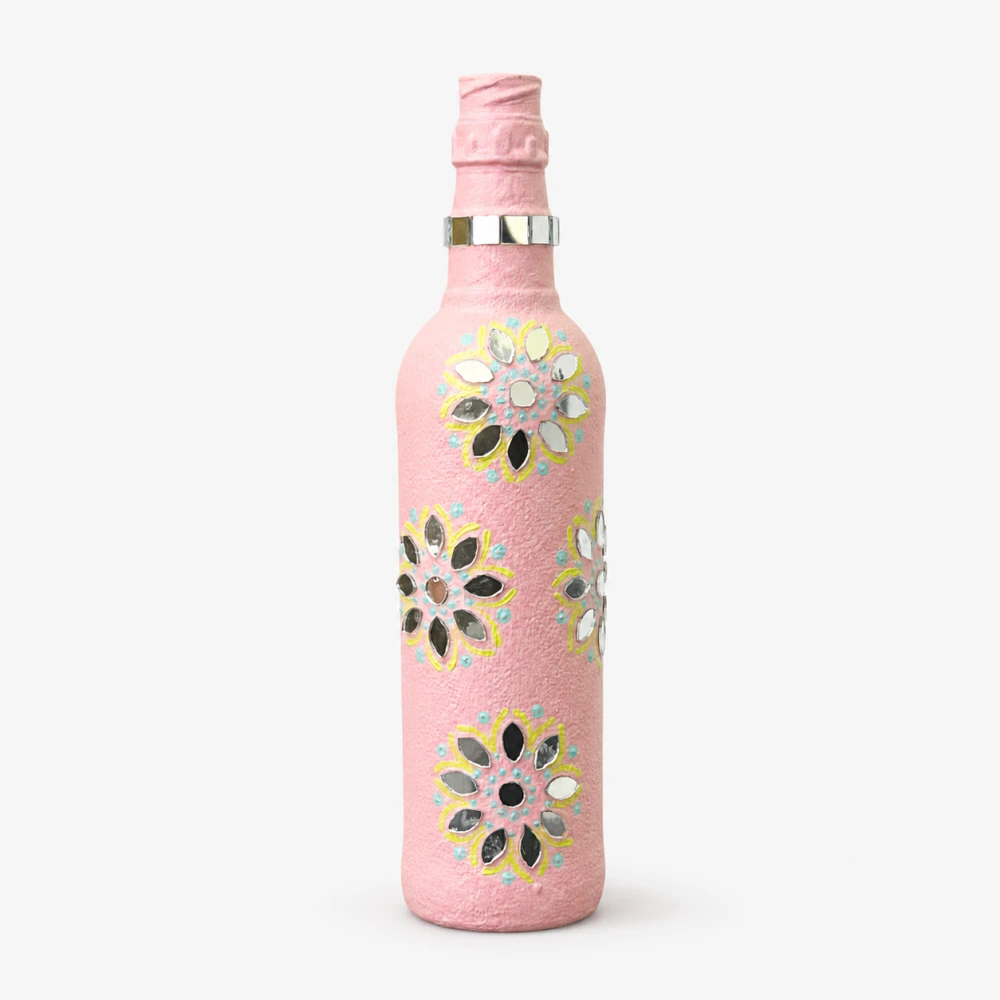
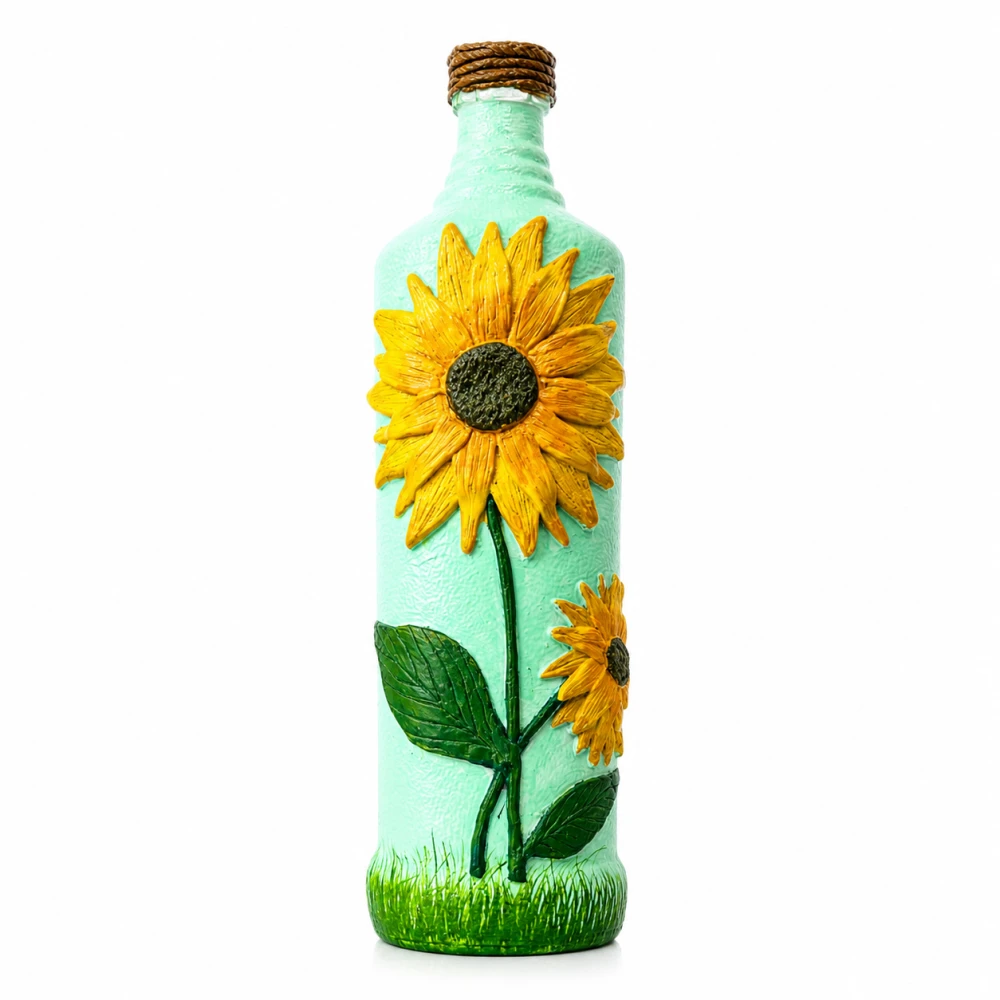
Decorative vases focus strongly on visual appearance and may feature distinctive colours, patterns, textures or sculptural shapes.
These vases can be displayed without flowers and used as standalone decorative accents.
They can work particularly well on console tables, shelves and sideboards where the shape of the vase remains clearly visible.
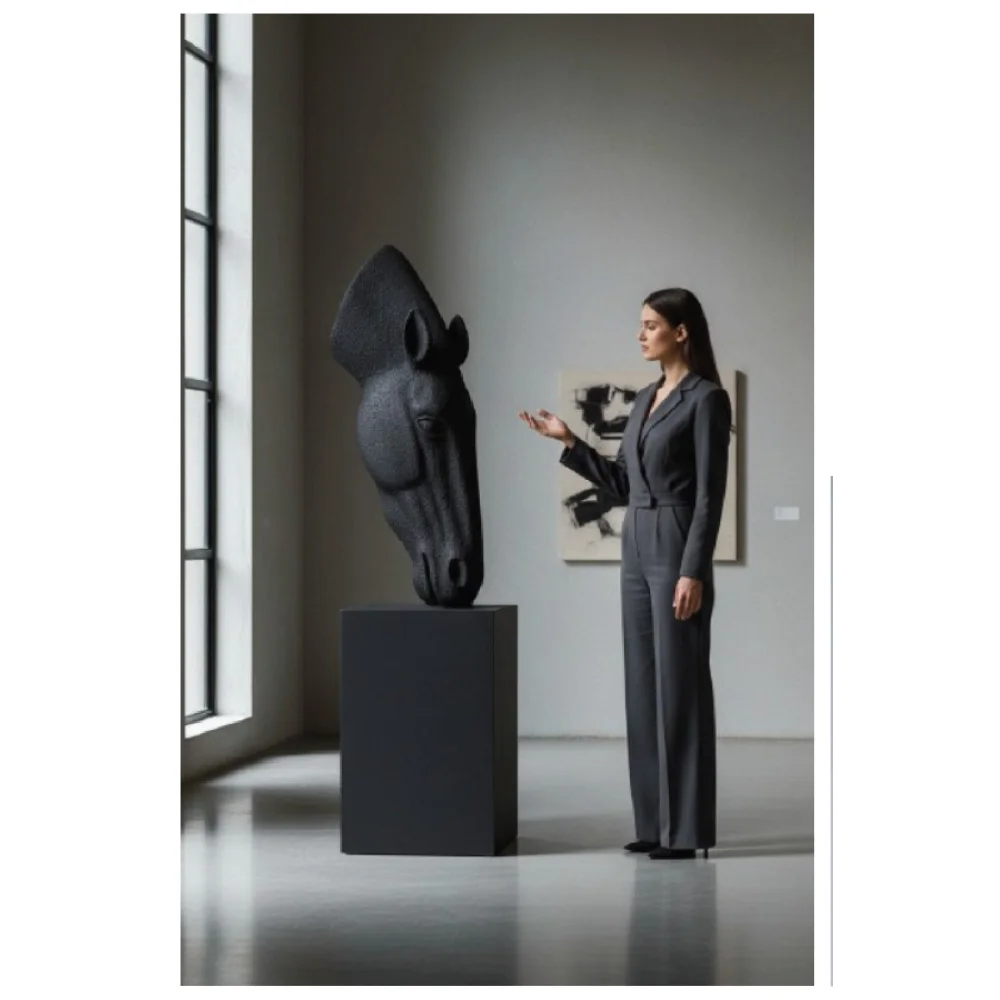
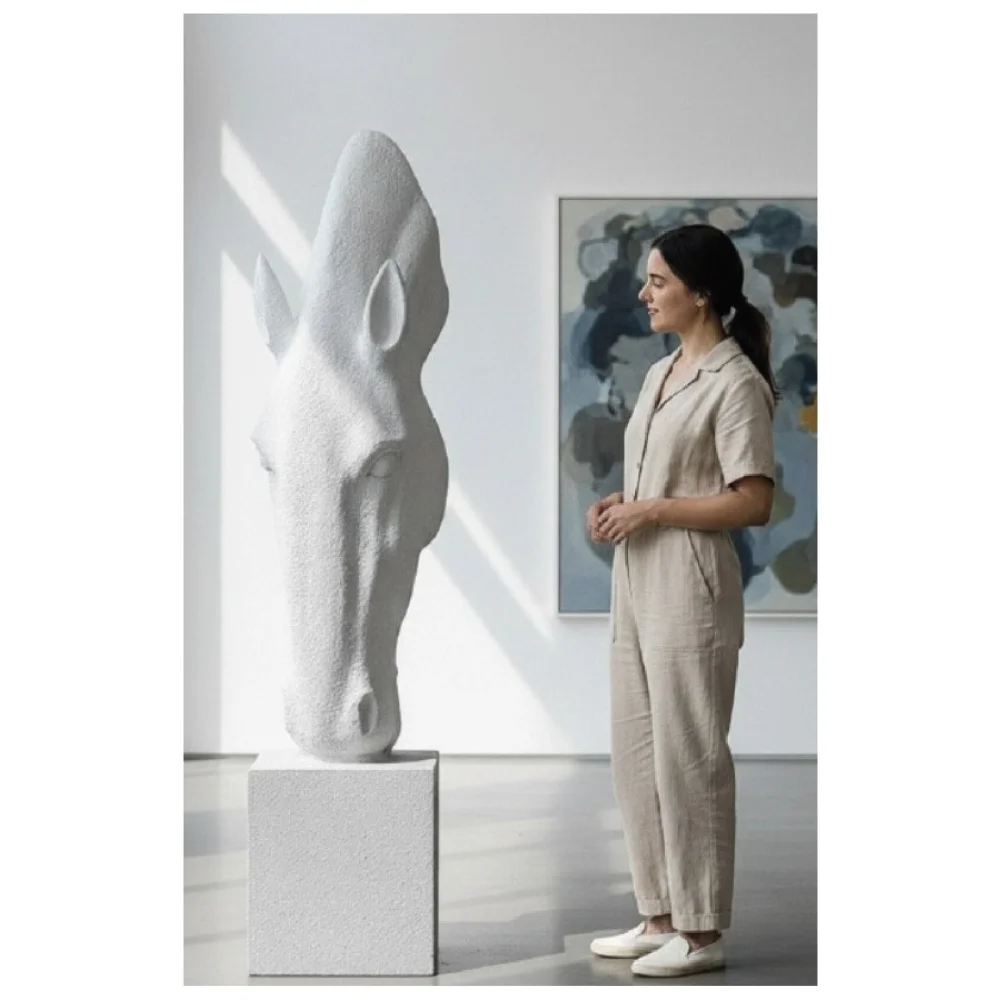
Statement vases generally use larger dimensions, unusual shapes, bold colours or distinctive finishes to attract attention.
They can act as focal points on larger consoles, dining tables and shelves.
When using a statement vase, keep nearby accessories relatively simple so the arrangement does not feel overcrowded.
Tall vases can introduce vertical height into an arrangement and can work well with longer decorative stems.
They may be suitable for larger consoles, sideboards and spacious tabletop arrangements where sufficient clearance is available.
Check the base stability carefully, particularly when using long or top-heavy arrangements.
Short vases can work well on dining tables, centre tables and compact furniture where maintaining clear sightlines is important.
They can be paired with shorter flower arrangements or displayed as simple decorative objects.
Round and curved vase shapes can soften interiors containing furniture with strong straight lines and rectangular forms.
Their proportions can work well on coffee tables, side tables and shelves where a compact decorative accent is required.
Geometric vase designs use structured forms, angles or distinctive outlines to create a more contemporary appearance.
These designs can work particularly well in modern, minimalist and contemporary interiors.
Ceramic vases can be available in smooth, textured, glazed, patterned and artistic finishes.
Their versatility allows them to complement modern, traditional, minimalist and colourful interiors.
Ceramic products should be placed on stable surfaces because they may chip or break if dropped.
Metal vases can create a structured and contemporary decorative appearance.
Depending on the finish, they may complement modern, industrial, luxury-inspired or eclectic interiors.
Consider the surface coating and maintenance requirements when choosing a metal design.
Glass vases can provide a visually lighter appearance and allow floral stems or decorative fillers to remain visible.
Clear, coloured and textured glass can produce different decorative effects depending on the surrounding light and furniture.
Handle glass vases carefully and keep them on stable surfaces away from edges.
Terracotta vases can introduce natural texture, warm earthy colours and handcrafted-style character.
They can work particularly well in rustic, traditional, bohemian and nature-inspired interiors.
Before filling a terracotta vase with water, check whether the specific product is designed for that use.
Wooden vases can add natural warmth and texture to a decorative arrangement.
They can complement wooden furniture, neutral interiors and rustic styling.
Check whether a wooden vase is intended only for decorative stems or whether its construction supports another intended use.
Some vase designs may combine different materials or surface finishes to create visual contrast.
Mixed-material vases can coordinate well with interiors that already use combinations of metal, wood, glass and other textures.
Modern vases usually feature clean shapes, contemporary finishes and simpler decorative detailing.
Neutral shades, metallic surfaces and geometric forms can complement modern furniture and uncluttered interiors.
Minimalist vase designs focus on simple forms and limited surface detailing.
They can work particularly well where the room already contains several furniture pieces and the decorative accessory needs to remain subtle.
Traditional-style vases may feature detailed patterns, warmer colours, handcrafted-style surfaces or classic forms.
They can coordinate naturally with wooden furniture and traditional decorative arrangements.
Rustic vases often emphasize natural-looking surfaces, earthy colours and handcrafted textures.
Terracotta and wood-inspired designs can work well within rustic interiors.
Bohemian decor allows greater freedom with colours, textures and handcrafted-looking accessories.
Decorative vases with unusual shapes, patterns and earthy surfaces can become part of layered bohemian arrangements.
Metallic finishes, sculptural shapes and refined decorative details can create a more premium visual appearance.
Luxury-look vases can work well on larger consoles, sideboards and formal living-room furniture.
Living rooms provide several opportunities for styling decorative vases.
Place a Vase on a centre table, side table, console or shelf depending on the available space.
Choose the vase size according to nearby furniture so that the accessory feels proportionate rather than oversized or visually insignificant.
A vase can provide a simple centrepiece for a dining table.
Shorter arrangements may be more practical where maintaining visibility between people seated across the table is important.
A taller arrangement can be considered where the dining-table layout and intended use allow sufficient space.
Smaller decorative vases can add colour and personality to bedrooms without making them feel overcrowded.
They can be positioned on suitable dressers, shelves, consoles or bedside tables where enough functional surface area remains available.
A decorative vase can help create a visually appealing first impression on an entrance or foyer console.
A single statement vase with suitable stems can often provide enough decoration without requiring several additional objects.
Compact vases can introduce colour and natural-looking elements into home offices and study spaces.
Keep larger arrangements away from the primary laptop, writing and working area so the desk remains functional.
Vases can be combined with books and other selected decorative objects to create visually balanced shelving.
Use different heights carefully and leave enough empty space between accessories so each item remains visible.
Console tables provide an ideal surface for taller or more decorative vases.
Depending on the console dimensions, use one statement vase or a coordinated group of smaller pieces.
A suitable Table top Showpiece can also be added where additional decorative detail is required.
Suitable vases can be used for fresh floral arrangements where the material and construction are designed to hold water.
Check the vase before adding water and follow any specific care instructions.
Artificial floral arrangements can provide a low-maintenance decorative option and do not require the vase to hold water.
Choose flower size and stem length according to the vase dimensions.
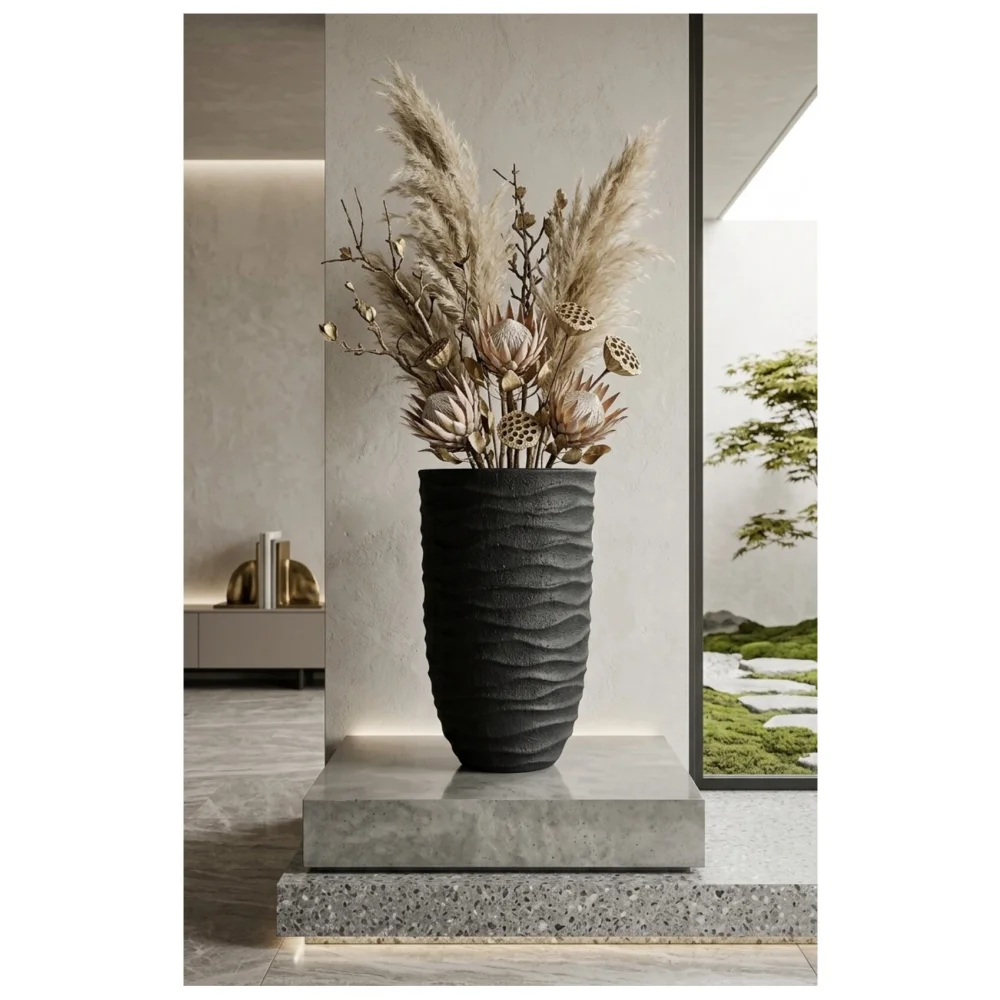
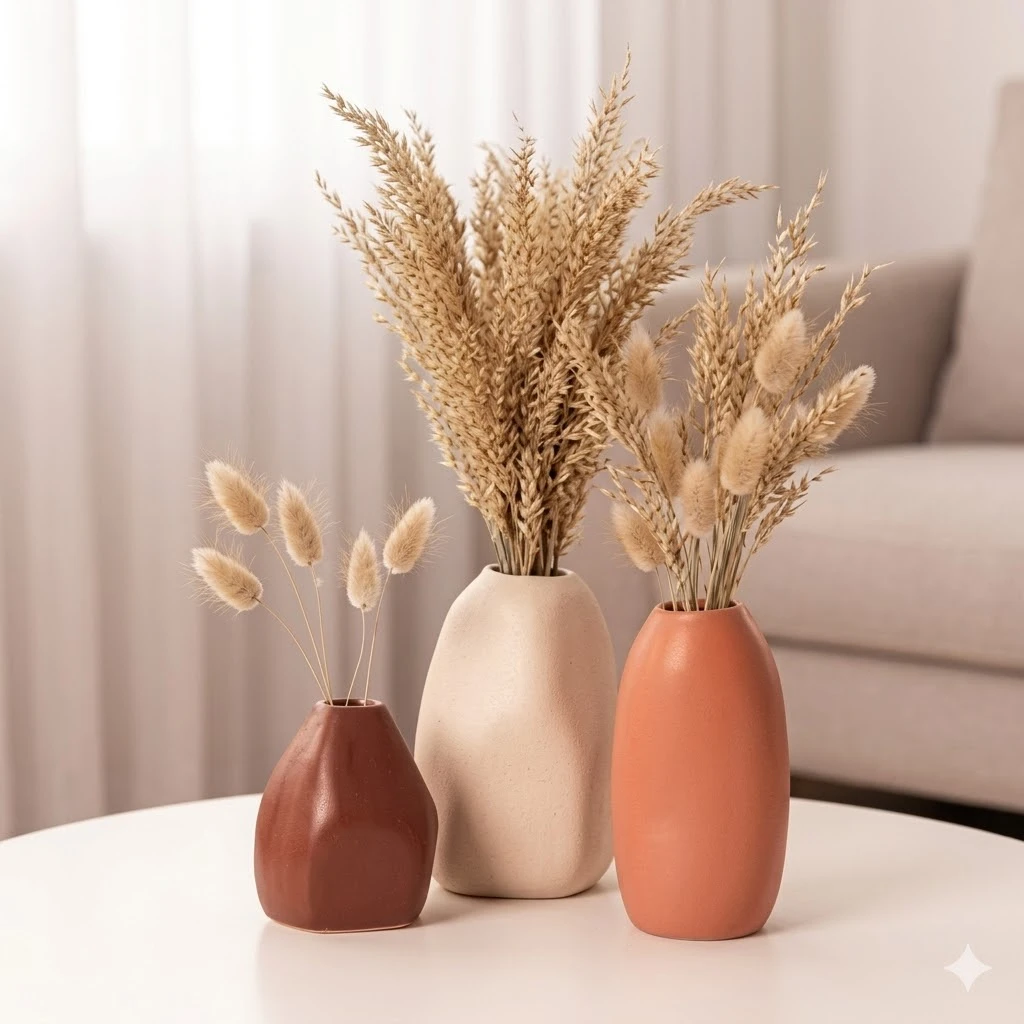
Dried floral arrangements can add texture and softer natural colours to living rooms, bedrooms and entrance spaces.
Keep dried arrangements away from excessive moisture and handle delicate stems carefully.
Long decorative stems can create height and movement in taller vase arrangements.
Use an appropriately sized and stable vase so that longer stems do not make the arrangement top-heavy.
Decorative branches can create a more architectural and minimal vase arrangement.
Taller branches are generally better suited to larger vases with a sufficiently stable base.
A vase does not always need flowers or stems.
A strong shape, pattern, colour or finish can allow a decorative vase to function as a standalone accent piece.
Before buying a vase, measure the table, shelf or console where you plan to place it.
Remember to account for surrounding objects and leave enough open space around the vase.
Tall vases can create vertical impact but require enough clearance above them.
Shorter vases can be more practical for dining tables, coffee tables and other surfaces where clear sightlines are important.
A narrow opening can help hold a smaller number of stems together, while wider openings may accommodate fuller arrangements.
Choose according to the type and quantity of flowers or stems you plan to use.
Stability becomes particularly important for tall vases and arrangements containing long stems.
The vase should sit securely on the intended surface without wobbling.
Ceramic can provide versatility, glass can create a lighter look, metal can introduce a contemporary finish and terracotta can add natural texture.
Choose a material that suits both your interior style and maintenance preferences.
A vase can either coordinate with existing colours or introduce a contrasting accent.
Neutral colours offer greater flexibility, while stronger shades can create a more noticeable decorative focal point.
Rounded forms can soften angular furniture arrangements, while geometric designs can reinforce a more contemporary interior.
Consider both the shape of the vase and the furniture beneath it.
Decide whether you need a vase for fresh flowers, artificial stems, dried arrangements or standalone decoration.
This decision can influence the material, opening width, height and maintenance requirements you should consider.
The relationship between a vase and its floral arrangement affects how balanced the final display looks.
A small vase with extremely long stems may become unstable, while a very large vase with only a few short flowers may appear visually empty.
Consider the overall height, amount and spread of the arrangement when choosing the vase.
Also check whether the specific vase is suitable for water if fresh flowers will be used.
A single bold vase can become the main decorative feature on a console, centre table or sideboard.
Keep nearby accessories relatively minimal so the vase remains the focal point.
Grouping two or three coordinated vases of different heights can create a layered decorative arrangement.
Keep one connecting element, such as colour, material or design style, to make the grouping feel intentional.
Pair a Vase with a suitable Table top Showpiece to create visual contrast in height and shape.
Avoid using too many decorative items together, particularly on smaller surfaces.
Smaller vases can be positioned beside stacked books or other selected accessories on shelves and consoles.
This can create different levels while helping the arrangement feel less uniform.
Choose a vase that remains proportionate to the dining table and leaves sufficient usable surface area.
Consider a lower arrangement where unrestricted conversation and visibility across the table are important.
A taller vase can help anchor one side of a console arrangement.
Balance it with smaller accessories while leaving some open space rather than filling the entire console.
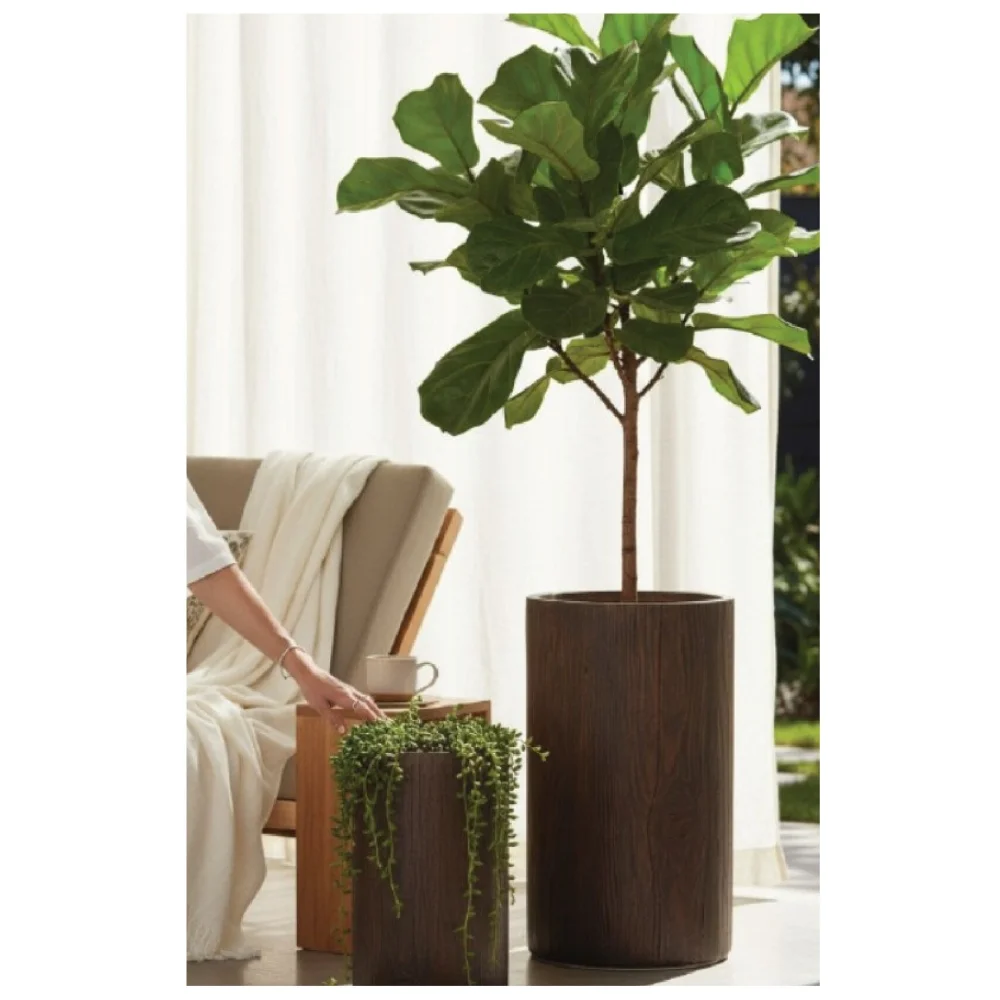
Vases and flower pots may both be associated with plants or flowers, but they generally serve different purposes.
A vase is usually selected for displaying cut flowers, decorative stems or as standalone interior decor.
A flower pot is generally associated with growing or displaying rooted plants.
Choose according to whether you need a decorative floral container or a product intended for planted greenery.
Both vases and tabletop showpieces can decorate furniture surfaces, but their forms and styling possibilities are different.
Vases can work with flowers, stems or as standalone sculptural pieces.
A Table top Showpiece is generally selected as a decorative object or figurine without the primary purpose of holding a floral arrangement.
Combining both can create a more varied display when their sizes and materials complement each other.
Decorative vases can be considered for housewarming, wedding, anniversary and other home-oriented gifting occasions.
When the recipient's exact decor preferences are unknown, simple shapes and versatile colours may be easier to coordinate with different interiors.
More distinctive statement vases may be appropriate when you already know the recipient's preferred interior style.
Consider dimensions, weight, material and packaging when choosing a vase that needs to be transported as a gift.
Dust decorative vases regularly using a suitable soft cloth.
Detailed surfaces may require additional attention because dust can collect inside patterns and textured areas.
Clean ceramic products according to their specific finish and care instructions.
Avoid abrasive methods that may scratch glazed, painted or decorative surfaces.
Glass vases can show water marks and fingerprints more easily than opaque materials.
Clean them using a method appropriate for the specific type of glass and handle them carefully to reduce the risk of breakage.
Metal surfaces should be cleaned according to their particular finish.
Avoid harsh products that may damage decorative coatings or metallic surfaces.
Where a vase is suitable for fresh flowers and water, clean the interior after removing the floral arrangement.
Follow the material-specific care instructions and allow the vase to dry appropriately before storage or reuse.
Vases can work as standalone accessories or become part of a wider tabletop and shelf arrangement.
Start with Vases selected according to your available space, preferred material and decorating style.
Add flowers or decorative stems where appropriate, or allow a sculptural vase to remain empty when its design already creates enough visual interest.
Pair your vase with a suitable Table top Showpiece where you want additional decorative detail.
Keep the arrangement balanced by combining different heights and shapes while leaving enough open space around each product.
Add colour, texture and decorative style to living rooms, bedrooms, dining spaces, entrances and offices with Vases.
Explore vase designs according to your preferred size, shape, material, finish and intended use. Choose a decorative vase for standalone display or a suitable design for flowers and decorative stems.
Coordinate vases with a Table top Showpiece and explore the wider Showpieces, Vases & Accents collection to create balanced tabletop, shelf and console arrangements.
You can also explore Decor for additional accessories that complement different rooms and interior styles.
Compare the vase dimensions, opening width, base stability, material, maintenance requirements and intended placement before making a selection. Choose a vase that works naturally with your furniture while adding a distinctive decorative element to your home.