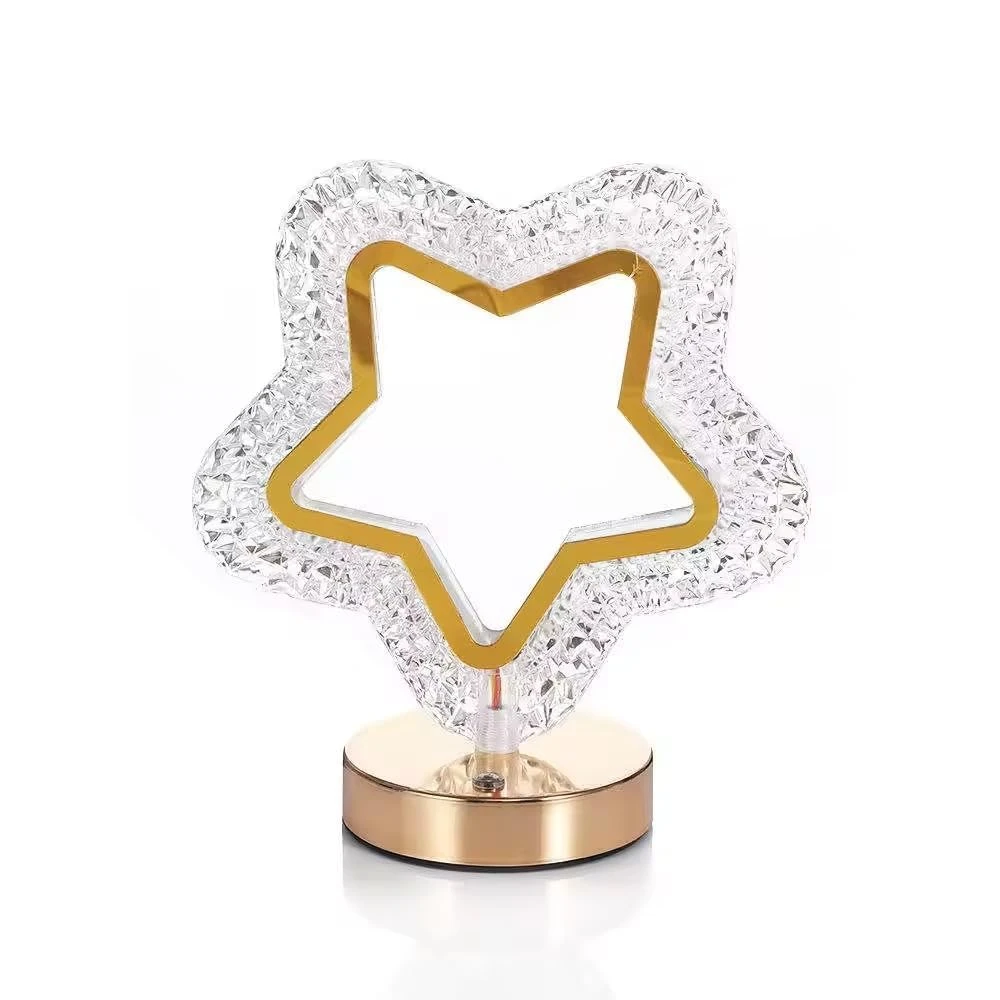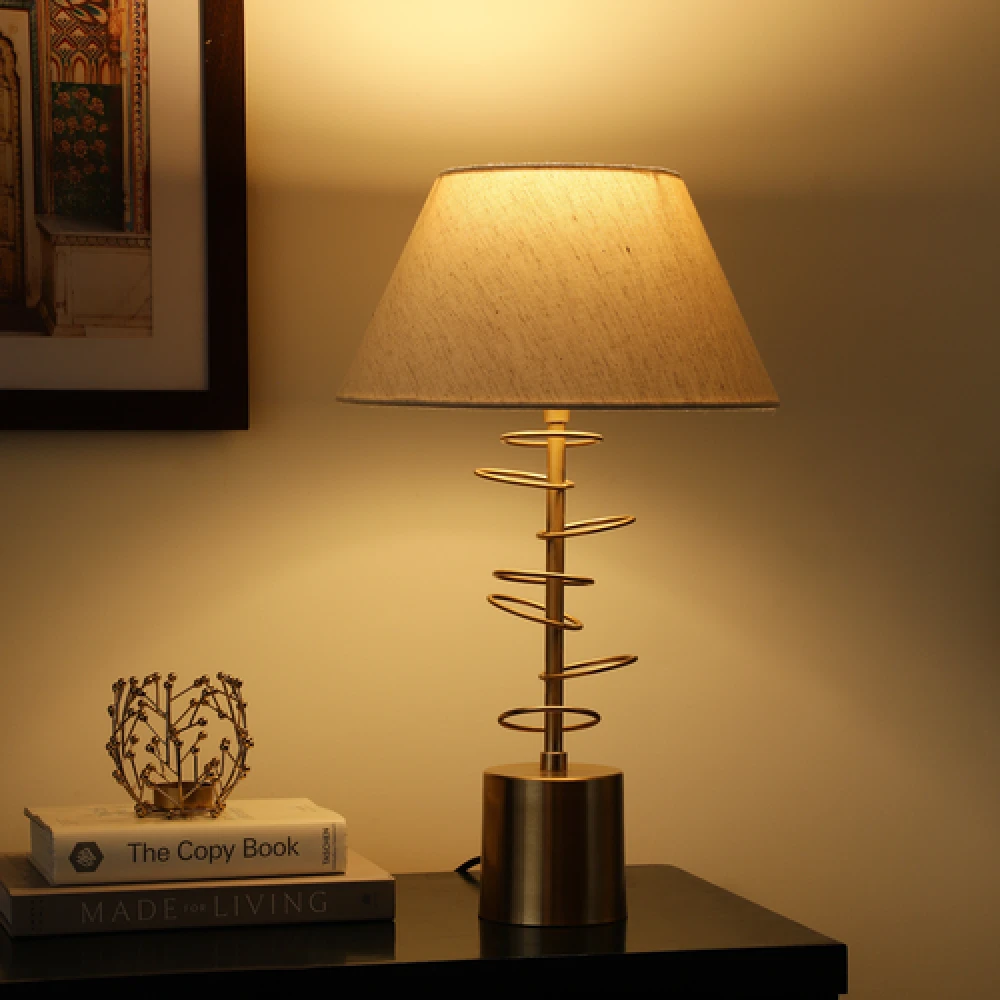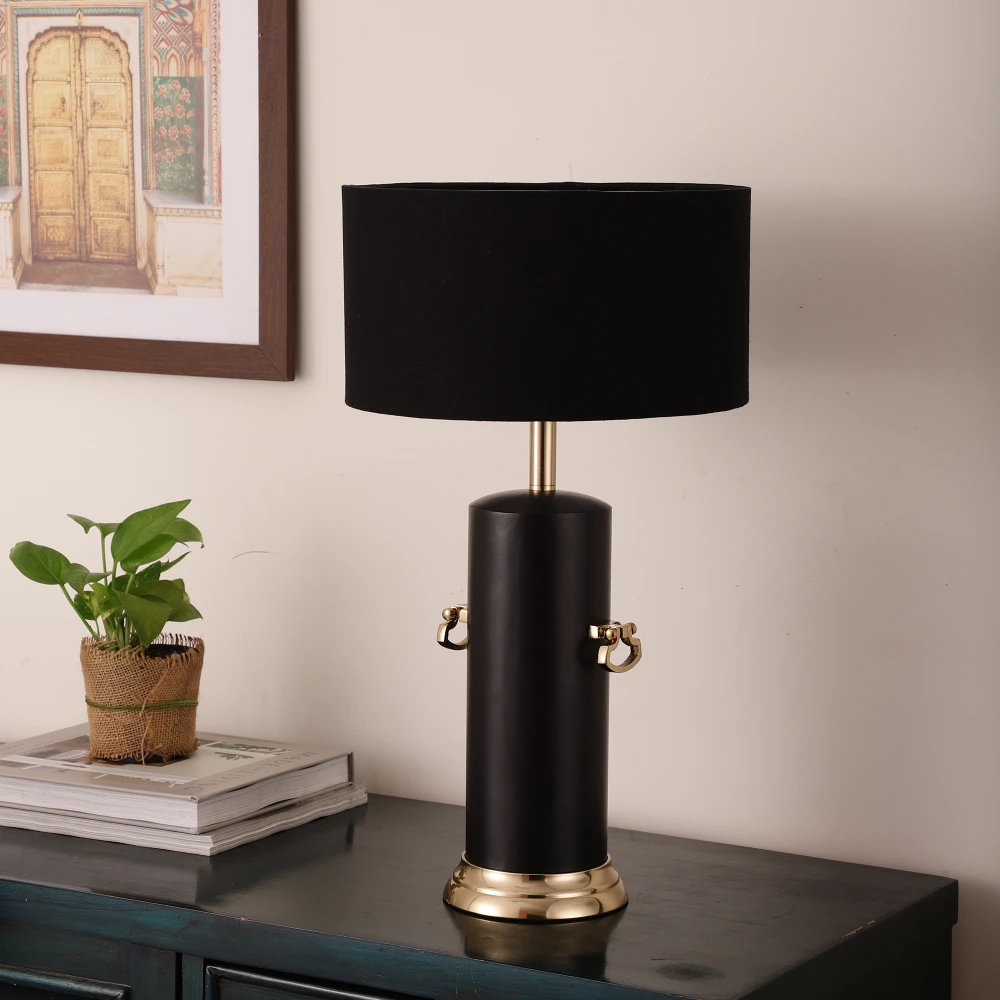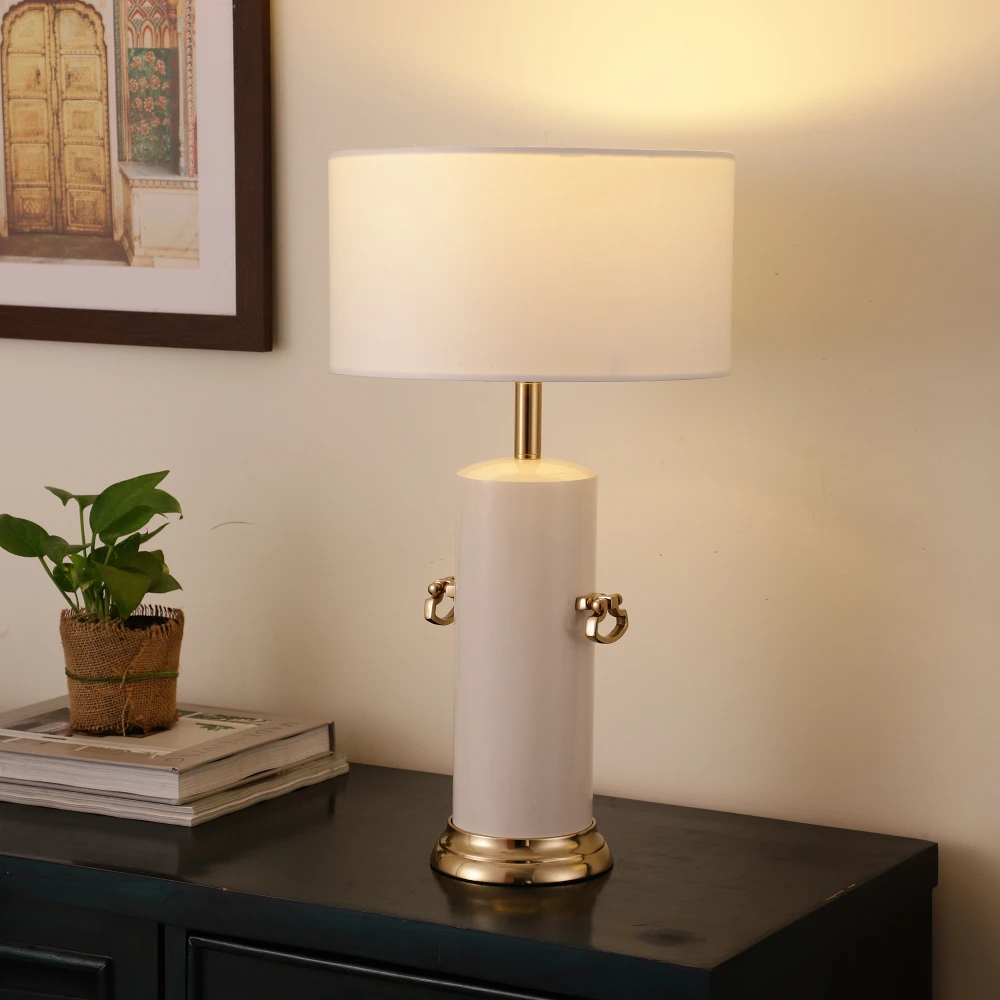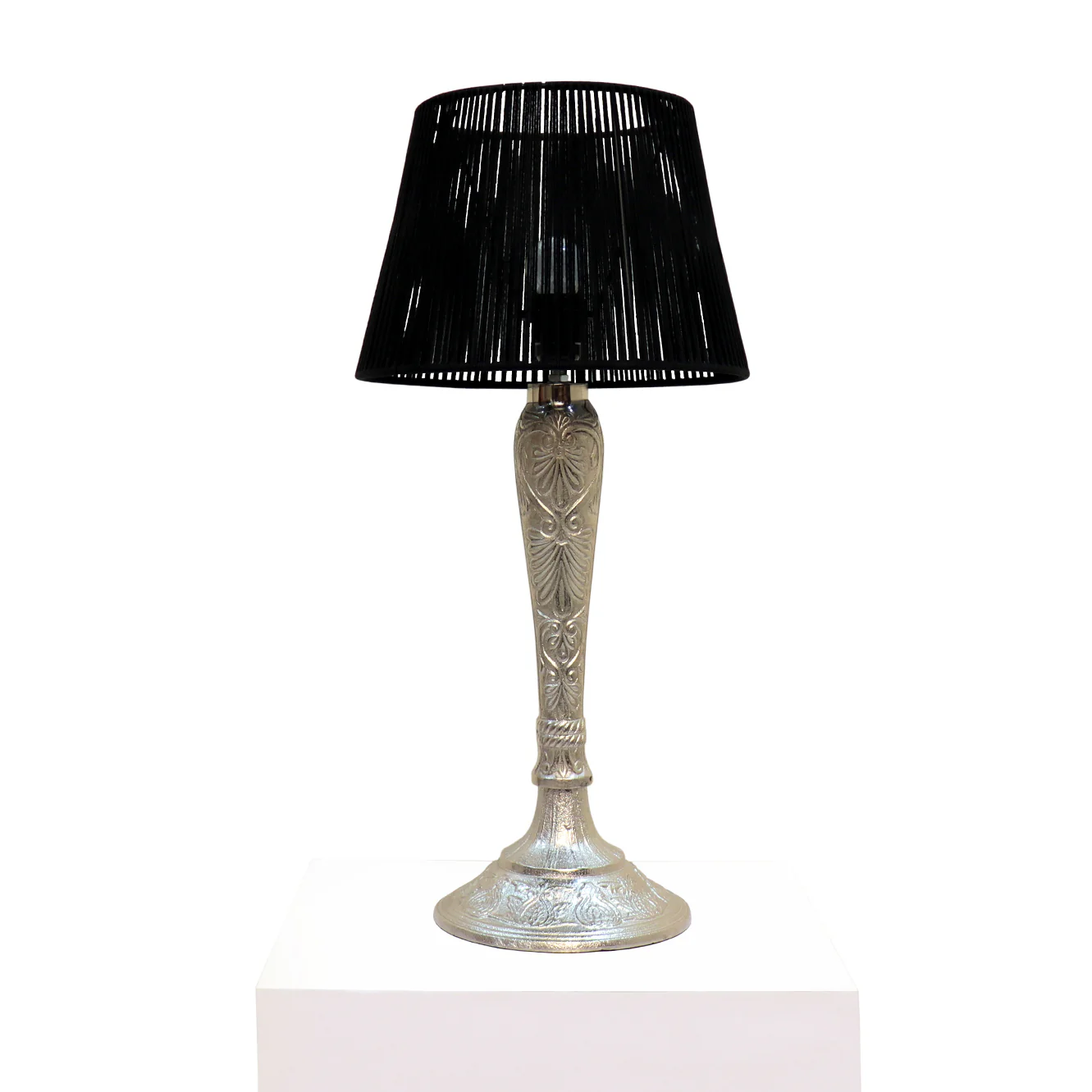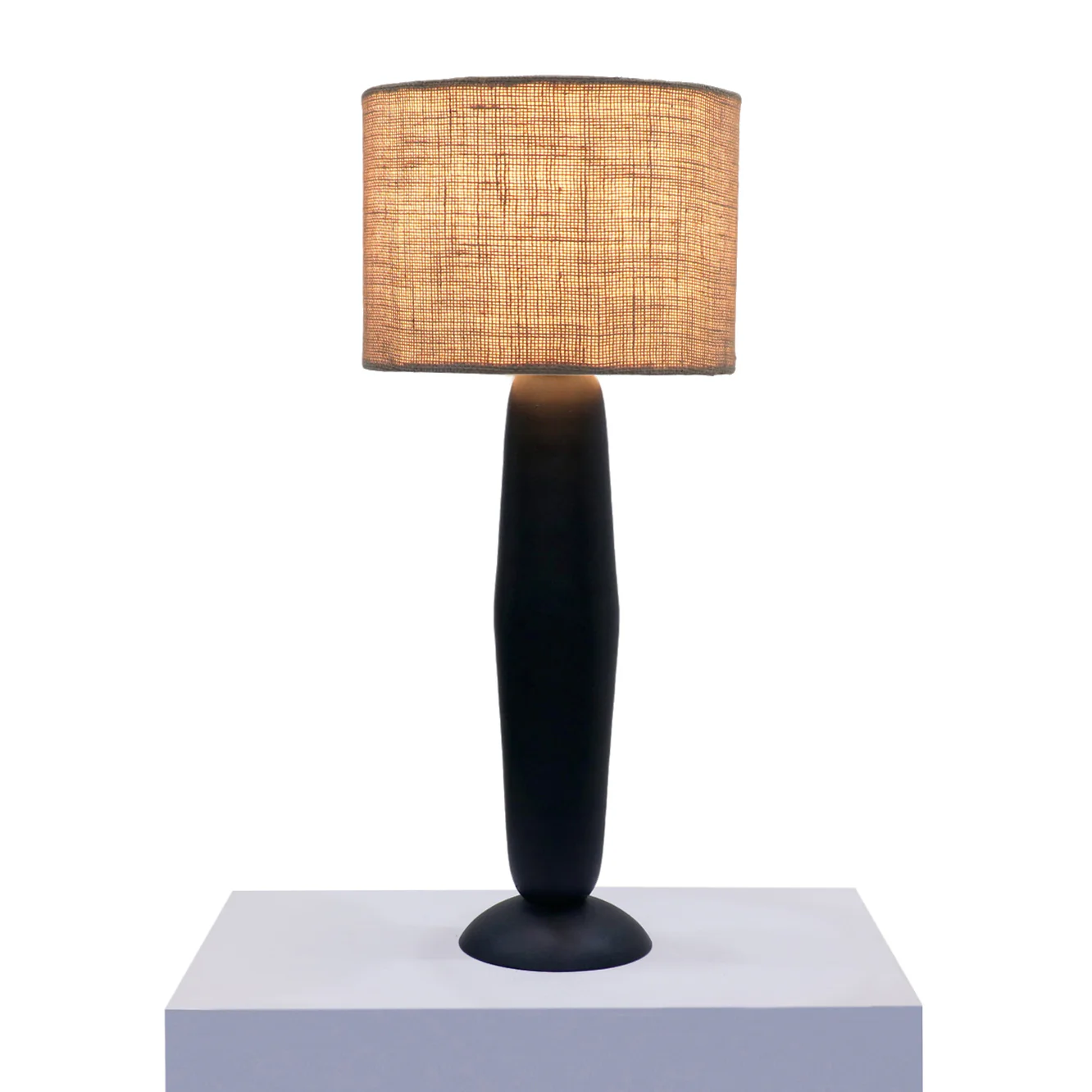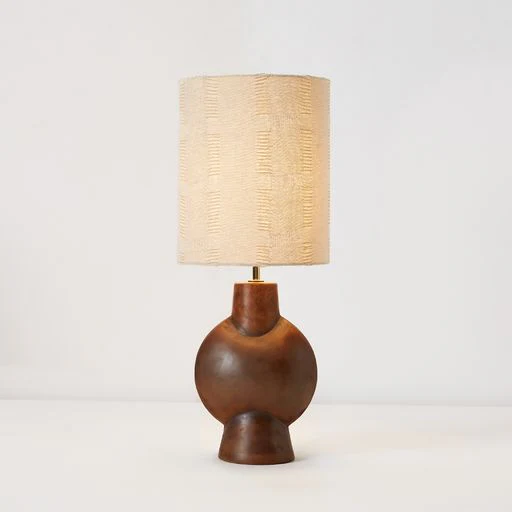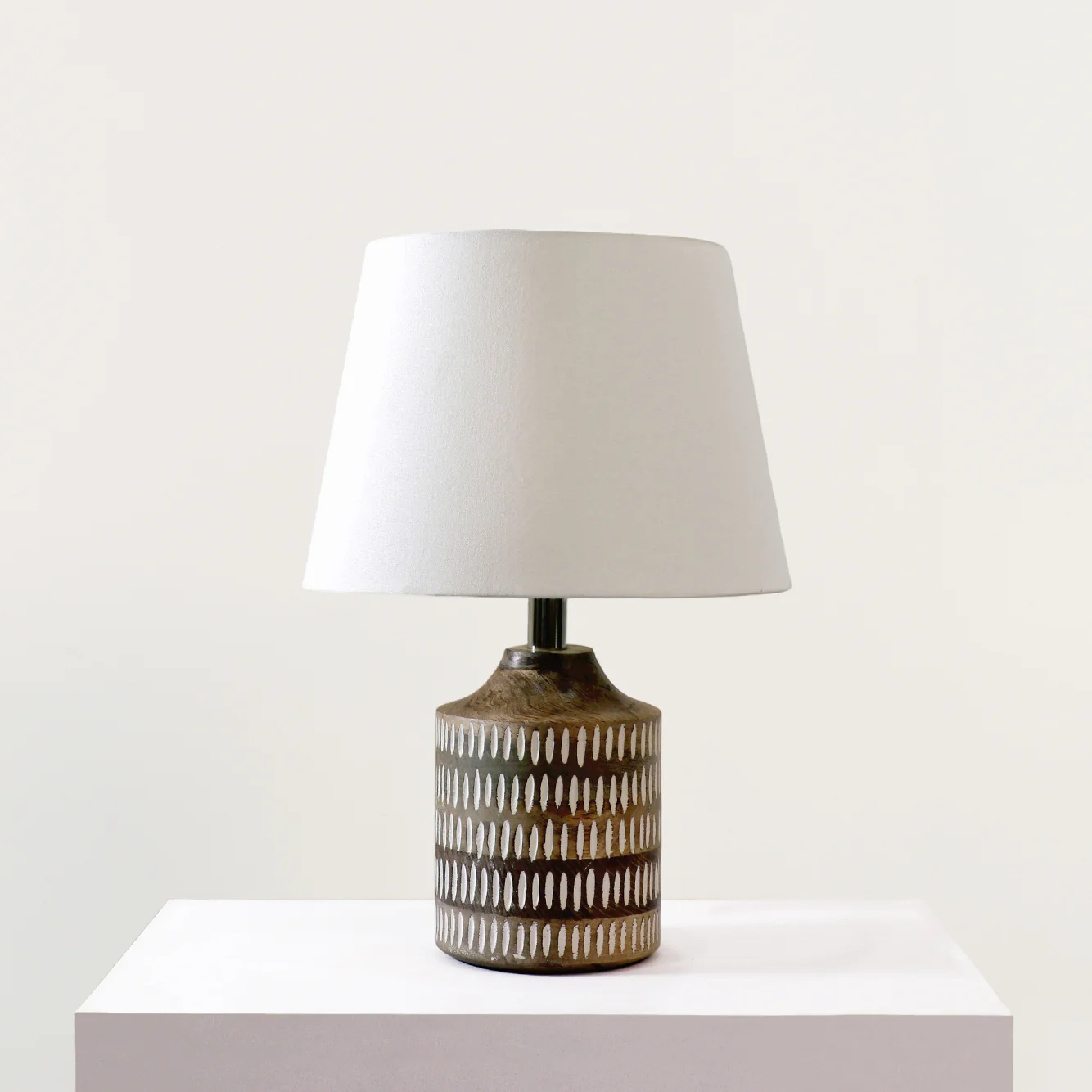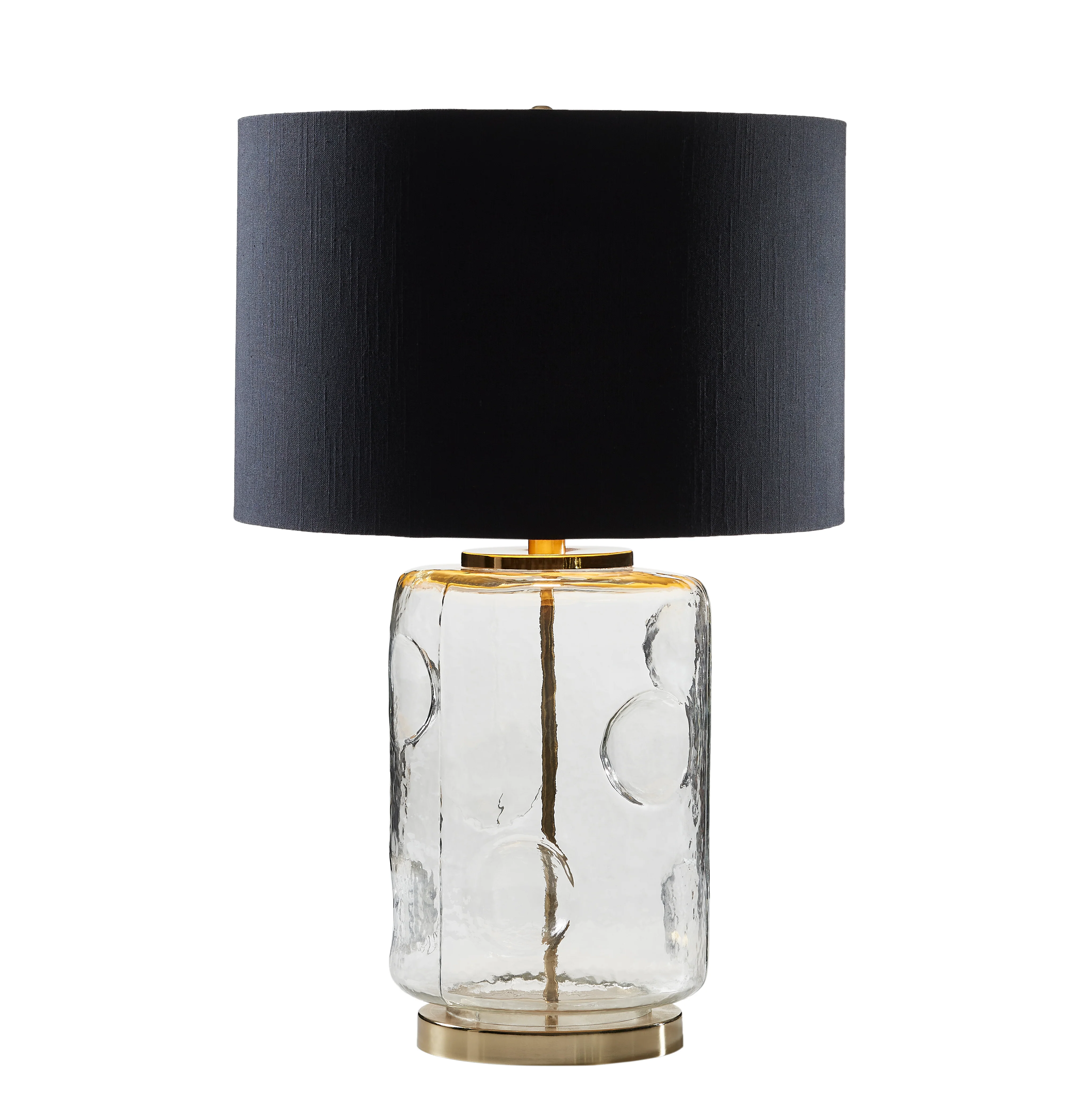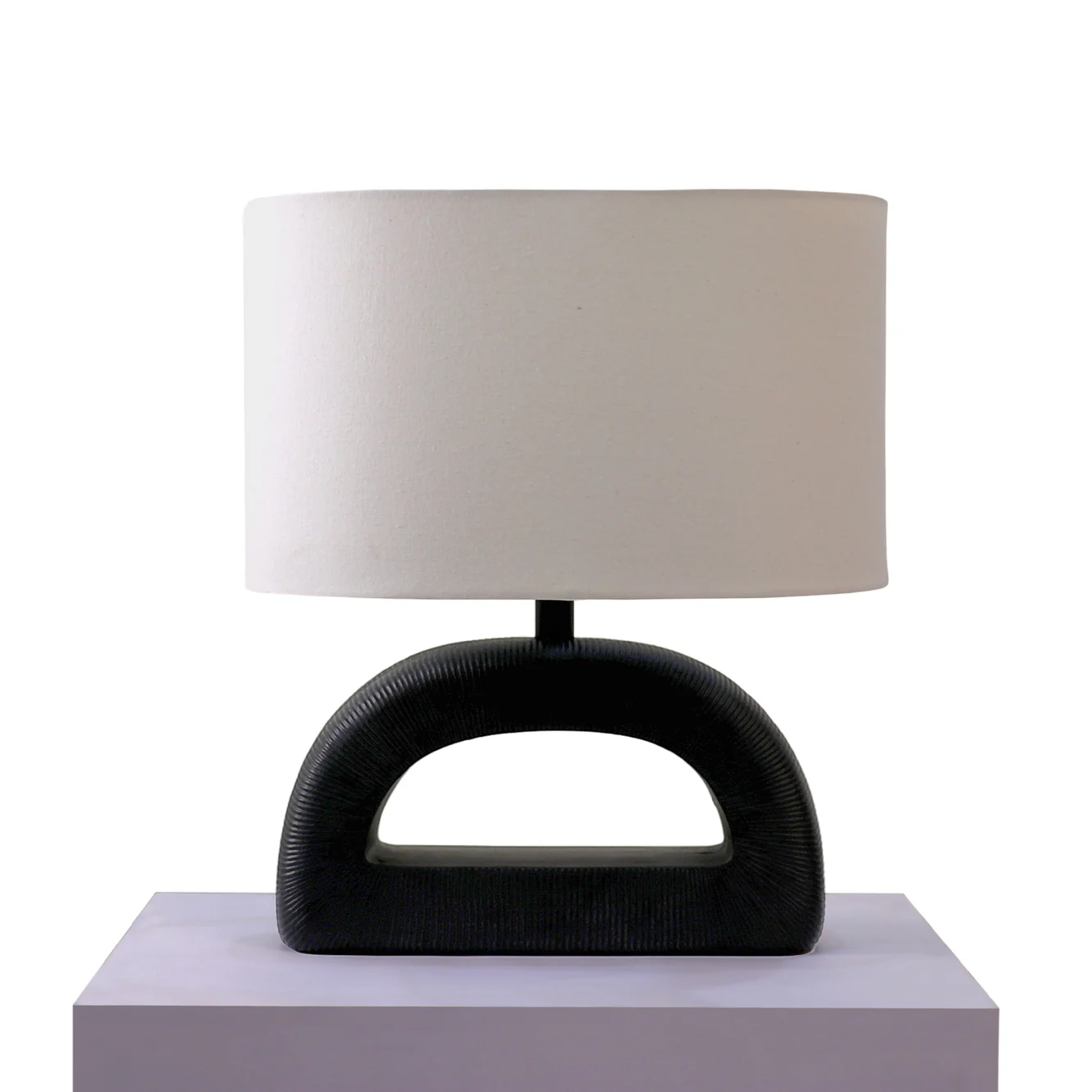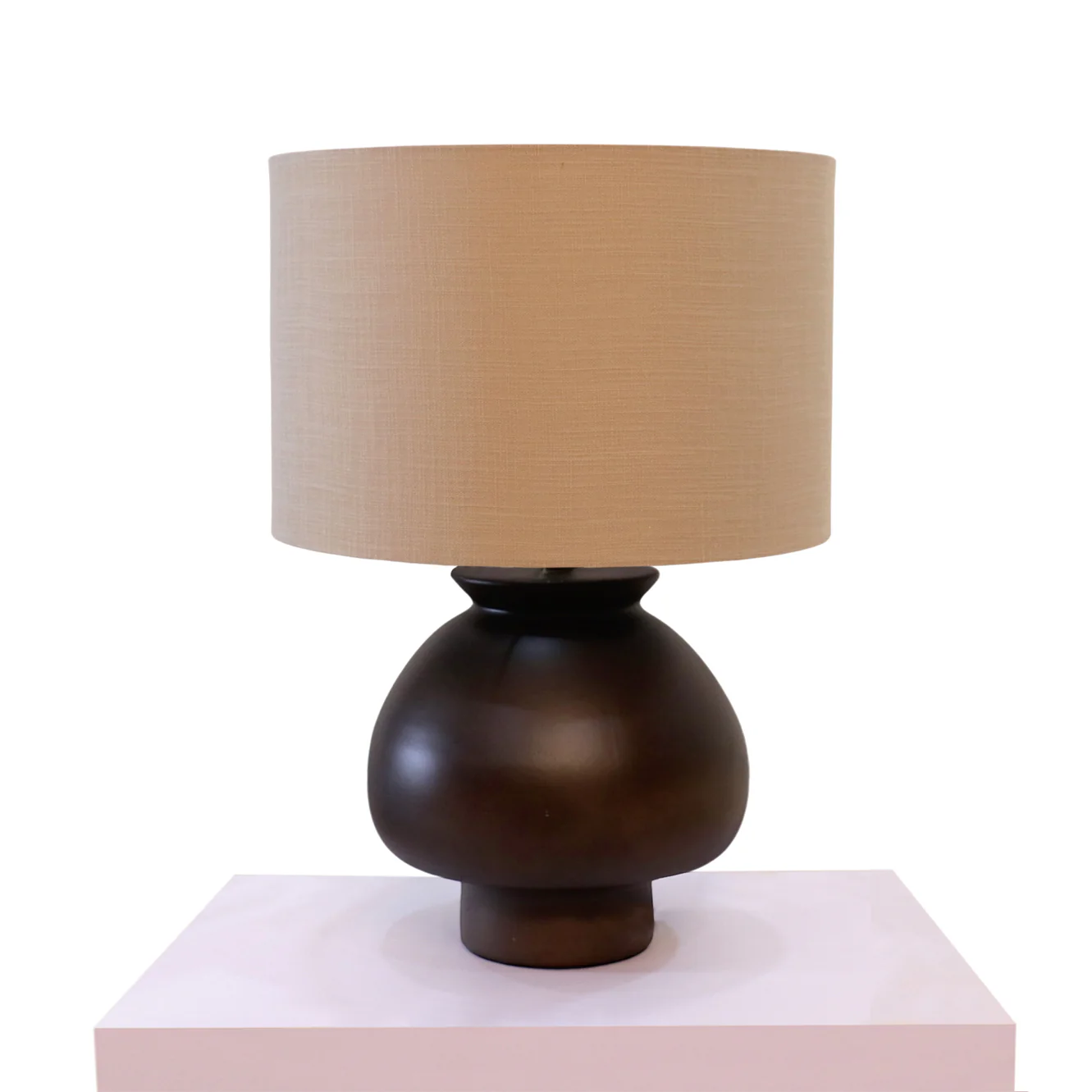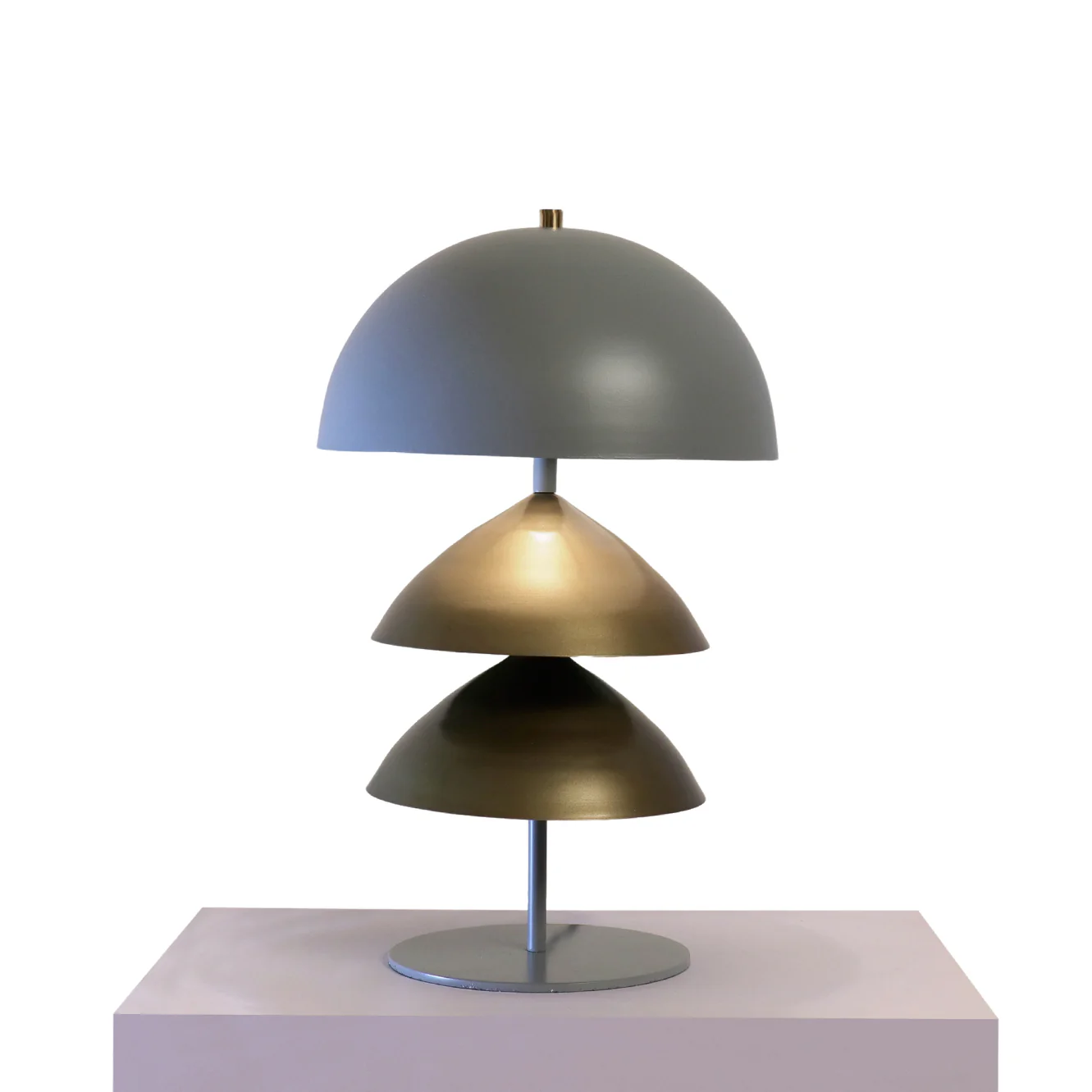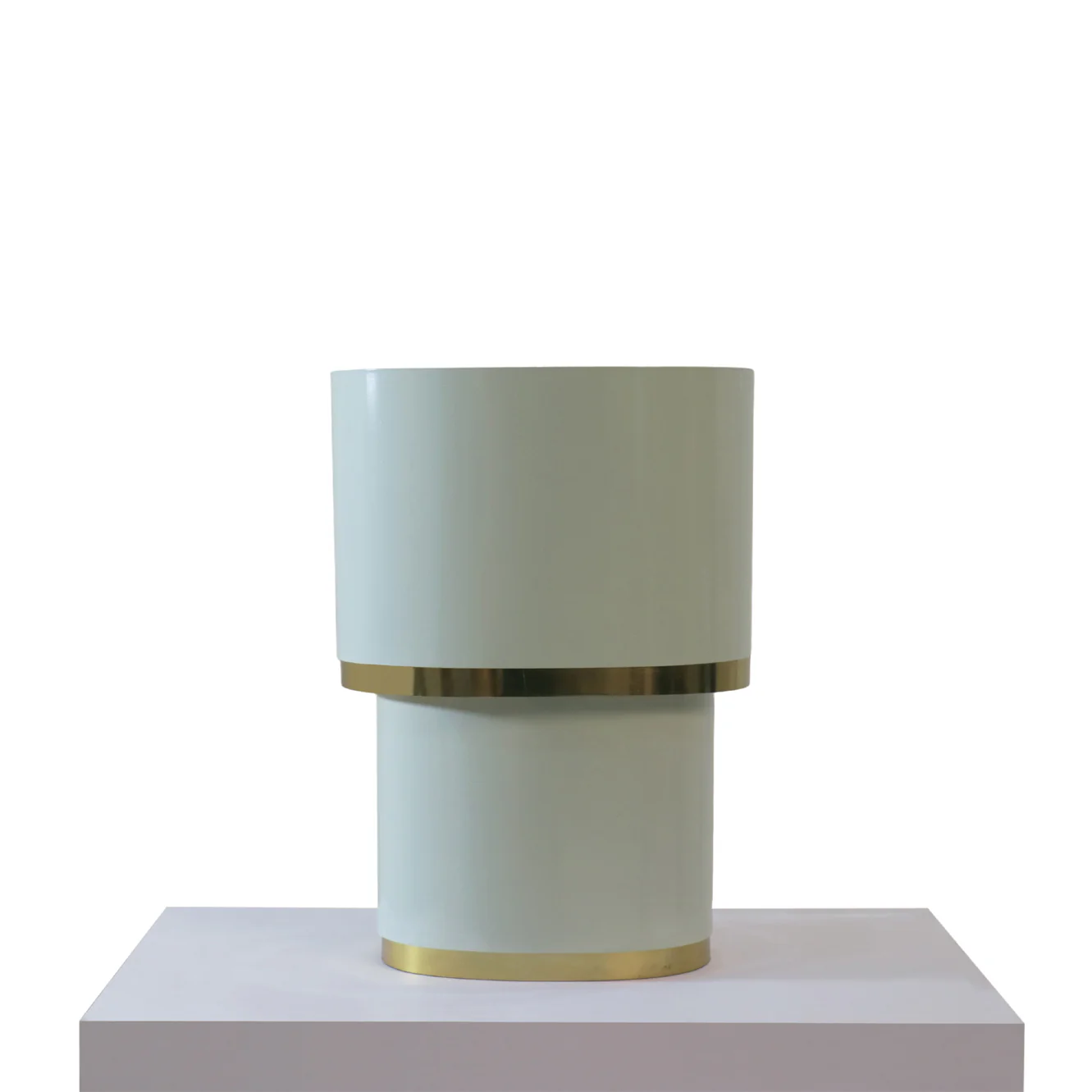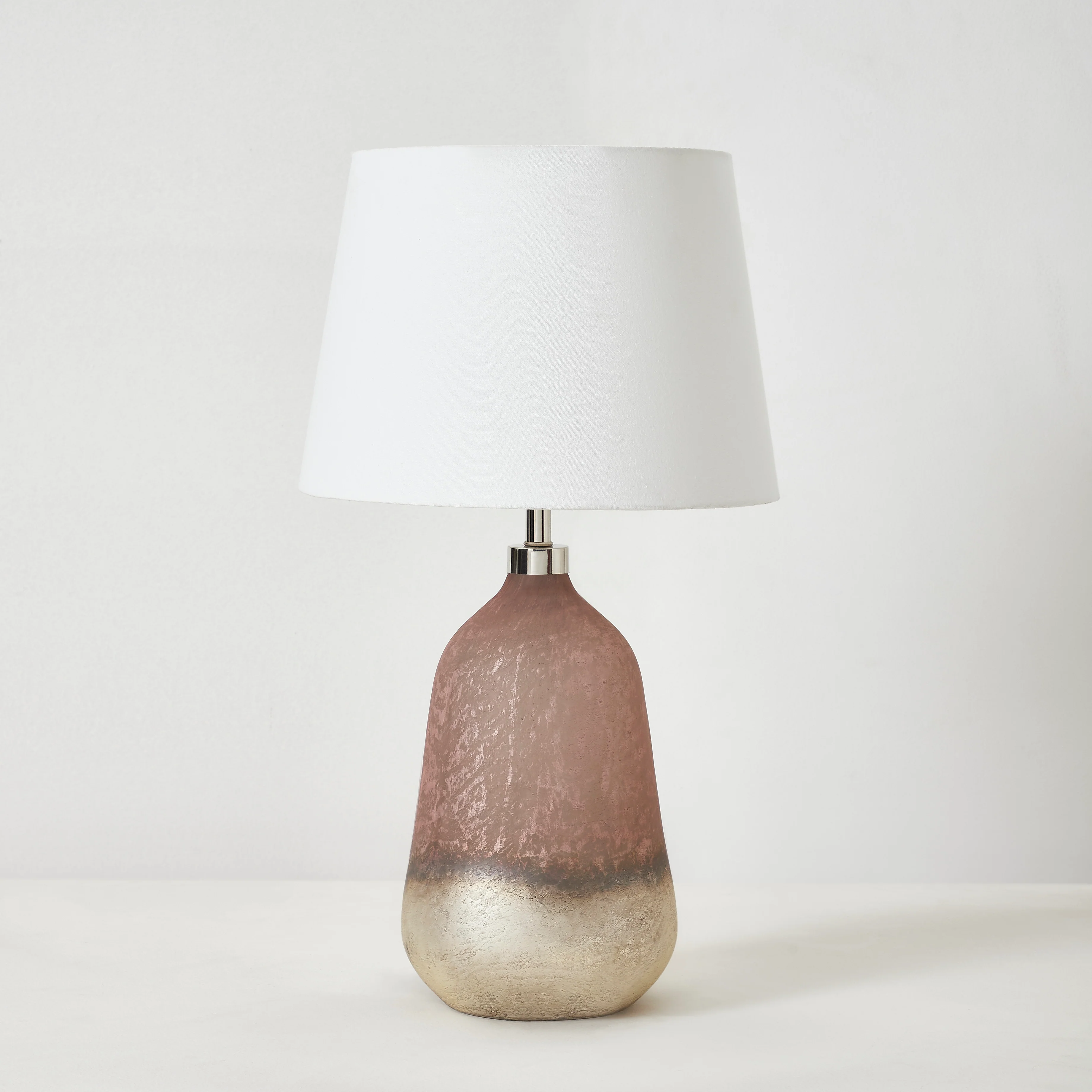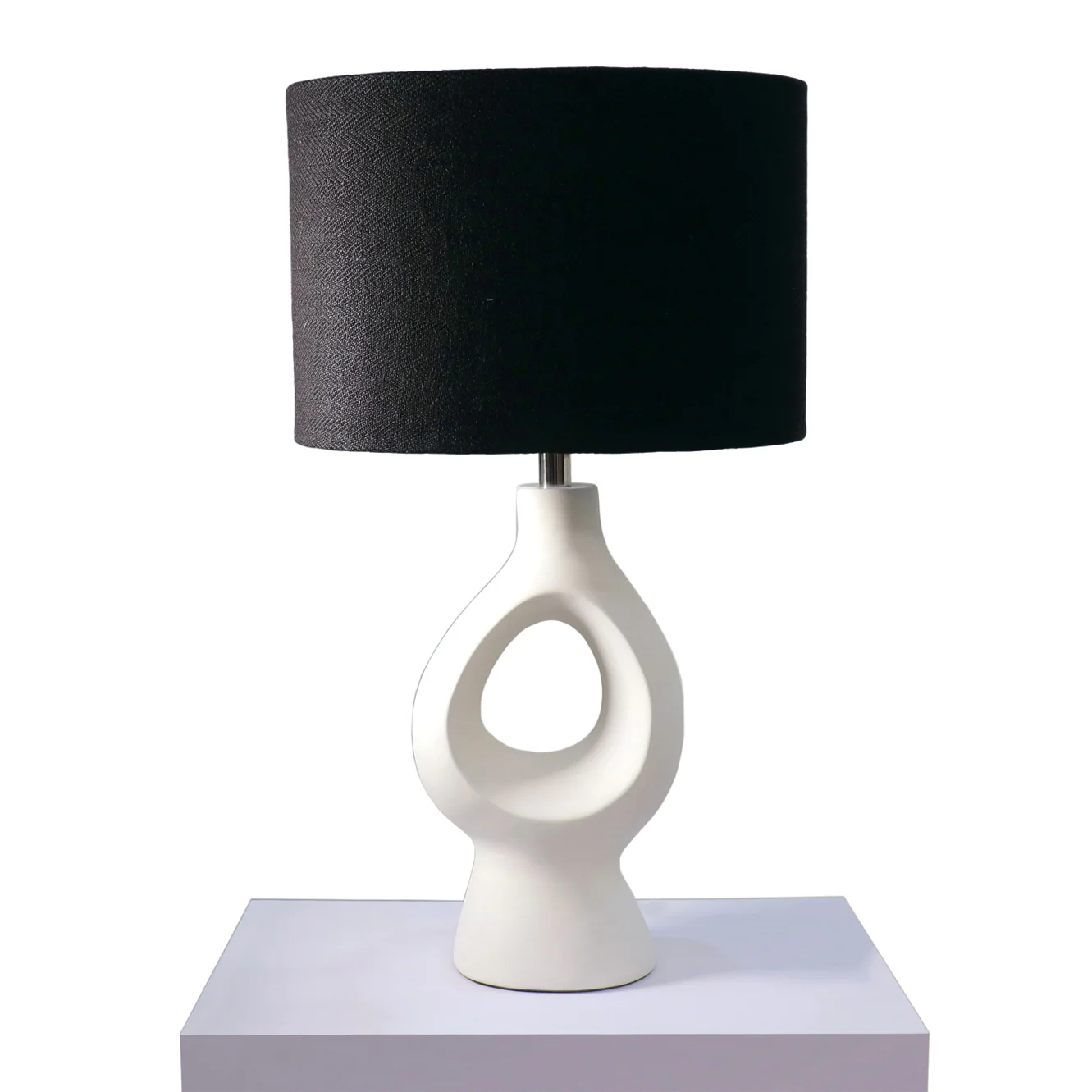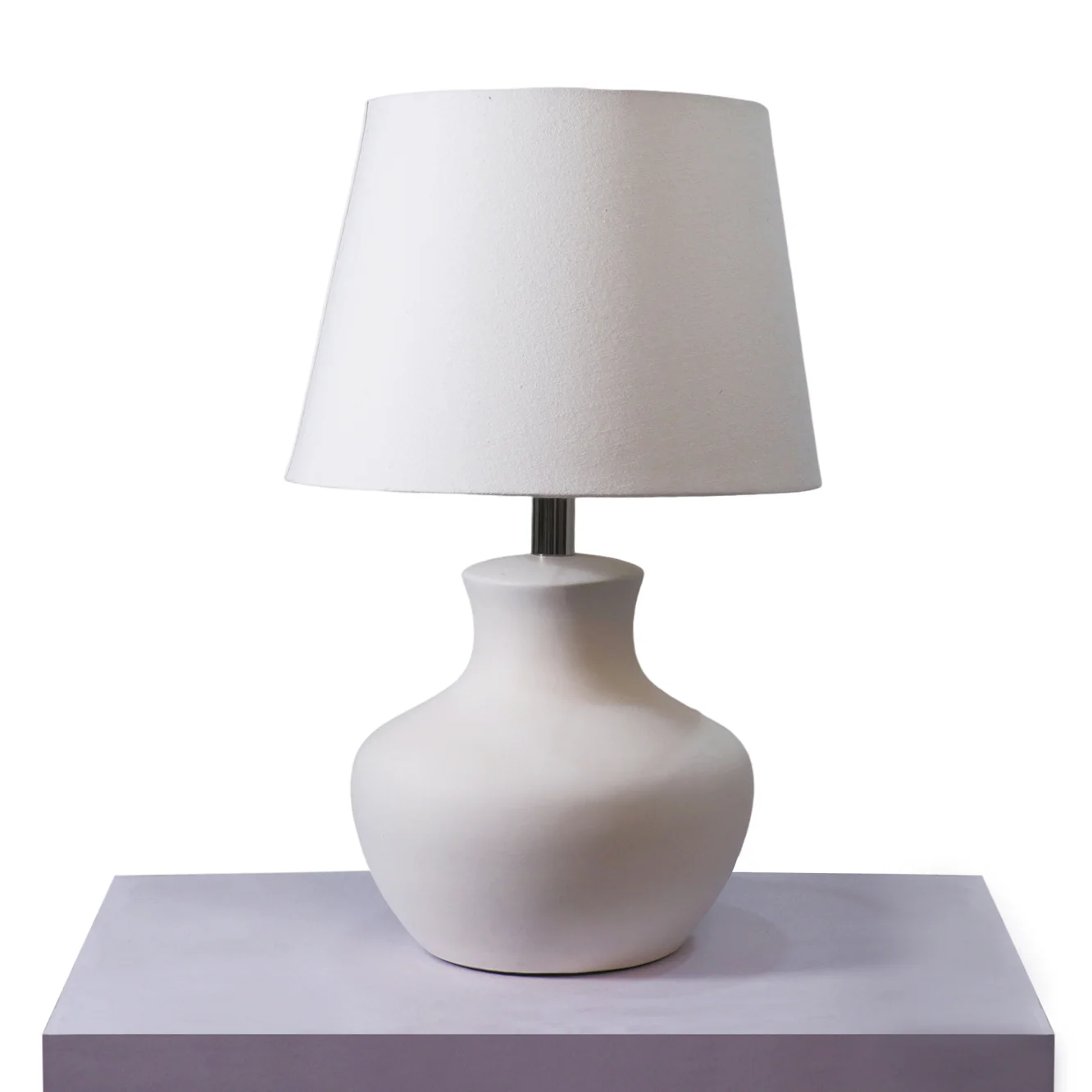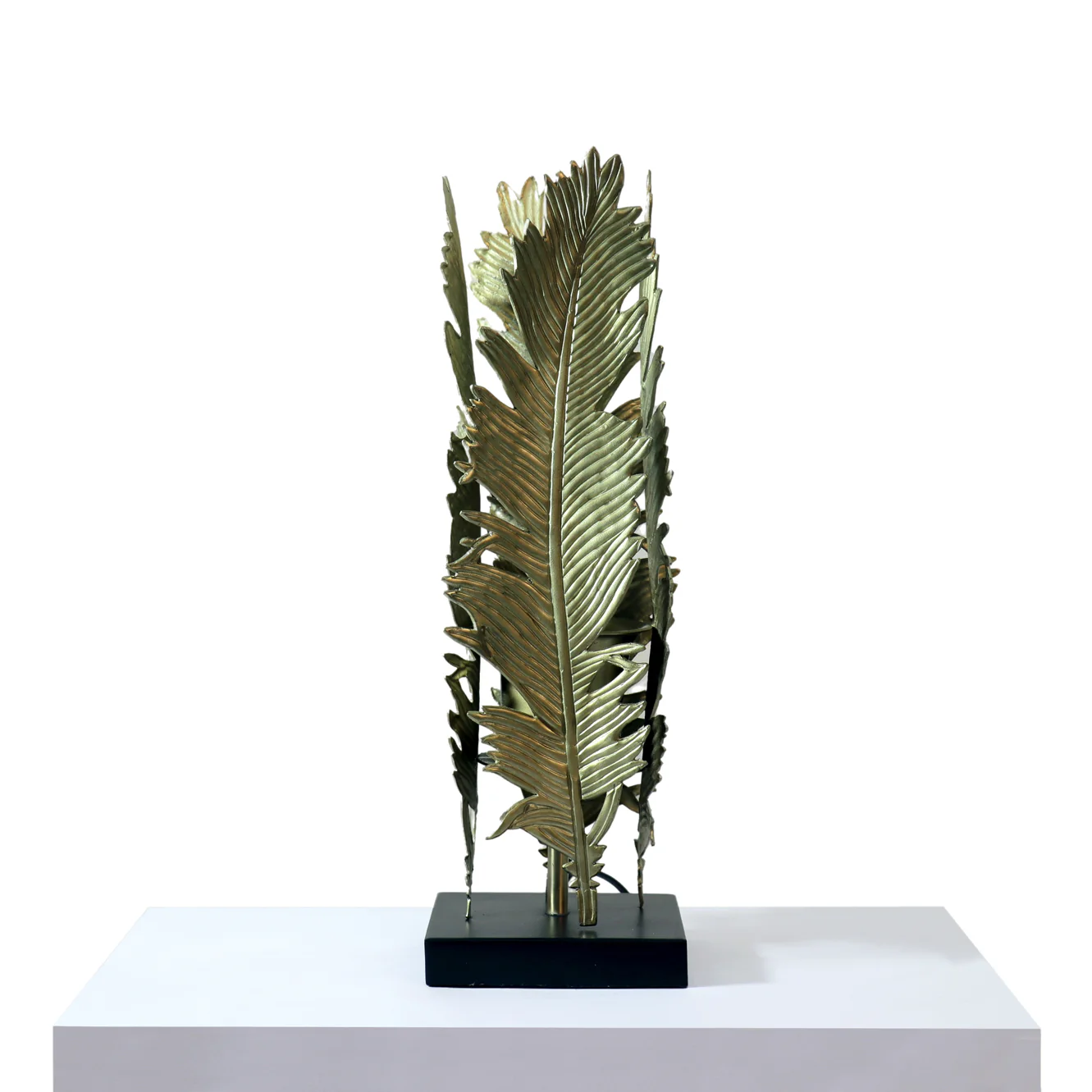
Table Lamps 37 Products
- Filter
- Product Type
- Size
- Rating
- Sort
- Delivery
- Discount
- Color
- Brand
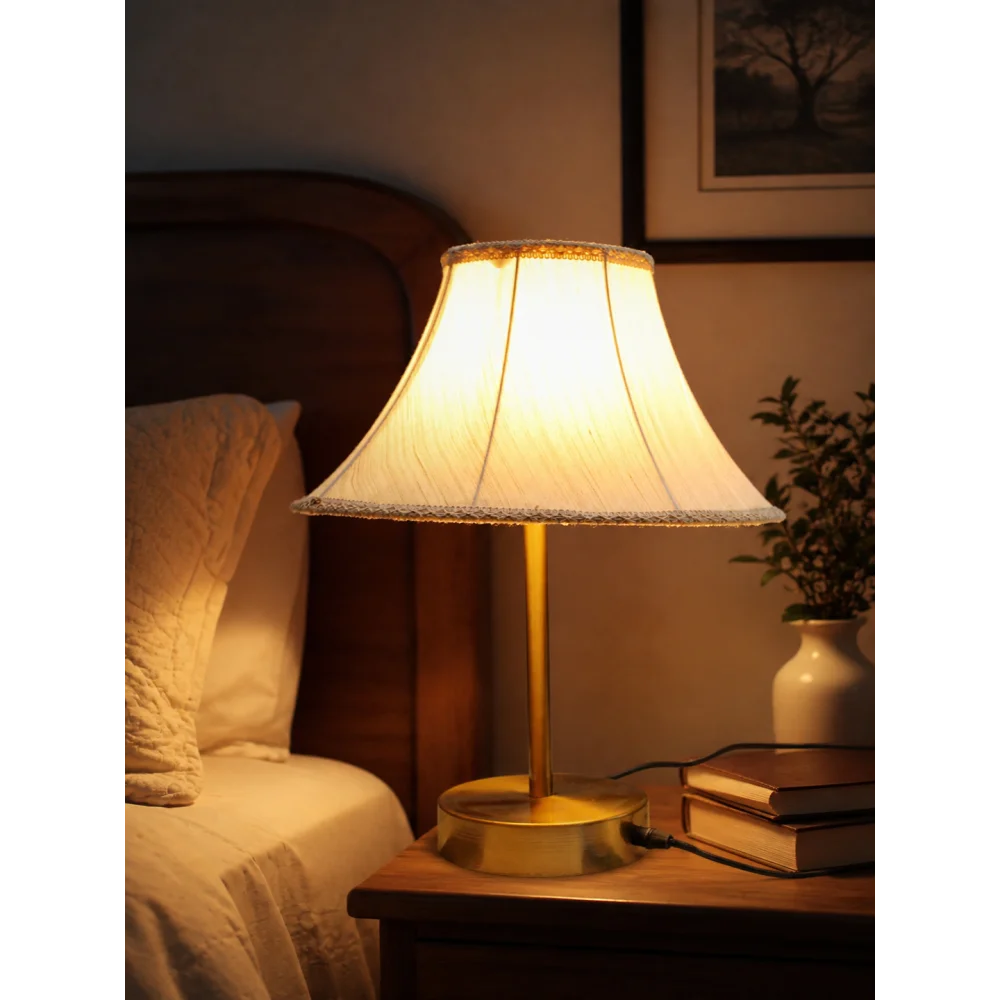
Add convenient lighting and decorative character to your interiors with thoughtfully selected table lamps. Compact and versatile, table lamps can provide useful illumination while becoming an attractive part of bedside tables, study desks, side tables, consoles and workspaces.
The right table lamp can support reading, studying, working or relaxed evening lighting depending on its design and placement. Decorative lamps can also help introduce colour, texture and visual interest into otherwise simple furniture arrangements.
At InteriorChowk, explore Table Lamps as part of the Lamps & Light collection. You can also coordinate them with Wall Lamps, Floor Lamps, Hanging Lamps, Lampshades and String Lights according to your room and lighting requirements.
A table lamp is a portable lighting fixture designed to sit on a flat surface such as a bedside table, study desk, console, side table or office desk.
Most table lamps include a base, light source and Lampshade or another form of light cover depending on the design. The shade can influence how light spreads around the surrounding area and also contributes to the overall appearance of the lamp.
Table lamps vary in height, size, material, shape and lighting style. The right option depends on where the lamp will be placed, how it will be used, available surface space and the overall interior design.
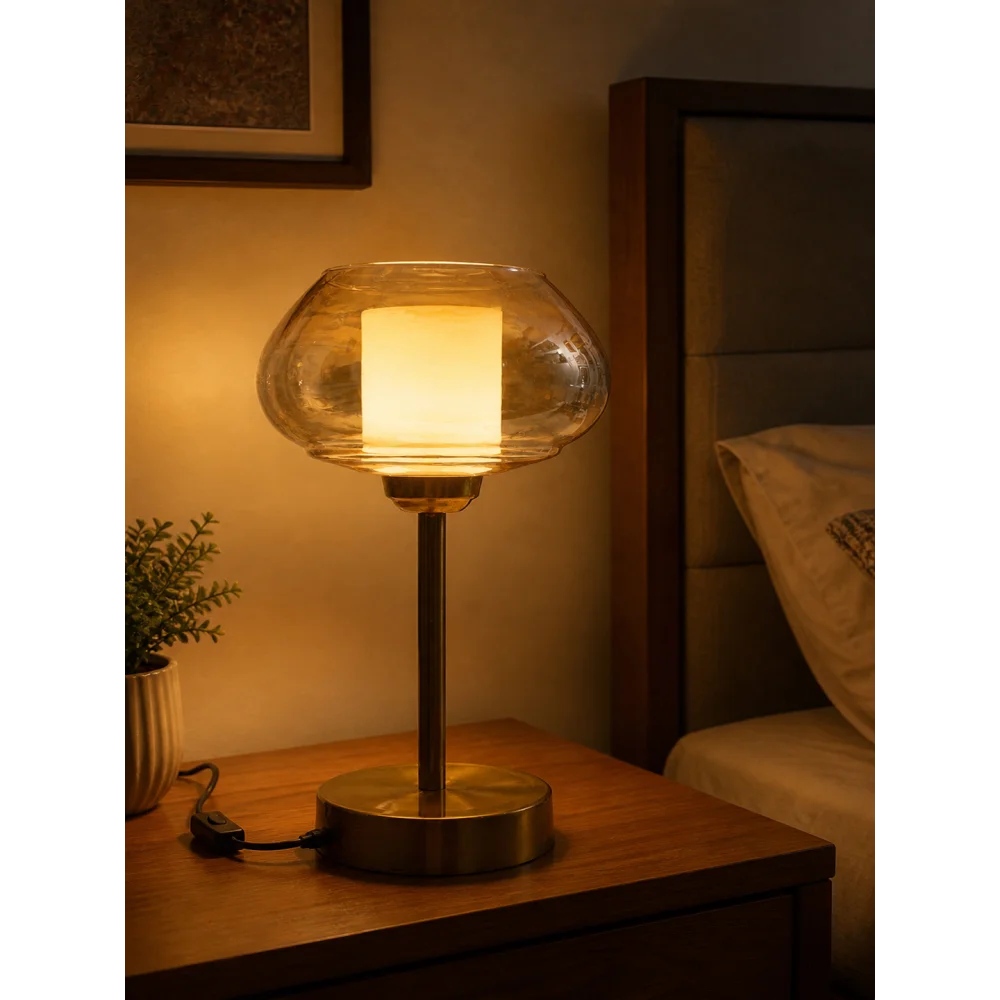
Bedside table lamps are designed to provide convenient lighting near the bed. They can be useful for reading, checking personal items or creating softer evening illumination.
A bedside lamp should be proportionate to the bedside table and bed height. Oversized lamps can occupy too much surface space, while very small lamps may not provide the visual balance required by larger bedroom furniture.
Before selecting one, consider the lamp height, base dimensions, shade size and switch accessibility.
Study table lamps provide localized lighting for reading, writing and other desk-based activities.
They should be positioned so that the working surface receives useful illumination without causing unnecessary glare on books or screens.
Consider the direction of light, available desk space and whether the lamp can be comfortably positioned around notebooks, computers and stationery.
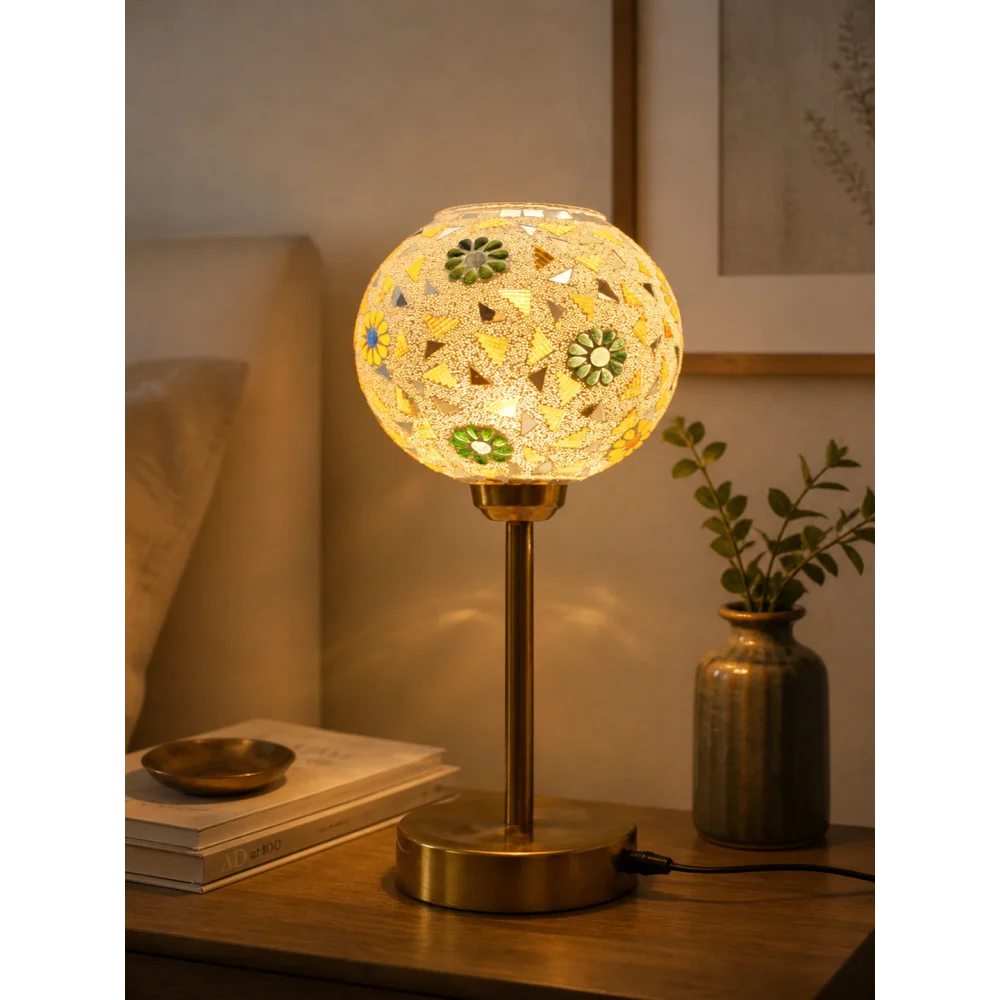
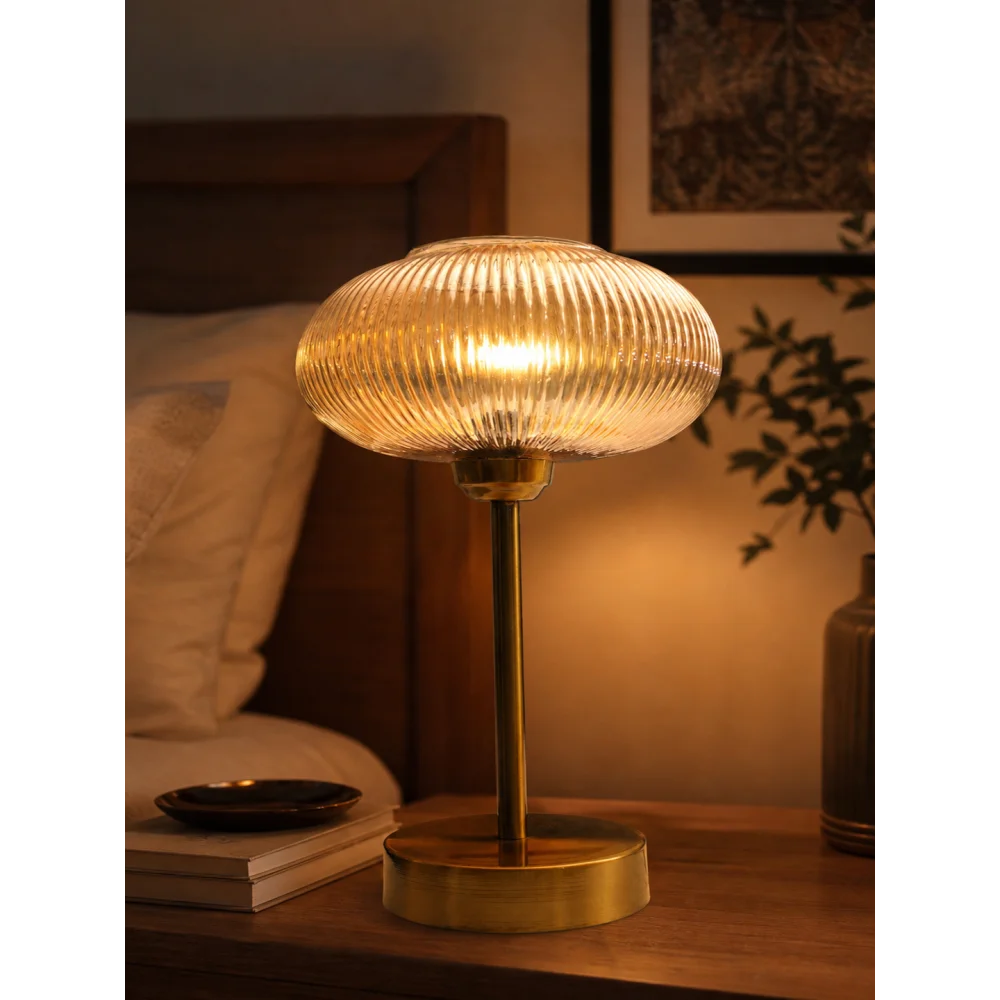
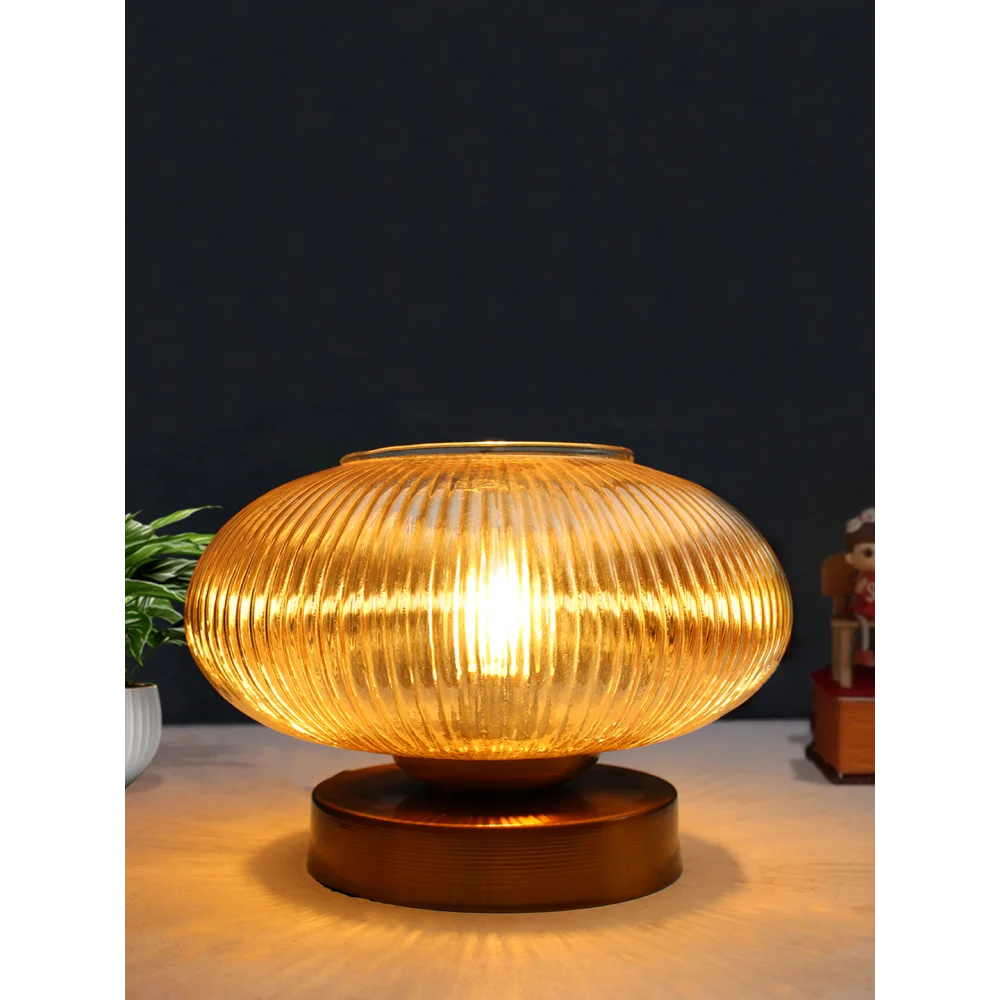
Decorative table lamps place greater emphasis on visual design while still providing illumination.
Their bases may feature interesting shapes, textures, metallic finishes, ceramics, glass or other decorative materials.
Decorative lamps can work particularly well on consoles, side tables, bedside units and living-room furniture where the fixture remains clearly visible.
Modern table lamps generally feature clean lines, simple shapes and contemporary finishes.
They can complement modern apartments, minimalist bedrooms, home offices and living rooms featuring simple furniture arrangements.
Neutral shades and understated bases can help the lamp integrate easily with contemporary interiors.
Traditional table lamps may feature detailed bases, classic shapes, warm finishes and decorative shades.
They can complement wooden furniture, traditional bedrooms and living rooms featuring richer textures and more detailed decor.
Statement lamps use distinctive forms, colours, materials or proportions to attract visual attention.
They can become a focal point on a console or side table, particularly when the surrounding furniture and decor are relatively simple.
Avoid placing too many strong decorative elements around a statement lamp, as this can make the arrangement appear crowded.
Minimalist table lamps focus on basic forms and functional lighting with limited decorative detailing.
They can work well on study desks, bedside tables and modern workspaces where clear surfaces and uncluttered styling are preferred.
Bedrooms are one of the most common spaces for table lamps because localized lighting can be useful around bedside areas and dressing furniture.
Place a Table Lamp on a bedside unit where it can be reached comfortably from the bed.
Choose a design that complements the bed, headboard, bedside furniture, wall colour and other bedroom accessories.
Living rooms can use table lamps on side tables, console tables and other suitable furniture to create additional lighting layers.
They can be paired with Floor Lamps around seating arrangements and Wall Lamps around selected walls.
Decorative table lamps can also help visually balance larger sofas, consoles and other furniture pieces.
Study rooms require lighting that supports concentration and comfortable reading or writing.
Place the lamp where the light reaches the work surface effectively without blocking books, laptops or other frequently used items.
The lamp base should remain stable and should not occupy more desk space than necessary.
Home offices can benefit from additional desk lighting, particularly during evening work or where general room illumination does not adequately cover the workspace.
Choose a table lamp that provides useful illumination while coordinating with the desk, office chair and other workspace accessories.
A decorative lamp can become an important part of a console-table arrangement in living rooms, entrances and hallways.
Depending on the console width, a single lamp can create an asymmetrical decorative arrangement, while two suitable lamps may be used where balanced styling is preferred.
Keep enough free surface space around the lamp for other functional or decorative items.
Table lamps can be placed on suitable side tables beside reading chairs to provide localized illumination.
Where a side table is unavailable, a Floor Lamp may provide an alternative lighting solution.
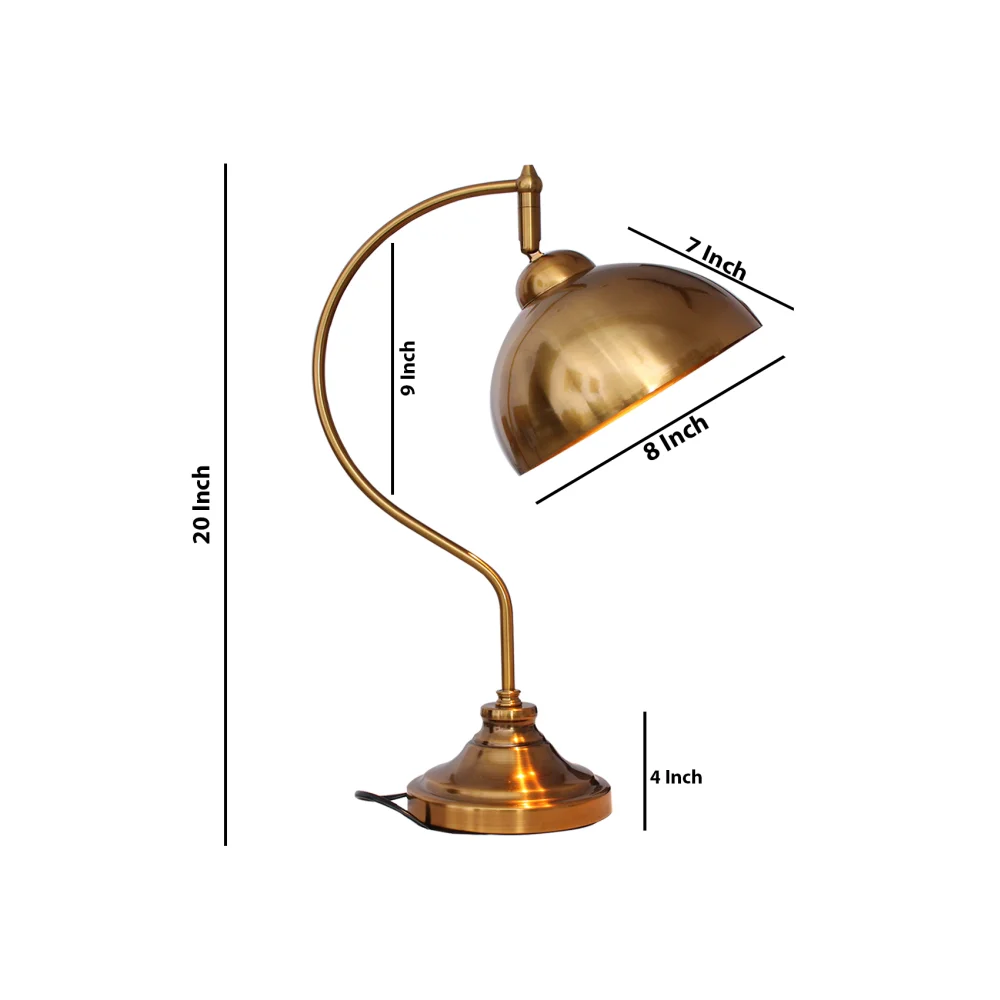
Metal lamp bases can create modern, industrial, minimalist or premium-looking designs depending on their structure and finish.
Black, gold-tone, brass-tone, silver and other metallic finishes can coordinate with different furniture styles.
Check the surface coating, base stability and overall finish before purchasing.
Wooden table lamps can introduce warmth and natural texture to bedrooms, study rooms and living spaces.
They work particularly well with wooden furniture, neutral furnishings and earthy interior palettes.
Protect wooden components from prolonged moisture exposure and follow the recommended care instructions.
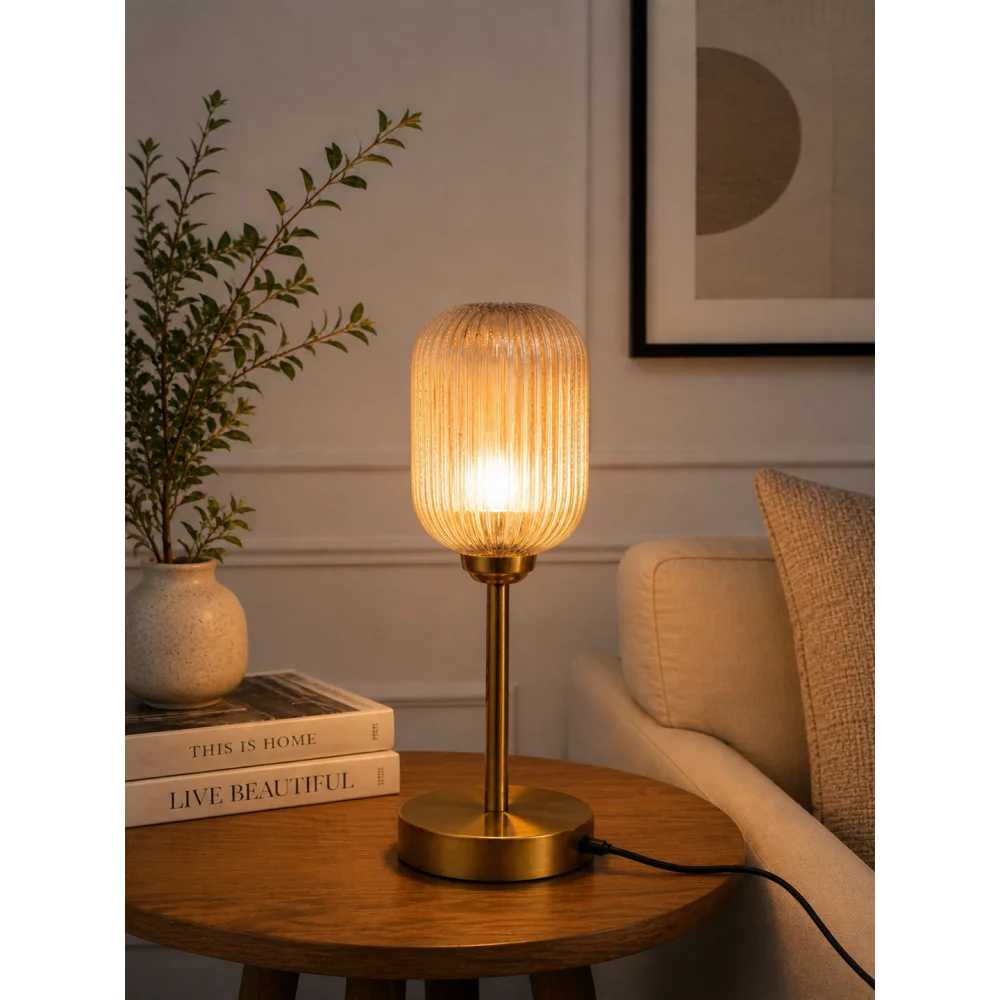
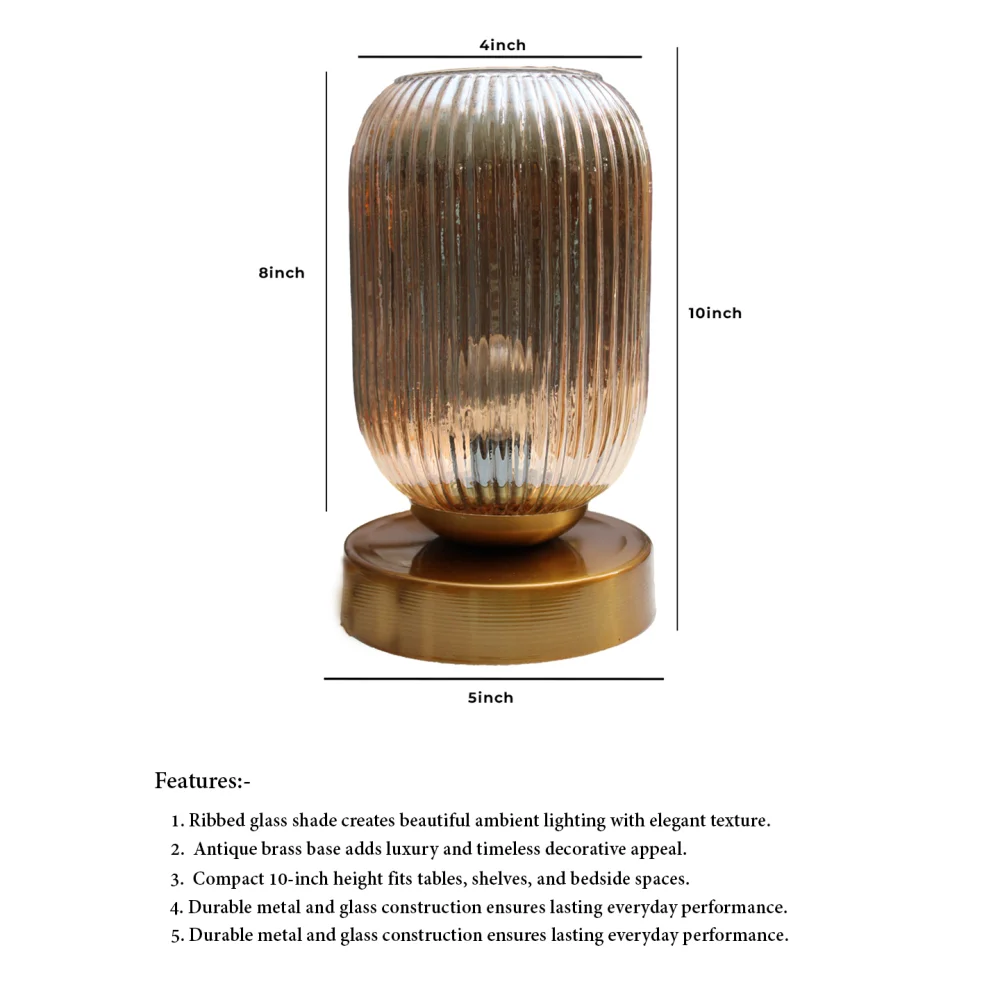
Glass lamp bases can provide a decorative, elegant and visually lighter appearance.
Depending on the design, the glass may be clear, coloured, textured or combined with metal and fabric elements.
Place glass lamps on stable surfaces and handle them carefully during cleaning.
Ceramic lamp bases can feature a wide variety of colours, shapes, textures and decorative patterns.
They can work particularly well in bedrooms, living rooms and console arrangements where the lamp itself is intended to add decorative interest.
Ceramic components should be handled carefully because they may chip or break if dropped.
Many table lamps use fabric Lampshades to soften and diffuse the light.
Shade colour, density and texture can influence both the appearance of the lamp and the way light spreads around the surrounding area.
Check the cleaning requirements of the fabric before choosing a shade.
Table lamps frequently combine materials such as metal, wood, ceramic, glass and fabric.
Mixed-material designs can make it easier to coordinate the lamp with furniture and accessories featuring different finishes.
Modern designs use clean structures, contemporary materials and simple colour combinations.
They are suitable for modern bedrooms, home offices and contemporary living spaces.
Minimalist designs reduce visual complexity and focus on simple forms and practical lighting.
These lamps work well on compact desks and bedside tables where a clutter-free appearance is important.
Traditional lamps may use decorative bases, classic shade shapes and warmer finishes.
They can complement wooden furniture, textured fabrics and classic interior themes.
Vintage-inspired lamps may include antique-style metallic finishes, detailed bases or traditional shade forms.
They can add character to reading rooms, bedrooms, studies and eclectic interiors.
Industrial-style lamps often feature metal structures, darker colours and straightforward functional forms.
They can complement modern workspaces, study rooms and interiors featuring metal or exposed-looking design elements.
Decorative bases, metallic accents, glass details and refined shades can create a more luxurious appearance.
These designs can work well on larger bedside tables, consoles and formal living-room furniture where sufficient surface space is available.
A table lamp can provide softer supplementary illumination when full overhead lighting is not required.
This can help create a more relaxed atmosphere in bedrooms and living rooms during evenings.
Suitable table lamps can provide focused illumination for reading, studying and desk-based work.
The lamp should be positioned carefully so that light reaches the intended surface without causing excessive glare.
A decorative lamp can highlight a console, side table or selected furniture arrangement while contributing to the overall lighting scheme.
The appearance of the lamp becomes particularly important when it is being used as a decorative focal point.
Bedside lamps can provide convenient illumination for reading and other activities without requiring full room lighting.
Keep the switch easily accessible and choose a lamp size appropriate for the bedside table.
Start by deciding whether the lamp is intended for a bedside table, study desk, living-room side table, console or office desk.
Each location has different requirements for height, surface space and light distribution.
Measure the tabletop before choosing a lamp.
Leave enough space for books, phones, clocks, laptops and other objects that also need to remain on the surface.
The lamp should be proportionate to the furniture on which it is placed.
A lamp that is too tall or too short may feel visually unbalanced and may place the light source at an uncomfortable level.
A wider base may provide greater stability but will also require more tabletop space.
Compact surfaces generally benefit from lamps with smaller footprints.
The Lampshade should appear proportionate to the base and fit securely according to the lamp's required fitting.
Consider both the shade width and height before selecting or replacing one.
Some lamps provide broad diffused illumination, while others direct light toward a more specific area.
Choose the design according to whether the lamp is intended mainly for reading, general ambience or decoration.
Review the lamp specifications for the required bulb type, holder and supported electrical rating.
Only use light sources that are compatible with the fixture specifications.
A bedside or desk lamp should have a switch that can be reached conveniently from its usual position.
Check whether the switch is located on the cord, base or fixture itself.
Consider where the electrical outlet is located and how the lamp cord will reach it without creating unnecessary obstruction.
Keep cords away from areas where they may be frequently pulled or damaged.
Consider the room's furniture, wall colour, furnishings and other lighting fixtures.
A coordinated lamp should complement the surrounding interior rather than appearing visually disconnected.
Position bedside lamps where they can be reached comfortably while leaving enough surface space for everyday essentials.
Where two bedside tables are present, matching or coordinated lamps can help create visual balance.
Place a table lamp beside sofas or chairs where additional illumination is useful.
Make sure the lamp does not obstruct conversation, television viewing or movement around the seating area.
Position the lamp so the primary working area receives useful light.
Avoid placing the fixture where its base or shade interferes with laptops, books and other frequently used study materials.
A table lamp can help anchor a decorative console arrangement.
Pair the lamp with a limited number of complementary objects and leave sufficient empty surface area to prevent visual overcrowding.
Position the lamp where it supports work without creating excessive screen glare.
Keep the desk layout practical so the lamp does not reduce the main working area.
Table lamps and Wall Lamps can both provide supplementary lighting but have different installation requirements.
A table lamp sits on a horizontal surface and can generally be repositioned more easily.
A wall lamp is mounted directly onto the wall and can save tabletop space.
Choose table lamps when flexible placement is important and wall lamps where surface space needs to remain clear.
Floor Lamps stand directly on the floor and can provide lighting beside sofas, chairs and other larger furniture.
Table lamps require a supporting surface but generally occupy less vertical and floor space.
A table lamp can be more suitable for bedside and desk lighting, while a floor lamp may work better when no suitable table is available.
Table lamps are portable surface-mounted fixtures, while Hanging Lamps are suspended from the ceiling.
Hanging lamps can create overhead focal lighting without occupying furniture surfaces, while table lamps provide more flexible localized illumination.
Both may be combined within larger rooms where layered lighting is required.
Using several lighting sources can make a room more flexible for different activities and times of day.
Use Table Lamps for bedside, desk and side-table illumination.
Add Floor Lamps around reading and seating areas and Wall Lamps for suitable walls or accent locations.
Where overhead decorative lighting is required, coordinate the room with Hanging Lamps.
String Lights can also be considered for selected decorative lighting arrangements.
Table lamps can become part of a wider lighting plan rather than acting as the only source of illumination within the room.
Combine Table Lamps with Wall Lamps for wall-mounted lighting, Floor Lamps around seating areas and Hanging Lamps for suitable overhead applications.
Explore Lampshades for compatible lamps and String Lights where softer decorative lighting is required.
Add convenient illumination and decorative style to bedrooms, living rooms, study areas and workspaces with Table Lamps.
Explore different styles, materials, sizes and designs according to your furniture arrangement, available surface space and lighting requirements.
Coordinate your selected table lamp with Wall Lamps, Floor Lamps, Hanging Lamps and other products from Lamps & Light to create a more complete lighting arrangement.
Compare the lamp dimensions, base size, shade proportions, material, light direction, bulb compatibility, switch placement and electrical specifications before making a selection. Choose a table lamp that provides useful illumination while complementing the furniture and overall style of your interior.