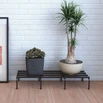
Flower Pot Stand 0 Products
- Filter
- Product Type
- Size
- Rating
- Sort
- Delivery
- Discount
- Color
- Brand

Oops! Product not found.
List will be updated soon, or the product is Not Available at the moment.
Explore more productsList will be updated soon, or the product is Not Available at the moment.

Explore more productsCreate attractive green corners and display your plants beautifully with flower pot stands. A well-chosen plant stand provides a dedicated base for planters while adding height, structure and decorative appeal to living rooms, balconies, bedrooms, entrances and workspaces.
Flower pot stands can be used with natural plants as well as Artificial Plants. Depending on the design, they may support a single planter or help arrange multiple pots at different heights.
At InteriorChowk, explore Flower Pot Stand options as part of the Organizer collection and combine them with other Decor products to create functional and visually balanced spaces.
A flower pot stand is a raised structure designed to support and display flower pots, planters or decorative plant containers. Instead of placing every planter directly on the floor, a stand can elevate the pot and create a more structured plant arrangement.
Flower pot stands may be available in different heights, shapes, materials and configurations. Some designs support a single planter, while multi-level stands can be used to arrange several smaller plants within one area.
The right flower pot stand should be selected according to the planter size, total weight, available floor space, intended location and overall interior style.
Single flower pot stands are designed to support one planter at a time. They are useful when you want to highlight an individual plant or create a simple green accent within a room.
These stands can be placed in empty corners, beside sofas, near entrances or alongside other furniture.
Check the supporting platform dimensions and compare them with the base of your planter before purchasing.
Multi-tier flower pot stands provide several levels for displaying multiple plants within one arrangement.
Different heights can create a layered appearance while helping make better use of vertical space. These stands can be useful for balconies, living-room corners and compact plant displays.
Check the dimensions and intended load of each level before placing larger or heavier planters.
Metal flower pot stands can provide a structured and contemporary appearance. Depending on the design, they may complement modern, industrial or minimal interiors.
Metallic stands may feature simple geometric frames or more decorative structures.
When placing a metal stand in a balcony or moisture-prone area, check whether its finish is suitable for those conditions.
Wooden plant stands introduce natural texture and warmth into interior spaces. They can coordinate well with wooden furniture, earthy colour palettes and nature-inspired decor.
Wooden stands may be suitable for bedrooms, living spaces and other dry indoor areas.
Avoid prolonged water exposure and wipe accidental spills promptly to help maintain the surface finish.
Tall flower pot stands raise planters further above floor level and can help smaller plants become more visually prominent.
These stands can work well beside sofas, consoles or in empty corners where additional vertical interest is needed.
Stability is particularly important for tall stands, so check the base structure and planter compatibility carefully.
Short stands provide slight elevation while maintaining a low-profile plant display.
They can be useful for medium or taller plants that already provide sufficient height and do not require significant additional elevation.
Corner flower pot stands can help turn otherwise unused areas into decorative green spaces.
They can be placed in living rooms, bedrooms, balconies and entrance areas according to the available floor space.
For a low-maintenance arrangement, pair the stand with Artificial Plants.
Decorative plant stands may feature geometric shapes, curved structures, artistic frames or decorative surface finishes.
Such designs can contribute to the room's overall appearance while also providing a dedicated place for the planter.
Minimalist stands focus on clean lines, simple structures and limited decorative details.
They can work well in contemporary apartments, offices and other spaces where an uncluttered appearance is preferred.
Iron plant stands can provide a strong and structured appearance for indoor plant displays.
When using them around natural plants, check the coating periodically because watering may expose the stand to moisture.
Steel stands can complement contemporary spaces and support a variety of planter designs depending on their structure.
Review the frame, joints, base and surface finish before placing a heavy planter.
Wooden plant stands naturally complement greenery and other organic textures.
They can work particularly well in interiors featuring wooden furniture, neutral furnishings and earthy decor.
Keep wooden stands away from standing water and prolonged dampness.
Some plant stand designs combine materials such as wood and metal. This can provide the warmth of natural texture together with a structured frame.
Mixed-material designs can complement modern, industrial and transitional interiors.
Living rooms can use plant stands in empty corners, beside sofas, near windows or around console furniture.
A taller stand can elevate a smaller plant, while several stands of different heights can create a layered green arrangement.
Plant stands can be coordinated with other Decor elements to create a more complete living-room setup.
Balconies often have limited floor space, so structured plant arrangements can be particularly useful.
Multi-level stands may help group several smaller planters together without spreading individual pots throughout the available area.
Consider moisture, sunlight exposure, planter weight and stand stability before choosing a product for balcony use.
A compact plant stand can introduce greenery into an empty bedroom corner, near a window or beside suitable furniture.
Keep the stand outside main walking paths and ensure that drawers, wardrobes and doors can still open comfortably.
Plant stands can help create a welcoming green arrangement near an entrance, foyer or console area.
Position the stand so that it adds visual appeal without restricting movement through the entrance.
Offices can use plant stands in reception areas, meeting spaces, cabins and empty corners to introduce greenery into professional interiors.
Where regular watering or plant maintenance is difficult, Artificial Plants can provide an alternative decorative option.
Suitable stands may also be placed in covered patios, verandas and other semi-outdoor areas.
Check the stand material and finish carefully to determine whether it is suitable for the environmental conditions in which it will be used.
When displaying natural plants, consider watering requirements, planter drainage and possible moisture exposure around the stand.
Where necessary, use an appropriate planter tray or base to reduce direct contact between excess water and the stand or floor.
Flower pot stands can also be paired with Artificial Plants to add greenery without regular watering or plant-care requirements.
Artificial plant arrangements can be useful in offices, darker interior corners and other areas where maintaining natural plants may be inconvenient.
Modern plant stands generally feature clean structures, geometric forms and simple surface finishes.
They can complement contemporary apartments, modern furniture and minimal decor.
Minimalist designs use simple structures that allow the plant and planter to remain the main visual focus.
They can work particularly well in interiors where excessive decorative detailing is avoided.
Rustic plant stands may feature natural wood textures, earthy tones and handcrafted-style finishes.
They can be coordinated with natural materials, woven furnishings and wooden furniture.
Industrial-inspired plant stands may use dark metal frames and straightforward structural designs.
They can complement contemporary interiors featuring metal furniture and other industrial-style elements.
Decorative stands may use attractive shapes, artistic frames or metallic details to make the plant display more visually distinctive.
Select a finish that complements the surrounding furniture rather than competing with the planter and greenery.
Start by measuring the planter you intend to place on the stand. Check its base diameter, width and overall dimensions.
The planter should sit comfortably on the supporting surface without extending beyond it in an unstable manner.
A natural plant pot becomes considerably heavier after soil, the plant and water are added.
Consider the complete expected weight rather than checking only the empty planter.
Review the height, width and depth of the stand before purchasing.
Make sure it fits comfortably in the intended area without blocking furniture, doors or walking space.
Stability is one of the most important considerations when selecting a plant stand.
Check the base, leg structure and balance, particularly when using tall stands or heavier planters.
Metal can provide a structured contemporary appearance, while wood can introduce warmth and natural texture.
Consider the amount of moisture and sunlight the stand may experience in its intended location.
A single flower pot stand may be sufficient for one statement plant.
Multi-level stands can be more practical when several small or medium plants need to be arranged within the same area.
Think about the combined height of the stand, planter and plant.
A tall plant may require only a short stand, while smaller plants can benefit from greater elevation.
Select the stand according to the surrounding furniture and decorative materials.
Wooden designs can complement natural interiors, while simple metal stands often work well in modern spaces.
Group plants within one area instead of distributing too many individual pots throughout the room.
Use stands to elevate smaller plants while allowing taller plants to remain closer to floor level.
Combining different heights can create a more layered plant arrangement than placing every planter at exactly the same level.
Leave enough space between plants so that each planter remains visible.
Place flower pot stands beside sofas, consoles, shelves or empty walls where they complement the furniture arrangement.
Avoid positioning them where they interfere with doors, drawers or main walking areas.
Flower pot stands can be styled alongside selected Decor products to create a more complete interior arrangement.
Keep additional decorative accessories limited so that the plants remain an important visual feature.
Both arrangements can work depending on the plant and room layout. Larger floor plants may already provide enough height, while smaller planters can benefit from elevation.
A flower pot stand can also help create different height levels when several plants are displayed together.
Choose according to the plant height, planter size, available floor space and overall visual arrangement.
Flower pot stands can combine practical organization with decorative styling by creating dedicated spaces for greenery throughout your home.
Pair your Flower Pot Stand with Artificial Plants or other Decor products to create coordinated interior arrangements.
You can also explore other Organizer products such as Jewellery Box, Wooden Chest Box, Wooden Boxes Drawer and Napkin Box for different storage requirements around the home.
Create attractive plant displays in living rooms, bedrooms, balconies, entrances and offices with flower pot stands designed to add elevation, organization and decorative appeal.
Explore different heights, structures and materials according to your planter dimensions, available space and interior preferences.
Pair your Flower Pot Stand with Artificial Plants and other Decor products to create coordinated green spaces throughout your home.
Compare the stand dimensions, planter compatibility, material, stability, expected load and intended placement before making a selection. Choose a flower pot stand that supports your planter appropriately while fitting naturally within the available space and overall interior arrangement.