Enjoy FREE Delivery on ALL Orders! 🚚✨ Order now!
Wall Lamps 16 Products

Buy Wall Lamps Online for Stylish and Functional Home Lighting

Add practical illumination and decorative character to your interiors with thoughtfully selected wall lamps. Mounted directly on the wall, these lighting fixtures can provide useful light without occupying valuable floor or tabletop space.

Wall lamps can be used in living rooms, bedrooms, hallways, entrances, reading corners and other suitable interior spaces. Depending on their design and placement, they can provide focused lighting, ambient illumination or simply become part of the room's decorative arrangement.

At InteriorChowk, explore Wall Lamps as part of the Lamps & Light collection. You can also coordinate them with Floor Lamps, Table Lamps, Hanging Lamps and other lighting products according to the needs of your space.

What Is a Wall Lamp?

A wall lamp is a lighting fixture designed to be mounted directly onto a wall rather than placed on a table, floor or other horizontal surface.

Wall-mounted lamps can direct light upward, downward, outward or in multiple directions depending on the shape of the fixture. Some designs focus on practical illumination, while others are primarily selected for their decorative appearance.

The right wall lamp should be selected according to the intended location, required illumination, mounting height, fixture size, electrical specifications, light direction and overall interior style.

Benefits of Using Wall Lamps

  • Saves floor and tabletop space: Wall-mounted lighting does not require a floor stand or table surface.
  • Adds layered lighting: Wall lamps can supplement ceiling, floor and table lighting within a room.
  • Highlights selected areas: Suitable fixtures can draw attention to walls, furniture or architectural details.
  • Works in compact spaces: Wall lighting can be useful where there is not enough room for a floor or table lamp.
  • Adds decorative value: The fixture itself can become part of the room's visual design.
  • Suitable for different rooms: Wall lamps can be considered for bedrooms, living rooms, hallways, entrances and other appropriate spaces.
  • Supports focused lighting: Certain designs can provide additional illumination near beds, reading areas or seating zones.

Explore Different Types of Wall Lamps

Modern Wall Lamps

Modern wall lamps generally feature clean lines, simple shapes and contemporary finishes. They can work well in apartments and interiors where minimal detailing and streamlined furniture are preferred.

Geometric structures, neutral finishes and simple glass elements can help modern wall lights blend naturally into contemporary spaces.

Consider the wall colour, furniture finish and nearby lighting fixtures before selecting a modern design.

Decorative Wall Lamps

Decorative wall lamps place greater emphasis on visual design while still providing illumination.

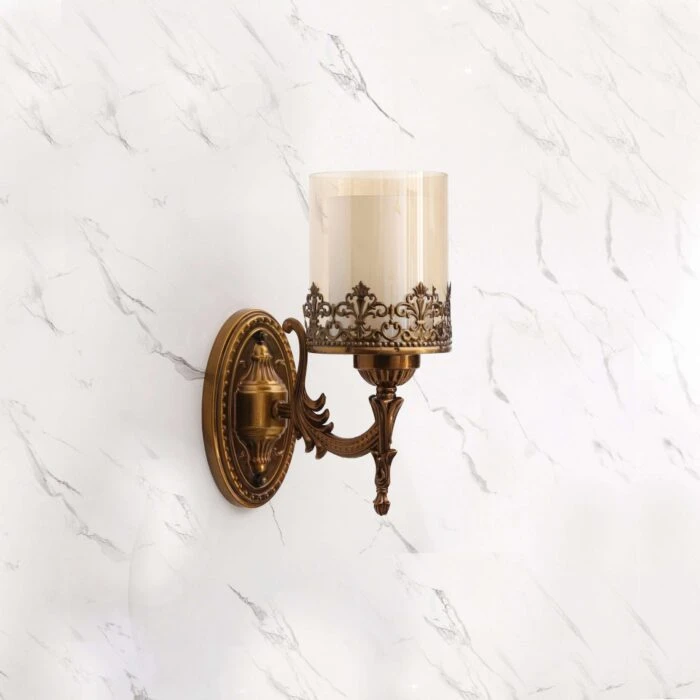
Depending on the fixture, decorative designs may feature distinctive glass forms, metal details, artistic structures or ornamental finishes.

These wall lamps can be used in living rooms, entrances, bedrooms and other visible areas where the fixture itself contributes to the overall decor.

Wall Sconce Lights

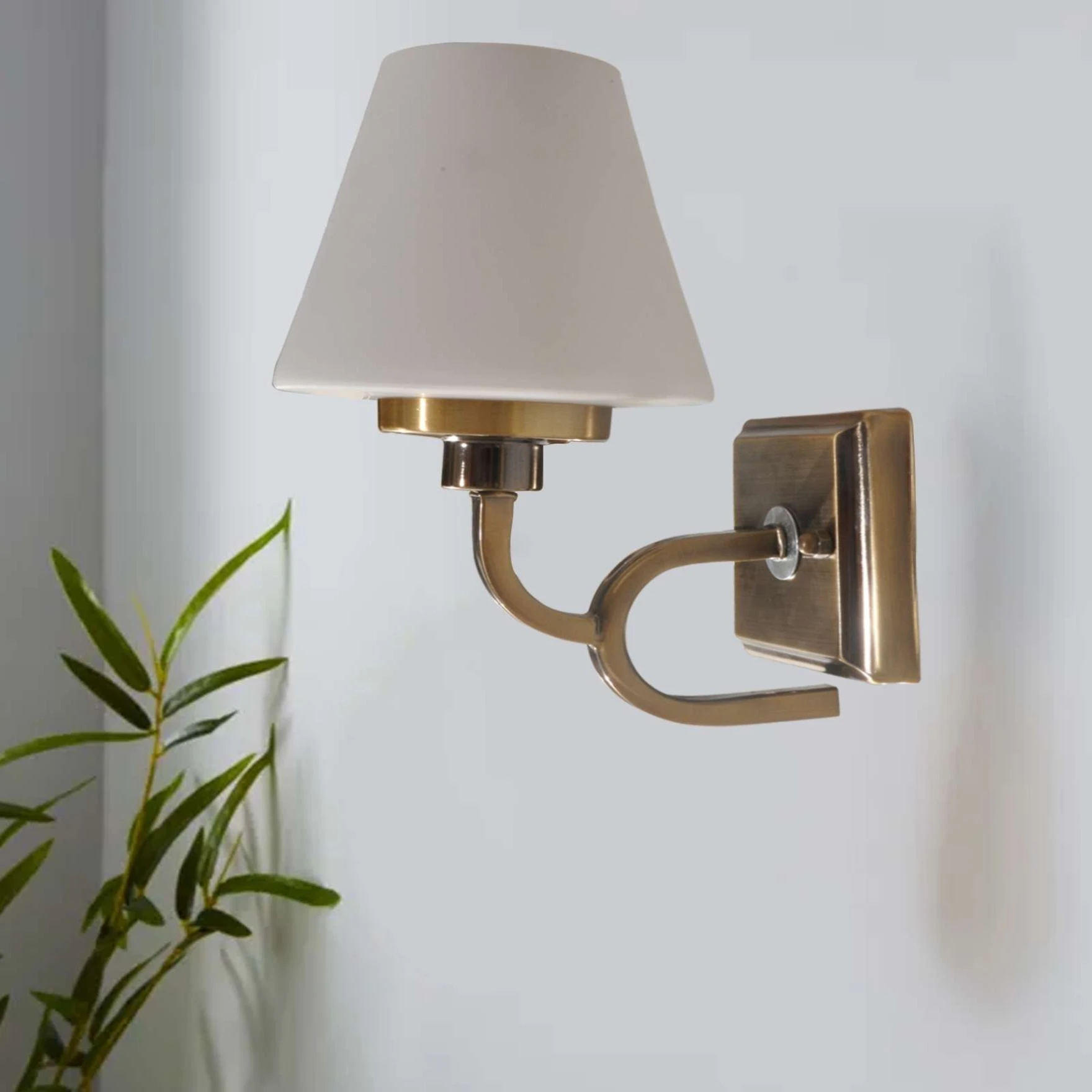
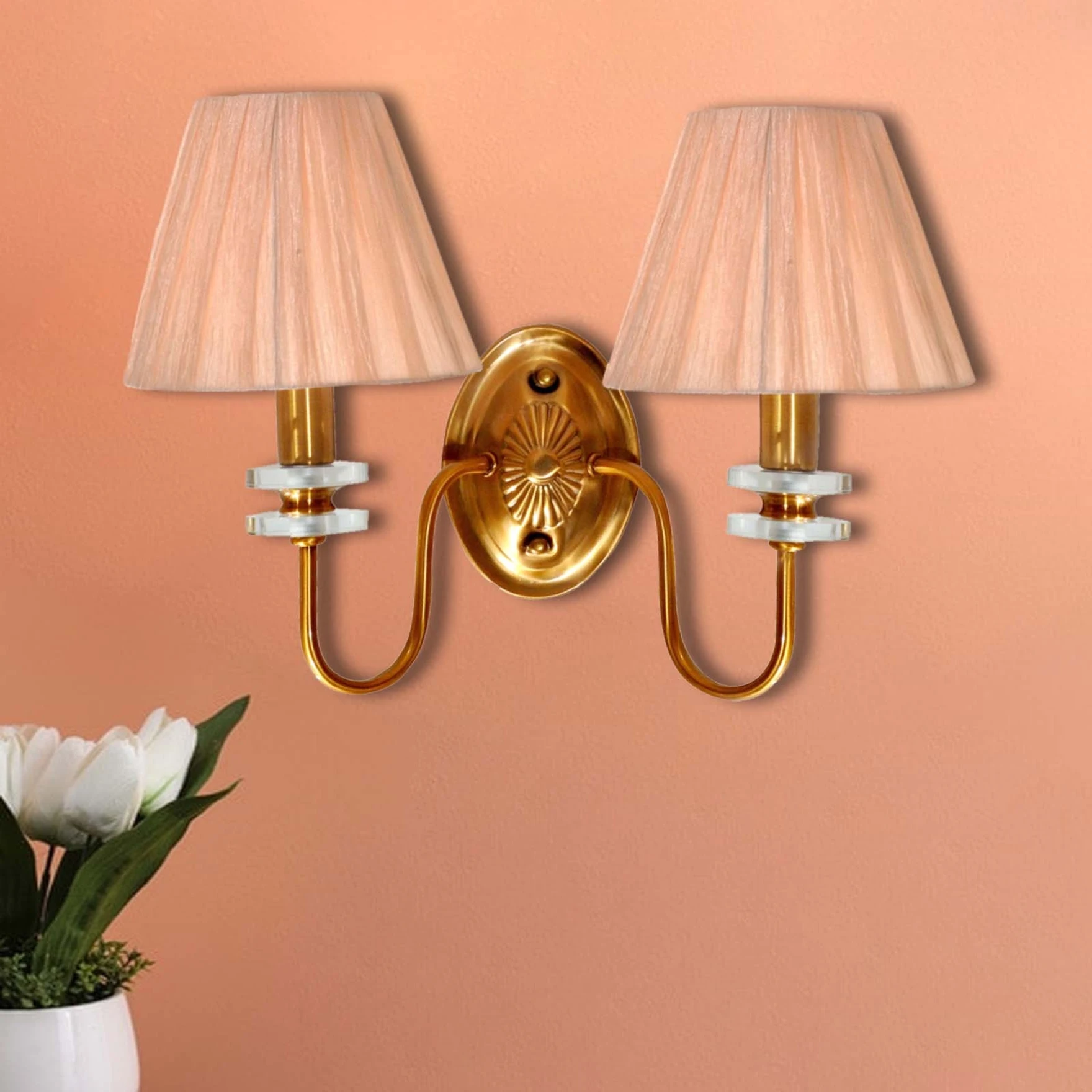
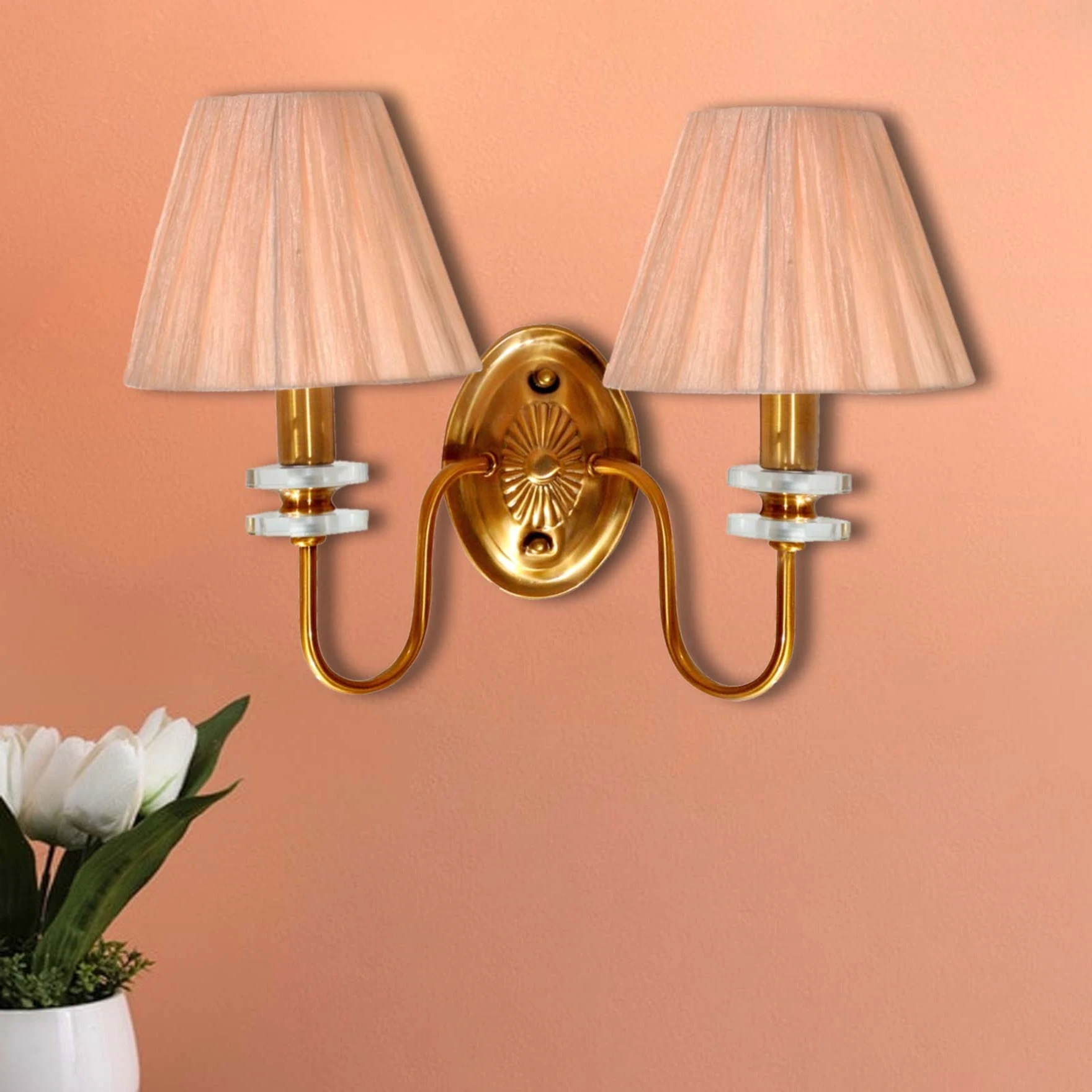
Wall sconces are wall-mounted fixtures that can provide both functional lighting and decorative styling.

Their design may direct light upward, downward or outward depending on the structure of the fixture and shade.

Wall sconces can be placed individually or, where appropriate, as a balanced pair around selected furniture or architectural features.

Upward Wall Lamps

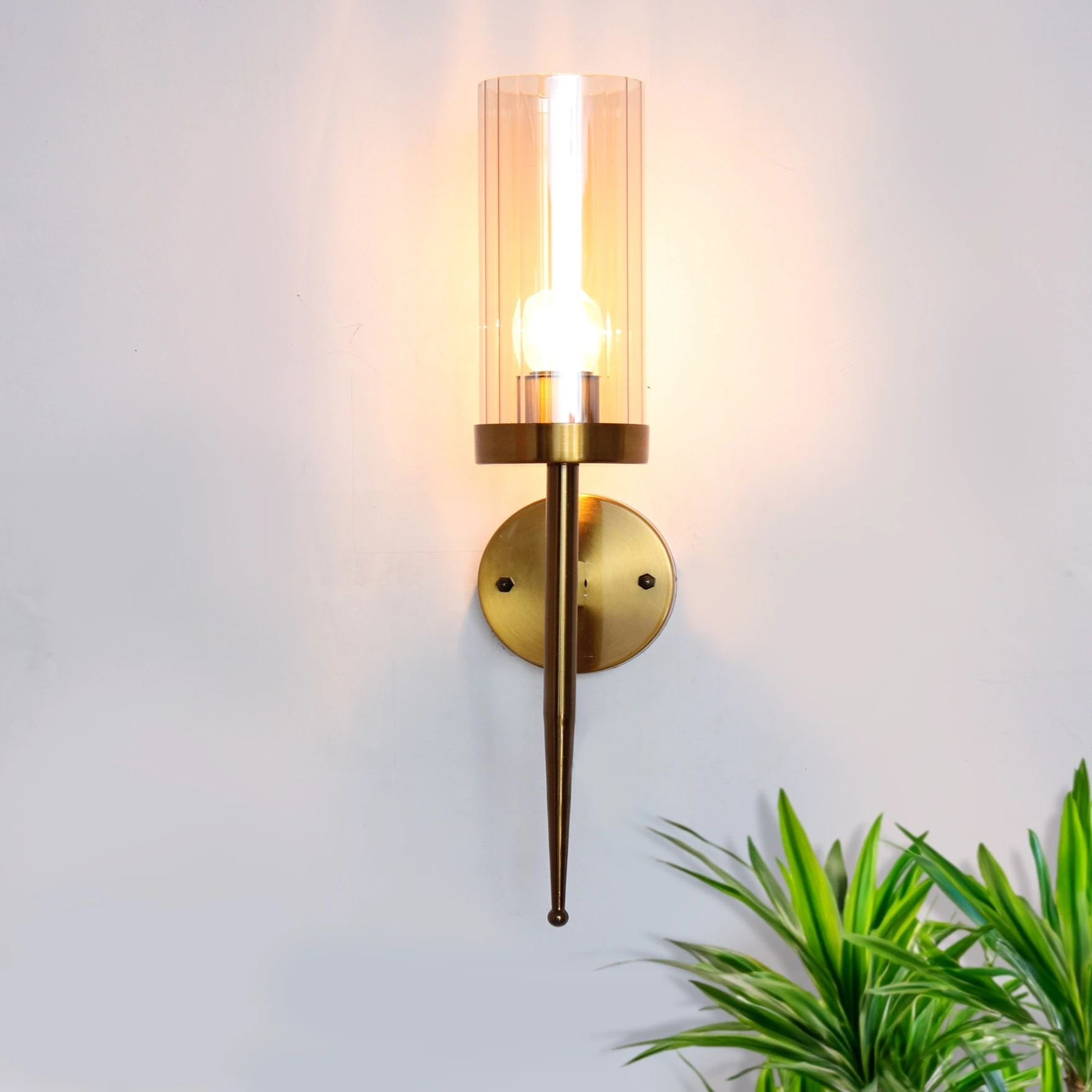
Upward-facing wall lamps direct illumination toward the upper portion of the wall or ceiling.

This type of lighting can contribute to a softer ambient effect by allowing light to reflect across nearby surfaces rather than directing all illumination downward.

The final lighting effect depends on the fixture design, bulb and surrounding wall and ceiling surfaces.

Downward Wall Lamps

Downward-facing wall lamps direct light toward the area below the fixture.

They can be useful for selected bedside, hallway, artwork or accent-lighting applications depending on the design and mounting position.

Plan the installation height carefully so that the light falls where it is required.

Up-and-Down Wall Lamps

Up-and-down wall lamps direct light in both vertical directions, creating illumination above and below the fixture.

This arrangement can create an architectural lighting effect on plain walls, passage areas and selected feature walls.

The size and shape of the light pattern will vary according to the fixture design.

Bedside Wall Lamps

Wall-mounted bedside lamps can provide additional lighting without taking up space on bedside tables.

They may be useful in compact bedrooms where table surfaces need to remain available for phones, books, clocks or other everyday essentials.

Position bedside fixtures carefully so that they provide useful illumination without creating uncomfortable glare.

Reading Wall Lamps

Suitable wall-mounted lighting can be used near reading areas where additional focused illumination is required.

Reading wall lamps may be placed beside beds, chairs or study zones depending on the fixture's direction and installation requirements.

Consider the mounting position and light direction before installation so the reading surface receives appropriate illumination.

Statement Wall Lamps

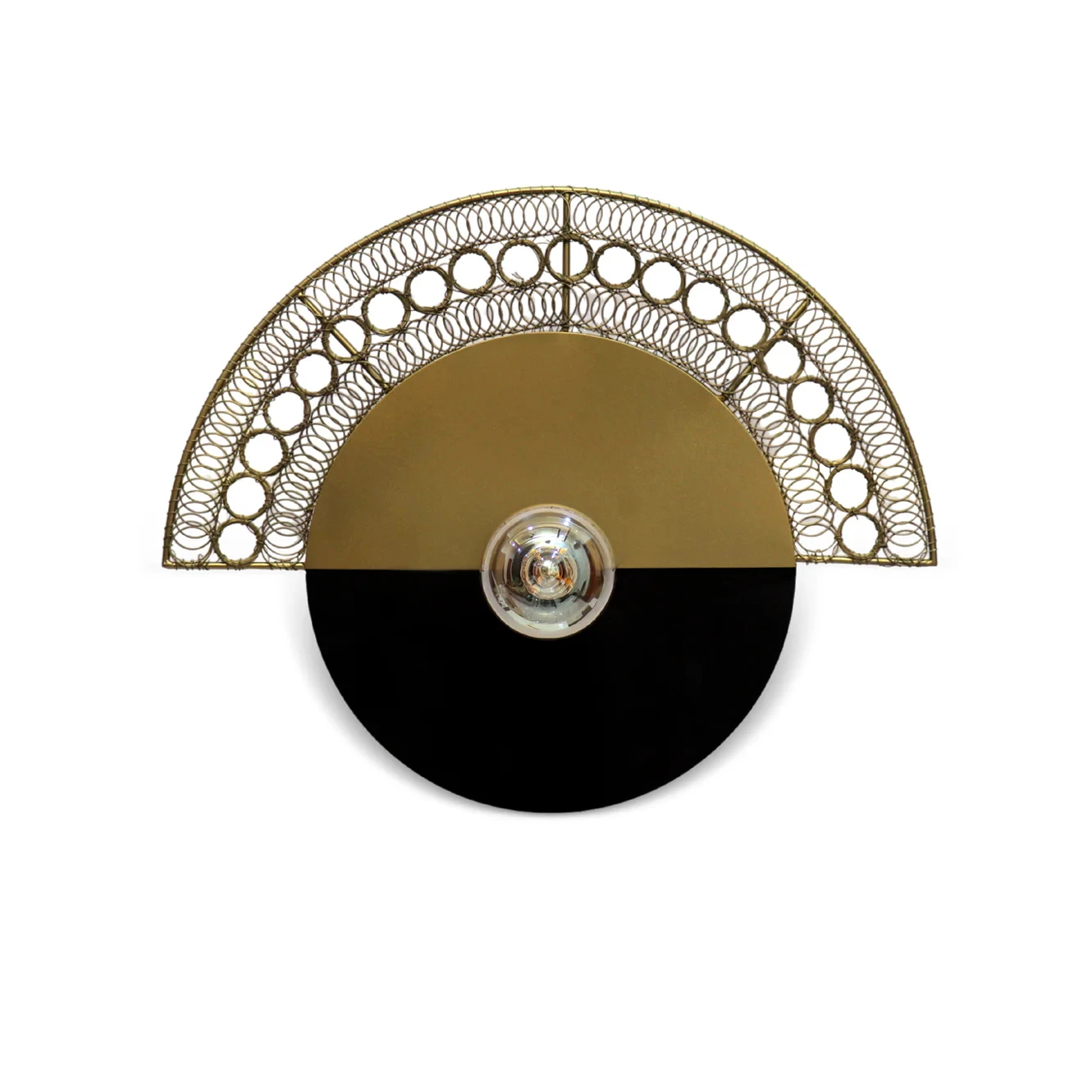
Statement wall lamps use distinctive shapes, materials or finishes to create a noticeable visual feature.

They can be used where the wall fixture is intended to become part of the room's decorative focal point rather than blend quietly into the background.

Avoid combining too many competing statement fixtures within a small area.

Wall Lamps Based on Material

Metal Wall Lamps

Metal is widely used in wall-light frames, bases and decorative structures. It can support modern, industrial, traditional and contemporary designs.

Different fixtures may feature black, brass-tone, gold-tone, silver or other surface finishes depending on their design.

Check the quality of the coating, fittings and surface finish before choosing a metal wall lamp.

Glass Wall Lamps

Glass can help diffuse, soften or display the light source depending on its transparency and design.

Clear, tinted, textured or frosted-looking glass can create different visual effects within wall-light fixtures.

Glass components should be handled carefully during cleaning and installation.

Wooden-Detail Wall Lamps

Wall lamps featuring wooden or wood-inspired elements can introduce natural warmth into the room.

They may complement wooden furniture, neutral interiors and earthy decorative styles.

Keep wood-based decorative components away from prolonged moisture and follow the product's maintenance requirements.

Mixed-Material Wall Lamps

Many wall lamps combine materials such as metal and glass to create a balance between structure, transparency and decorative appeal.

Mixed-material designs can work particularly well in contemporary interiors where furniture and accessories already combine multiple finishes.

Wall Lamps for Different Rooms

Wall Lamps for Living Rooms

Living rooms can use wall lamps to supplement the main lighting and create additional visual layers.

Fixtures can be placed near suitable seating arrangements, feature walls, consoles or other areas where additional illumination or decorative emphasis is required.

Wall lamps can also be combined with Floor Lamps and Table Lamps to create a more flexible lighting arrangement.

Wall Lamps for Bedrooms

Bedrooms can use wall-mounted lamps around bedside areas or other suitable walls to provide additional lighting.

Using wall-mounted fixtures beside a bed can help keep bedside tables free for other essentials.

Select a fixture that provides comfortable illumination without appearing oversized relative to the bed and surrounding furniture.

Wall Lamps for Hallways

Hallways and passages often have limited floor space, making wall-mounted lighting a practical option.

Suitable fixtures can provide additional illumination while also making otherwise plain passage walls more visually interesting.

Ensure that the fixture does not project excessively into narrow walking areas.

Wall Lamps for Entrance Areas

Wall lamps can help make entrance spaces and foyers feel more welcoming while providing useful illumination.

Fixtures may be positioned around suitable entrance walls, consoles or decorative features according to the room layout.

The design can be coordinated with other Decor elements used around the entrance.

Wall Lamps for Reading Corners

Reading areas may benefit from wall-mounted lighting when there is limited room for a floor or table lamp.

The light should be positioned so that the reading surface receives sufficient illumination without uncomfortable glare.

Where more flexibility is required, you can also consider suitable Floor Lamps.

Wall Lamps for Dining Spaces

Wall-mounted fixtures can supplement the main lighting within dining areas and help create a warmer visual atmosphere around the room.

Where overhead statement lighting is required, wall lamps can be coordinated with Hanging Lamps according to the size and layout of the dining space.

Wall Lamps for Staircase Areas

Suitable wall-mounted lighting can be used around staircase areas where additional illumination is required.

Installation height, fixture projection and electrical planning should be considered carefully so the lamps do not interfere with safe movement.

Wall Lamps for Different Lighting Purposes

Ambient Wall Lighting

Wall lamps can supplement general room lighting by providing softer illumination around selected walls and corners.

Upward-facing or diffused fixtures can be considered where the goal is to contribute to ambient illumination rather than provide a strong focused beam.

Task Wall Lighting

Task-oriented wall lighting provides additional illumination near a specific activity such as reading.

Fixture position and light direction become particularly important when a wall lamp is expected to support a practical task.

Accent Wall Lighting

Accent lighting is used to draw visual attention to selected areas of the room.

Wall lamps may help highlight architectural surfaces, decorative arrangements or feature walls depending on the fixture and placement.

Decorative Wall Lighting

Decorative wall lighting focuses on both the light produced and the appearance of the fixture.

Decorative glass, metal detailing and distinctive shapes can allow wall lamps to function as visual accessories even when they are switched off.

Popular Wall Lamp Styles

Modern Wall Lamps

Modern wall lights generally feature cleaner shapes, contemporary finishes and limited ornamental detailing.

They can work well with modern furniture, neutral wall colours and simple decorative arrangements.

Minimalist Wall Lamps

Minimalist fixtures focus on simple forms and functional lighting without excessive decorative elements.

These designs can be useful where the lighting should integrate quietly into the overall interior.

Traditional Wall Lamps

Traditional wall lamps may feature warmer finishes, detailed structures or classic shapes.

They can complement wooden furniture, textured furnishings and interiors featuring more traditional decorative elements.

Vintage-Inspired Wall Lamps

Vintage-inspired fixtures may use antique-style finishes, decorative glass or classic wall-sconce shapes.

They can add character to reading corners, bedrooms, living areas and heritage-inspired interiors.

Industrial Wall Lamps

Industrial-style wall lamps often use darker metal finishes and straightforward structural designs.

They can complement contemporary interiors that feature exposed-looking materials, metal furniture or darker accents.

Luxury-Look Wall Lamps

Wall lamps with decorative metallic finishes, sculptural forms or distinctive glass elements can contribute to a more refined interior arrangement.

Use visually detailed fixtures carefully so they complement rather than overpower nearby furniture and decorative features.

How to Choose the Right Wall Lamp

Identify the Purpose

First determine whether the wall lamp is intended for ambient lighting, reading, decorative styling or highlighting a specific area.

The purpose will influence the required fixture design, light direction and placement.

Measure the Available Wall Space

Measure the width and height of the wall area before selecting a fixture.

Make sure the lamp is proportionate to nearby furniture and does not interfere with doors, windows, artwork or other wall-mounted elements.

Consider Fixture Projection

Wall lamps extend outward from the wall by different amounts.

Projection is particularly important in narrow hallways, beside beds and other compact areas where a deep fixture may interfere with movement.

Plan the Mounting Height

Mounting height influences both illumination and visual comfort.

The ideal position depends on the room, fixture design and intended purpose, so installation should be planned for the specific space rather than using one height for every application.

Check the Light Direction

Decide whether you need upward, downward, outward or multi-directional illumination.

A decorative feature wall may require a different lighting direction from a bedside reading area.

Check Bulb and Light Source Compatibility

Review the product specifications for the required bulb type, holder, electrical rating and other compatibility requirements.

Use only compatible light sources according to the fixture specifications.

Consider the Fixture Size

Large wall lamps can become strong decorative features, while smaller fixtures may blend more subtly into the room.

Choose a size that is proportionate to the wall and nearby furniture.

Choose a Suitable Material

Metal and glass can create a contemporary appearance, while warmer finishes may complement traditional or natural interiors.

Consider both appearance and maintenance requirements when choosing the material.

Match the Finish with Your Interior

Consider nearby furniture hardware, door handles, decorative objects and other lighting fixtures.

Coordinating finishes can help create greater visual consistency throughout the room.

Consider Installation Requirements

Wall lamps may require electrical wiring, mounting hardware and suitable support according to the fixture design.

Installation should follow the manufacturer's instructions and appropriate electrical safety practices. Professional electrical installation should be considered where required.

How to Position Wall Lamps

Beside the Bed

A pair of wall lamps can be positioned on suitable sides of a bed to create a balanced arrangement while preserving bedside-table space.

Consider where users sit or lie when deciding the height and light direction.

Above or Beside a Console

Wall lamps can be positioned around a console to provide additional illumination and support a decorative entrance or living-room arrangement.

Maintain visual balance between the fixture, furniture and any nearby wall decor.

Around Feature Walls

Selected wall lamps can help emphasize textured surfaces or other architectural features where suitable.

Plan the spacing so that the lighting pattern appears intentional rather than uneven.

Along Hallways

Multiple wall fixtures can sometimes be arranged along longer passage areas.

Maintain consistent spacing and make sure each fixture provides sufficient clearance from the walking path.

Near Reading Areas

Position reading-oriented wall lamps where the light can reach the book or working surface without shining uncomfortably into the user's eyes.

Wall Lamps vs Table Lamps

Both wall lamps and table lamps can provide supplementary lighting, but their placement requirements are different.

A wall lamp is mounted directly onto a wall and does not use tabletop space.

A Table Lamp sits on a bedside table, study desk, side table or console and can often be repositioned more easily.

Wall lamps may be more practical where surface space is limited, while table lamps can be useful where flexible placement is preferred.

Wall Lamps vs Floor Lamps

Wall lamps are fixed to a vertical surface, while Floor Lamps stand independently on the floor.

Floor lamps can provide additional lighting without requiring wall mounting, but they need sufficient floor space.

Wall lamps can be more suitable for narrow bedrooms, hallways and compact rooms where maintaining open floor space is important.

Wall Lamps vs Hanging Lamps

Wall lamps are mounted on walls, while Hanging Lamps are suspended from the ceiling.

Hanging lamps can create strong overhead focal points, particularly above suitable dining tables or other defined areas.

Wall lamps are generally better suited to perimeter lighting, selected walls and areas where ceiling suspension is not required.

How to Create Layered Lighting with Wall Lamps

Using only one central fixture can sometimes make a room feel visually flat. Combining several types of lighting can provide greater flexibility.

Use Wall Lamps around suitable walls for supplementary or accent lighting.

Add Floor Lamps around seating areas and Table Lamps on suitable desks, bedside units or side tables.

Where overhead decorative lighting is required, coordinate the arrangement with Hanging Lamps.

For softer decorative effects in selected areas, you can also explore String Lights.

Wall Lamp Tips for Small Spaces

  • Choose compact fixtures that do not project excessively from the wall.
  • Use wall lighting where bedside or floor space is limited.
  • Avoid installing oversized fixtures in narrow hallways.
  • Keep lamps away from doors and frequently used cabinet openings.
  • Select a design proportionate to the wall and nearby furniture.
  • Use fewer well-positioned fixtures rather than overcrowding a small wall.

Wall Lamp Tips for Larger Rooms

  • Combine wall lamps with other lighting types to create different zones.
  • Use pairs of suitable wall lamps where visual symmetry is desired.
  • Coordinate wall fixtures with Floor Lamps and Table Lamps.
  • Use statement wall fixtures selectively on larger feature walls.
  • Maintain consistent finishes where several lamps are visible within the same room.
  • Consider how the room appears both when the lamps are switched on and off.

Care and Maintenance of Wall Lamps

  • Switch off the electrical supply before cleaning or handling the fixture.
  • Allow bulbs and fixture surfaces to cool before touching them.
  • Remove surface dust regularly using a suitable soft cloth.
  • Clean glass components carefully according to the product instructions.
  • Avoid excessive water or moisture around electrical parts.
  • Follow appropriate cleaning methods for metal, glass, wood and decorative finishes.
  • Check for visible damage to the fixture or electrical components periodically.
  • Use only compatible bulbs or light sources according to the product specifications.
  • Do not operate visibly damaged fixtures until they have been properly inspected.
  • Ensure mounting hardware remains secure and seek professional assistance where electrical or installation work is required.

Create a Complete Lighting Setup for Your Home

Wall lighting can become part of a wider lighting plan rather than functioning as the only source of illumination within a room.

Combine Wall Lamps with Floor Lamps around seating areas, Table Lamps for bedside and work surfaces and Hanging Lamps where suspended lighting is suitable.

You can also explore Lampshades and String Lights for other lighting and decorative requirements.

Explore the wider Lamps & Light collection to coordinate different fixture types throughout your home.

Explore Wall Lamps at InteriorChowk

Add practical illumination and decorative style to bedrooms, living rooms, hallways, entrances and other suitable spaces with Wall Lamps.

Explore wall-mounted lighting according to your interior style, available wall space and lighting requirements, and coordinate your selection with other products from Lamps & Light.

Compare the fixture dimensions, wall projection, material, light direction, mounting requirements, electrical specifications and compatible light source before making a selection.

Choose a wall lamp that provides the required illumination while fitting naturally with your furniture, wall finishes and overall Decor.