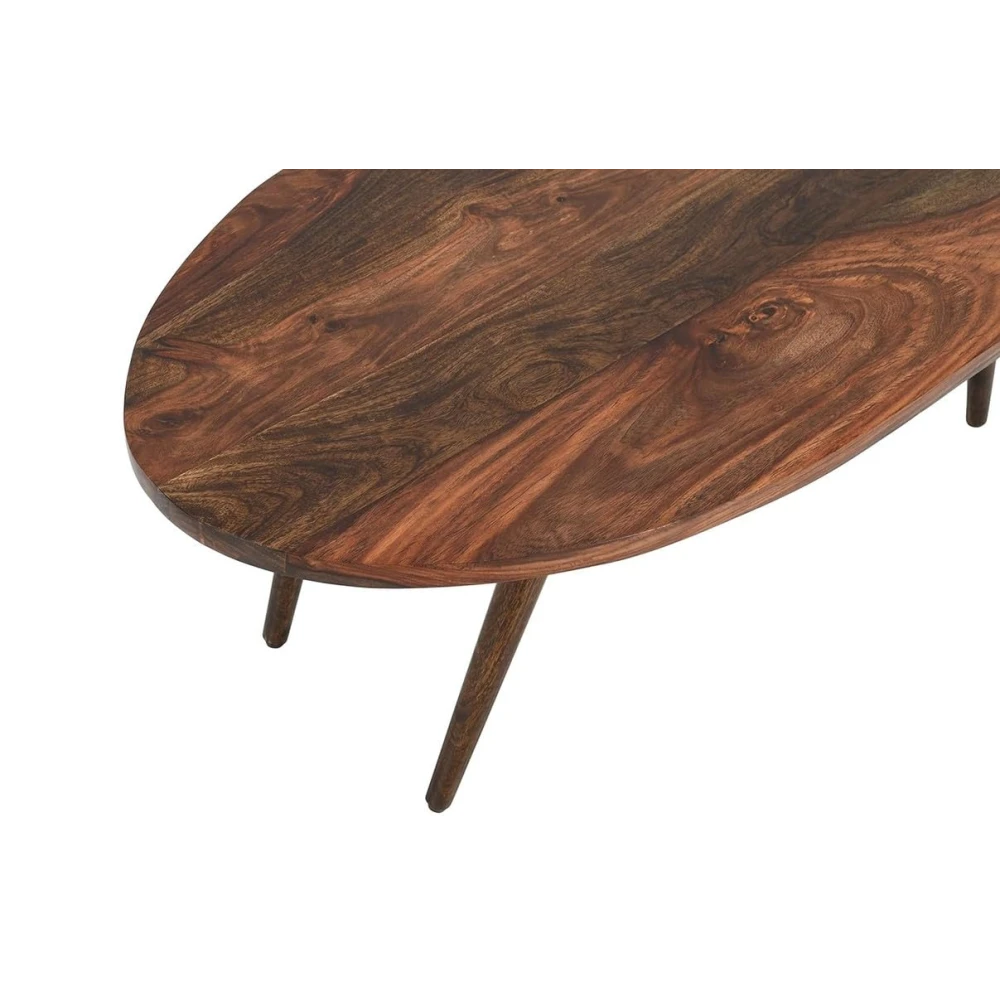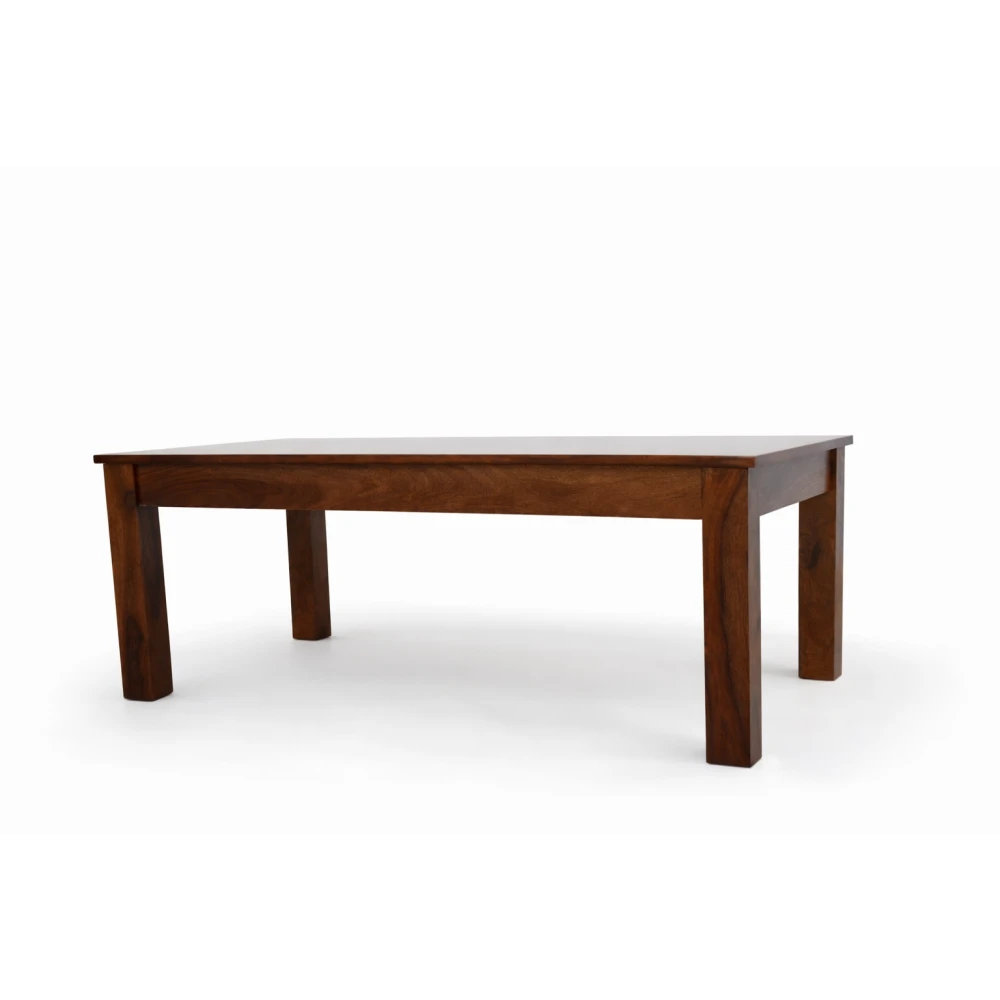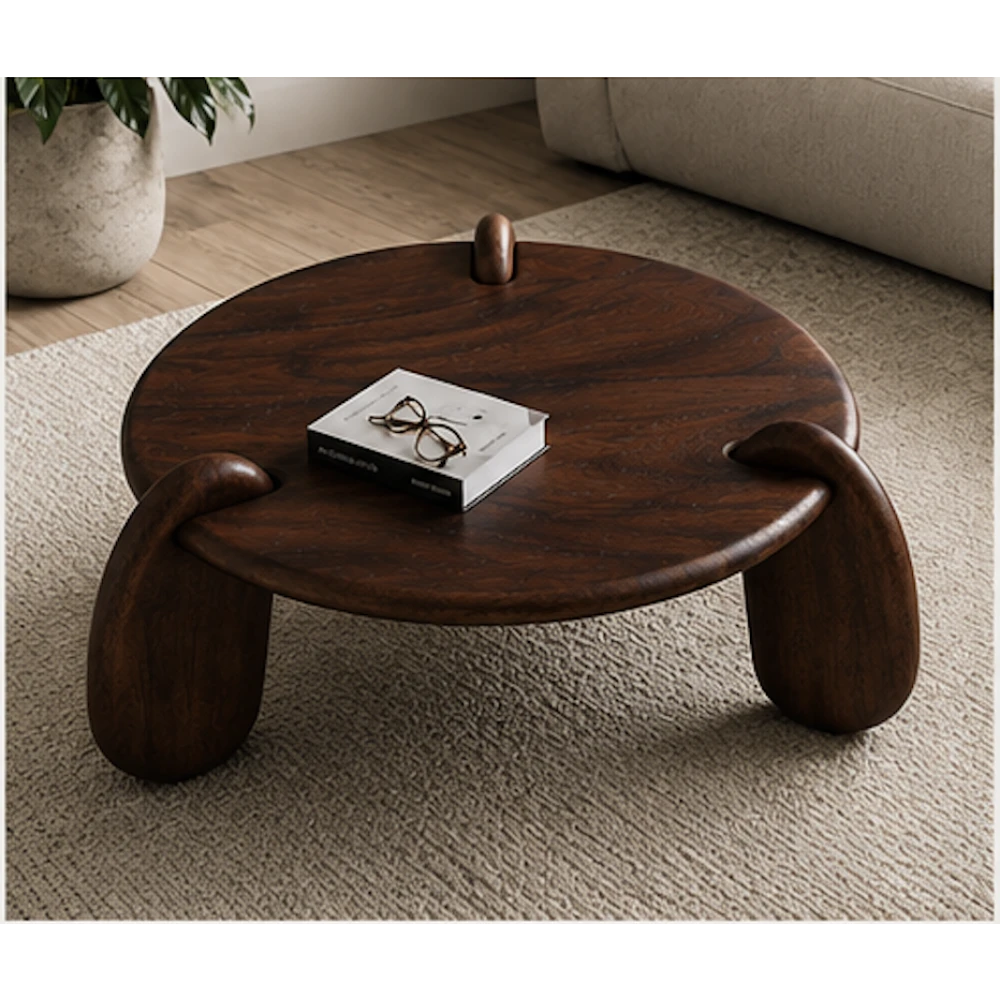
Table 8 Products
- Filter
- Product Type
- Size
- Rating
- Sort
- Delivery
- Discount
- Color
- Brand

Complete your living room, dining area, bedroom or other interior space with thoughtfully selected tables. From larger dining tables designed for everyday family meals to compact accent and drink tables, the right table can add both practical surface space and visual structure to a room.
Tables are available in different materials, dimensions, shapes, heights and designs. Some are intended for dining and everyday use, while others work as decorative furniture beside sofas, against walls or in smaller corners of a room.
At InteriorChowk, explore Table options across Wooden Table, Metal Table, Console table, Center Table, Accent Tables, Drink Table and Hourglass Table.
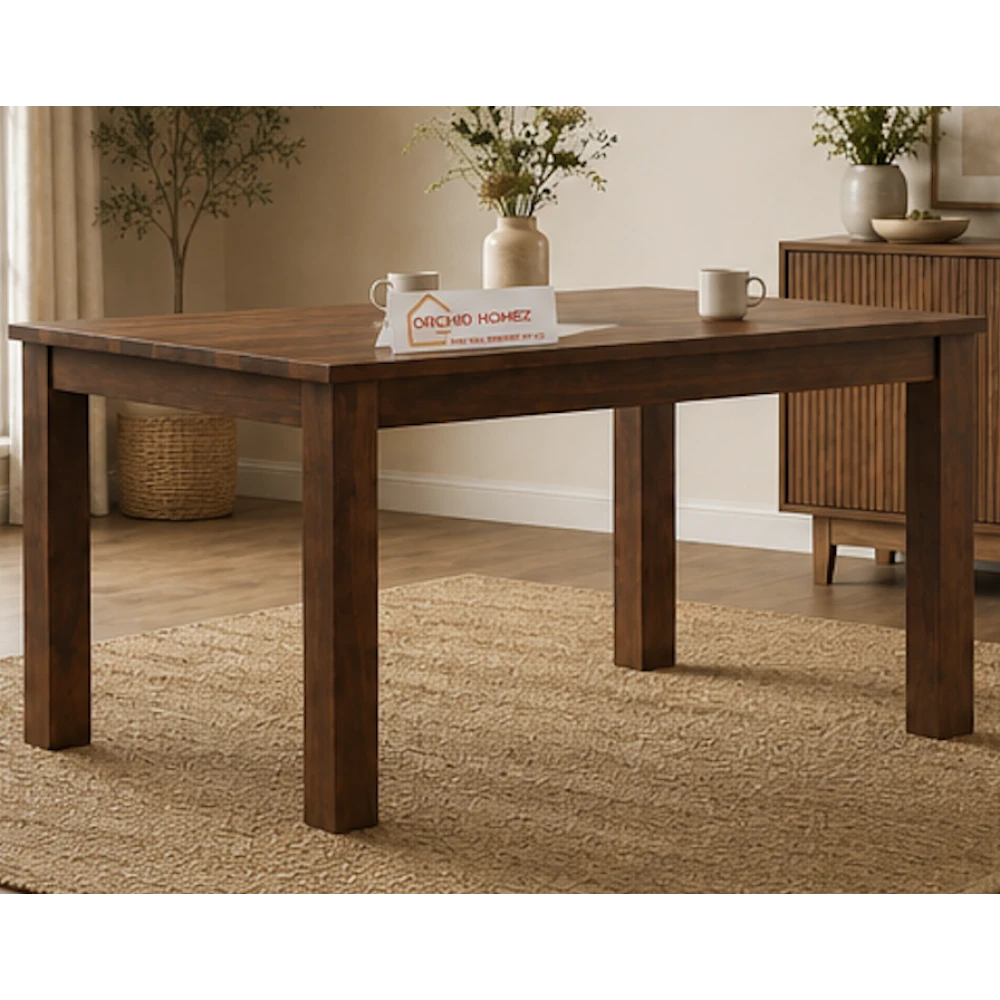
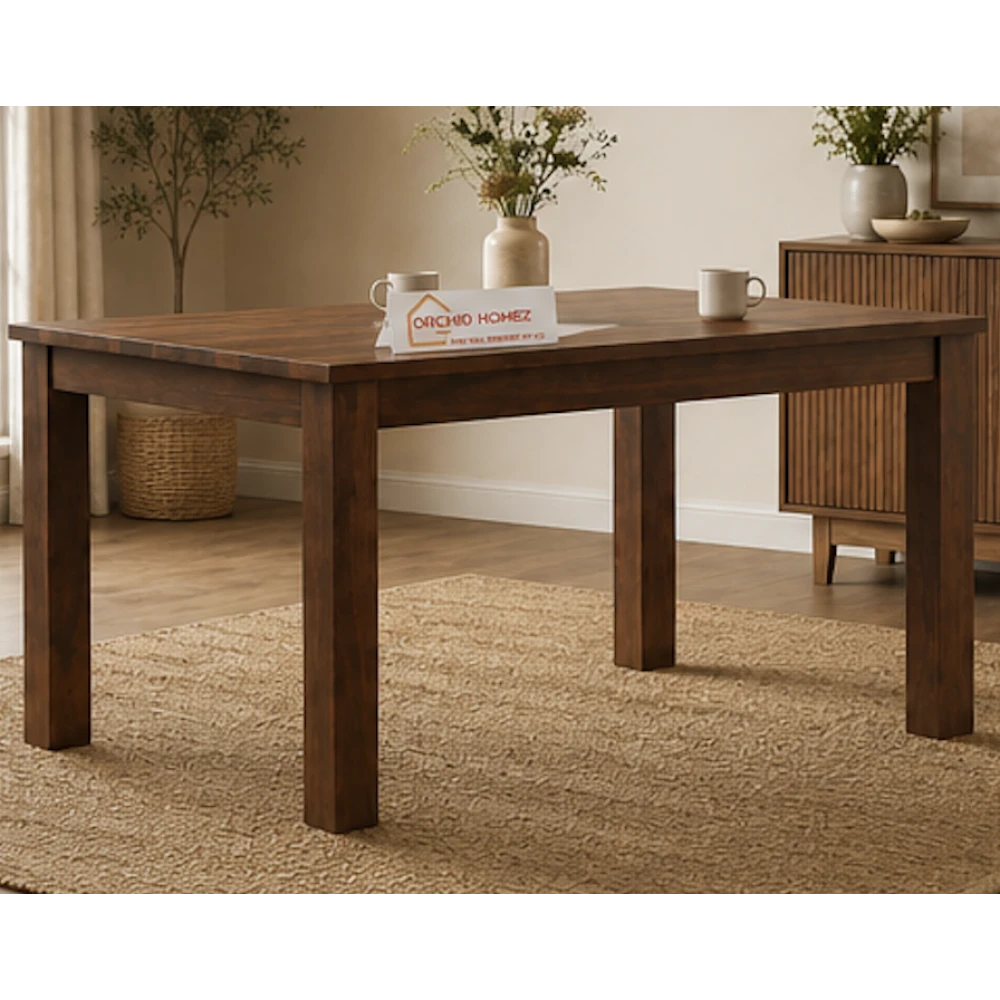
A Wooden Table can bring natural warmth and a timeless furniture look into dining rooms, living spaces and other suitable areas.
Wooden tables can vary in wood type, construction, finish, dimensions and intended application. Larger designs may be used for dining, while smaller wooden tables can support other household requirements depending on their design.
When choosing a wooden table, check the exact material, tabletop size, height, leg construction, finish and assembly requirements.
A Metal Table can introduce a cleaner, contemporary or industrial-style furniture element into an interior.
Metal may be used throughout the table or combined with other materials for the tabletop or decorative sections.
Before purchasing, check the actual construction, surface finish, dimensions and intended placement. Where metal furniture will be exposed to moisture, review the individual maintenance instructions.
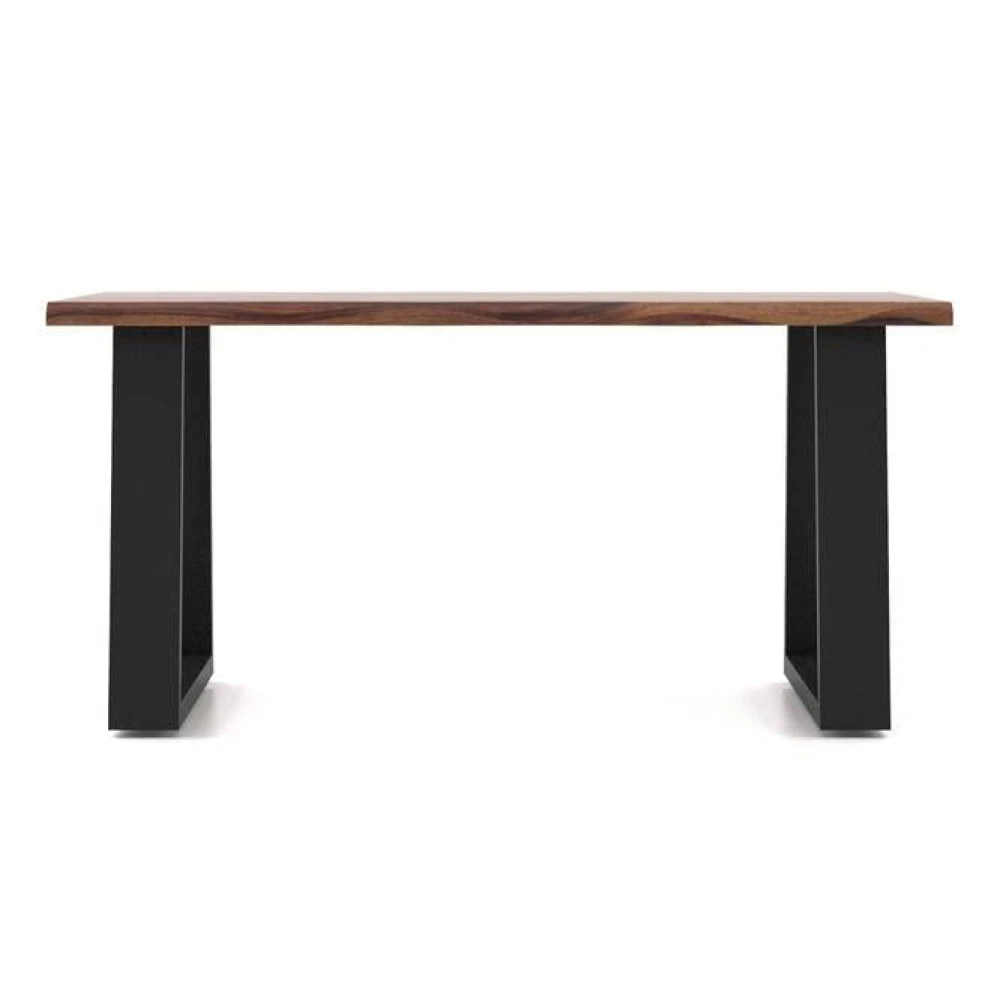
A Console table is generally a relatively narrow table suitable for placement against a wall or in areas where a full-depth table is not required.
Console tables can be considered for entrances, hallways, living rooms and suitable empty walls.
They can provide a surface for selected decorative objects, lamps, trays and other suitable accessories while contributing to the overall furniture arrangement.
Measure the available wall length and walkway width carefully before selecting a console table.
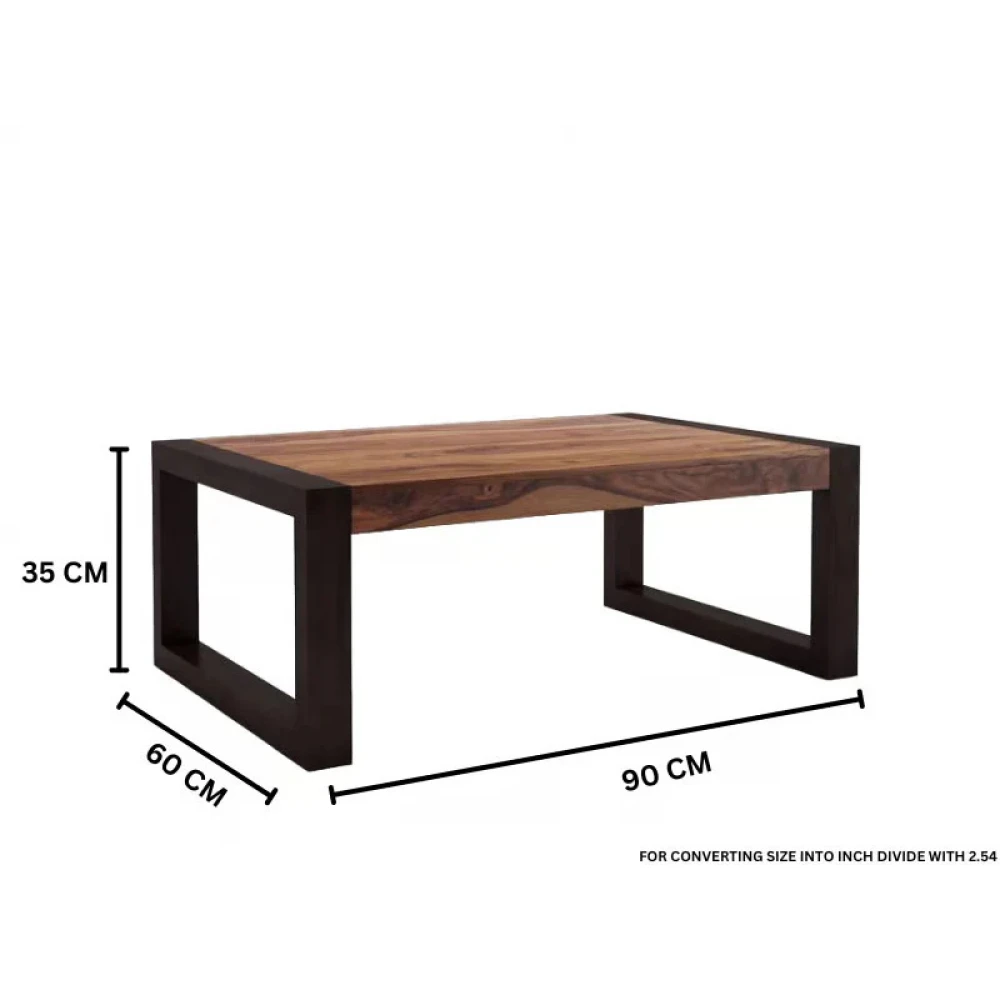
A Center Table can provide a convenient central surface within a living-room seating arrangement.
Center tables are commonly positioned in relation to sofas and chairs, making their height and dimensions important for both appearance and everyday usability.
Choose a size that provides useful surface area without making movement around the seating area difficult.
Accent Tables are generally smaller furniture pieces that can add a decorative surface to living rooms, bedrooms and other suitable areas.
They can be positioned beside seating, near walls or within unused corners depending on the design and available space.
Accent tables can work particularly well where you need a small furniture element without adding a large center or dining table.
A Drink Table is a compact table designed to provide a convenient surface beside seating areas.
Its smaller footprint can make it suitable beside sofas, lounge chairs or other seating where only limited tabletop space is required.
Check the tabletop dimensions and stability before choosing a drink table for regular use.
An Hourglass Table uses an hourglass-inspired silhouette to combine furniture function with a distinctive decorative shape.
These tables can be used as visual accent pieces in living rooms, bedrooms or suitable corners depending on their dimensions.
Because the shape itself is decorative, an hourglass table can provide visual interest even when only minimal accessories are placed on top.
Dining tables should provide enough surface area and seating capacity for everyday household requirements while fitting comfortably within the room.
When planning a dining arrangement, measure both the table area and the additional space required for chairs to move backward.
Explore Wooden Table options where you prefer the natural appearance of wooden dining furniture.
Choose seating capacity according to regular household use rather than selecting an unnecessarily large table that restricts movement.
Living rooms can use several different table formats according to furniture placement and available space.
A Center Table can become the main surface within a sofa arrangement, while Accent Tables or a Drink Table can provide smaller surfaces near individual seats.
Consider sofa dimensions, walking paths and existing furniture before adding multiple tables to the same room.
Entrance and hallway areas often require furniture with limited depth so that movement remains comfortable.
A Console table can provide a useful decorative surface against a suitable wall without occupying as much room as larger furniture.
Keep enough clearance around doors and walkways and avoid making narrow entrance areas feel overcrowded.
Compact tables can add useful surface space to bedrooms without requiring large amounts of floor area.
Depending on room size and design, Accent Tables, drink tables or hourglass-style tables can be used as decorative furniture beside suitable seating or in empty corners.
Measure the surrounding furniture and available floor area before choosing the table dimensions.
Smaller homes benefit from tables that match the actual function required.
Instead of using one oversized table for every purpose, compact accent or drink tables can provide useful surfaces while occupying less floor space.
Console tables may also work well where you have unused wall space but need to maintain an open walkway.
Always measure first because even a visually compact table may be too deep for a narrow room or passage.
Start by deciding how the table will be used.
Dining tables, center tables, console tables and drink tables perform different functions and therefore require different dimensions and placement.
Selecting by function first can make it easier to narrow down suitable designs.
Measure the width, depth and available surrounding clearance before buying.
Remember to include room for people to walk around the table and, in dining arrangements, enough space to move chairs comfortably.
Table height should be considered in relation to how and where the furniture will be used.
A center table needs to work visually with nearby seating, while a dining table should be suitable for compatible dining chairs.
Compact accent or drink tables should also be proportionate to the furniture beside them.
Tables may use wood, metal or combinations of different materials depending on the design.
Explore Wooden Table options for natural wooden furniture or Metal Table options where a metal-based design suits your interior.
Review actual product specifications instead of identifying material only from photographs.
Table shape affects both appearance and the amount of floor area required.
Rectangular tables can work naturally in longer spaces, while compact round or sculptural tables may suit smaller corners depending on their design.
Choose according to the actual room layout and intended use.
Tables should not prevent doors, drawers or other furniture from opening normally.
In living rooms, keep enough clearance between the center table and surrounding seating for convenient movement.
Wooden and metal tables can create noticeably different interior styles.
Wooden furniture generally adds natural grain and warmer tones, while metal can create a cleaner, contemporary or industrial appearance depending on the finish.
Both materials may be combined with other surfaces in different table designs.
Choose according to construction, intended use, room style and maintenance requirements rather than material appearance alone.
A center table usually acts as a more prominent central surface within a seating arrangement.
An accent table is generally smaller and can be positioned beside furniture or in other suitable locations as an additional surface.
A living room may use both types where sufficient space is available, but avoid adding unnecessary tables that restrict movement.
Both can be compact, but a drink table is generally focused on providing a small convenient surface beside seating.
Accent tables may have a broader decorative role and can vary more significantly in size and shape.
Choose according to how much tabletop space you need and where the furniture will be positioned.
Console and center tables are designed for very different positions within a room.
A console table is generally positioned against a wall, while a center table is commonly placed within a seating arrangement.
Console tables can suit entrances and hallways, while center tables are more closely associated with living-room seating.
Modern interiors often work well with tables featuring clean forms, simple finishes and controlled decorative details.
Metal tables, compact accent tables and streamlined center tables can complement contemporary sofas and neutral interiors.
Use one distinctive table as an accent rather than combining several unrelated statement designs in the same small room.
Wooden tables can work naturally with traditional furniture, warm colour palettes and classic interior details.
Console and accent tables can also provide suitable surfaces for selected decorative arrangements where their design matches the surrounding furniture.
Minimalist interiors generally benefit from fewer furniture pieces selected according to practical need.
Choose a table with suitable dimensions and sufficient surface area without selecting a larger design than the room requires.
Compact drink or accent tables can work particularly well where only a small additional surface is necessary.
Table styling should leave enough usable surface area for the furniture's main purpose.
A center table may be styled with a limited arrangement of suitable decorative objects, while a console table can support a more structured wall-side display.
Smaller accent and drink tables generally look better with fewer objects because their tabletops provide limited space.
Keep decorative items stable and proportionate to the dimensions of the table.
Table maintenance depends on the material and surface finish.
Use cleaning methods appropriate for wood, metal or other materials stated in the individual product specifications.
Address spills promptly where appropriate and avoid placing excessively hot, wet or abrasive objects directly on surfaces that may be damaged.
Follow the manufacturer's or seller's care instructions for the particular table.
Browse Table options for dining areas, living rooms, entrances, bedrooms and other suitable spaces.
Explore Wooden Table, Metal Table, Console table, Center Table, Accent Tables, Drink Table and Hourglass Table according to your space and furniture requirements.
Compare dimensions, material, height, shape, construction and intended placement before making your selection.
Explore the wider Furniture collection for chairs, sofas, wardrobes, entertainment furniture and other products to complete your interiors.