Wall Clock 3 Products
- Filter
- Product Type
- Size
- Rating
- Sort
- Delivery
- Discount
- Color
- Brand
Give your walls a practical yet decorative upgrade with thoughtfully selected wall clocks. A wall clock does more than display time; its size, shape, material, colour and dial design can also contribute to the overall character of a room.
From simple everyday designs to decorative statement clocks, wall clocks can be used in living rooms, bedrooms, dining areas, offices, study spaces and other suitable interiors. The right design can complement existing furniture while making an empty wall feel more complete.
At InteriorChowk, explore Wall Clock designs from the Clocks collection. Choose according to your wall size, viewing distance, preferred material, colour and interior style.
A wall clock is a timekeeping product designed to be mounted on a suitable vertical surface. It combines practical time visibility with the decorative possibilities of wall-mounted home accessories.
Wall clocks can vary significantly in overall dimensions, frame material, dial style, colour, hour markers and decorative details.
Some designs are intended to remain subtle and functional, while others can act as statement pieces that draw attention to a particular wall.
When choosing a wall clock, consider both its practical readability and how naturally it works with your existing Decor.
Modern wall clocks generally feature clean forms, contemporary colours and simplified decorative details.
These designs can work well with modern apartments, neutral interiors, streamlined furniture and uncluttered wall arrangements.
Black, metallic and neutral finishes can provide versatile options for contemporary rooms.
Decorative wall clocks give greater attention to the visual design of the frame, dial, material and overall structure.
They can be used where the clock is expected to contribute actively to the room's styling instead of functioning only as a timekeeping device.
A decorative clock can work particularly well on a living-room wall, entrance wall or above suitable furniture.
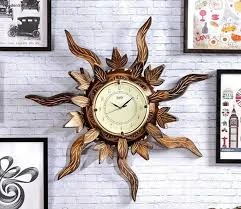
Designer-style wall clocks may use distinctive shapes, materials, textures and decorative detailing to create a stronger visual impact.
These clocks can become statement pieces when positioned on walls with enough open space around them.
Consider the complete clock dimensions before choosing a statement design.
Minimalist wall clocks focus on simple forms, clear dials and limited decorative detailing.
They can complement spaces where furniture, artwork and other accessories already create enough visual interest.
Leaving open wall space around a minimalist clock can help maintain a clean appearance.
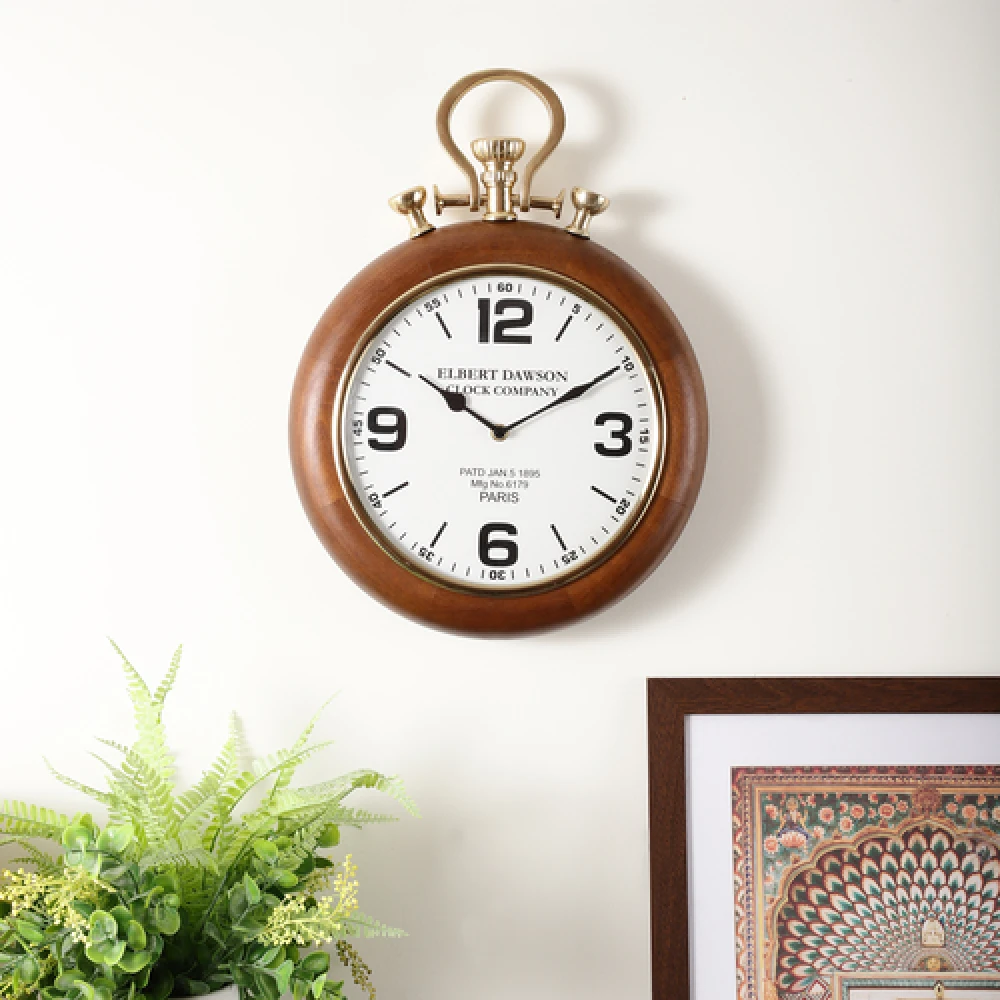
Traditional wall clocks may feature warmer finishes, classic dial designs, detailed frames or wood-inspired surfaces.
These designs can coordinate naturally with wooden furniture, traditional furnishings and interiors featuring warmer colour palettes.
Vintage-inspired designs may feature classic numerals, aged-looking surfaces, rustic details or styling influenced by older clock designs.
They can add character to rustic, traditional and eclectic interiors.
Statement wall clocks use distinctive size, form, colour or decorative details to attract greater attention.
They can be useful where a large blank wall needs one strong visual element.
Avoid surrounding a statement clock with too many competing wall accessories, as this can reduce its visual impact.
Wooden and wood-inspired wall clocks can bring warmth and natural-looking texture into an interior.
They can coordinate particularly well with wooden tables, cabinets, shelves and other warm-toned furniture.
Consider whether you want the clock finish to coordinate closely with the furniture or provide a deliberate contrast.
Metal wall clocks can create a structured, contemporary and decorative appearance.
Depending on the design, metallic finishes may include black, gold-tone, silver-tone or other decorative surfaces.
Metal designs can complement modern, industrial, contemporary and luxury-inspired interiors.
Some wall clocks may include glass components as part of the dial, cover or decorative structure.
Glass can provide a more refined visual appearance but should be handled carefully during installation and cleaning.
Mixed-material clocks may combine wood, metal, glass or other decorative finishes within one design.
These designs can work well in interiors that already feature several different materials across furniture, lighting and accessories.
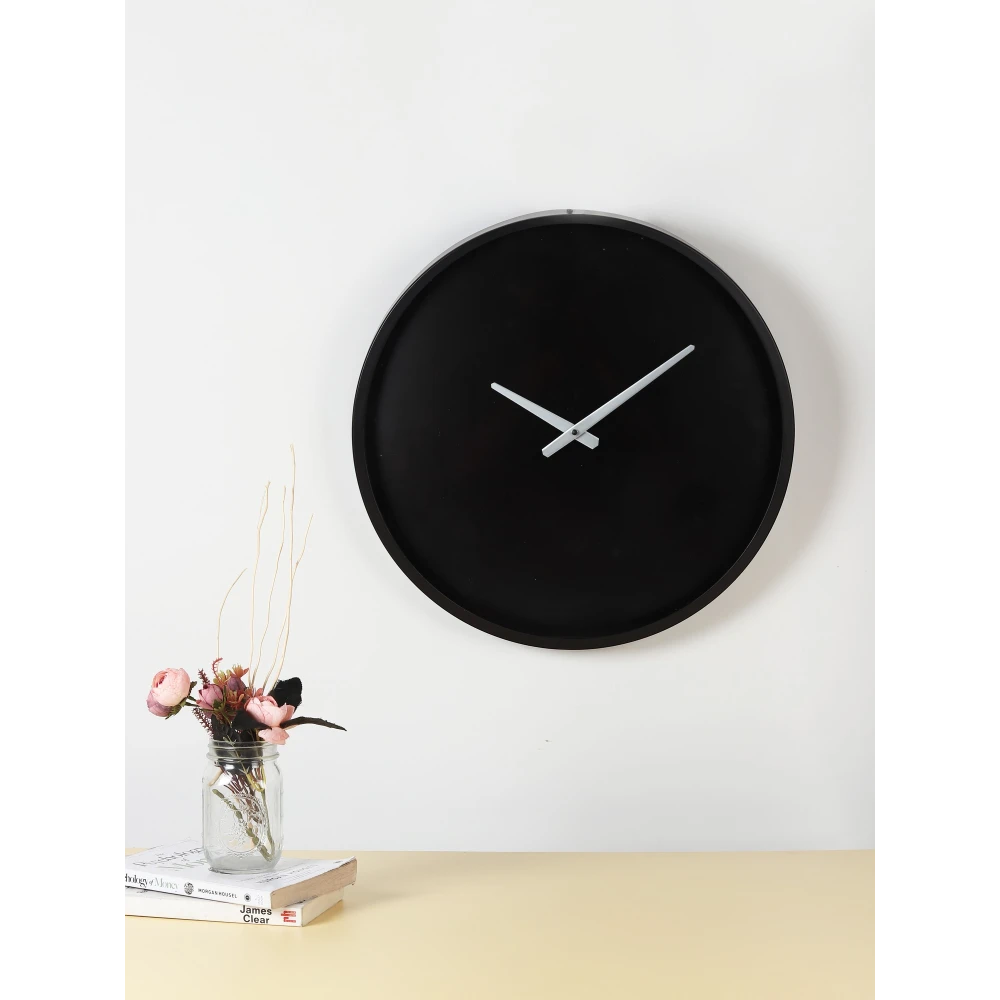
Black wall clocks can create strong contrast against light-coloured walls and may work particularly well in modern and contemporary interiors.
They can coordinate naturally with black lighting fixtures, furniture details and other darker accents.
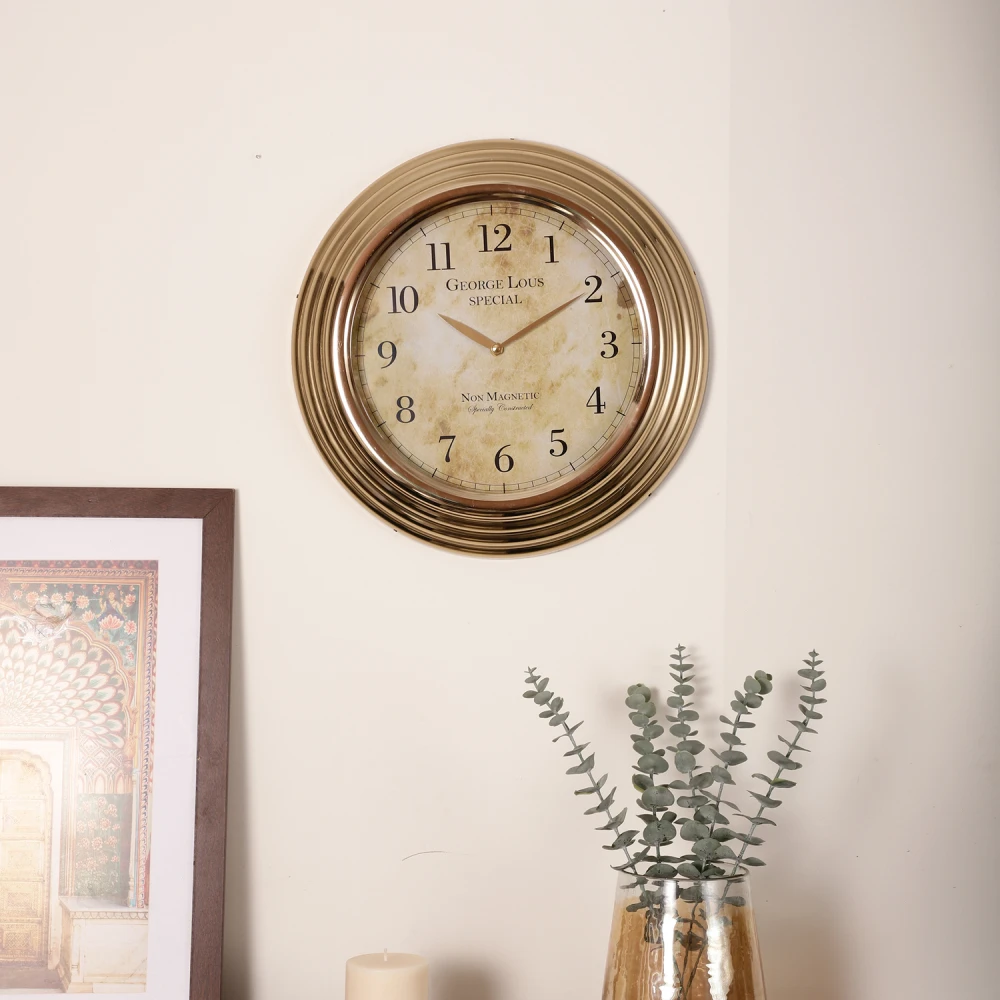
Gold-tone finishes can create a more decorative and premium-looking appearance.
These clocks can work well in interiors containing warm neutrals, metallic accents and elegant decorative accessories.
Beige and neutral wall clocks can blend more subtly with warm and understated interior colour schemes.
They may be useful where you want the clock to complement the room rather than create a strong visual contrast.
Natural-looking wood tones can bring warmth to plain walls and coordinate naturally with wooden furniture.
The exact wood tone does not always need to match every piece of furniture; complementary finishes can also create a balanced appearance.
Living rooms are one of the most suitable spaces for decorative wall clocks because they usually offer larger visible walls.
A wall clock can be positioned above a console, sideboard or another appropriate furniture piece where the proportions feel balanced.
For larger living rooms, consider a dial that remains readable from the primary seating area.
Decorative wall clocks can also help create a focal point without requiring several smaller wall accessories.
A bedroom wall clock can provide convenient time visibility while keeping bedside tables and dressers free for other items.
Choose a size that can be read comfortably from the bed without appearing oversized for the room.
Simple and neutral designs can be easier to coordinate with bedroom furnishings and wall colours.
A wall clock can add visual interest to a dining-room wall without taking up space on the dining table.
Consider the scale of the table, nearby furniture and other wall elements before selecting the clock size.
A decorative wall clock can become part of the dining area's overall interior styling while remaining functional.
Wall clocks can be particularly practical in home offices because they provide quick time visibility without occupying desk space.
Choose a clear dial where the clock needs to be read quickly during meetings or work sessions.
Position it where it remains visible from your normal working position.
A simple wall clock can make time easy to monitor while studying, reading or completing other tasks.
Choose a design that remains clear and functional without becoming visually distracting.
A decorative wall clock can become part of an entrance or foyer arrangement where enough wall space is available.
Coordinate the clock finish with nearby console furniture and Decor to create a connected visual arrangement.
Measure the section of wall where you intend to install the clock before selecting a design.
Consider nearby furniture, switches, shelves, doors, windows and existing decorative pieces.
The clock should have enough surrounding space to remain visible without appearing squeezed between other objects.
Clock size should be proportionate to both the wall and the surrounding furniture.
A very small clock can appear visually lost on a large blank wall, while an oversized design may dominate a compact room.
Compare the complete product dimensions with your available wall area before purchasing.
Think about where you will normally be sitting or standing when viewing the clock.
A clock positioned across a large living room may require a larger and clearer dial than one installed in a compact study space.
A decorative wall clock should still remain easy to use.
Check the contrast between the dial, clock hands, numerals or hour markers.
Highly decorative designs may look attractive, but clear readability remains important for everyday use.
Wood-inspired finishes can introduce warmth, while metal designs can create a more contemporary appearance.
Choose a material that works naturally with your furniture, lighting, wall colour and other decorative accessories.
Wall colour can influence how clearly the clock stands out.
A darker clock can provide contrast against a light wall, while neutral finishes can create a softer and more integrated appearance.
Look at the overall design of the room before choosing a wall clock.
Minimal interiors may suit cleaner designs, while traditional rooms may work well with warmer finishes and more detailed clock frames.
The clock does not need to match every object exactly, but it should feel connected to the overall interior.
Review the product specifications for information about the movement, power source and battery requirements.
Clock mechanisms and operating requirements can vary between products, so follow the manufacturer's instructions.
Review the product weight and intended mounting method before installation.
Make sure the wall and fixing hardware are suitable for supporting the clock securely.
Larger or heavier decorative clocks may require more careful installation than compact lightweight designs.
Small wall clocks can suit compact bedrooms, studies, offices and smaller wall sections.
Make sure the dial remains readable from the intended viewing distance.
Medium-sized wall clocks can provide a balance between practical readability and decorative presence.
They can work across many living rooms, bedrooms, dining areas and workspaces depending on the available wall space.
Large wall clocks can create a stronger focal point and may suit spacious living rooms, dining rooms and entrance areas.
Measure carefully before selecting a larger design and make sure the wall can support its weight and mounting requirements.
A decorative wall clock can become the primary feature of an otherwise plain wall.
This approach works particularly well with larger statement designs.
Keep surrounding accessories minimal so the clock remains visually prominent.
A wall clock can create a balanced arrangement when positioned above a suitable console or sideboard.
Consider both the width of the clock and the furniture below it.
The clock should feel visually connected to the furniture rather than appearing too small or excessively large.
Sideboards and storage cabinets can provide a strong visual base for a decorative clock.
Keep tabletop accessories limited where the clock already creates significant decorative impact.
Contrast can help the clock become easier to see and more visually prominent.
Dark frames can stand out against lighter walls, while metallic finishes can introduce decorative highlights.
Alternatively, similar colours can create a more subtle and coordinated effect.
Consider nearby furniture finishes when selecting the clock.
Wood-inspired clocks can complement wooden furniture, while black or metallic frames can coordinate with contemporary furniture and hardware.
Avoid surrounding the clock with unnecessary decorative items.
Leaving some empty wall space can help the clock remain clearly visible and prevent the arrangement from appearing cluttered.
The ideal position depends on the room layout and where time visibility is most useful.
Select a wall that can be viewed comfortably from the main areas of the room.
Avoid locations where open doors, tall furniture, shelves or other objects regularly obstruct the dial.
The clock should also be installed at a practical viewing height rather than being positioned solely for decorative effect.
When installing a wall clock above furniture, consider the visual relationship between the two pieces.
A clock that is extremely small compared with a wide console may feel disconnected, while an oversized clock can overwhelm narrow furniture.
Use the furniture as a visual reference when selecting the clock dimensions and mounting position.
Modern interiors often work well with clean shapes, black finishes, subtle metallic details and simpler clock dials.
Choose a design that complements the architectural lines and furniture already present in the room.
A modern wall clock can add visual interest without making the room appear overly decorative.
Traditional interiors may suit warmer colours, classic dial designs and wood-inspired finishes.
Coordinate the clock with wooden furniture, traditional accessories and richer interior colour palettes.
Minimalist rooms generally benefit from clocks with simple forms and clear visual structure.
Use one clock as a functional decorative feature rather than surrounding it with several unnecessary wall accessories.
Metallic finishes, distinctive frames and elegant detailing can create a more premium decorative appearance.
Gold-tone and other refined finishes can work particularly well where similar accents are already present in lighting, furniture or accessories.
Keep the surrounding arrangement balanced so the room does not become visually excessive.
Both wall clocks and table clocks provide practical timekeeping, but they differ in placement and the way they interact with an interior.
A Wall Clock uses vertical space and can usually be viewed from a greater distance.
A Table Clock is freestanding and can be placed on a desk, bedside table, shelf or console.
Choose a wall clock where you want to keep furniture surfaces free and need wider visibility across the room.
Consider a table clock where portability and close-range viewing are more important.
A simple wall clock usually prioritizes clear time visibility and straightforward styling.
A decorative wall clock places greater emphasis on the frame, materials, shape, colour and overall visual design.
For offices, kitchens and studies, a simpler clock may be preferred where readability is the main requirement.
Living rooms, entrance areas and other decorative spaces may benefit from a more visually distinctive design.
Wall clocks can provide useful time visibility in home offices and professional workspaces without occupying desk space.
Select a dial with good contrast and clear hour markers where the clock will be viewed from different parts of the room.
Consider a simpler design where the workspace already contains multiple visual elements such as monitors, shelves and notice boards.
Decorative wall clocks can be considered for housewarming, wedding, anniversary and other home-oriented gifting occasions.
When selecting a clock as a gift, consider the recipient's likely interior style and available wall space.
Neutral colours and versatile designs may be easier to coordinate when their exact preferences are unknown.
More distinctive statement clocks may suit recipients whose decor style you already know.
Installation requirements depend on the size, weight and mounting system of the individual clock.
Check the product instructions before installation and use fixing hardware appropriate for the wall type and clock weight.
Make sure the clock sits securely and remains level after installation.
Avoid relying on unsuitable temporary mounting methods for heavier clocks.
Dust can collect on the frame, dial and decorative elements over time.
Use a suitable soft cloth or cleaning method appropriate for the clock's material and finish.
Wooden, metal and glass components may require different cleaning methods.
Avoid harsh or abrasive cleaning products that may damage decorative surfaces.
Avoid touching or moving clock hands unnecessarily while cleaning the dial.
Follow the product instructions if the hands require adjustment.
Where the clock is battery-operated, use the battery type specified by the manufacturer.
Replace the battery when required and follow the correct installation orientation.
Periodically make sure the wall clock remains securely mounted.
This can be particularly important for larger or heavier designs.
A wall clock can work as a standalone decorative feature or become part of a broader interior arrangement.
Explore Clocks to compare wall-mounted and freestanding options for different areas of your home.
Choose a Wall Clock where you want practical time visibility combined with wall decoration.
For desks, shelves, bedside tables and consoles, explore Table Clock options according to your available surface space.
Coordinate your clock with suitable Decor while keeping the overall wall or furniture arrangement balanced.
Add practical timekeeping and decorative style to living rooms, bedrooms, dining spaces, offices and other interiors with Wall Clock designs.
Explore wall clocks according to your preferred size, colour, material, dial style and interior theme.
Compare the complete dimensions, dial visibility, mechanism, power requirements, frame material, mounting method and intended placement before making a selection.
Browse the complete Clocks collection and explore Table Clock options where a freestanding design is more suitable.
Choose a wall clock that remains easy to read, fits proportionately within the available wall space and complements the surrounding Decor for a functional and visually balanced interior.