Lamps & Light 90 Products
- Filter
- Product Type
- Size
- Rating
- Sort
- Delivery
- Discount
- Color
- Brand
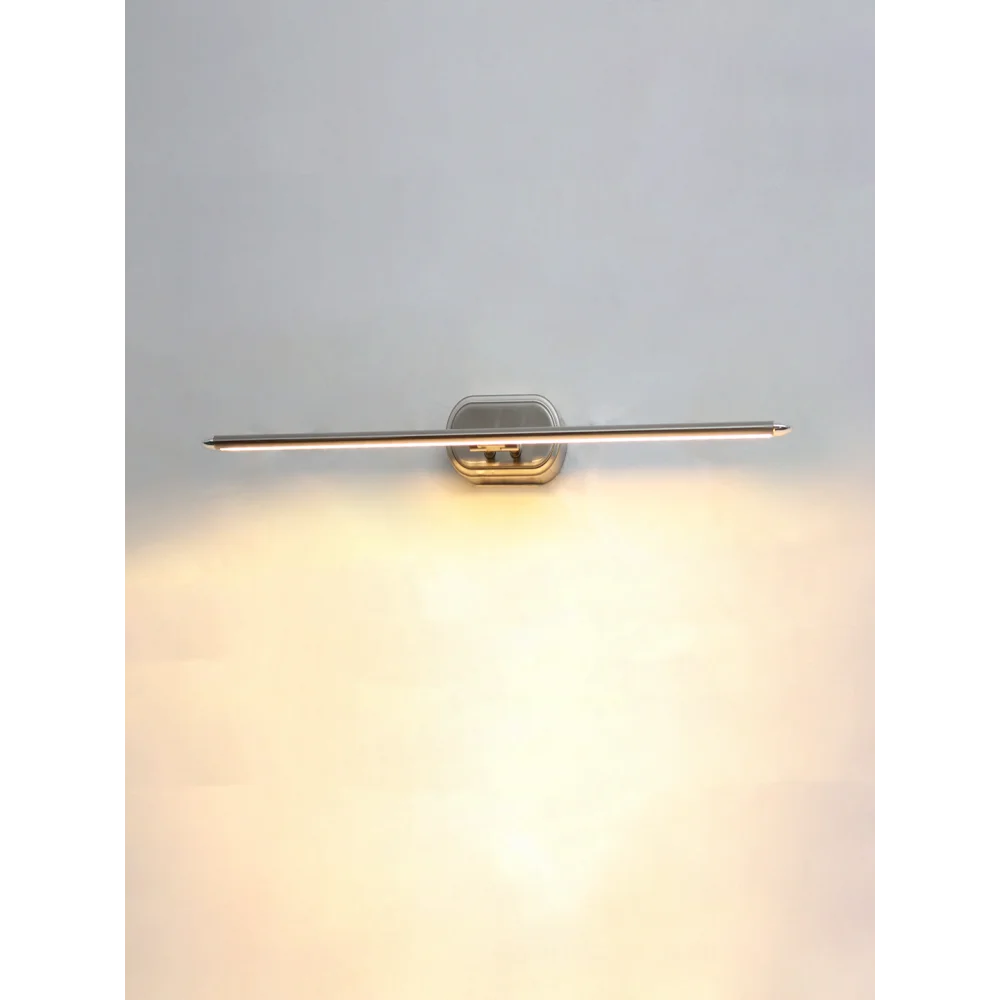
Transform the look and feel of your interiors with thoughtfully selected lamps and lights. Lighting is not only a functional requirement; the right lamp can also highlight furniture, create visual warmth and add a decorative element to living rooms, bedrooms, study areas, dining spaces and other parts of the home.
Different spaces require different types of lighting. Wall-mounted lamps can provide focused or decorative illumination, floor lamps can add height to empty corners, table lamps work well beside beds and desks, while hanging lamps can create an attractive focal point above suitable areas.
At InteriorChowk, explore Lamps & Light including Wall Lamps, Floor Lamps, Lampshades, Table Lamps, Hanging Lamps and String Lights for different lighting and decorative requirements.
Choosing the right lighting starts with understanding the purpose of the space. Some areas need focused illumination for reading and working, while others may benefit more from soft ambient or decorative lighting.
Combining different types of lamps can help create a layered lighting arrangement instead of depending on one central light source for the entire room.
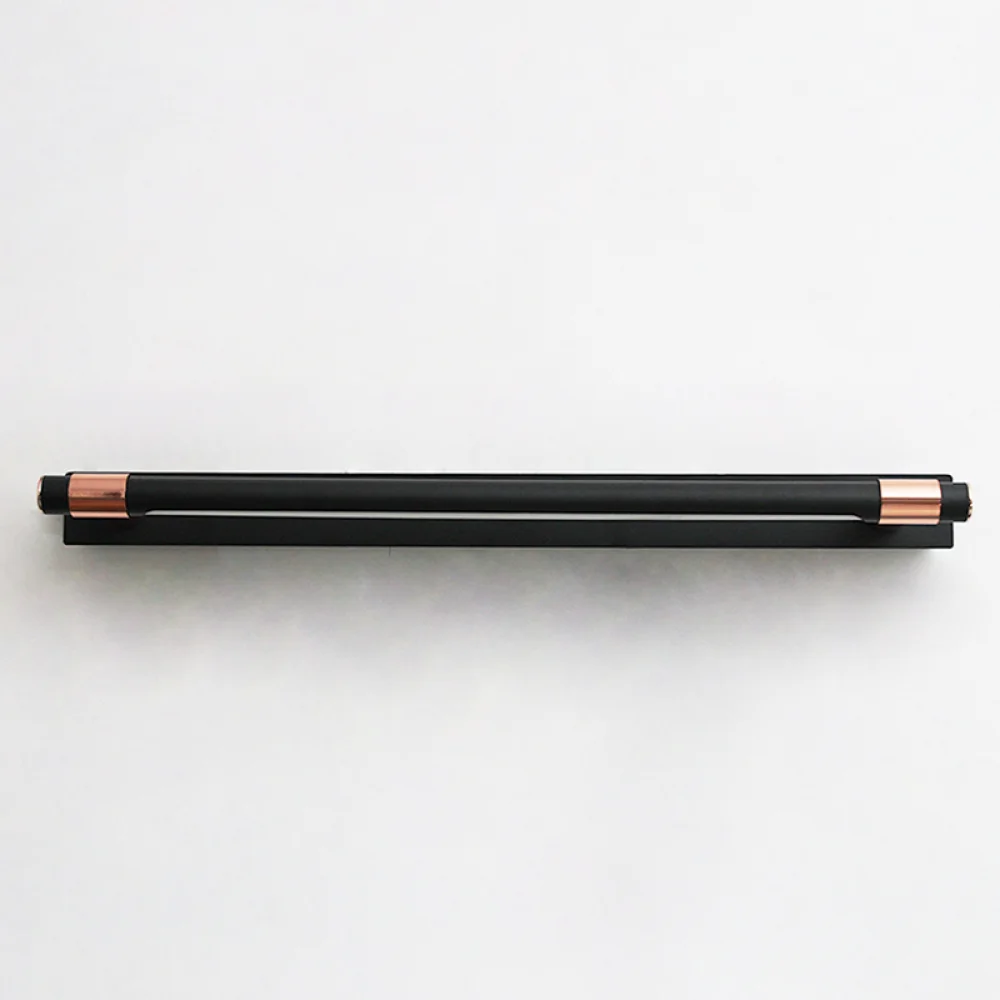
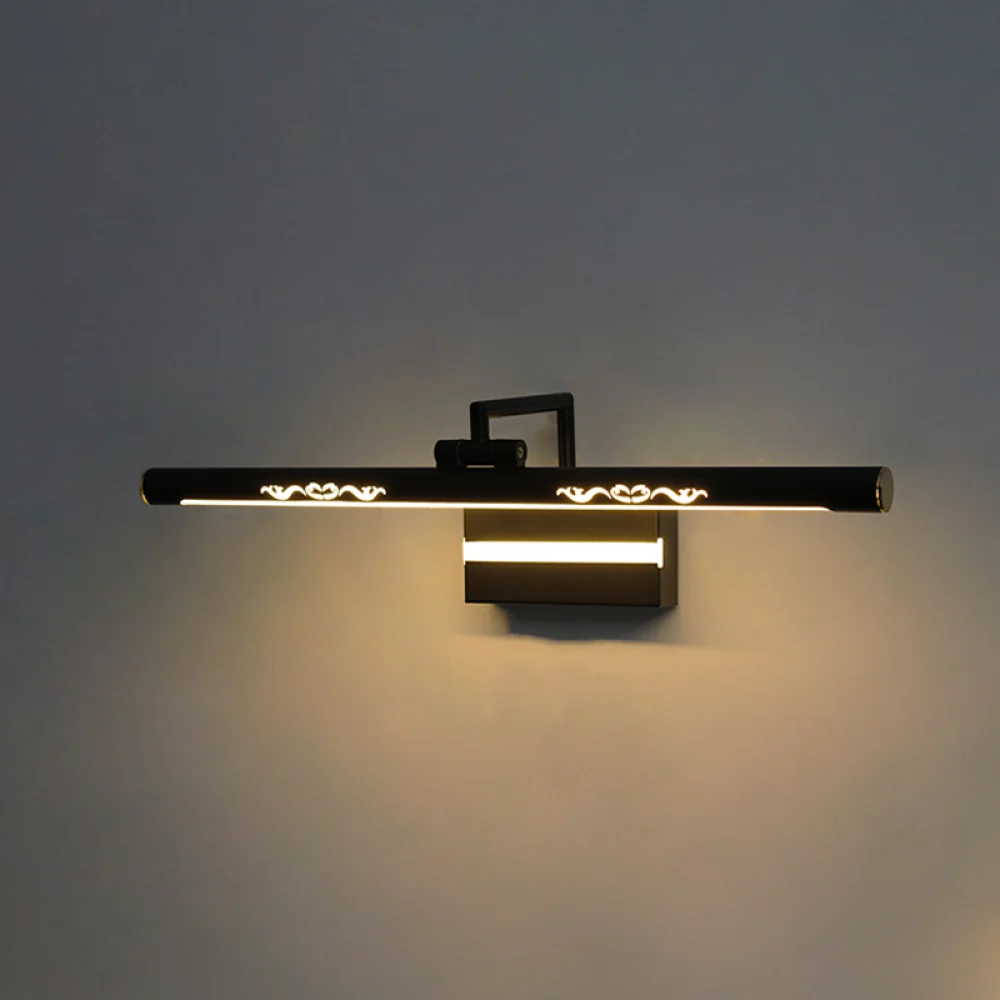
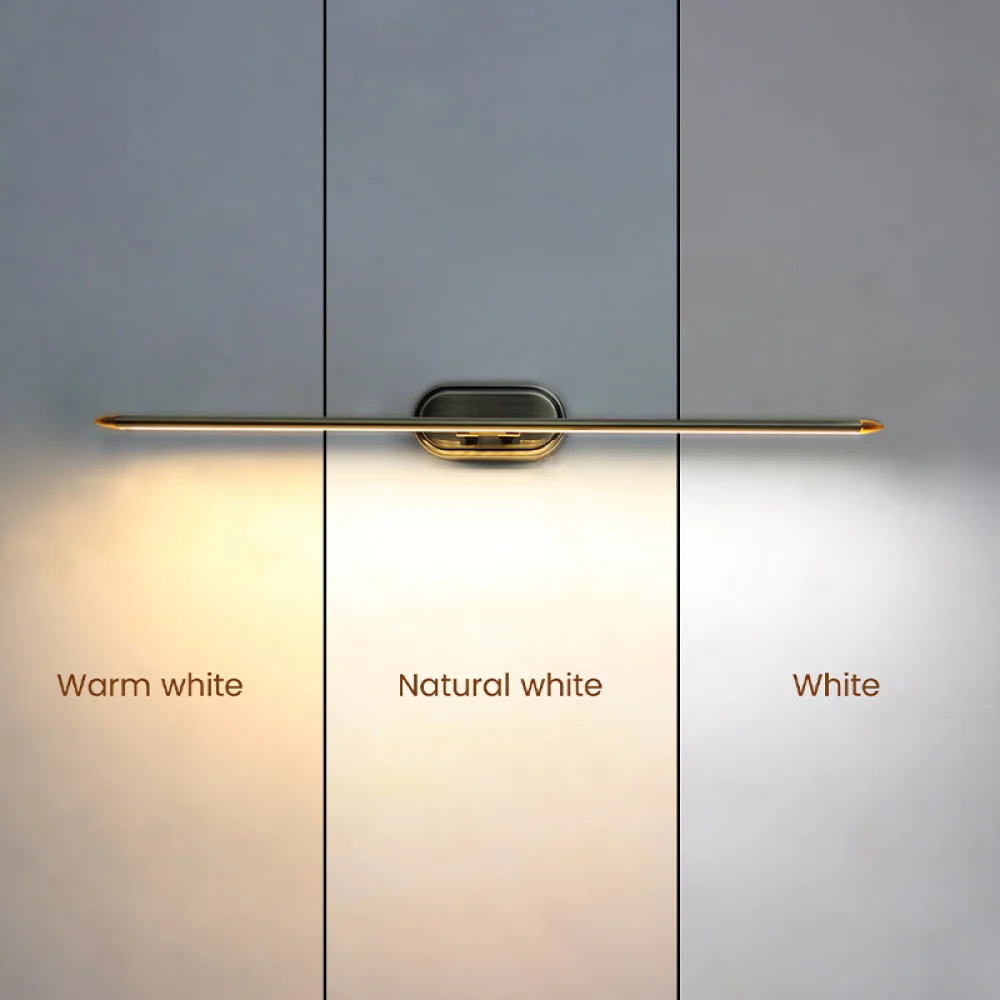
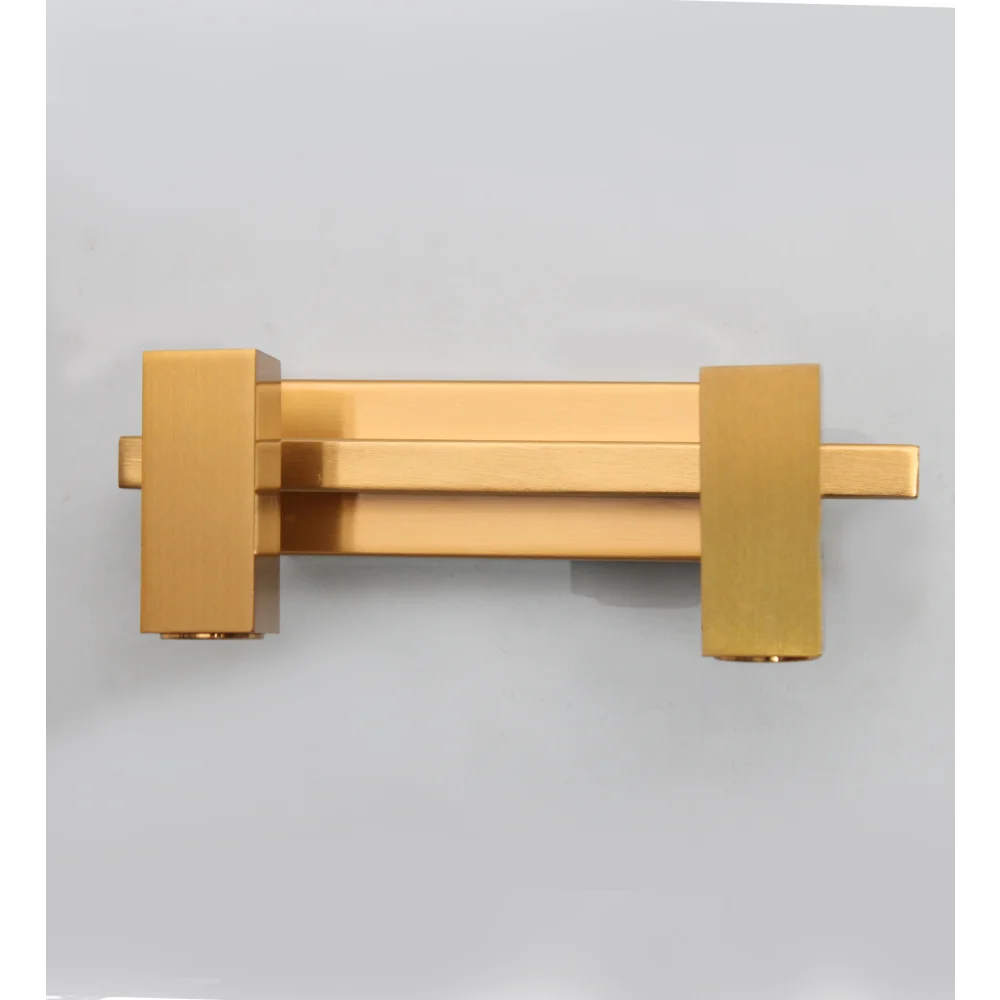
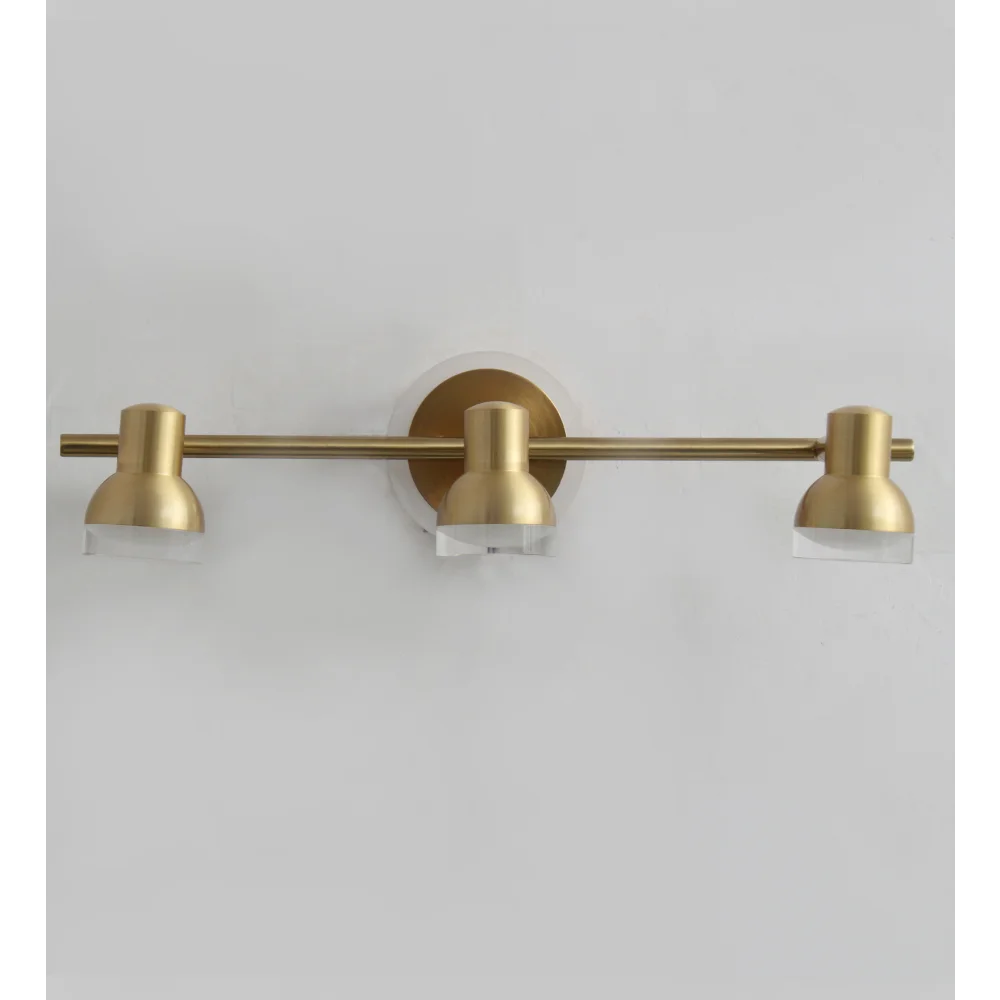
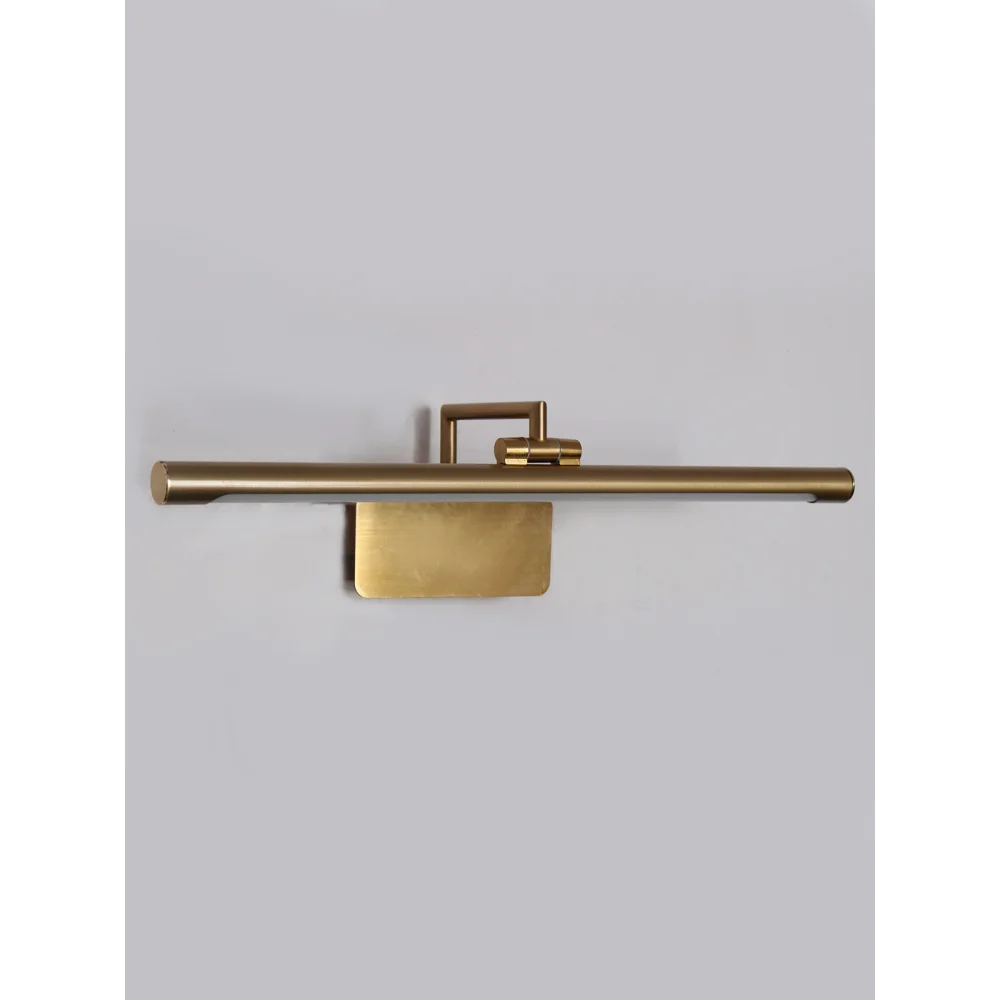
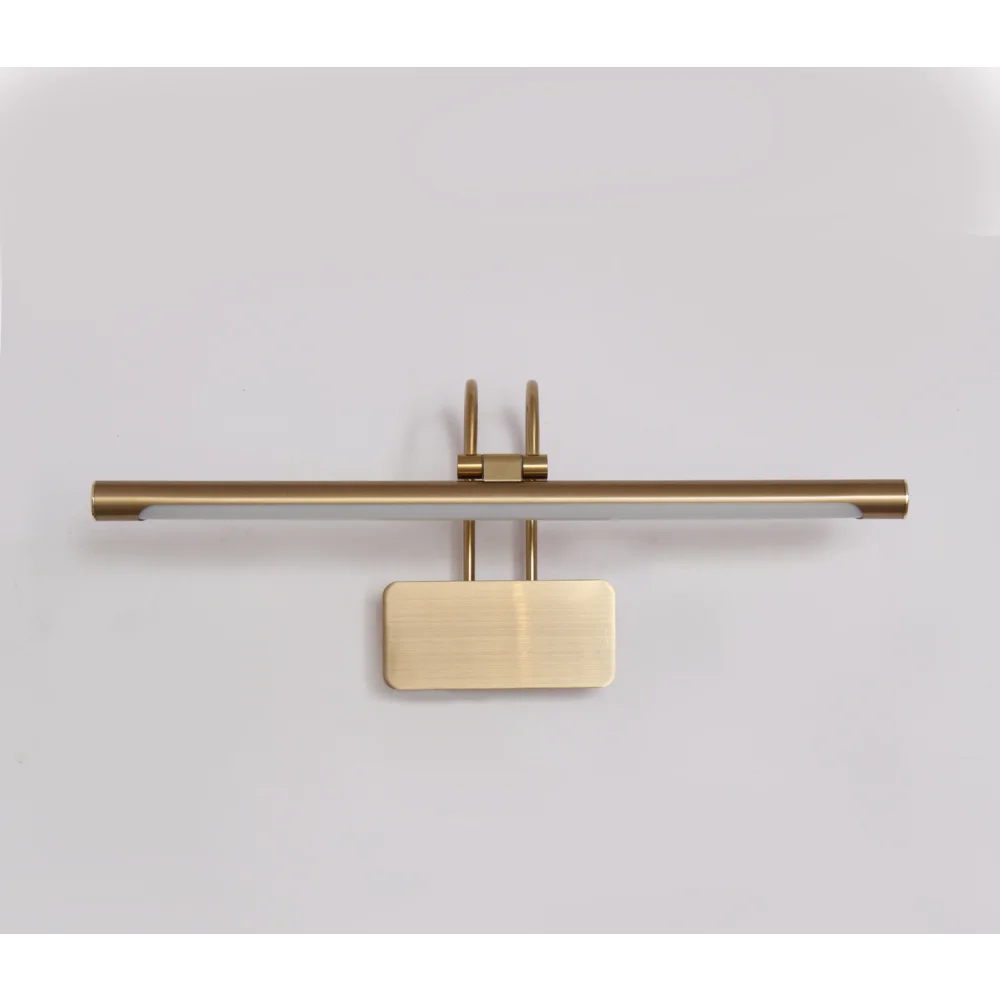
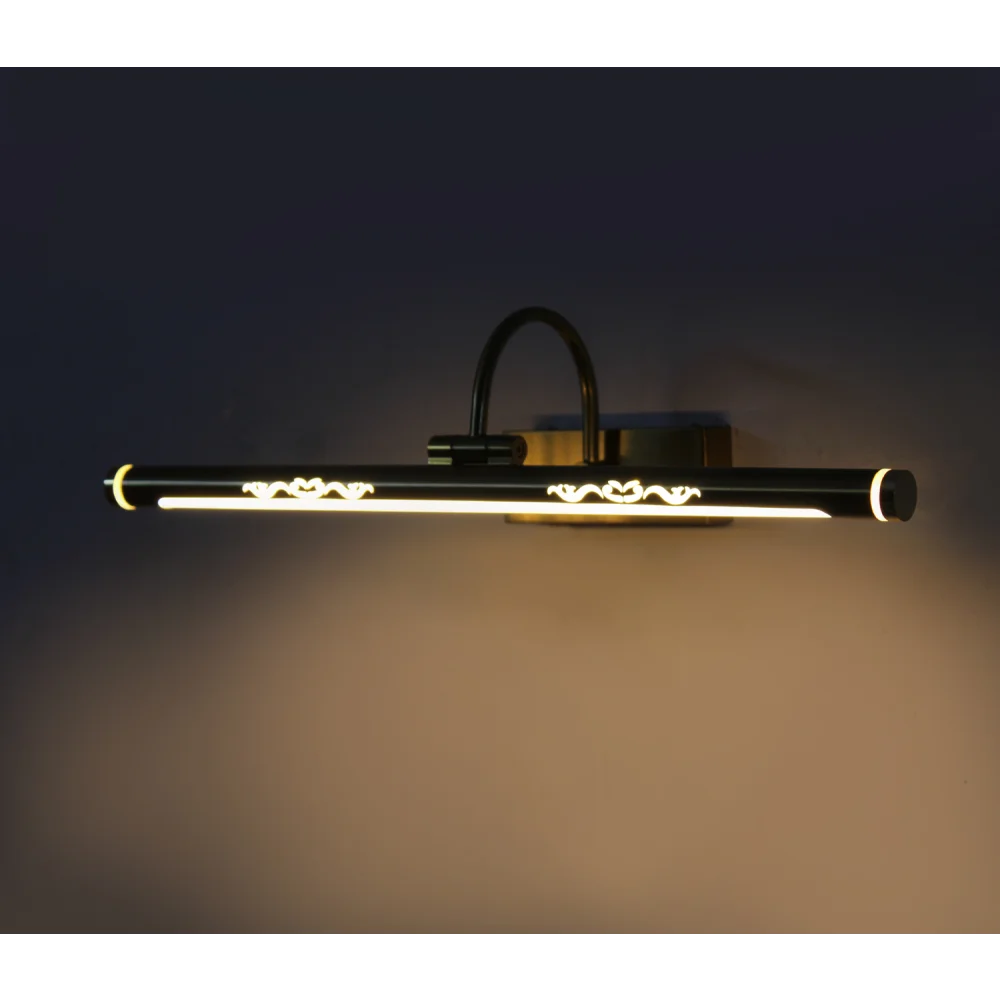
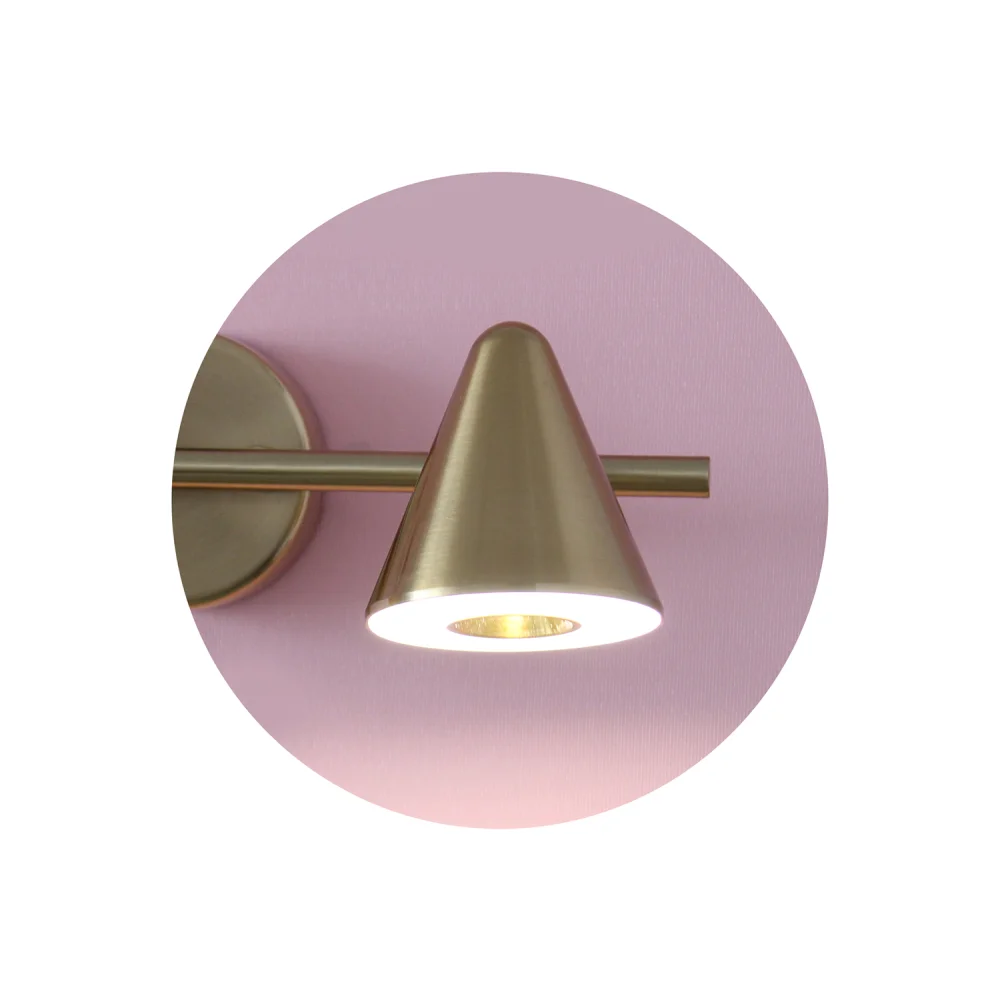
Wall Lamps are installed on vertical surfaces and can provide useful illumination without occupying floor or tabletop space.
They can be used in bedrooms, living rooms, hallways, entrances and other suitable areas depending on the lamp design and electrical arrangement.
Wall lamps may help highlight artwork, furniture or architectural features while also contributing to the overall lighting of the room.
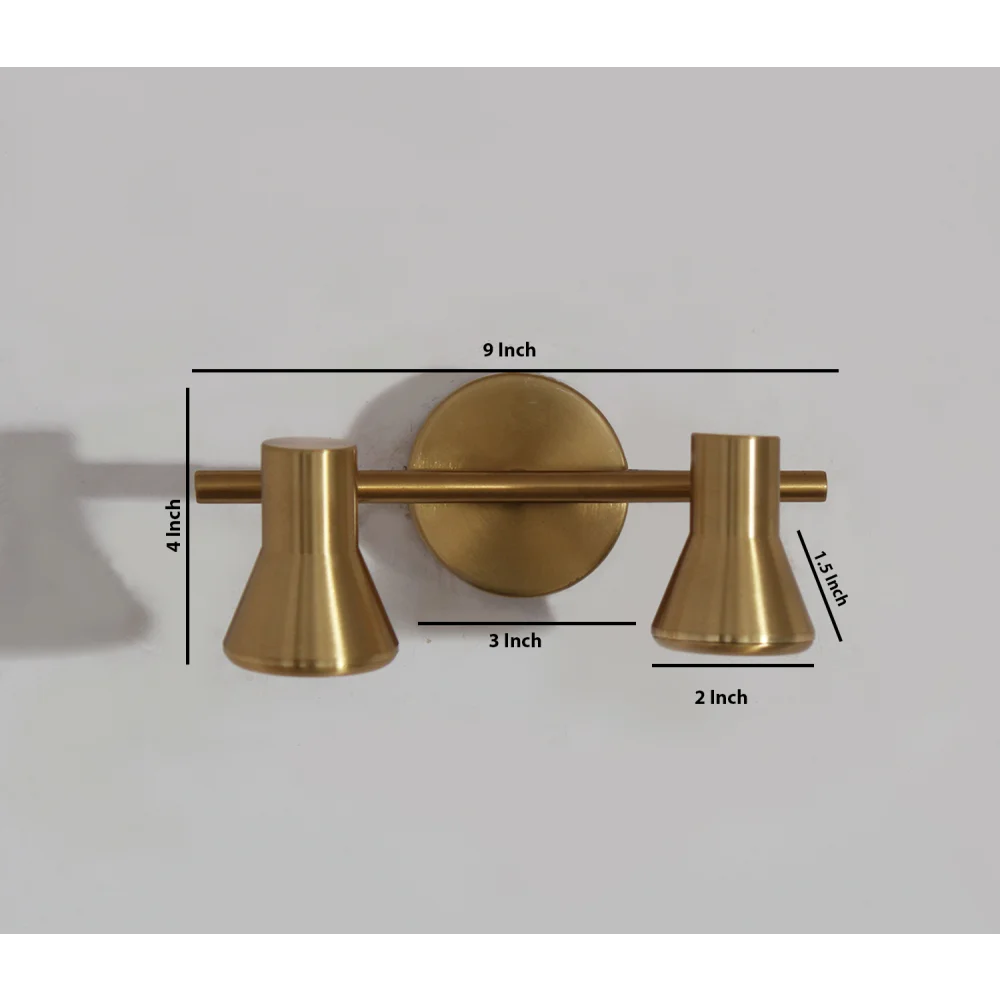
Before choosing a wall lamp, consider its dimensions, mounting position, light direction, electrical requirements and how its finish coordinates with the wall colour and surrounding decor.
Floor Lamps are freestanding lighting accessories that can add both illumination and vertical visual interest to a room.
They can be placed beside sofas, reading chairs, beds or in empty corners where additional lighting is required without installing another ceiling fixture.
Tall floor lamps can also help balance larger furniture arrangements and make unused corners feel more intentional.
Check the total height, base dimensions, shade size and stability before choosing a floor lamp, especially for compact or high-traffic spaces.
Lampshades form an important part of many table and floor lamps. Along with covering the light source, a lampshade can influence how the light is distributed around the room.
Different shapes, materials, colours and levels of opacity can create different visual effects. Lighter shades may allow more light to pass through, while darker or denser materials may produce a more focused appearance depending on the design.
When replacing or selecting a lampshade, check its dimensions, fitting type, lamp compatibility and proportion relative to the base.
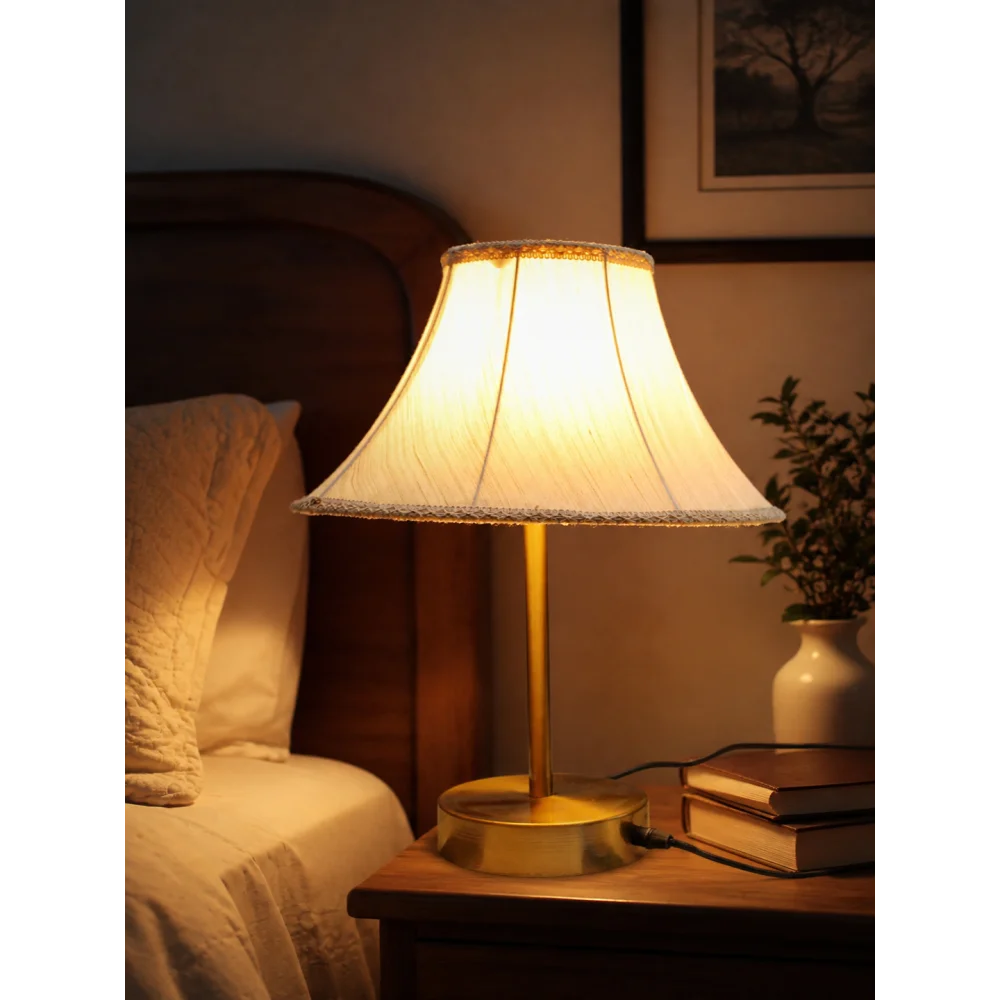
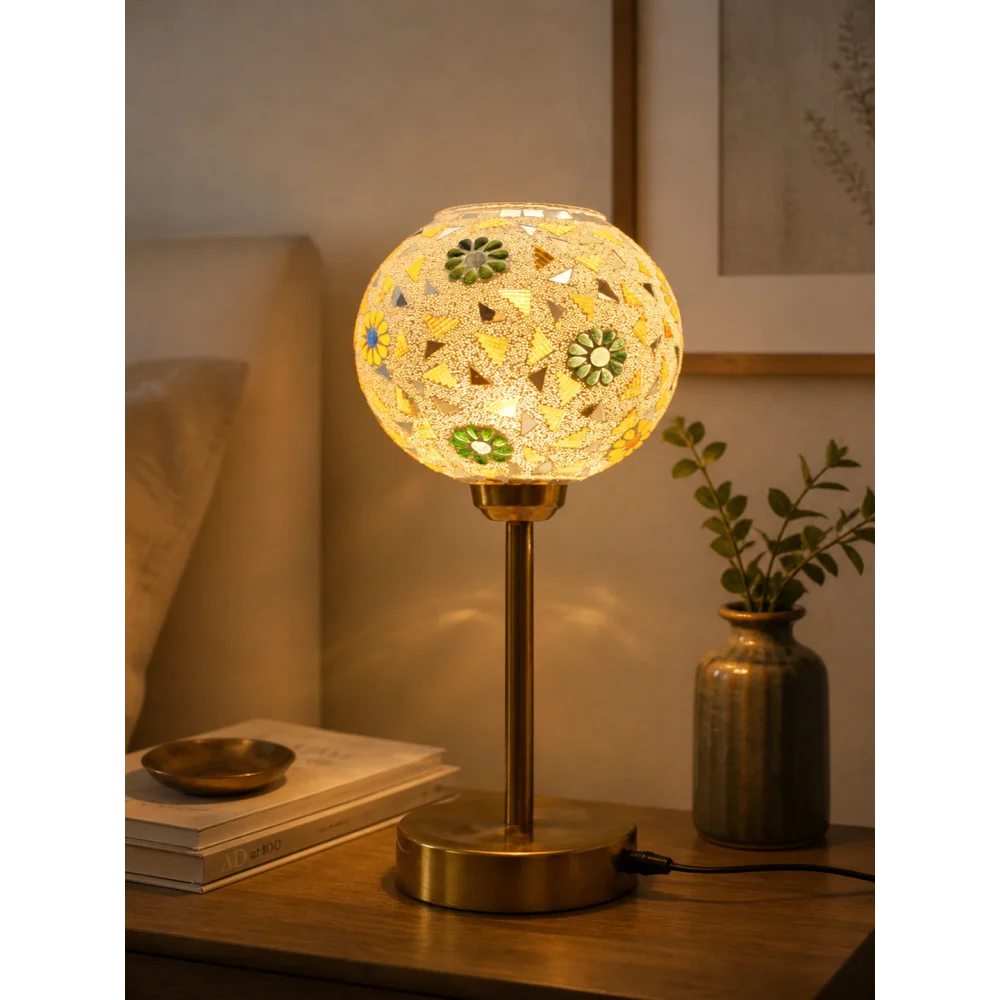
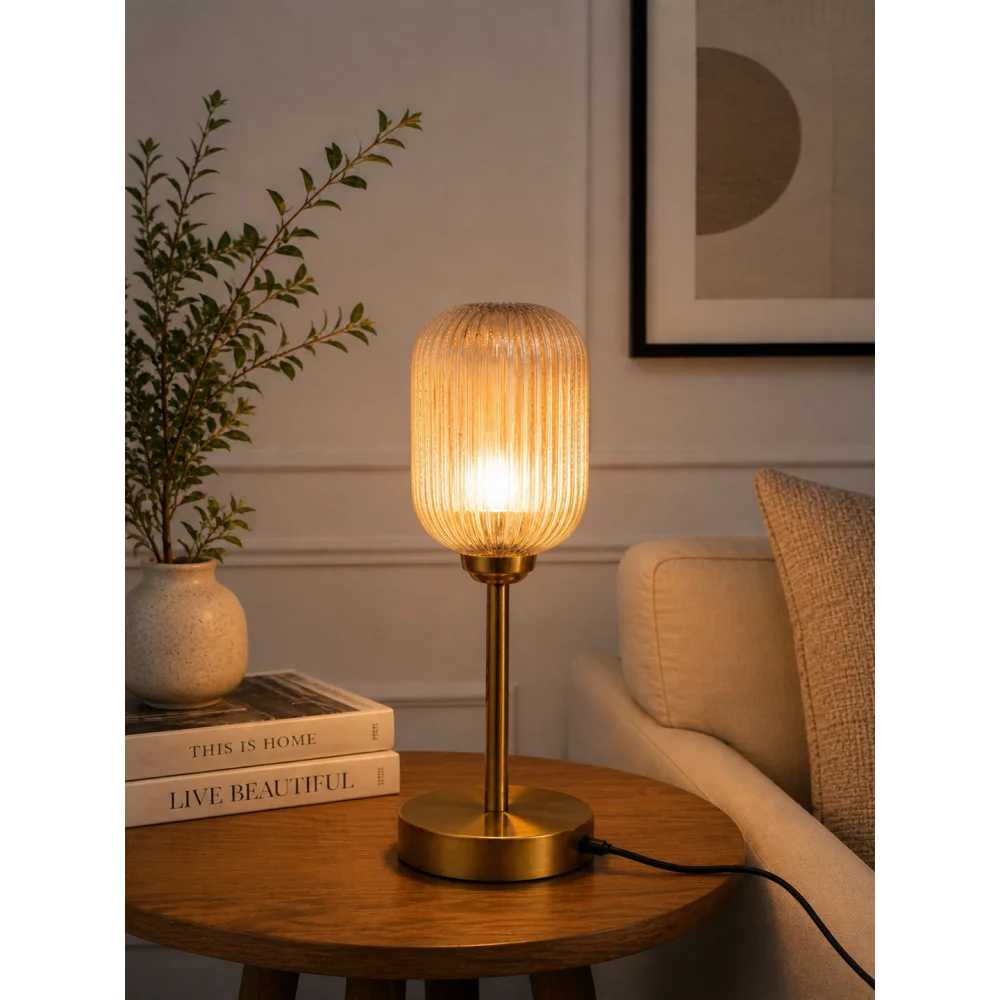
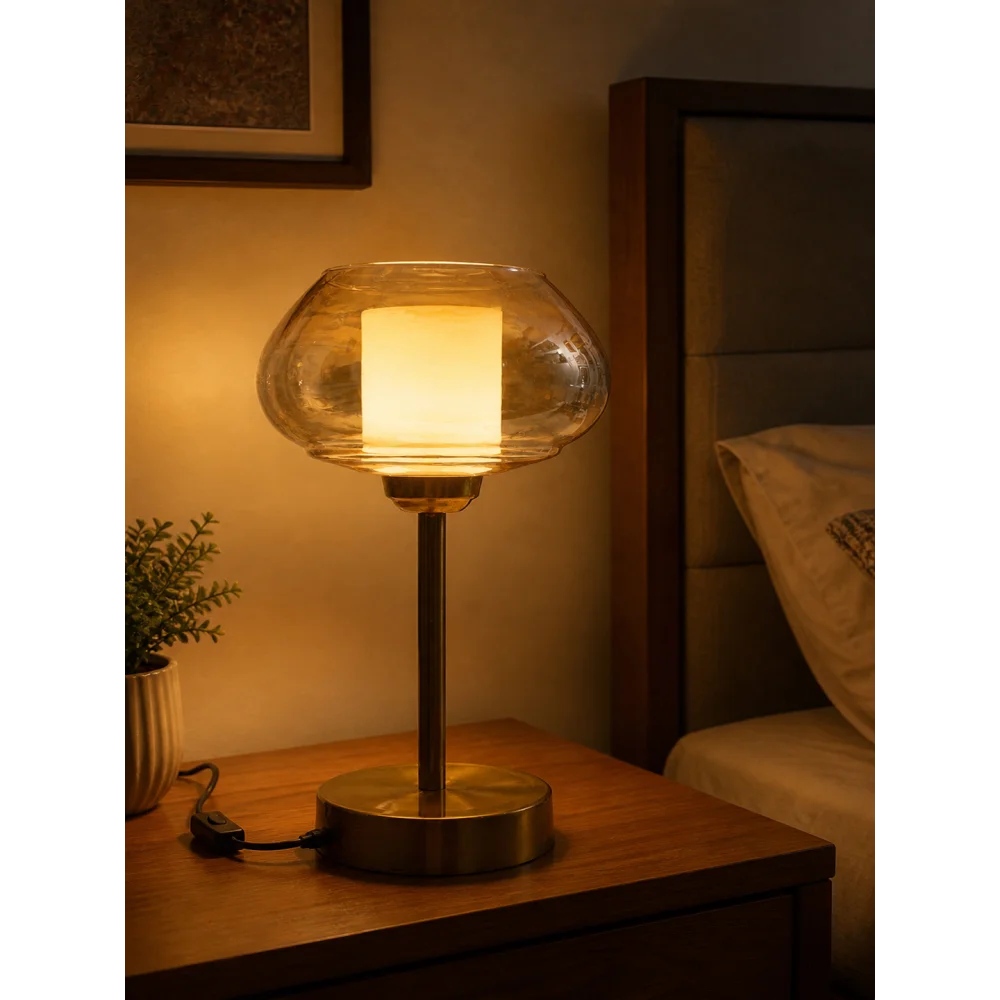
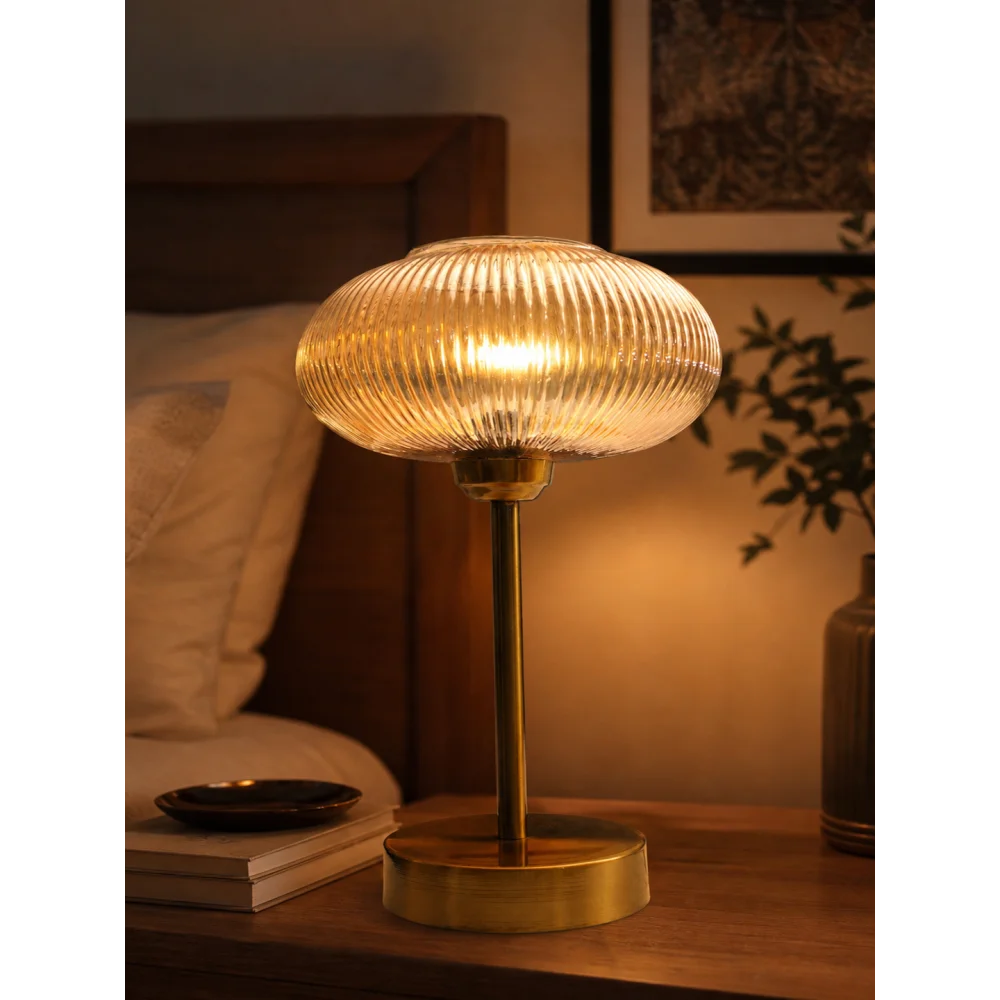
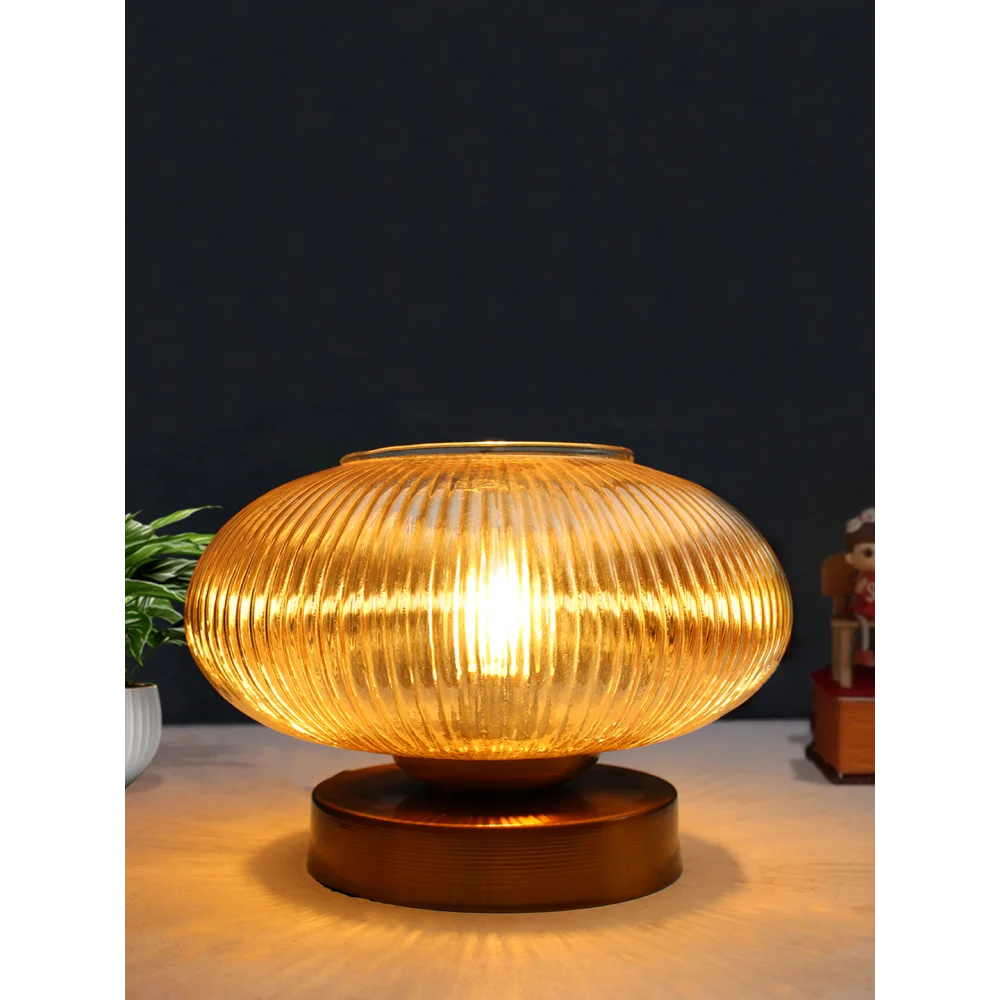
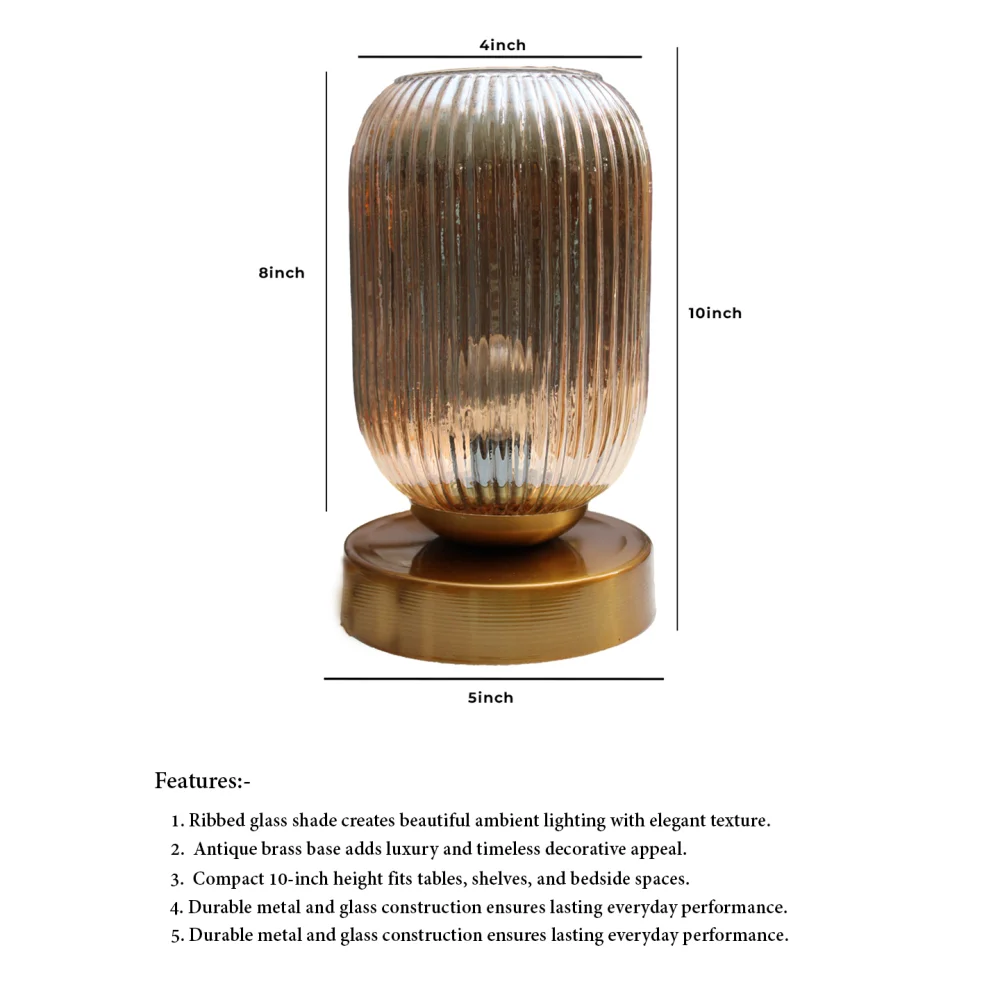
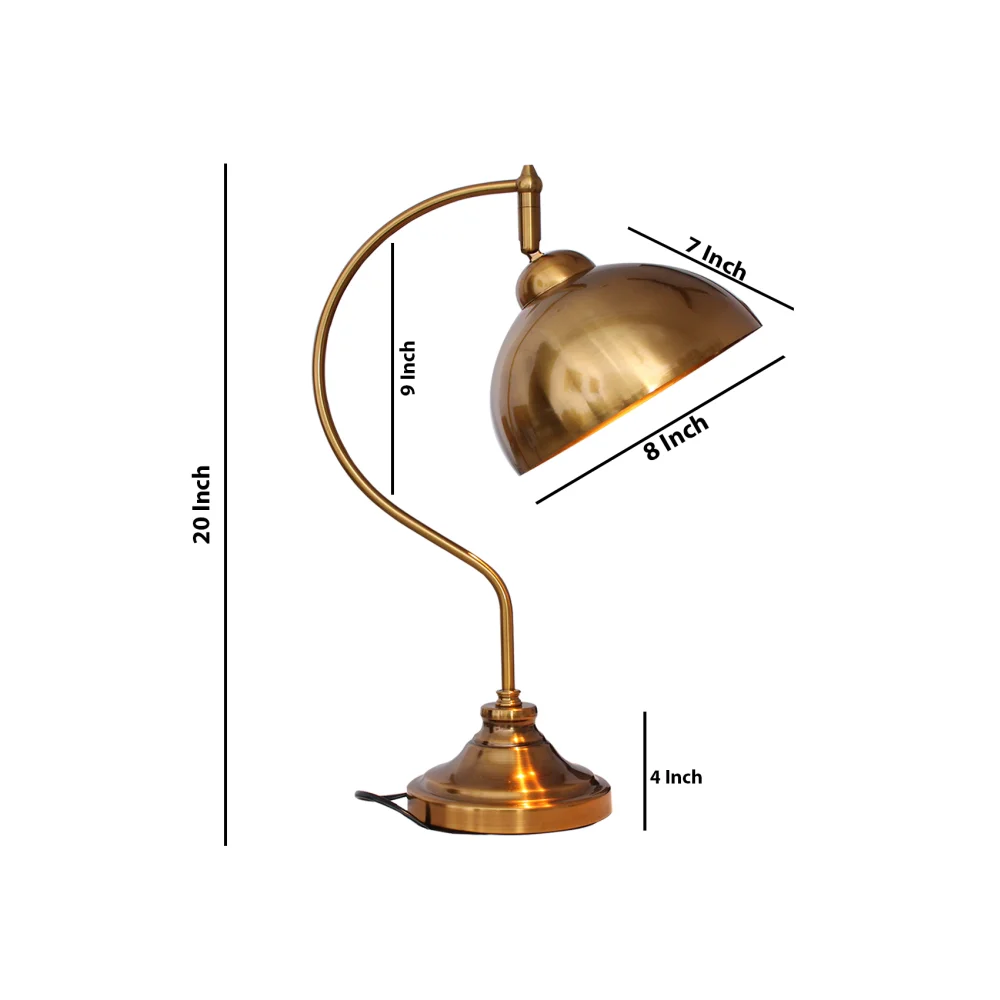
Table Lamps are versatile lighting accessories suitable for bedside tables, study desks, consoles, side tables and workspaces.
On a bedside unit, a table lamp can provide convenient localized lighting. On a study table or home-office desk, suitable designs may provide additional illumination for reading and writing.
Decorative table lamps can also be used on consoles and side tables as part of the room's visual arrangement.
Consider the lamp height, base size, shade dimensions, switch position and available tabletop area before making a selection.
Hanging Lamps are suspended from the ceiling and can create a distinctive lighting feature within the room.
They can be used above dining tables, kitchen counters, bedside areas, entrance spaces and other suitable locations depending on ceiling height and room layout.
A single hanging lamp may function as an accent, while multiple fixtures can sometimes be arranged together for a more dramatic effect.
Before installation, consider ceiling height, hanging length, fixture dimensions, electrical connection and clearance below the lamp.
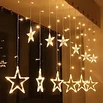
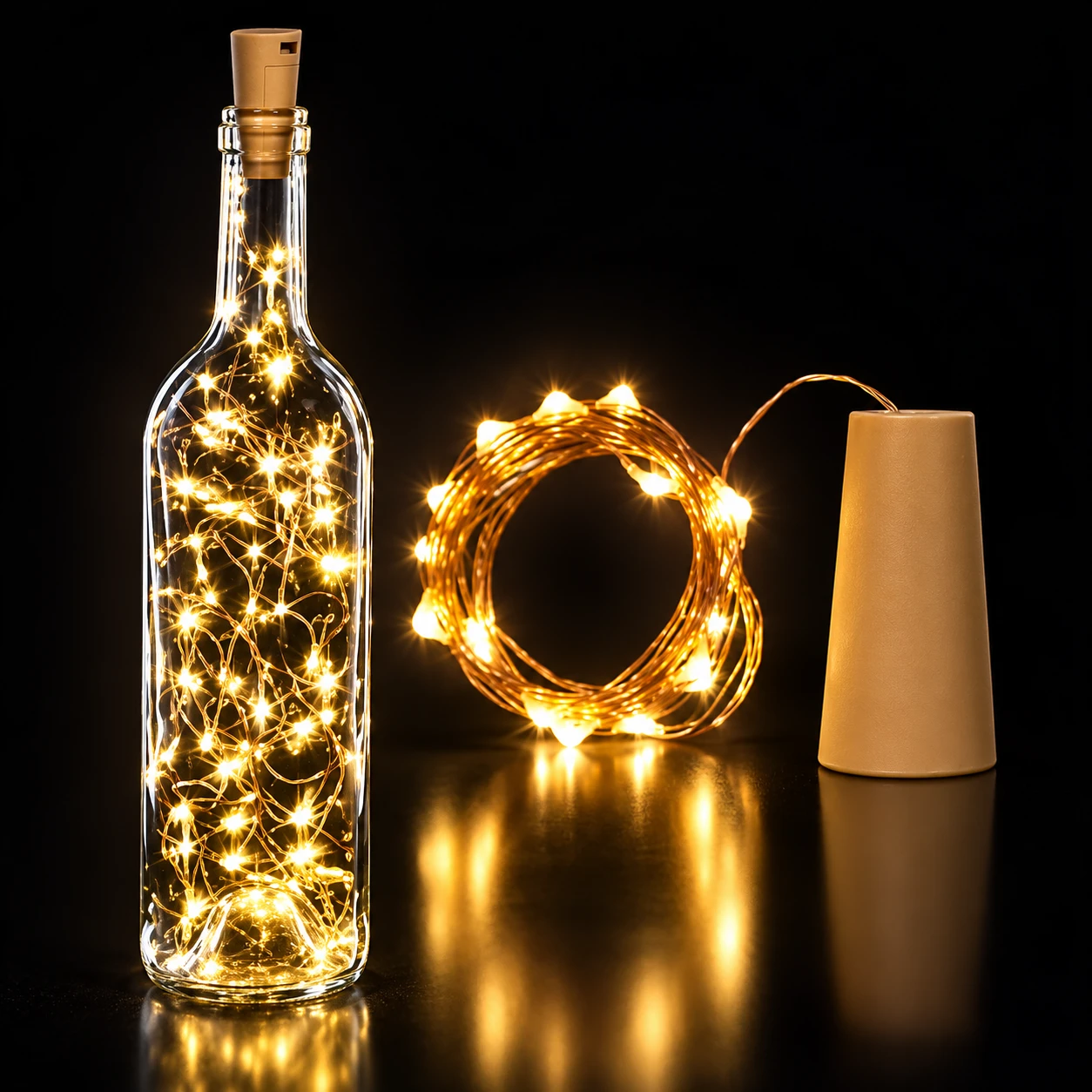
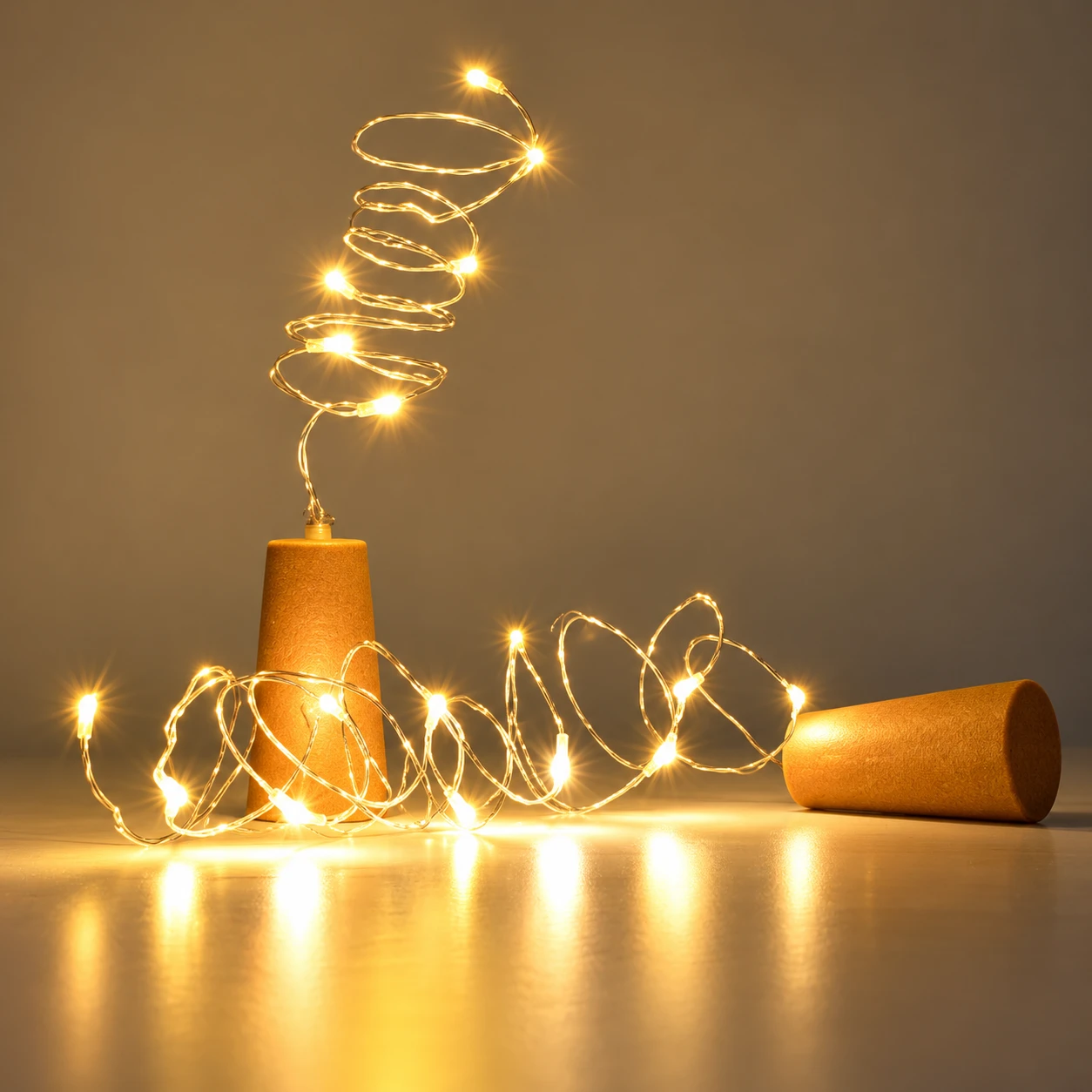
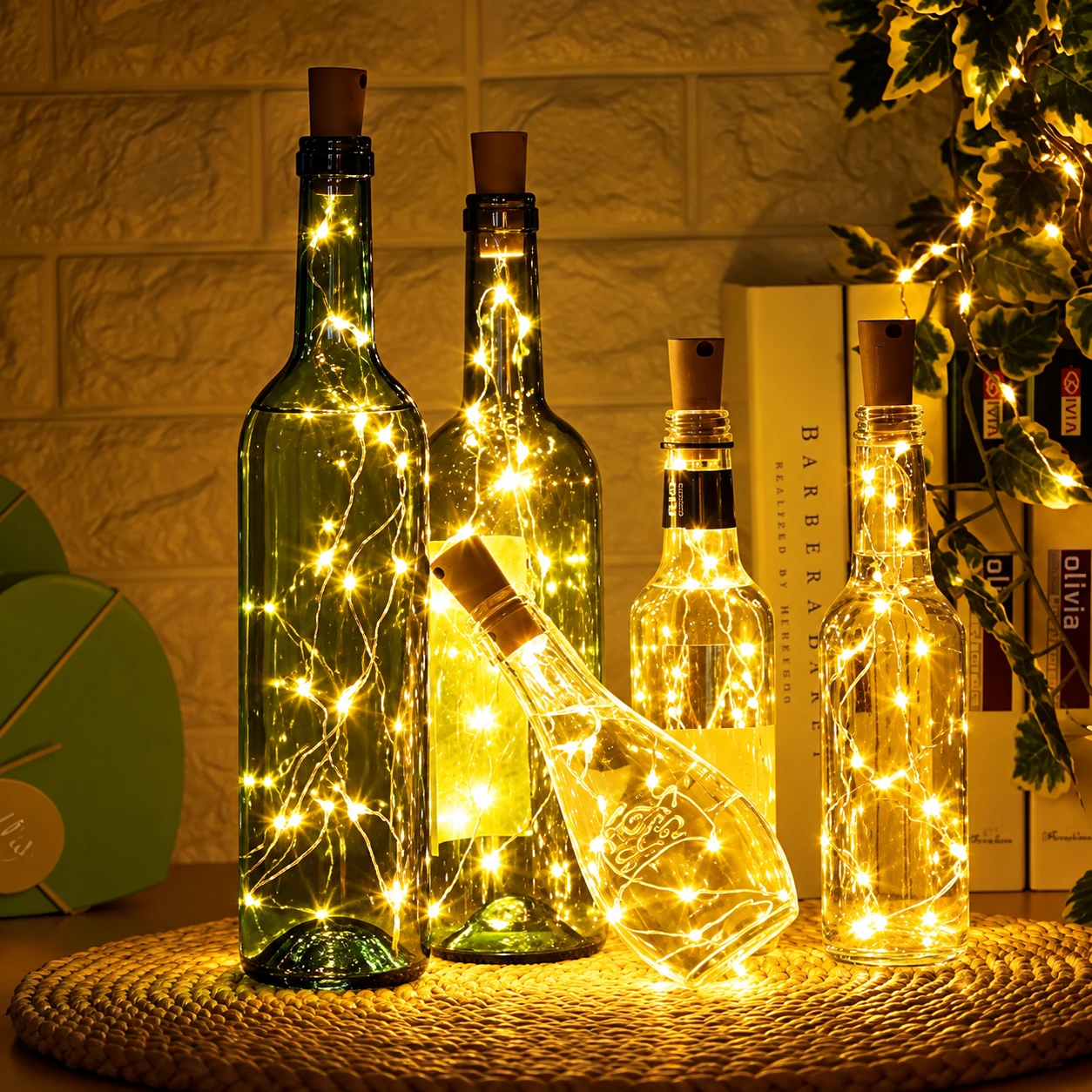
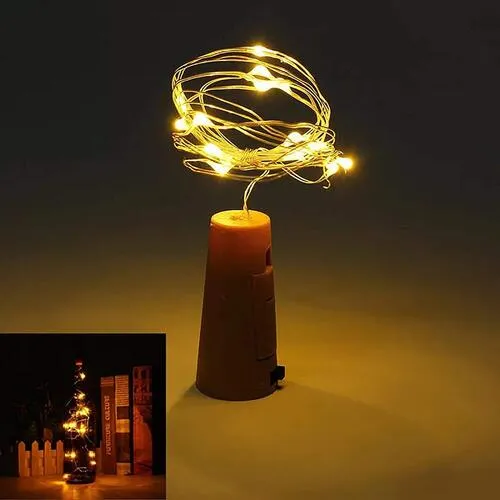
String Lights are primarily used to introduce decorative illumination and a softer visual effect into a space.
They can be arranged around suitable walls, shelves, decorative corners, headboards or other areas according to the product design and installation instructions.
String lights can work particularly well when the goal is to create a relaxed, festive or decorative atmosphere rather than primary room illumination.
Review the light length, power source, intended indoor or outdoor use and installation requirements before choosing a design.
Living rooms often benefit from a combination of general and decorative lighting. Instead of relying only on one ceiling light, additional lamps can help create different zones within the space.
A Floor Lamp beside a sofa or reading chair can provide additional illumination, while Wall Lamps can help highlight specific walls or architectural details.
Decorative Table Lamps can also be placed on side tables or consoles where sufficient surface space is available.
Bedroom lighting should support both practical tasks and a comfortable atmosphere.
Table Lamps can work well on bedside units, while suitable Wall Lamps may provide localized illumination without occupying bedside-table space.
Decorative String Lights may also be used where softer accent lighting is preferred.
Study areas require lighting that supports reading, writing and computer-based tasks while maintaining a comfortable working environment.
A suitable Table Lamp can provide localized illumination on a study desk.
Position the light carefully so that it illuminates the working surface without creating unnecessary glare on screens or obstructing usable desk space.
Dining areas can use lighting to define the table and create a more focused visual arrangement.
Hanging Lamps can be positioned above suitable dining tables where the ceiling height and electrical arrangement allow.
Select fixture dimensions according to the table size so the lamp looks proportionate within the overall dining space.
Reading corners can benefit from focused lighting placed close to the seating area.
A Floor Lamp beside a reading chair or a Table Lamp on a nearby side table can provide convenient localized illumination.
Entrances and foyers can use lighting to create a welcoming first impression.
Depending on the available wall and ceiling space, Wall Lamps or Hanging Lamps can add visual interest while supporting practical illumination.
Ambient lighting provides general illumination that helps people move around and use a room comfortably.
Lamps may supplement the main room lighting and help create a softer atmosphere during evenings or relaxed activities.
Task lighting is intended to provide additional illumination for specific activities such as reading, studying or working.
Suitable Table Lamps and Floor Lamps can support task-oriented areas when positioned correctly.
Accent lighting is used to draw attention to selected areas, decorative objects or architectural details.
Wall Lamps can be useful for highlighting selected surfaces, while decorative lamps may also serve as visual features themselves.
Decorative lighting places greater emphasis on the design of the fixture and the atmosphere it creates.
Hanging Lamps, decorative table lamps and String Lights can contribute to the visual styling of a room.
Metal is commonly used in lamp bases, frames and suspended fixtures because it can support a wide variety of modern, industrial and decorative designs.
Metallic finishes may include black, gold-tone, brass-tone, silver and other surface treatments depending on the product.
Check the coating, joints and overall finish before selecting a metal lamp.
Wood can introduce warmth and natural texture into lighting designs.
Wooden lamp bases and frames can coordinate naturally with wooden furniture, neutral furnishings and earthy interior styles.
Protect wood-based lighting accessories from prolonged moisture and follow the recommended maintenance instructions.
Glass can be used in lamp shades, decorative globes and other lighting elements to create transparent, frosted or coloured effects.
Glass lighting products should be handled carefully and installed on stable surfaces or fittings where appropriate.
Fabric is commonly used in Lampshades because it can soften the visual appearance of the lamp and introduce colour and texture.
Check the shade material and cleaning requirements before selecting a design for frequently used areas.
Many decorative lamps combine materials such as metal, wood, fabric and glass.
Mixed-material designs can help coordinate lighting with different furniture finishes and interior styles.
Modern lighting generally focuses on clean forms, simple lines and contemporary finishes.
Minimal Wall Lamps, geometric hanging fixtures and simple table lamps can complement modern apartments and contemporary interiors.
Minimalist lamps use simple structures and limited decorative detailing.
These designs work well where lighting should blend into the room rather than become the dominant visual feature.
Traditional lamp styles may include warm finishes, detailed structures and classic shapes.
They can complement wooden furniture, rich fabrics and heritage-inspired interiors.
Industrial-style lighting often features exposed-looking structures, darker metal finishes and straightforward forms.
Metal Hanging Lamps and suitable floor lamps can work particularly well with this type of interior.
Statement lighting is selected not only for illumination but also for its visual impact.
A distinctive hanging lamp, sculptural floor lamp or decorative table lamp can become an important focal point within the room.
Begin by deciding whether the light is needed for general illumination, reading, working, decorative ambience or highlighting a particular area.
This will help determine whether a wall lamp, table lamp, floor lamp or hanging fixture is more appropriate.
Measure the wall, tabletop, floor or ceiling area before choosing a lamp.
A lamp should fit comfortably without blocking movement, furniture drawers, doors or frequently used surfaces.
Lamp height influences both appearance and light distribution.
Floor lamps should be proportionate to surrounding furniture, while table lamps should not overwhelm the tables on which they are placed.
For lamps that use shades, check whether the Lampshade is proportionate to the lamp base.
An oversized or undersized shade can affect both appearance and practical use.
Some fixtures direct light upward, downward or toward a particular surface, while others provide more diffused illumination.
Choose the direction according to the intended application and position of the lamp.
Review the product specifications for the required bulb type, holder and supported electrical rating.
Use only bulbs and electrical components that are compatible with the fixture specifications.
Freestanding floor lamps and tabletop designs may require less installation than wall-mounted or ceiling-hanging fixtures.
Wall and hanging lamps should be installed according to the manufacturer's instructions and appropriate electrical safety practices.
Consider furniture finishes, wall colours, furnishings and other decorative elements before choosing the lighting style.
Lighting should complement the room rather than feel visually disconnected from the surrounding interior.
A well-lit room often uses more than one type of light source. Combining different lamp types can create greater flexibility for different activities and times of day.
General lighting can illuminate the room overall, while Table Lamps or Floor Lamps can provide additional light near reading and working areas.
Use Wall Lamps to draw attention to suitable walls or decorative features where appropriate.
Finish the arrangement with Hanging Lamps or String Lights where additional visual interest is required.
Different lamps serve different purposes, so combining suitable lighting categories can create a more flexible and comfortable interior.
Use Wall Lamps for wall-mounted illumination, Floor Lamps for corners and seating areas, Table Lamps for bedside and work surfaces and Hanging Lamps where suspended statement lighting is appropriate.
Complete compatible lamp designs with Lampshades and introduce decorative ambience using String Lights according to the requirements of the space.
Create comfortable, functional and visually appealing interiors with Lamps & Light for different rooms and lighting requirements.
Explore Wall Lamps, Floor Lamps, Lampshades, Table Lamps, Hanging Lamps and String Lights according to your available space, lighting requirements and interior style.
Compare the fixture dimensions, material, mounting or placement requirements, compatible light source, electrical specifications and overall design before making a selection. Choose lamps that provide the required illumination while fitting naturally within the furniture arrangement and overall character of your home.