
Enjoy FREE Delivery on ALL Orders! 🚚✨ Order now!
blog_bg_1

2026-08-08 15:50:31

Published By: Samriddhi Bhatnagar

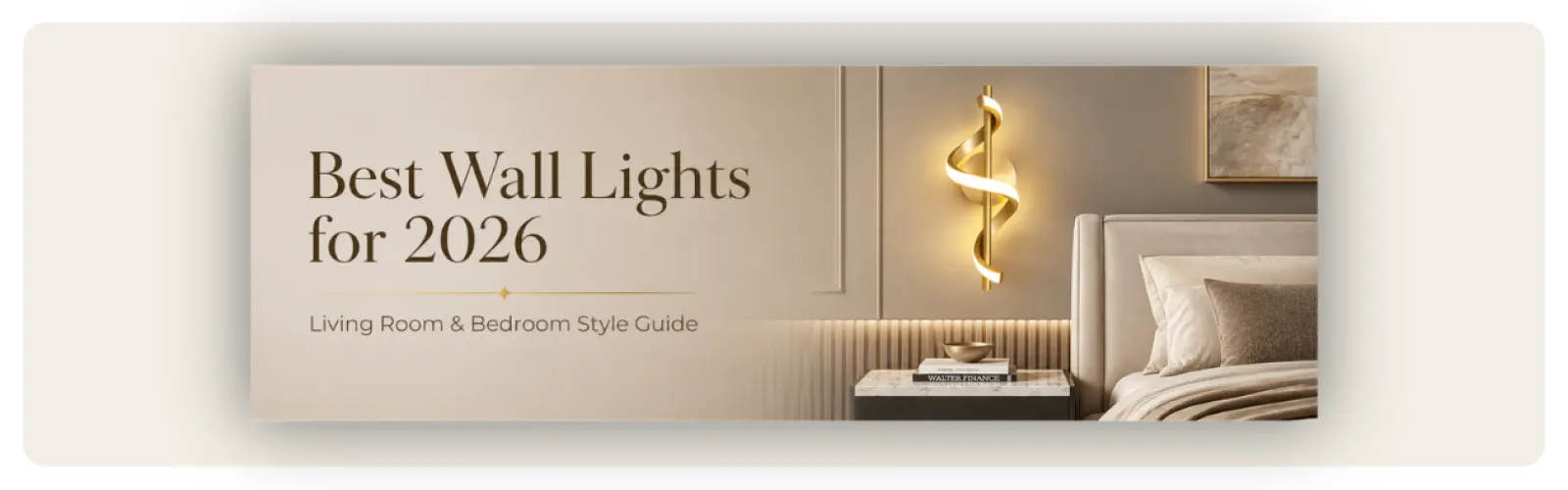
Best Wall Lights For 2026 | Living Room & Bedroom Style Guide

Wall lights can change the way a room looks and feels without occupying valuable floor or table space. They can brighten dark corners, highlight artwork, support reading and add a warm decorative layer to your interiors.

However, choosing the right wall light is not only about selecting an attractive design. A living room may need layered ambient and accent lighting, while a bedroom may require softer illumination and a focused bedside reading light.

In this guide, we explain the best wall lights for living rooms and bedrooms, including modern designs, decorative wall sconces, LED options, recommended brightness, colour temperature, placement and the most relevant lighting trends for 2026.

You can also explore wall lights for living rooms and bedrooms at InteriorChowk to compare available styles for different rooms and purposes.

Best Wall Lights for Living Room

The living room usually serves several purposes. It may be used for entertaining guests, watching television, reading, relaxing or spending time with family. Therefore, one type of light may not be enough for every activity.

When selecting the best wall lights for living room interiors, consider how they will work within a layered lighting plan. They can provide softer illumination between the main ceiling light and lower table or floor lamps. They can also highlight artwork, brighten a dark wall or add depth to a seating area.

Modern Wall Lights for Living Room

Modern wall lights usually feature clean lines, slim profiles and simple geometric shapes. These designs are suitable for contemporary living rooms where bulky fixtures may make the space feel crowded.

Up-and-down wall lights are a practical modern option. They create beams above and below the fixture, adding visual height and texture to a plain wall. When comparing wall lamps for living room spaces, flush-mounted designs are also useful for narrow rooms and compact apartments because they sit close to the wall.

For a balanced design, choose a finish that coordinates with other elements in the room. Matte black wall lights work well with modern furniture, while brass, gold and warm metallic finishes can add a more luxurious appearance.

For an available example of modern wall lamps for living room interiors, consider the Tryka Modern Black and Gold Wall Light. It includes two adjustable spotlight heads that can be aimed towards artwork, seating areas or architectural details.
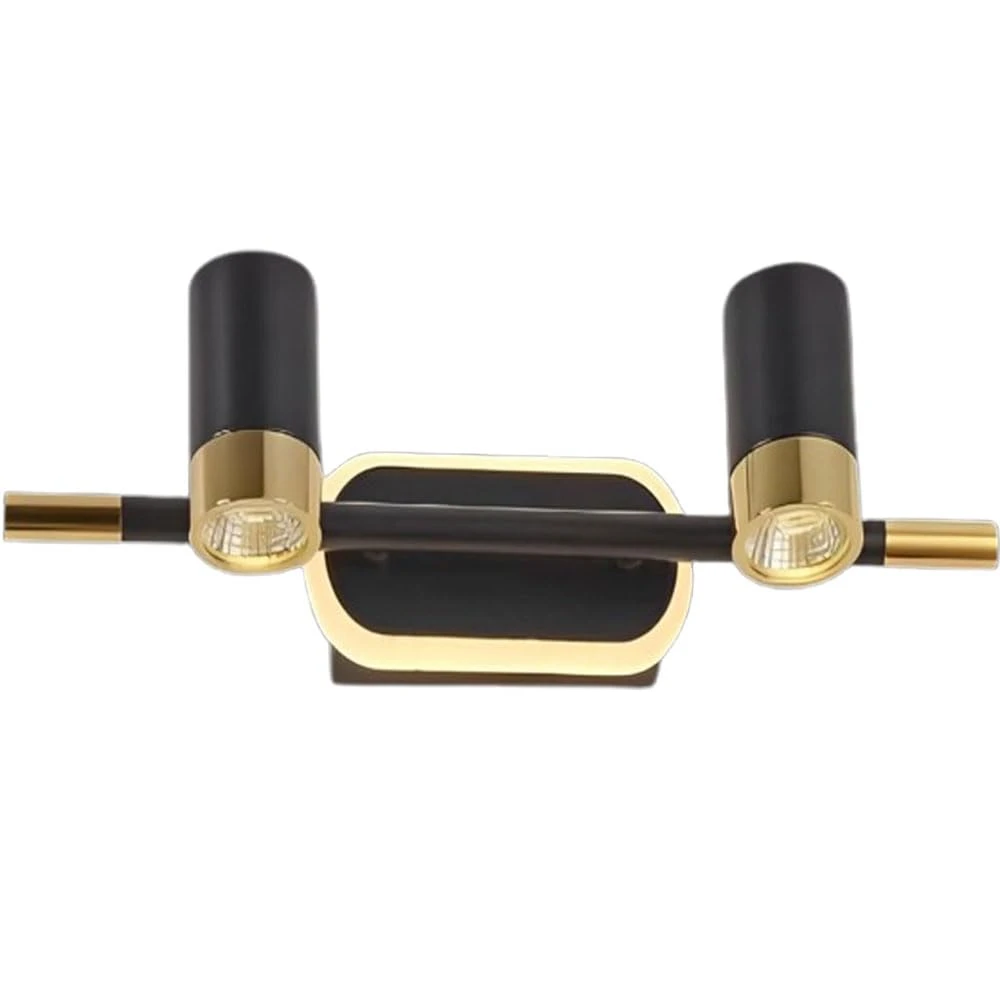
Tryka Modern Black and Gold Adjustable Wall Light

🛒 View Product

Decorative Wall Lights for Living Room

Decorative wall lights for living room interiors can function as both lighting fixtures and wall décor. They are especially useful on feature walls, beside mirrors, around artwork or on either side of a television unit.

Choose decorative lights according to the scale of the wall. A small fixture may look lost on a wide empty wall, while an oversized design can overwhelm a compact room. A pair of matching lights can create symmetry, whereas one sculptural wall light can act as a focal point.

Glass, textured metal, fluted surfaces and artistic shapes are suitable when the fixture needs to attract attention even while switched off.

For an artistic focal point, explore the Decorative Lotus-Shaped Glass Wall Light. This type of decorative wall light can add visual interest while creating a softer and more inviting glow.
Decorative Lotus-Shaped Glass Wall Light

🛒 View Product

Wall Sconces for Living Room

A wall sconce is a wall-mounted light fixture that can provide ambient, accent or task lighting. Modern wall sconces are available in traditional candle-style forms, flush-mounted designs, lantern shapes and adjustable swing-arm formats.

Use wall sconces beside a sofa, around a fireplace, near artwork or along an empty wall. Upward-facing sconces can make the room feel more open by directing light toward the ceiling. Downward-facing sconces create a more intimate effect and can help illuminate seating or display areas.

For a formal living room, use a matching pair. For a more contemporary look, use an individual sculptural sconce as a decorative statement.

LED Wall Lights for Living Room

LED wall lights are suitable for everyday living-room use because they are available in slim designs, different colour temperatures and dimmable or smart-control options.

Before selecting one, check whether the LED is integrated into the fixture or whether the light uses a replaceable bulb. An integrated LED can create a cleaner and slimmer design, but a replaceable bulb offers more flexibility when changing brightness or colour temperature.

Wall lights should generally complement the room’s other light sources instead of creating one overly bright point. You can also explore LED bulbs for wall lights when a fitting requires a compatible replaceable bulb.

Best Wall Lights for Bedroom

The best wall lights for bedroom interiors should feel calm and comfortable while still supporting practical activities such as reading, dressing or organising the room.

Instead of depending only on a bright ceiling light, combine soft ambient illumination with bedside or task lighting. Layered lighting allows the bedroom to feel brighter when required and softer during the evening.

Modern Wall Lights for Bedroom

Modern wall lights for bedroom interiors often feature simple forms, concealed LEDs, soft diffusers and neutral finishes. These designs work particularly well in compact bedrooms because they add light without filling bedside tables or taking up floor space.

Choose slim-profile lights for narrow spaces around the bed. For a warm contemporary bedroom, consider frosted glass, soft gold, brushed brass or muted metallic finishes. Matte black lights can create contrast against light-coloured walls, while white fixtures can blend into minimal interiors.

The light should support the room’s atmosphere rather than feel visually harsh.

The Tryka Modern LED Spiral Wall Lamp can add a sculptural modern element while allowing users to select between warm white, natural white and cool white modes.
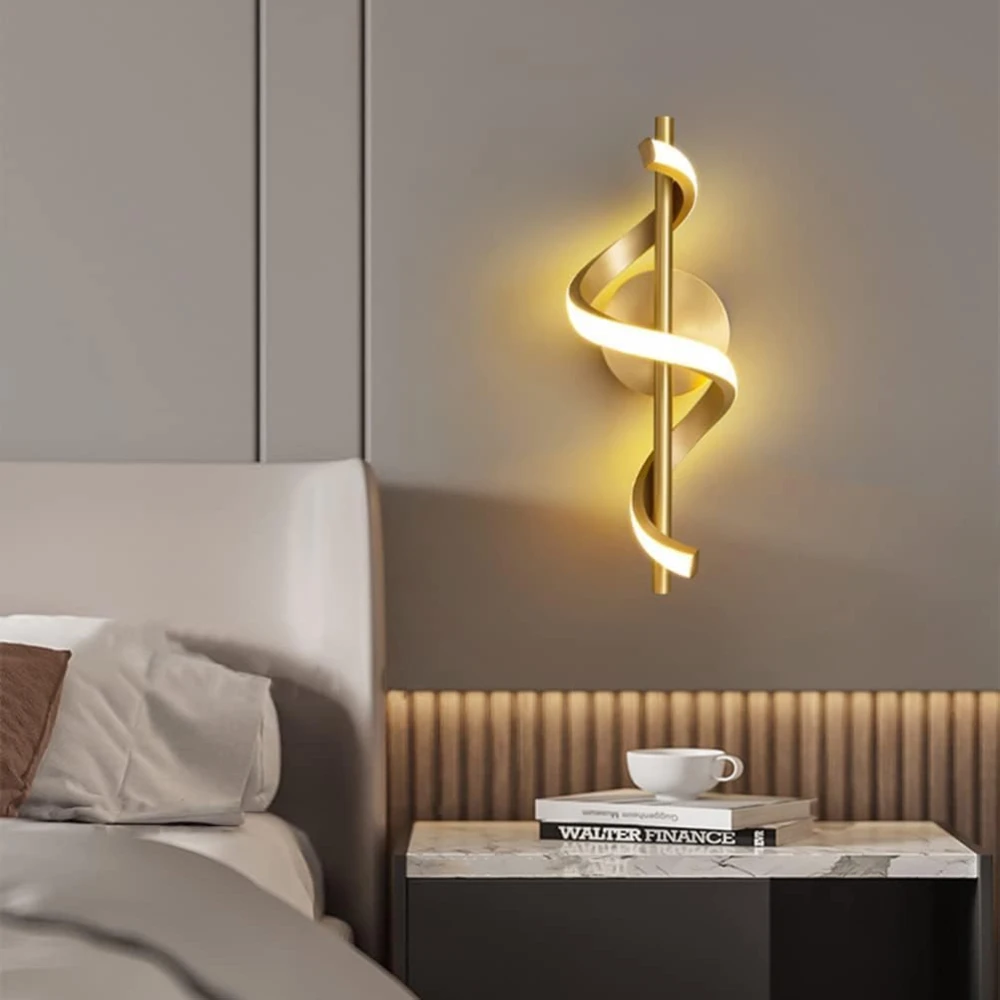
Tryka Modern LED Spiral Wall Lamp

🛒 View Product

Bedside Wall Lights

Modern bedside wall lights are useful for freeing up the nightstand and keeping the area around the bed organised. They can replace table lamps when the room has limited surface space.

Before buying, decide whether the light is mainly for ambience or reading. A decorative concealed-LED fixture may produce a soft wall wash, but it may not direct enough light onto a book. A shaded, adjustable or swing-arm fixture is generally more suitable for reading.

It is also helpful to choose a bedside light with an easily accessible switch, dimming control or adjustable head.

The Modern Brass Wall Light with Smoked Glass Shade can create a warm, hotel-inspired look while saving space beside the bed.
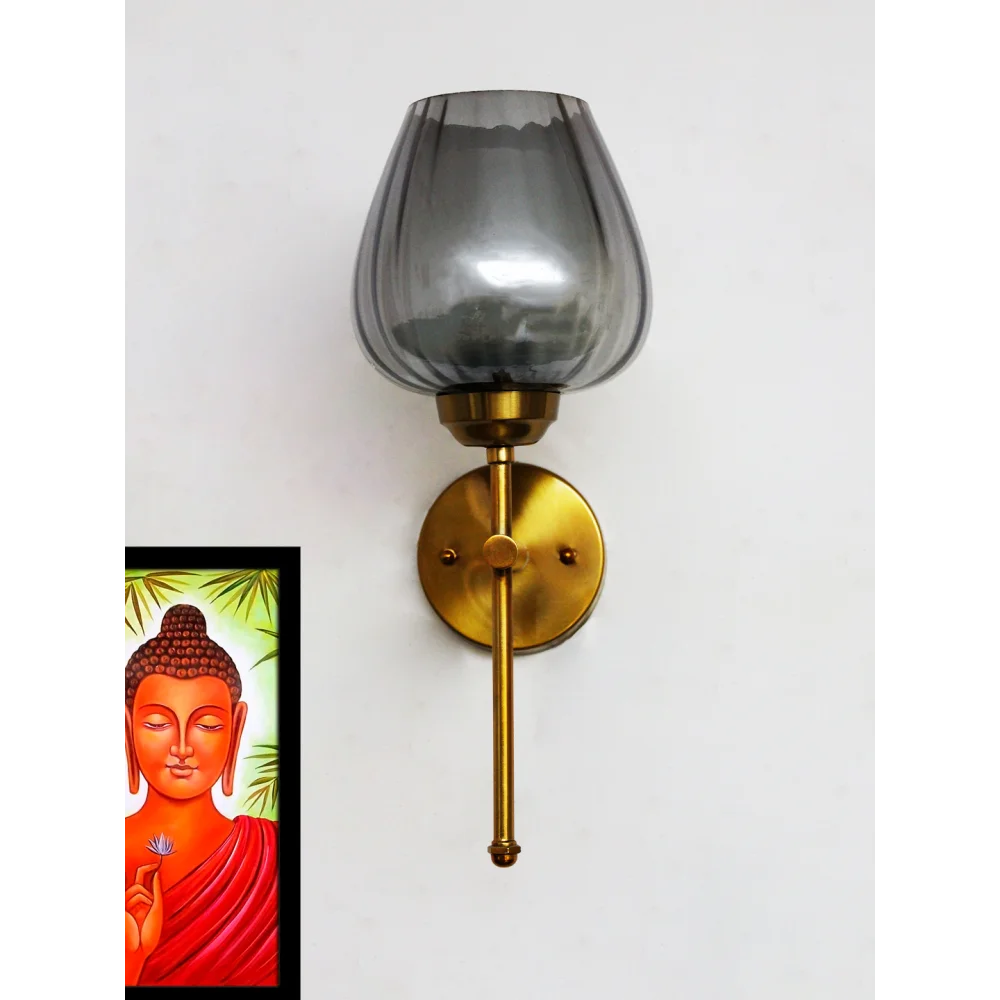
Modern Brass Wall Light with Smoked Glass Shade

🛒 View Product

Wall-Mounted Reading Lights for Bedroom

Wall mounted reading lights for bedroom use should direct light toward the book without shining into the reader’s eyes or disturbing the person on the other side of the bed.

Adjustable arms and rotating heads provide better control than fixed decorative fixtures. A narrow beam is useful for focused reading, while a shade or diffuser can reduce glare.

For focused reading, approximately 450–800 lumens directed onto the reading surface can be used as a starting reference. The exact output still depends on the fixture’s beam direction, its distance from the book and the reader’s personal preference.

A dimmable reading light is helpful because the brightness required during early evening may feel excessive immediately before sleep.

Wall Sconces for Bedroom

Wall sconces for bedroom interiors can be used in matching pairs on either side of the bed, above nightstands or near a dresser or accent wall.

Paired bedroom sconce lights create visual balance and can make the bed feel like the centre of the room. They are also useful in bedrooms where pendant lights are impractical or bedside tables are small.

For reading, choose a directional or adjustable sconce. For ambience, use a diffused glass, fabric-shaded or indirect wall-washing design.

Decorative Bedroom Wall Lights

Decorative bedroom wall lights can add personality without introducing too many additional accessories.

Organic shapes, sculptural forms, warm metals and textured materials work well in modern bedrooms. For a more luxurious appearance, consider fluted glass, brass or gold-toned designs. For a simple modern room, use slim black, white or neutral-toned fixtures.

Keep the design calm and proportionate. Bedroom lighting should support relaxation rather than make the wall feel visually crowded.

How to Choose the Right Wall Light

The best wall light is one that suits the room’s size, purpose, furniture arrangement and interior style. Do not select a fixture only because it looks attractive in a product photograph.

Choose According to Room Size

  • In a small room, use compact or flush-mounted wall lights that do not project too far from the wall. Slim fixtures keep walkways clear and prevent the room from looking overcrowded.
  • A larger living room can support wider sconces, decorative pairs or multiple lights along a feature wall. However, the number of fixtures should depend on their brightness and beam spread.
  • Also consider wall colour. Darker walls absorb more light, while light-coloured walls reflect it more effectively.

Decide the Purpose of Lighting

  • Before choosing a style, decide what the light needs to do.
  • An ambient wall light creates soft general illumination. An accent light highlights artwork, wall textures or architectural details. A task light provides focused illumination for activities such as reading.
  • One fixture may support more than one function, but a decorative ambient light should not automatically be expected to work as a reading lamp.

Match the Light With Your Interior Style

  • Choose a fixture that complements the room rather than competing with every decorative element.
  • Minimal and geometric lights suit contemporary interiors. Brass, gold and glass fixtures work well in modern luxury or transitional rooms. Black metal designs can complement industrial and monochrome interiors, while ceramic, fabric and organic forms create a softer appearance.
  • The fixture does not have to match every metal finish in the room, but its colour and shape should feel connected to the furniture, hardware or décor.

Choose the Right Material and Finish

  • Glass shades diffuse light and can create a softer glow. Clear glass exposes more of the bulb, so glare and bulb appearance become important.
  • Brass and gold finishes add warmth, while chrome and nickel create a cooler modern look. Matte black produces strong contrast and works well with neutral walls. Ceramic wall lights can introduce colour, texture and a handcrafted character.
  • Also consider maintenance. Highly detailed fixtures may collect more dust, while smooth metal or glass designs are generally easier to clean.

For a refined accent, consider the Contemporary Brass Wall Light with Clear Glass. This brass-and-glass design can work in modern, transitional and luxury-inspired interiors.
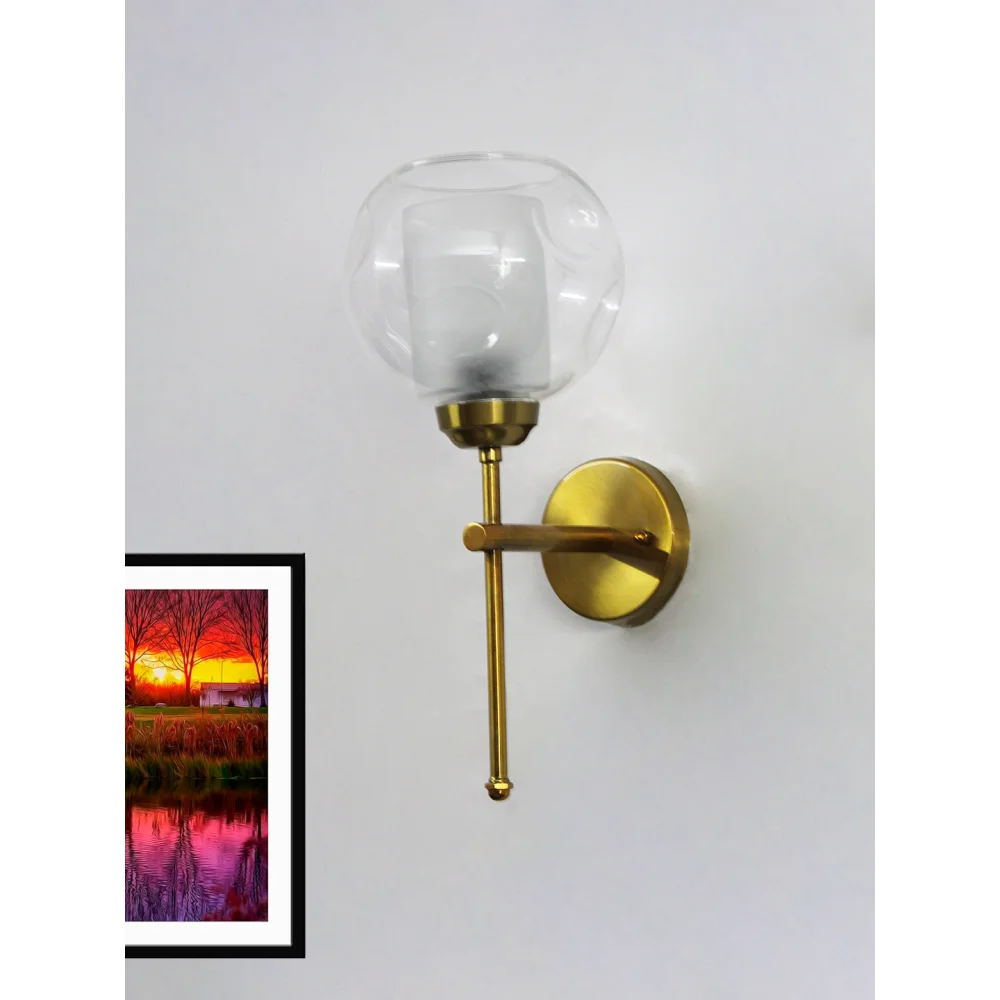
Contemporary Brass Wall Light with Clear Glass

🛒 View Product

How Bright Should Wall Lights Be?

  1. Brightness is measured in lumens, while watts measure the electrical power consumed by the light. A lumen is the SI unit of luminous flux and represents the perceived visible-light output emitted by a source.
  2. There is no universal lumen number for every wall light. The required output depends on room size, wall colour, ceiling height, number of fixtures, beam direction and whether the wall light is being used for ambience, accent lighting or reading.
  3. Lighting guidance commonly lists approximately 10–20 foot-candles for living rooms and bedrooms. Using this calculation method, room area in square feet is multiplied by the required foot-candles. Therefore, a 100-square-foot living room may require approximately 1,000–2,000 total lumens. This represents the room’s combined lighting requirement—not the output required from each wall light.
  4. Wall lights may provide only one part of this total alongside ceiling lights, lamps and other fixtures. For reading, approximately 450–800 lumens focused on the reading surface can be used as a starting reference.

Warm White vs Cool White Wall Lights

  1. Colour temperature is measured in Kelvin and describes whether the light appears warm, neutral or cool.
  2. Warm white light generally falls between 2700K and 3000K. It creates a softer yellowish appearance and is commonly suited to living rooms, bedrooms, dining spaces and evening ambient lighting.
  3. Cool white light generally falls between 4000K and 5000K. It produces a clearer, brighter-looking white light that is more suitable for workspaces, kitchens and study areas.
  4. For most decorative living-room fixtures and wall lights for bedroom interiors, 2700K–3000K is a practical choice because it creates a warm and comfortable atmosphere.
  5. For a reading or study corner, a more neutral light around 3500K–4000K may provide greater clarity. Warm white around 2700K–3000K is generally more comfortable for relaxed evening reading, while 3500K–4000K may suit detailed work or studying.
  6. Avoid combining dramatically different colour temperatures within the same visual area unless the contrast is intentional.

Where Should Wall Lights Be Placed?

  1. Wall-light placement should be based on the fixture’s function, room proportions, furniture position and the direction in which it throws light.
  2. Any published height should be treated as a starting point. Always hold the fixture against the wall and check its light direction before drilling.

Living Room Wall Light Placement

  • General indoor wall sconces are often installed approximately 150–180 cm above the floor. For living-room wall illumination, around 150 cm can be used as a starting point, while functional lighting close to a sofa or coffee table may be positioned lower.
  • A general range of approximately 152–170 cm above floor level can also be used, with the fixture positioned near eye level to reduce glare from an exposed bulb.
  • Place living-room wall lights beside seating, around a fireplace, near artwork or along a feature wall. Ensure they do not reflect directly on a television screen or shine into the eyes of seated users.

Bedroom Wall Light Placement

  • For general bedroom sconces, approximately 150 cm from the floor can be used as an initial reference. A bedside fixture may also be positioned around 30 cm from the bedside table, depending on its size and light direction.
  • For lights above or beside the bed, seated shoulder height is often more useful than a fixed floor measurement. Positioning above-bed wall lights around shoulder height can keep them easy to operate from bed.
  • The exact placement should account for the headboard, mattress height, switch position and fixture projection.

Bedside Wall Light Placement

  • For bedside reading, one published starting point is approximately 25–35 cm above the top of the mattress, just above shoulder height while the user is sitting against the headboard.
  • Another practical method is to sit in the normal reading position and measure a few inches above the shoulder. Although about 5 feet from the floor is a traditional reference, bed heights vary, so the user’s actual position should guide the final measurement.
  • Before installation, sit in bed and have someone hold the light in position. Check that the beam reaches the book, the bulb does not create glare and the switch can be reached without stretching.

Popular Wall Light Styles and Materials

Brass, Gold and Glass Wall Lights

  • Brass and gold wall lights add warmth and work well with wooden furniture, neutral walls and luxury-inspired interiors.
  • Clear glass creates a brighter, more exposed look, while frosted, ribbed or fluted glass diffuses the light. A brass-and-glass combination can work in both modern and classic rooms, depending on the fixture’s shape.
  • Use these finishes as accents rather than repeating them on every surface.

Ceramic, Black and Art Deco Wall Lights

  • Ceramic wall lights can add texture, colour and an artisanal feel. They are suitable for bedrooms, reading corners and relaxed living spaces.
  • Black wall lights create contrast and suit modern, industrial and minimalist interiors. Art Deco-inspired fixtures use symmetry, geometric patterns, glass and metallic finishes to create a more decorative statement.
  • Choose one strong style direction rather than combining too many unrelated shapes and finishes.

Wall Light Trends for 2026

In 2026, wall sconces are increasingly being treated as luminous wall art rather than purely functional fixtures. Sculptural forms, fluted glass, brushed metal and decorative engraved surfaces are being used to create lights that remain visually interesting even when switched off. Bedroom sconces are also being used as space-saving alternatives to table lamps.

Layered lighting continues to be important. Instead of depending on one strong ceiling fixture, living rooms are being designed with wall washing, uplighting, picture lights, TV backlighting and adjustable reading lights. Smart dimming allows the same room to shift between daytime, relaxation and guest settings.

Bedroom trends are moving toward warm 2700K–3000K illumination, slim profiles, sculptural minimalist forms and combinations of ambient, task and accent lighting.

Warm dimmable lighting, smart systems that adjust brightness or colour and calm, uncluttered bedroom schemes are also becoming more prominent.

The Girik Wall Lamp reflects the sculptural wall light trend through its rose-inspired form, woven iron construction and decorative gold finish.
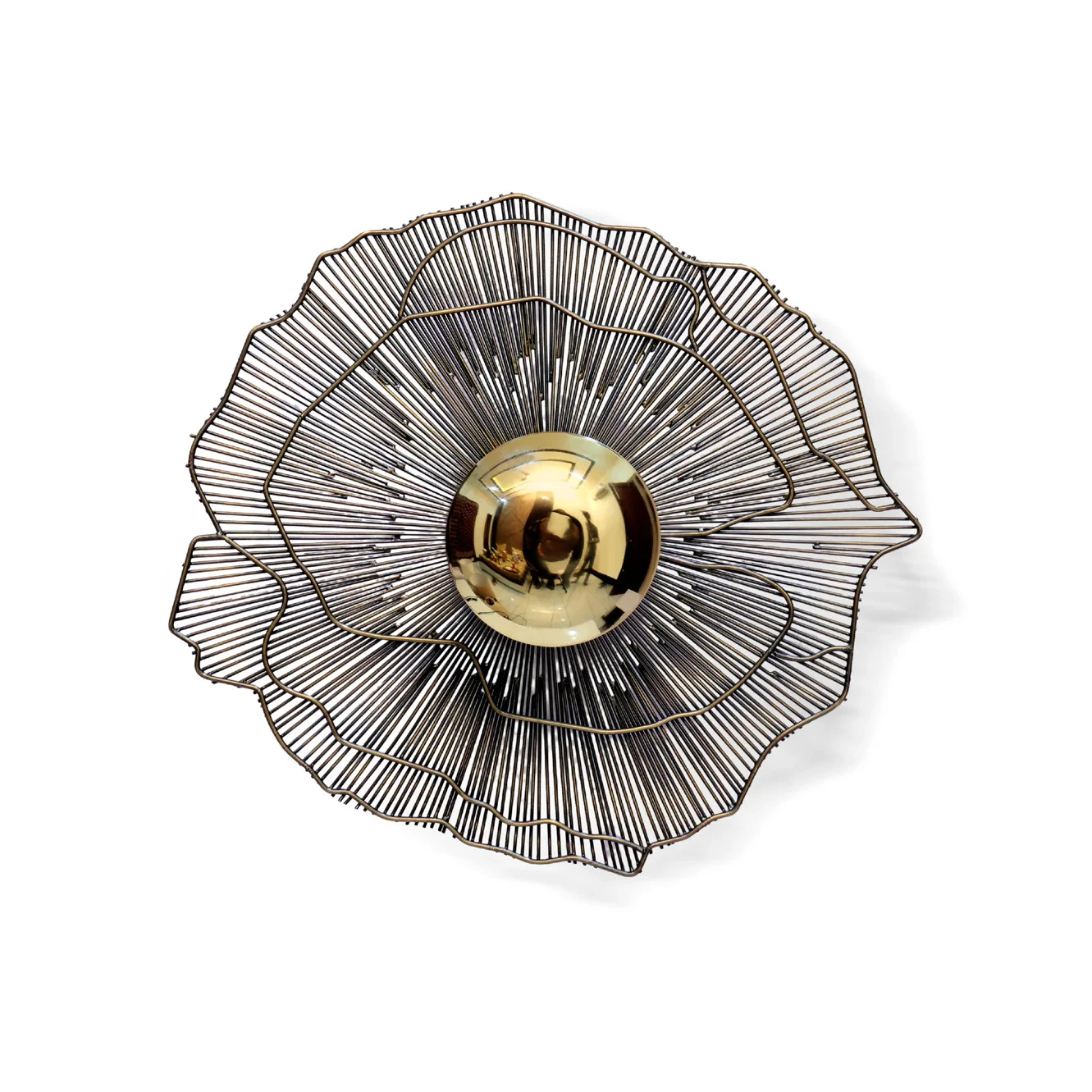
Girik Wall Lamp – Elegant Iron Base and Eclectic Design

🛒 View Product

The most relevant wall-light trends for 2026 include:

  • Sculptural sconces used as wall art
  • Fluted glass and decorative metal finishes
  • Warm, layered ambient lighting
  • Smart dimming and adjustable colour temperature
  • Minimal and slim-profile fixtures
  • Space-saving bedside sconces
  • Geometric and modern Art Deco shapes
  • Wall washing, uplighting and picture lighting

Common Mistakes to Avoid When Choosing Wall Lights

  • Choosing style before purpose: A decorative ambient fixture may not provide enough focused light for reading.
  • Using the wrong size: Very small fixtures may disappear on a large wall, while oversized sconces can overwhelm a compact room.
  • Mounting the light too high or too low: Placement should account for eye level, furniture and whether the fixture provides ambient or task lighting.
  • Ignoring glare: Exposed bulbs and narrow beams can cause discomfort when placed directly in the user’s line of sight.
  • Selecting the wrong colour temperature: Cool white light can feel harsh in a relaxing bedroom, while extremely warm light may not provide enough clarity for detailed tasks.
  • Depending on one light source: Wall lights work best as part of a balanced lighting plan unless multiple fixtures have been carefully designed to provide sufficient overall illumination.
  • Not checking fixture projection: A wall light that extends too far can obstruct narrow passages beside a bed or sofa.
  • Drilling before testing: Hold the fixture against the wall, sit in the normal position and check the light direction before making permanent holes.

FAQs About Wall Lights

What is the ideal height for living-room wall lights?

Approximately 150–170 cm above the floor is a useful starting range. The height may be adjusted according to ceiling height, furniture placement, fixture design and whether the light is intended for ambience or focused illumination.

Can wall lights be the main light source in a living room?

They can provide substantial illumination when several fixtures are planned correctly, but most living rooms benefit from layered lighting. Combine wall lights with a ceiling fixture, pendant, floor lamp or task light to avoid dark areas and harsh contrast.

How do I choose between warm and cool lighting?

Choose warm white around 2700K–3000K for relaxed living rooms, bedrooms and evening ambience. Choose neutral or cool light around 3500K–5000K for reading, studying or other tasks that require greater clarity.

What are the different types of wall lights?

Common options include wall sconces, up-and-down lights, flush-mounted fixtures, swing-arm lights, reading lights, picture lights and decorative wall-washing fixtures.

Are wall lights suitable for small spaces?

Yes. Flush-mounted, slim and adjustable wall lights can save floor and table space. Wall washing and uplighting can also make compact rooms feel more open by brightening their boundaries and drawing attention upward.

What is the difference between a wall light and a wall sconce?

“Wall light” is a broad term for any fixture mounted on a wall. A wall sconce is a type of wall light traditionally associated with decorative fixtures, although both terms are now often used interchangeably while shopping.

Explore Wall Lights at InteriorChowk

The right wall light should improve both the appearance and usability of your room. Start by deciding whether you need ambient, accent or reading light. Then compare brightness, colour temperature, fixture size, material and placement.

Use warm decorative sconces to create a welcoming living room, adjustable reading lights beside the bed or sculptural wall lights to turn an empty surface into a focal point.

Explore wall lights online at InteriorChowk to discover modern, decorative and functional options for your living room, bedroom and other indoor spaces.

blog_bg_1

Best Wall Lights For 2026 | Living Room & Bedroom Style Guide

2026-08-08 15:50:31

Published By: Samriddhi Bhatnagar

Best Wall Lights For 2026 | Living Room & Bedroom Style Guide

Wall lights can change the way a room looks and feels without occupying valuable floor or table space. They can brighten dark corners, highlight artwork, support reading and add a warm decorative layer to your interiors.

However, choosing the right wall light is not only about selecting an attractive design. A living room may need layered ambient and accent lighting, while a bedroom may require softer illumination and a focused bedside reading light.

In this guide, we explain the best wall lights for living rooms and bedrooms, including modern designs, decorative wall sconces, LED options, recommended brightness, colour temperature, placement and the most relevant lighting trends for 2026.

You can also explore wall lights for living rooms and bedrooms at InteriorChowk to compare available styles for different rooms and purposes.

Best Wall Lights for Living Room

The living room usually serves several purposes. It may be used for entertaining guests, watching television, reading, relaxing or spending time with family. Therefore, one type of light may not be enough for every activity.

When selecting the best wall lights for living room interiors, consider how they will work within a layered lighting plan. They can provide softer illumination between the main ceiling light and lower table or floor lamps. They can also highlight artwork, brighten a dark wall or add depth to a seating area.

Modern Wall Lights for Living Room

Modern wall lights usually feature clean lines, slim profiles and simple geometric shapes. These designs are suitable for contemporary living rooms where bulky fixtures may make the space feel crowded.

Up-and-down wall lights are a practical modern option. They create beams above and below the fixture, adding visual height and texture to a plain wall. When comparing wall lamps for living room spaces, flush-mounted designs are also useful for narrow rooms and compact apartments because they sit close to the wall.

For a balanced design, choose a finish that coordinates with other elements in the room. Matte black wall lights work well with modern furniture, while brass, gold and warm metallic finishes can add a more luxurious appearance.

For an available example of modern wall lamps for living room interiors, consider the Tryka Modern Black and Gold Wall Light. It includes two adjustable spotlight heads that can be aimed towards artwork, seating areas or architectural details.

Tryka Modern Black and Gold Adjustable Wall Light

🛒 View Product

Decorative Wall Lights for Living Room

Decorative wall lights for living room interiors can function as both lighting fixtures and wall décor. They are especially useful on feature walls, beside mirrors, around artwork or on either side of a television unit.

Choose decorative lights according to the scale of the wall. A small fixture may look lost on a wide empty wall, while an oversized design can overwhelm a compact room. A pair of matching lights can create symmetry, whereas one sculptural wall light can act as a focal point.

Glass, textured metal, fluted surfaces and artistic shapes are suitable when the fixture needs to attract attention even while switched off.

For an artistic focal point, explore the Decorative Lotus-Shaped Glass Wall Light. This type of decorative wall light can add visual interest while creating a softer and more inviting glow.

Decorative Lotus-Shaped Glass Wall Light

🛒 View Product

Wall Sconces for Living Room

A wall sconce is a wall-mounted light fixture that can provide ambient, accent or task lighting. Modern wall sconces are available in traditional candle-style forms, flush-mounted designs, lantern shapes and adjustable swing-arm formats.

Use wall sconces beside a sofa, around a fireplace, near artwork or along an empty wall. Upward-facing sconces can make the room feel more open by directing light toward the ceiling. Downward-facing sconces create a more intimate effect and can help illuminate seating or display areas.

For a formal living room, use a matching pair. For a more contemporary look, use an individual sculptural sconce as a decorative statement.

LED Wall Lights for Living Room

LED wall lights are suitable for everyday living-room use because they are available in slim designs, different colour temperatures and dimmable or smart-control options.

Before selecting one, check whether the LED is integrated into the fixture or whether the light uses a replaceable bulb. An integrated LED can create a cleaner and slimmer design, but a replaceable bulb offers more flexibility when changing brightness or colour temperature.

Wall lights should generally complement the room’s other light sources instead of creating one overly bright point. You can also explore LED bulbs for wall lights when a fitting requires a compatible replaceable bulb.

Best Wall Lights for Bedroom

The best wall lights for bedroom interiors should feel calm and comfortable while still supporting practical activities such as reading, dressing or organising the room.

Instead of depending only on a bright ceiling light, combine soft ambient illumination with bedside or task lighting. Layered lighting allows the bedroom to feel brighter when required and softer during the evening.

Modern Wall Lights for Bedroom

Modern wall lights for bedroom interiors often feature simple forms, concealed LEDs, soft diffusers and neutral finishes. These designs work particularly well in compact bedrooms because they add light without filling bedside tables or taking up floor space.

Choose slim-profile lights for narrow spaces around the bed. For a warm contemporary bedroom, consider frosted glass, soft gold, brushed brass or muted metallic finishes. Matte black lights can create contrast against light-coloured walls, while white fixtures can blend into minimal interiors.

The light should support the room’s atmosphere rather than feel visually harsh.

The Tryka Modern LED Spiral Wall Lamp can add a sculptural modern element while allowing users to select between warm white, natural white and cool white modes.

Tryka Modern LED Spiral Wall Lamp

🛒 View Product

Bedside Wall Lights

Modern bedside wall lights are useful for freeing up the nightstand and keeping the area around the bed organised. They can replace table lamps when the room has limited surface space.

Before buying, decide whether the light is mainly for ambience or reading. A decorative concealed-LED fixture may produce a soft wall wash, but it may not direct enough light onto a book. A shaded, adjustable or swing-arm fixture is generally more suitable for reading.

It is also helpful to choose a bedside light with an easily accessible switch, dimming control or adjustable head.

The Modern Brass Wall Light with Smoked Glass Shade can create a warm, hotel-inspired look while saving space beside the bed.

Modern Brass Wall Light with Smoked Glass Shade

🛒 View Product

Wall-Mounted Reading Lights for Bedroom

Wall mounted reading lights for bedroom use should direct light toward the book without shining into the reader’s eyes or disturbing the person on the other side of the bed.

Adjustable arms and rotating heads provide better control than fixed decorative fixtures. A narrow beam is useful for focused reading, while a shade or diffuser can reduce glare.

For focused reading, approximately 450–800 lumens directed onto the reading surface can be used as a starting reference. The exact output still depends on the fixture’s beam direction, its distance from the book and the reader’s personal preference.

A dimmable reading light is helpful because the brightness required during early evening may feel excessive immediately before sleep.

Wall Sconces for Bedroom

Wall sconces for bedroom interiors can be used in matching pairs on either side of the bed, above nightstands or near a dresser or accent wall.

Paired bedroom sconce lights create visual balance and can make the bed feel like the centre of the room. They are also useful in bedrooms where pendant lights are impractical or bedside tables are small.

For reading, choose a directional or adjustable sconce. For ambience, use a diffused glass, fabric-shaded or indirect wall-washing design.

Decorative Bedroom Wall Lights

Decorative bedroom wall lights can add personality without introducing too many additional accessories.

Organic shapes, sculptural forms, warm metals and textured materials work well in modern bedrooms. For a more luxurious appearance, consider fluted glass, brass or gold-toned designs. For a simple modern room, use slim black, white or neutral-toned fixtures.

Keep the design calm and proportionate. Bedroom lighting should support relaxation rather than make the wall feel visually crowded.

How to Choose the Right Wall Light

The best wall light is one that suits the room’s size, purpose, furniture arrangement and interior style. Do not select a fixture only because it looks attractive in a product photograph.

Choose According to Room Size

  • In a small room, use compact or flush-mounted wall lights that do not project too far from the wall. Slim fixtures keep walkways clear and prevent the room from looking overcrowded.
  • A larger living room can support wider sconces, decorative pairs or multiple lights along a feature wall. However, the number of fixtures should depend on their brightness and beam spread.
  • Also consider wall colour. Darker walls absorb more light, while light-coloured walls reflect it more effectively.

Decide the Purpose of Lighting

  • Before choosing a style, decide what the light needs to do.
  • An ambient wall light creates soft general illumination. An accent light highlights artwork, wall textures or architectural details. A task light provides focused illumination for activities such as reading.
  • One fixture may support more than one function, but a decorative ambient light should not automatically be expected to work as a reading lamp.

Match the Light With Your Interior Style

  • Choose a fixture that complements the room rather than competing with every decorative element.
  • Minimal and geometric lights suit contemporary interiors. Brass, gold and glass fixtures work well in modern luxury or transitional rooms. Black metal designs can complement industrial and monochrome interiors, while ceramic, fabric and organic forms create a softer appearance.
  • The fixture does not have to match every metal finish in the room, but its colour and shape should feel connected to the furniture, hardware or décor.

Choose the Right Material and Finish

  • Glass shades diffuse light and can create a softer glow. Clear glass exposes more of the bulb, so glare and bulb appearance become important.
  • Brass and gold finishes add warmth, while chrome and nickel create a cooler modern look. Matte black produces strong contrast and works well with neutral walls. Ceramic wall lights can introduce colour, texture and a handcrafted character.
  • Also consider maintenance. Highly detailed fixtures may collect more dust, while smooth metal or glass designs are generally easier to clean.

For a refined accent, consider the Contemporary Brass Wall Light with Clear Glass. This brass-and-glass design can work in modern, transitional and luxury-inspired interiors.

Contemporary Brass Wall Light with Clear Glass

🛒 View Product

How Bright Should Wall Lights Be?

  1. Brightness is measured in lumens, while watts measure the electrical power consumed by the light. A lumen is the SI unit of luminous flux and represents the perceived visible-light output emitted by a source.
  2. There is no universal lumen number for every wall light. The required output depends on room size, wall colour, ceiling height, number of fixtures, beam direction and whether the wall light is being used for ambience, accent lighting or reading.
  3. Lighting guidance commonly lists approximately 10–20 foot-candles for living rooms and bedrooms. Using this calculation method, room area in square feet is multiplied by the required foot-candles. Therefore, a 100-square-foot living room may require approximately 1,000–2,000 total lumens. This represents the room’s combined lighting requirement—not the output required from each wall light.
  4. Wall lights may provide only one part of this total alongside ceiling lights, lamps and other fixtures. For reading, approximately 450–800 lumens focused on the reading surface can be used as a starting reference.

Warm White vs Cool White Wall Lights

  1. Colour temperature is measured in Kelvin and describes whether the light appears warm, neutral or cool.
  2. Warm white light generally falls between 2700K and 3000K. It creates a softer yellowish appearance and is commonly suited to living rooms, bedrooms, dining spaces and evening ambient lighting.
  3. Cool white light generally falls between 4000K and 5000K. It produces a clearer, brighter-looking white light that is more suitable for workspaces, kitchens and study areas.
  4. For most decorative living-room fixtures and wall lights for bedroom interiors, 2700K–3000K is a practical choice because it creates a warm and comfortable atmosphere.
  5. For a reading or study corner, a more neutral light around 3500K–4000K may provide greater clarity. Warm white around 2700K–3000K is generally more comfortable for relaxed evening reading, while 3500K–4000K may suit detailed work or studying.
  6. Avoid combining dramatically different colour temperatures within the same visual area unless the contrast is intentional.

Where Should Wall Lights Be Placed?

  1. Wall-light placement should be based on the fixture’s function, room proportions, furniture position and the direction in which it throws light.
  2. Any published height should be treated as a starting point. Always hold the fixture against the wall and check its light direction before drilling.

Living Room Wall Light Placement

  • General indoor wall sconces are often installed approximately 150–180 cm above the floor. For living-room wall illumination, around 150 cm can be used as a starting point, while functional lighting close to a sofa or coffee table may be positioned lower.
  • A general range of approximately 152–170 cm above floor level can also be used, with the fixture positioned near eye level to reduce glare from an exposed bulb.
  • Place living-room wall lights beside seating, around a fireplace, near artwork or along a feature wall. Ensure they do not reflect directly on a television screen or shine into the eyes of seated users.

Bedroom Wall Light Placement

  • For general bedroom sconces, approximately 150 cm from the floor can be used as an initial reference. A bedside fixture may also be positioned around 30 cm from the bedside table, depending on its size and light direction.
  • For lights above or beside the bed, seated shoulder height is often more useful than a fixed floor measurement. Positioning above-bed wall lights around shoulder height can keep them easy to operate from bed.
  • The exact placement should account for the headboard, mattress height, switch position and fixture projection.

Bedside Wall Light Placement

  • For bedside reading, one published starting point is approximately 25–35 cm above the top of the mattress, just above shoulder height while the user is sitting against the headboard.
  • Another practical method is to sit in the normal reading position and measure a few inches above the shoulder. Although about 5 feet from the floor is a traditional reference, bed heights vary, so the user’s actual position should guide the final measurement.
  • Before installation, sit in bed and have someone hold the light in position. Check that the beam reaches the book, the bulb does not create glare and the switch can be reached without stretching.

Popular Wall Light Styles and Materials

Brass, Gold and Glass Wall Lights

  • Brass and gold wall lights add warmth and work well with wooden furniture, neutral walls and luxury-inspired interiors.
  • Clear glass creates a brighter, more exposed look, while frosted, ribbed or fluted glass diffuses the light. A brass-and-glass combination can work in both modern and classic rooms, depending on the fixture’s shape.
  • Use these finishes as accents rather than repeating them on every surface.

Ceramic, Black and Art Deco Wall Lights

  • Ceramic wall lights can add texture, colour and an artisanal feel. They are suitable for bedrooms, reading corners and relaxed living spaces.
  • Black wall lights create contrast and suit modern, industrial and minimalist interiors. Art Deco-inspired fixtures use symmetry, geometric patterns, glass and metallic finishes to create a more decorative statement.
  • Choose one strong style direction rather than combining too many unrelated shapes and finishes.

Wall Light Trends for 2026

In 2026, wall sconces are increasingly being treated as luminous wall art rather than purely functional fixtures. Sculptural forms, fluted glass, brushed metal and decorative engraved surfaces are being used to create lights that remain visually interesting even when switched off. Bedroom sconces are also being used as space-saving alternatives to table lamps.

Layered lighting continues to be important. Instead of depending on one strong ceiling fixture, living rooms are being designed with wall washing, uplighting, picture lights, TV backlighting and adjustable reading lights. Smart dimming allows the same room to shift between daytime, relaxation and guest settings.

Bedroom trends are moving toward warm 2700K–3000K illumination, slim profiles, sculptural minimalist forms and combinations of ambient, task and accent lighting.

Warm dimmable lighting, smart systems that adjust brightness or colour and calm, uncluttered bedroom schemes are also becoming more prominent.

The Girik Wall Lamp reflects the sculptural wall light trend through its rose-inspired form, woven iron construction and decorative gold finish.

Girik Wall Lamp – Elegant Iron Base and Eclectic Design

🛒 View Product

The most relevant wall-light trends for 2026 include:

  • Sculptural sconces used as wall art
  • Fluted glass and decorative metal finishes
  • Warm, layered ambient lighting
  • Smart dimming and adjustable colour temperature
  • Minimal and slim-profile fixtures
  • Space-saving bedside sconces
  • Geometric and modern Art Deco shapes
  • Wall washing, uplighting and picture lighting

Common Mistakes to Avoid When Choosing Wall Lights

  • Choosing style before purpose: A decorative ambient fixture may not provide enough focused light for reading.
  • Using the wrong size: Very small fixtures may disappear on a large wall, while oversized sconces can overwhelm a compact room.
  • Mounting the light too high or too low: Placement should account for eye level, furniture and whether the fixture provides ambient or task lighting.
  • Ignoring glare: Exposed bulbs and narrow beams can cause discomfort when placed directly in the user’s line of sight.
  • Selecting the wrong colour temperature: Cool white light can feel harsh in a relaxing bedroom, while extremely warm light may not provide enough clarity for detailed tasks.
  • Depending on one light source: Wall lights work best as part of a balanced lighting plan unless multiple fixtures have been carefully designed to provide sufficient overall illumination.
  • Not checking fixture projection: A wall light that extends too far can obstruct narrow passages beside a bed or sofa.
  • Drilling before testing: Hold the fixture against the wall, sit in the normal position and check the light direction before making permanent holes.

FAQs About Wall Lights

What is the ideal height for living-room wall lights?

Approximately 150–170 cm above the floor is a useful starting range. The height may be adjusted according to ceiling height, furniture placement, fixture design and whether the light is intended for ambience or focused illumination.

Can wall lights be the main light source in a living room?

They can provide substantial illumination when several fixtures are planned correctly, but most living rooms benefit from layered lighting. Combine wall lights with a ceiling fixture, pendant, floor lamp or task light to avoid dark areas and harsh contrast.

How do I choose between warm and cool lighting?

Choose warm white around 2700K–3000K for relaxed living rooms, bedrooms and evening ambience. Choose neutral or cool light around 3500K–5000K for reading, studying or other tasks that require greater clarity.

What are the different types of wall lights?

Common options include wall sconces, up-and-down lights, flush-mounted fixtures, swing-arm lights, reading lights, picture lights and decorative wall-washing fixtures.

Are wall lights suitable for small spaces?

Yes. Flush-mounted, slim and adjustable wall lights can save floor and table space. Wall washing and uplighting can also make compact rooms feel more open by brightening their boundaries and drawing attention upward.

What is the difference between a wall light and a wall sconce?

“Wall light” is a broad term for any fixture mounted on a wall. A wall sconce is a type of wall light traditionally associated with decorative fixtures, although both terms are now often used interchangeably while shopping.

Explore Wall Lights at InteriorChowk

The right wall light should improve both the appearance and usability of your room. Start by deciding whether you need ambient, accent or reading light. Then compare brightness, colour temperature, fixture size, material and placement.

Use warm decorative sconces to create a welcoming living room, adjustable reading lights beside the bed or sculptural wall lights to turn an empty surface into a focal point.

Explore wall lights online at InteriorChowk to discover modern, decorative and functional options for your living room, bedroom and other indoor spaces.